

Cottagecore 2.0 and Smart Tech Integration in Rural Aesthetics
Introduction: Where Rustic Charm Meets Digital Innovation
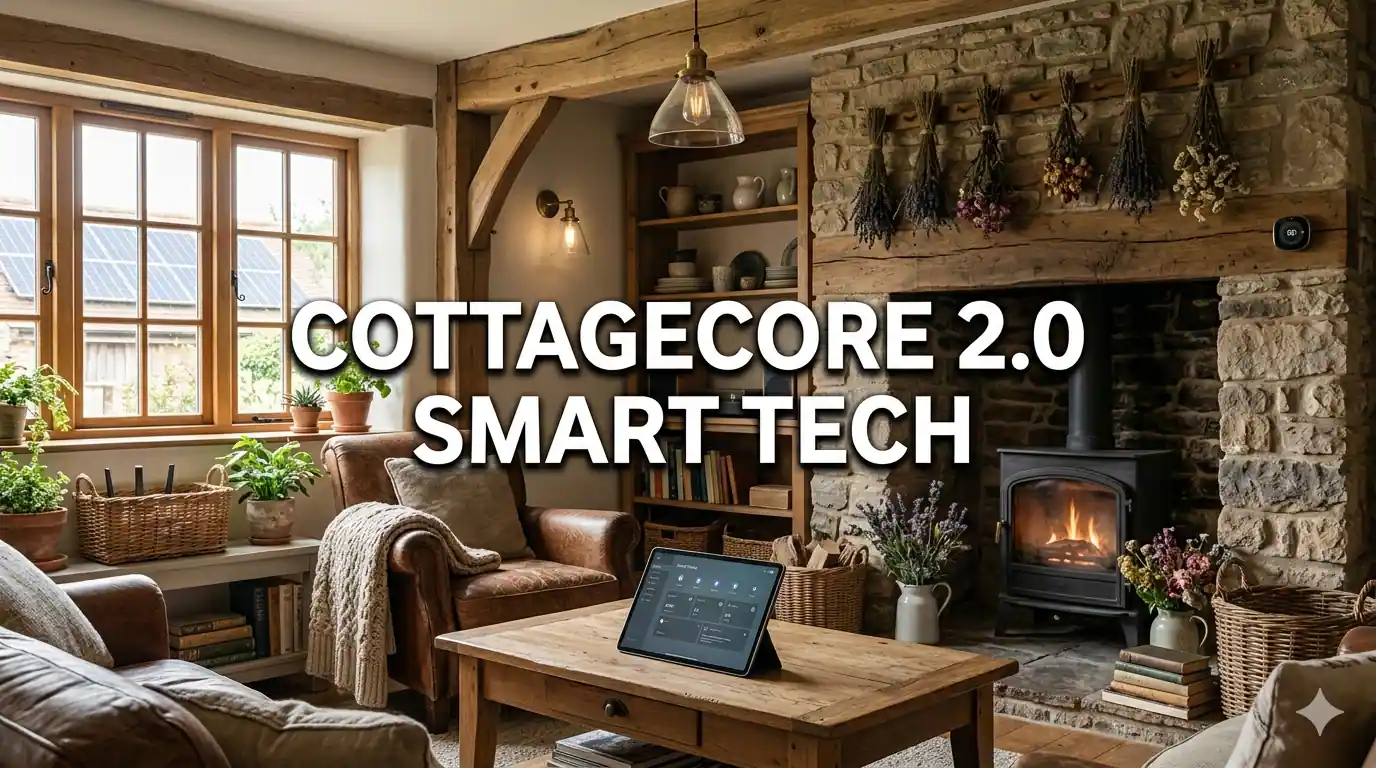
The cottagecore movement swept through social media and lifestyle communities in the early 2020s, offering a romanticized vision of rural living characterized by baking bread from scratch, tending vegetable gardens, wearing flowy linen dresses, and embracing a slower, more intentional way of life. But as we progress through 2026, a fascinating evolution is taking place: cottagecore 2.0 smart tech represents the thoughtful integration of modern technology into rustic aesthetics, proving that you do not have to choose between pastoral tranquility and digital convenience.
This emerging lifestyle movement acknowledges a fundamental truth about contemporary living: technology, when used intentionally, can enhance rather than detract from the simple, sustainable values that drew people to cottagecore in the first place. Imagine monitoring your beehive health through a smartphone app, using solar panels disguised as traditional slate roofing to power your off-grid cabin, or employing smart irrigation systems to maintain your heirloom vegetable garden while you focus on preserving the harvest.
The smart home rural aesthetics movement is not about plastering your cottage with glowing screens and chrome devices. Instead, it represents a sophisticated approach to selecting, disguising, and integrating technology that serves your sustainable lifestyle goals while maintaining the visual and emotional warmth of traditional rural living. This comprehensive guide explores how modern homesteaders, rural dwellers, and cottagecore enthusiasts are successfully blending centuries-old practices with cutting-edge innovation to create homes that are both deeply connected to nature and intelligently connected to the digital world.
Understanding Cottagecore 2.0: Evolution of a Lifestyle Movement
To appreciate where cottagecore is heading, we must first understand its origins and why the integration of technology represents a natural evolution rather than a betrayal of its core principles.
The Original Cottagecore Philosophy
Cottagecore emerged as a cultural aesthetic and lifestyle movement around 2018-2019, gaining massive traction during the 2020 pandemic lockdowns. At its heart, cottagecore celebrates:
- Simplicity: Rejecting consumerism and complexity in favor of straightforward, meaningful activities
- Sustainability: Living in harmony with nature through gardening, preserving, and reducing waste
- Self-sufficiency: Developing practical skills like baking, sewing, gardening, and animal husbandry
- Community: Valuing local connections, bartering, and mutual aid over corporate transactions
- Slowness: Embracing seasonal rhythms and rejecting hustle culture
These values remain central to cottagecore 2.0, but the movement has matured to recognize that selective technology use can actually support these goals more effectively than complete technological rejection.
Why Technology Belongs in Modern Rural Living
The purist argument against technology in cottagecore settings fails to acknowledge several important realities:
- Efficiency for Sustainability: Smart technology can optimize resource use, reducing waste and environmental impact more effectively than manual methods alone
- Accessibility: Technology enables people with physical limitations to participate in rural living and homesteading activities
- Knowledge Sharing: Digital platforms connect rural dwellers with expert knowledge, troubleshooting help, and community support
- Economic Viability: Online marketplaces and digital marketing enable small-scale producers to reach customers beyond their immediate geographic area
- Safety and Security: Modern monitoring systems protect livestock, detect fires, and provide emergency communication in remote locations
Key Insight: Cottagecore 2.0 is not about technology for technology's sake. It is about intentional technology selection that serves sustainable living goals while preserving the aesthetic and emotional benefits of rural life.
Essential Smart Technologies for the Modern Cottage
Successful smart home rural aesthetics requires choosing technologies that genuinely enhance rural living while respecting the visual and philosophical integrity of cottage life. Here are the most valuable categories of technology for modern cottagers.
Smart Energy Management Systems
Energy independence and sustainability are cornerstones of rural living. Modern smart energy systems make renewable energy more efficient and manageable:
Solar Panel Integration:
- Smart inverters optimize energy production based on weather conditions and usage patterns
- Battery storage systems with intelligent charging ensure power availability during cloudy periods
- Energy monitoring apps track production and consumption in real-time, identifying waste
- Aesthetic solutions include solar tiles that mimic traditional slate or clay roofing
Smart Thermostats for Rural Homes:
- Learn heating and cooling patterns to minimize energy waste in often poorly-insulated older cottages
- Remote control allows adjusting temperature before arriving at a weekend property
- Integration with weather forecasts pre-emptively adjusts systems for incoming cold or heat
- Models with rustic-facing designs or hidden installations maintain aesthetic integrity
Smart Water Management:
- Leak detection sensors prevent catastrophic water damage in remote properties
- Smart irrigation systems optimize garden watering based on soil moisture and weather
- Rainwater collection monitoring tracks supply levels for off-grid properties
- Water quality sensors ensure well water safety without constant manual testing
Precision Agriculture and Garden Technology
For those embracing cottagecore's gardening and small-scale farming ethos, smart agricultural technology can dramatically improve success rates while reducing labor:
Smart Garden Monitoring:
- Soil sensors track moisture, pH, and nutrient levels, sending alerts when plants need attention
- Automated greenhouse systems regulate temperature, humidity, and ventilation
- Plant identification apps help identify beneficial insects, pests, and diseases
- Garden planning software optimizes crop rotation and companion planting
Livestock Monitoring:
- Smart collars track animal health, location, and activity levels
- Automated feeding systems ensure consistent nutrition even when you are away
- Water trough sensors alert you to leaks or contamination
- Nesting box cameras monitor poultry without disturbing them
Beehive Technology:
- Smart scales track honey production and colony health
- Internal sensors monitor temperature and humidity critical to bee survival
- Acoustic monitoring detects swarming behavior or pest infestations
- Weather integration predicts optimal hive inspection times
Connectivity Solutions for Remote Locations
One of the greatest challenges of rural living is maintaining reliable internet connectivity. However, modern solutions are making this increasingly feasible:
Satellite Internet:
- New low-earth orbit satellite systems provide high-speed internet to previously unserved areas
- Enables remote work, online education, and access to digital resources
- Supports telemedicine consultations for remote healthcare
Mesh Network Systems:
- Extend WiFi coverage across large properties and outbuildings
- Ensure connectivity in barns, greenhouses, and workshops
- Disguised outdoor units maintain aesthetic standards
Signal Boosters:
- Amplify weak cellular signals for emergency communication
- Enable mobile hotspot functionality when primary internet fails
- Provide backup connectivity for critical systems
Security and Safety Technology
Rural properties face unique security and safety challenges that smart technology can address:
Smart Security Systems:
- Solar-powered cameras monitor property boundaries without requiring electrical infrastructure
- Motion sensors detect wildlife or intruders
- Smart locks provide keyless entry and remote access for trusted neighbors or emergency services
- Disguised or rustic-styled equipment maintains visual harmony
Fire and Emergency Detection:
- Smart smoke detectors send alerts to your phone even when you are away
- Heat sensors in barns and workshops detect fires before they spread
- Weather monitoring systems alert you to severe storms, flooding, or other natural hazards
- Emergency communication systems work when cellular networks fail
Aesthetic Integration: Hiding Technology in Plain Sight
The biggest challenge of cottagecore 2.0 smart tech is maintaining the visual charm of rural living while incorporating modern conveniences. Successful integration requires creativity and intentionality.
Disguising Modern Devices
Router and Hub Concealment:
- Wicker baskets with ventilation holes hide routers and smart hubs >Vintage wooden boxes with carved ventilation patterns conceal technology
- Repurposed antique bread boxes or cookie tins provide charming storage
- Build custom enclosures from reclaimed wood matching your home's aesthetic
Camera Camouflage:
- Birdhouse-style camera housings blend into garden settings
- Rock-shaped cameras monitor property boundaries inconspicuously
- Integrate cameras into existing structures like fence posts or bird feeders
- Choose bronze or copper finishes that develop natural patina
Speaker Solutions:
- Outdoor speakers disguised as garden rocks or planters
- Indoor speakers built into wooden shelving or furniture
- Vintage radio casings housing modern Bluetooth speakers
- Conceal speakers behind fabric or woven materials
Choosing Aesthetically Pleasing Technology
Some manufacturers now design smart home devices specifically for those who value aesthetics:
- Wood-finish smart speakers: Companies offer models with real wood veneers in oak, walnut, or bamboo
- Ceramic and fabric devices: Smart displays and speakers in handcrafted ceramic or natural fiber housings
- Vintage-inspired thermostats: Models with brass finishes and classic dial designs
- Minimalist designs: Simple, unobtrusive devices in neutral colors that blend into backgrounds
Strategic Placement Principles
Even when devices cannot be fully disguised, thoughtful placement minimizes visual impact:
- Install technology in utility spaces like pantries, mudrooms, or workshops rather than main living areas
- Use existing architectural features like built-in cabinets or alcoves to conceal devices
- Place screens and displays where they are functional but not constantly visible
- Create dedicated "tech zones" that contain all visible technology in one area
- Use plants, books, and decorative objects to soften the appearance of necessary devices
Sustainable Technology: Aligning Innovation with Environmental Values
A core principle of sustainable technology cottage living is ensuring that the technology you adopt actually reduces environmental impact rather than increasing it.
Energy-Efficient Device Selection
Not all smart devices are created equal when it comes to energy consumption:
- Look for Energy Star certification: Ensures devices meet strict efficiency guidelines
- Choose low-power protocols: Zigbee and Z-Wave devices typically use less energy than WiFi-dependent devices
- Prioritize devices with sleep modes: Equipment that powers down when not actively needed
- Avoid vampire loads: Devices that continuously draw power even when "off"
- Consider solar-powered options: Outdoor sensors, cameras, and lights that run independently
E-Waste Considerations
The technology industry generates massive electronic waste. Cottagecore 2.0 practitioners can minimize their contribution:
- Buy quality over quantity: Invest in durable devices that will last years rather than cheap gadgets requiring frequent replacement
- Choose repairable products: Support companies offering replacement parts and repair guides
- Repurpose old devices: Convert old smartphones into dedicated smart home controllers or security cameras
- Proper recycling: Never throw electronics in trash; use certified e-waste recycling programs
- Buy refurbished: Consider certified refurbished devices that function like new but reduce manufacturing demand
Technology That Reduces Waste
Certain technologies actively support cottagecore values of waste reduction and sustainability:
- Smart composting systems: Monitor temperature and moisture for optimal composting, reducing food waste
- Food preservation monitoring: Sensors track temperature and humidity in root cellars and pantries
- Precision irrigation: Reduces water waste by delivering exact amounts needed
- Energy monitoring: Identifies waste and inefficiency in real-time
- Inventory management apps: Track pantry supplies, reducing over-purchasing and food waste
Practical Implementation: Getting Started with Cottagecore 2.0
Transitioning to a modern cottagecore living lifestyle that incorporates smart technology does not happen overnight. A strategic, phased approach ensures success without overwhelm.
Phase 1: Assessment and Planning
Before purchasing any technology, conduct a thorough assessment:
- Identify pain points: What aspects of rural living are unnecessarily difficult or time-consuming?
- Define goals: What do you want technology to help you achieve? More time for gardening? Better energy efficiency? Improved safety?
- Evaluate infrastructure: What is your current internet connectivity, electrical capacity, and technical skill level?
- Set a budget: Determine how much you can invest in technology without compromising other homesteading goals
- Research thoroughly: Read reviews, join online communities, and learn from others' experiences
Phase 2: Foundation Building
Start with infrastructure that enables future expansion:
- Reliable internet: Invest in the best connectivity solution available for your location
- Mesh network: Ensure coverage throughout your property
- Smart hub: Choose a central platform (like Home Assistant, SmartThings, or HomeKit) that works with multiple device types
- Power management: Install surge protection and consider battery backup for critical systems
Phase 3: Priority Implementations
Focus on technologies with the highest impact:
- Energy monitoring: Understand your consumption before optimizing
- Smart thermostat: Immediate energy savings and comfort improvements
- Security cameras: Peace of mind for remote properties
- Garden sensors: Improve growing success with minimal effort
Phase 4: Expansion and Optimization
Once foundation is solid, expand thoughtfully:
- Add automation routines that save time and resources
- Integrate additional systems based on proven needs
- Refine and adjust based on actual usage patterns
- Share knowledge with community and learn from others
Common Challenges and Solutions
Implementing tech integrated rural home solutions comes with unique challenges. Understanding these obstacles and their solutions prepares you for success.
Challenge 1: Unreliable Internet Connectivity
Problem: Many rural areas lack high-speed internet infrastructure.
Solutions:
- Invest in satellite internet services like Starlink
- Use cellular signal boosters with unlimited data plans
- Choose devices that can operate locally without constant cloud connectivity
- Implement store-and-forward systems that sync when connection is available
- Use mesh networks to maximize weak signals
Challenge 2: Limited Technical Skills
Problem: Not everyone is comfortable with technology setup and troubleshooting.
Solutions:
- Start with user-friendly, plug-and-play devices
- Choose systems with excellent customer support
- Join online communities for peer assistance
- Hire local technicians for initial setup
- Take online courses to build confidence gradually
Challenge 3: Power Reliability
Problem: Rural areas often experience more frequent power outages.
Solutions:
- Install battery backup systems for critical devices
- Use solar-powered sensors and cameras
- Choose devices with battery backup options
- Invest in whole-home battery systems or generators
- Ensure critical systems can operate offline during outages
Challenge 4: Device Compatibility
Problem: Different smart home ecosystems do not always work together.
Solutions:
- Choose devices supporting universal standards like Matter
- Use hubs that bridge different ecosystems
- Research compatibility before purchasing
- Stick to one ecosystem when possible
- Use platforms like Home Assistant that integrate diverse devices
Challenge 5: Privacy and Security Concerns
Problem: Connected devices can be vulnerable to hacking and data collection.
Solutions:
- Use strong, unique passwords for all devices
- Enable two-factor authentication where available
- Keep firmware updated
- Segment your network to isolate IoT devices
- Choose local-control options that do not require cloud connectivity
- Research company privacy policies before purchasing
People Also Ask: Common Questions About Cottagecore 2.0
Is cottagecore 2.0 contradictory to original cottagecore values?
No, cottagecore 2.0 smart tech is not contradictory when technology is used intentionally. The original cottagecore movement values sustainability, self-sufficiency, and connection to nature. Smart technology, when chosen carefully, can enhance these values by optimizing resource use, reducing waste, improving food production, and enabling rural living that might otherwise be impractical. The key is selecting technology that serves your values rather than allowing technology to dictate your lifestyle.
What is the minimum technology needed for modern cottage living?
The essential technology stack for smart home rural aesthetics includes: reliable internet connectivity (satellite or boosted cellular), a smartphone or tablet for monitoring and control, basic smart home hub, smart thermostat for energy efficiency, and security system for remote property monitoring. These fundamentals enable safety, efficiency, and connectivity while maintaining simplicity. Everything else should be added based on specific needs and goals.
How much does it cost to implement cottagecore 2.0 technology?
Costs vary widely based on property size and goals. A basic setup might cost $500-$1,500 including internet equipment, smart thermostat, security camera, and hub. A comprehensive system with solar integration, advanced garden monitoring, livestock sensors, and whole-home automation could range from $5,000-$20,000. The key is phased implementation, starting with highest-impact, lowest-cost solutions and expanding as budget allows. Many technologies pay for themselves through energy savings and improved productivity.
Can I maintain privacy while using smart home technology?
Yes, privacy is achievable with careful planning. Choose devices offering local control without cloud dependency, use platforms like Home Assistant that keep data in your home, disable unnecessary data collection features, use strong encryption and passwords, segment your network, and research company privacy policies. Many cottagecore 2.0 enthusiasts specifically choose open-source, privacy-focused solutions that align with self-sufficiency values.
What skills do I need to successfully integrate technology into rural living?
Basic digital literacy, willingness to learn, and problem-solving skills are most important. You do not need to be a programmer or engineer. Start with user-friendly devices, utilize online tutorials and communities, and build confidence gradually. Many successful cottagecore 2.0 practitioners learned technology skills alongside traditional homesteading skills, viewing both as valuable self-sufficiency knowledge. The cottagecore community is generally supportive and eager to help newcomers.
The Future of Rural Living: Balancing Tradition and Innovation
As we move further into the 21st century, the false dichotomy between traditional rural living and modern technology continues to dissolve. Cottagecore 2.0 represents not a rejection of the movement's roots, but a maturation that recognizes technology as a tool—one that can be wielded intentionally to support sustainable, beautiful, meaningful rural life.
The most successful practitioners of this evolving lifestyle approach technology with the same intentionality they apply to gardening, cooking, and crafting. They ask: Does this device serve my values? Will it reduce my environmental impact? Does it give me more time for what matters? Can I repair or replace it sustainably? These questions ensure that technology remains a servant to the cottagecore vision rather than its master.
Looking ahead, we can expect even better integration of smart technology into rural aesthetics. Manufacturers are increasingly recognizing the market for beautiful, sustainable, privacy-respecting technology. Solar technology continues to improve in efficiency and aesthetic integration. Battery storage becomes more affordable and capable. Internet connectivity reaches ever-more-remote locations. Precision agriculture tools become accessible to small-scale growers.
Yet the heart of cottagecore remains unchanged: a deep love for nature, a commitment to sustainability, a celebration of handmade and homegrown, and a rejection of mindless consumerism. Technology that supports these values has a place in the modern cottage. Technology that undermines them does not.
As you consider your own path toward modern cottagecore living, remember that there is no single correct answer. Your ideal balance of tradition and technology will be uniquely yours, shaped by your location, skills, values, and goals. Start small, learn continuously, and always keep your deeper purpose in sight. The cottage is not a museum of the past, but a living space for the present—a place where ancient wisdom and modern innovation can dance together in service of a more sustainable, beautiful, and meaningful way of life.
Conclusion: Your Journey Toward Intentional Integration
The cottagecore 2.0 smart tech movement invites us to reimagine what rural living can be in the digital age. It challenges us to move beyond simplistic narratives that paint technology as inherently anti-nature or rural life as inherently backward-looking. Instead, it offers a vision of thoughtful integration where the best of both worlds combines to create something greater than the sum of its parts.
Whether you are a seasoned homesteader looking to optimize your operations, a remote worker dreaming of rural relocation, or a cottagecore enthusiast curious about sustainable technology, the principles outlined in this guide provide a framework for success. Start with your values, choose technology intentionally, prioritize aesthetics and sustainability, and never lose sight of the deeper purpose that drew you to rural living in the first place.
The future of rural living is not about choosing between past and future, but about weaving them together into something beautiful, sustainable, and uniquely yours. Welcome to cottagecore 2.0—where smart technology serves simple living, and innovation enhances tradition.


0 Comments