

Create Safe Sleep Environment to Reduce SIDS Risks 2026
Introduction to Safe Sleep and SIDS Prevention in 2026
Every parent's deepest hope is for their baby to sleep peacefully and wake safely. Yet Sudden Infant Death Syndrome (SIDS) remains a concern for families worldwide, affecting approximately three thousand five hundred infants annually in the United States alone. The good news is that research has identified clear, evidence-based strategies to significantly reduce SIDS risks, and creating a safe sleep environment is the most powerful step parents can take to protect their little ones.
In 2026, safe sleep guidelines have evolved with new research, updated recommendations from the American Academy of Pediatrics, and emerging technologies that support infant safety without compromising proven practices. While the core principles remain consistent, modern parents benefit from clearer guidance, better product standards, and accessible resources that make implementing safe sleep practices more achievable than ever before.
This comprehensive guide explores how to create a safe sleep environment that reduces SIDS risks according to the latest 2026 recommendations. We examine the science behind SIDS prevention, detail essential crib and nursery setup requirements, address common misconceptions and emerging trends, provide practical checklists for every stage of infancy, and share expert insights for building confidence in your safe sleep practices. Whether you are expecting your first baby, navigating newborn sleep challenges, or seeking updated guidance for your growing family, this evidence-based resource will empower you with knowledge and actionable strategies to protect your infant during their most vulnerable hours.
Understanding SIDS and the Science of Safe Sleep
What Is SIDS and Why Does It Occur
Sudden Infant Death Syndrome refers to the unexplained death of an apparently healthy infant under one year of age, typically during sleep. While the exact cause remains unknown, research suggests SIDS may involve a combination of factors: a vulnerable infant with underlying biological differences, a critical developmental period when breathing and arousal control are still maturing, and an external stressor that the infant cannot overcome.
The "triple risk model" helps explain why certain infants may be more susceptible. First, some babies may have subtle differences in brain development that affect their ability to regulate breathing, heart rate, or arousal from sleep. Second, infants are most vulnerable between two and four months of age, when rapid developmental changes occur in respiratory and neurological systems. Third, external factors like soft bedding, overheating, or prone sleeping position can create conditions that overwhelm an infant's immature protective responses.
Understanding this model is empowering: while we cannot change an infant's biology or developmental stage, we can control the sleep environment to eliminate external risk factors. This is why safe sleep practices are so critical and effective.
Key Risk Factors and Protective Strategies
Research has identified several modifiable risk factors that increase SIDS likelihood. These include placing babies on their stomach or side to sleep, using soft bedding or loose objects in the sleep area, bed-sharing under certain conditions, overheating, exposure to tobacco smoke, and lack of prenatal care. Addressing these factors through evidence-based practices significantly reduces risk.
Conversely, protective factors include placing babies on their back for every sleep, using a firm sleep surface with a fitted sheet only, room-sharing without bed-sharing, offering a pacifier at nap and bedtime, avoiding overheating, ensuring prenatal care, and keeping the sleep environment smoke-free. Implementing these strategies creates multiple layers of protection that work together to support infant safety.
Essential Elements of a Safe Sleep Environment
Crib and Sleep Surface Requirements
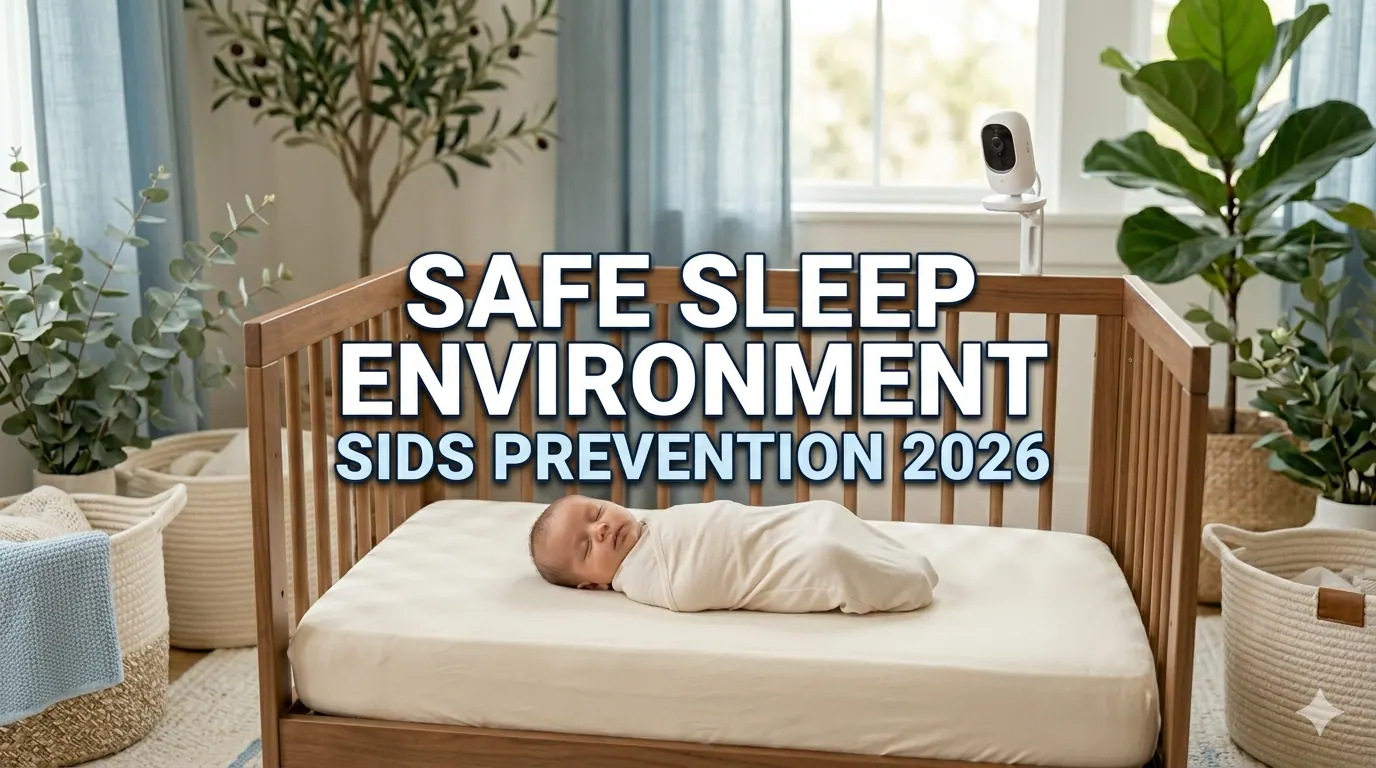
The foundation of safe sleep is a proper sleep surface. In 2026, the American Academy of Pediatrics reaffirms that infants should sleep on a firm, flat surface designed specifically for infant sleep, such as a safety-approved crib, bassinet, or portable play yard. The sleep surface must meet current safety standards, including slat spacing no wider than two and three-eighths inches, a firm mattress that fits snugly with no gaps, and no drop-side rails.
Only a fitted sheet designed for the specific mattress should cover the sleep surface. No pillows, blankets, bumpers, stuffed animals, positioners, or loose bedding should be placed in the crib. These items pose suffocation, entrapment, and strangulation risks, even if they seem soft or comforting. The bare is best approach, while it may feel stark, creates the safest possible environment for infant sleep.
Room Sharing Versus Bed Sharing Guidelines
Room-sharing, placing baby's sleep space in the parents' bedroom but on a separate surface, is recommended for at least the first six months and ideally through the first year. This arrangement facilitates feeding, comforting, and monitoring while maintaining a separate, safe sleep surface for the infant. Research shows room-sharing can reduce SIDS risk by up to fifty percent.
Bed-sharing, or co-sleeping on the same surface, carries increased risks, particularly for infants under four months, preterm babies, or when parents smoke, use medications or substances that impair arousal, or are excessively fatigued. Soft adult mattresses, pillows, and bedding further elevate risk. If bed-sharing occurs despite recommendations, families should follow harm reduction strategies: place baby on their back, ensure a firm surface, remove soft bedding, avoid gaps where baby could become trapped, and never bed-share on sofas or armchairs, which pose extreme suffocation risks.
Temperature, Clothing, and Swaddling for Safe Sleep
Preventing Overheating and Dressing Guidelines
Overheating is a recognized SIDS risk factor, yet many parents worry about babies being cold. The key is dressing infants appropriately for the room temperature without adding loose blankets. A good rule of thumb is to dress baby in no more than one additional layer than an adult would wear comfortably in the same environment.
Use wearable blankets or sleep sacks instead of loose blankets to keep baby warm safely. These products keep arms free for self-soothing while preventing fabric from covering the face. Check baby's chest or back to assess temperature; hands and feet may feel cool without indicating the baby is cold. Maintain room temperature between sixty-eight and seventy-two degrees Fahrenheit for optimal comfort and safety.
Safe Swaddling Practices and Transition Timing
Swaddling can soothe newborns by mimicking the snug feeling of the womb, but it must be done safely to avoid risks. Always place swaddled babies on their back, ensure the swaddle is snug around the arms but loose around the hips and legs to support healthy hip development, and stop swaddling once baby shows signs of attempting to roll over, typically around two to three months.
Use lightweight, breathable fabrics for swaddling and avoid overheating. Consider transition products that allow one arm out initially, then both, to help babies adjust to sleeping without full swaddling. Once rolling begins, discontinue swaddling entirely and transition to a sleep sack or other safe sleep clothing.
Monitoring Technology and Smart Nursery Considerations
Baby Monitors and Their Role in Safe Sleep
Modern baby monitors offer features like video streaming, sound activation, temperature monitoring, and even movement tracking. While these tools can provide peace of mind, it is important to understand their limitations. No monitor can prevent SIDS, and reliance on technology should not replace proven safe sleep practices.
When using monitors, prioritize audio and video functionality for checking on baby without entering the room unnecessarily. Be cautious with devices that claim to predict or prevent SIDS through movement or breathing sensors; the FDA has not cleared any consumer device for this purpose, and false alarms or false reassurance can create unnecessary stress or risky behavior.
Place monitors according to manufacturer instructions, ensuring cords are secured out of baby's reach to prevent strangulation. Regularly update firmware and use strong passwords for connected devices to protect privacy and security.
Emerging Technologies and Evidence Based Evaluation
The nursery technology market continues to expand with smart mattresses, wearable sensors, and AI-powered monitoring systems. While innovation is promising, parents should evaluate new products critically. Ask whether the technology has independent research supporting its claims, whether it has regulatory clearance for safety claims, and whether it complements rather than replaces foundational safe sleep practices.
Focus first on implementing proven strategies: back sleeping, firm surface, bare crib, room-sharing, and avoiding smoke exposure. Technology can enhance monitoring and convenience, but it should not distract from these core principles. When in doubt, consult your pediatrician about new products before incorporating them into your baby's sleep routine.
Common Mistakes and Misconceptions About Safe Sleep
Myths That Undermine Safe Sleep Practices
Despite widespread education, misconceptions about infant sleep persist. Some parents believe babies sleep better on their stomachs; while some infants may appear to sleep more deeply in this position, it significantly increases SIDS risk and is not recommended. Others think crib bumpers prevent injuries; however, bumpers pose suffocation and strangulation hazards and are banned in several states.
The belief that babies need pillows or blankets for comfort is another common myth. Infants do not require these items for comfort, and their presence increases risk. Similarly, the idea that special positioning devices prevent SIDS is unfounded; the AAP advises against using any products that claim to reduce SIDS risk through positioning, as they have not been proven effective and may create new hazards.
Well Meaning Advice That Conflicts With Guidelines
Family members, friends, or even healthcare providers may offer advice that contradicts current safe sleep recommendations. Suggestions like placing baby on their side, using a pillow for head support, or bed-sharing for bonding come from a place of care but can increase risk. Prepare gentle, evidence-based responses to share when well-meaning advice conflicts with guidelines.
Remember that recommendations evolve with research. What was common practice decades ago may no longer align with current evidence. Focus on the most up-to-date guidance from trusted sources like the American Academy of Pediatrics, CDC, or your pediatrician, and feel confident advocating for your baby's safety.
Practical Checklists for Every Stage of Infancy
Newborn to Three Months: Foundation Setup
During the earliest months, prioritize these essential practices:
- Sleep Position: Always place baby on their back for every sleep, including naps and nighttime
- Sleep Surface: Use a firm, flat crib, bassinet, or play yard with only a fitted sheet
- Room Arrangement: Keep baby's sleep space in your bedroom, close to your bed but on a separate surface
- Bedding and Items: Keep crib completely bare; no pillows, blankets, bumpers, toys, or positioners
- Clothing: Dress baby in a sleep sack or wearable blanket appropriate for room temperature
- Pacifier Use: Offer a pacifier at nap and bedtime once breastfeeding is established, if desired
- Environment: Maintain smoke-free home and avoid overheating; keep room at comfortable temperature
Four to Twelve Months: Adapting to Development
As babies grow and develop new skills, adjust your safe sleep practices accordingly:
- Rolling Babies: Continue placing baby on their back to start sleep, but if they roll over independently, you do not need to reposition them
- Swaddling Transition: Discontinue swaddling once baby shows signs of rolling; transition to sleep sacks with arms free
- Mobility Safety: Lower crib mattress as baby learns to sit, pull up, or stand to prevent falls
- Continued Room Sharing: Maintain room-sharing through at least six months, ideally one year, for ongoing protection
- Pacifier Consistency: Continue offering pacifier at sleep times if baby accepts it; do not reinsert if it falls out after baby falls asleep
- Safe Exploration: Ensure crib remains free of toys, blankets, or other items that could pose risks as baby becomes more active
Expert Tips for Building Confidence in Safe Sleep Practices
Creating Consistent Routines That Support Safety
Consistency reinforces safe sleep habits for both baby and caregivers. Develop a simple, calming pre-sleep routine that signals bedtime: a bath, gentle massage, quiet story, or soft song. Keep the routine short and predictable, ending with placing baby drowsy but awake in their safe sleep space on their back.
Communicate your safe sleep practices to all caregivers, including partners, grandparents, babysitters, and daycare providers. Provide written guidelines or share resources to ensure everyone follows the same protocols. Consistency across caregivers reduces confusion and reinforces baby's sleep associations.
Managing Anxiety and Trusting Evidence Based Practices
It is natural to worry about your baby's safety, especially during sleep. However, anxiety can lead to well-intentioned but risky choices like adding blankets for comfort or bringing baby into your bed for reassurance. Remind yourself that following evidence-based guidelines is the most powerful way to protect your infant.
If anxiety feels overwhelming, talk with your pediatrician, a mental health professional, or a trusted support person. Connecting with other parents who prioritize safe sleep can also provide reassurance and practical tips. Remember that you are doing important, loving work by creating a safe environment for your baby to rest and grow.
Frequently Asked Questions
Is it safe to use a crib bumper or sleep positioner
No, crib bumpers and sleep positioners are not recommended and may increase SIDS and suffocation risks. The American Academy of Pediatrics advises keeping the sleep area completely bare except for a fitted sheet. Bumpers can cause suffocation, strangulation, or entrapment, and positioners have not been proven to reduce SIDS risk while potentially creating new hazards. Choose a bare crib for the safest sleep environment.
What if my baby falls asleep in a car seat or swing
Car seats, swings, and other sitting devices are not recommended for routine sleep because they can allow baby's head to fall forward, potentially obstructing the airway. If your baby falls asleep in one of these devices, move them to their firm, flat sleep surface as soon as it is safe and practical. For travel, ensure car seats are used correctly for transportation but transfer baby to a safe sleep space upon arrival.
Can I use a weighted sleep sack or blanket for my baby
Weighted sleep products are not recommended for infants. The AAP advises against any weighted objects in the sleep area, as they may pose suffocation risks or interfere with baby's ability to move or breathe freely. Choose unweighted, breathable sleep sacks or wearable blankets that keep baby warm without adding weight or restriction.
How do I know if my baby is too hot or too cold during sleep
Check your baby's chest or back to assess temperature; these areas should feel warm but not sweaty. Cool hands and feet are normal and do not indicate that baby is cold. Dress baby in one more layer than you would wear comfortably, and maintain room temperature between sixty-eight and seventy-two degrees Fahrenheit. Avoid hats for sleep indoors, as babies release excess heat through their heads.
When can I introduce a lovey or comfort object to the crib
Wait until baby is at least twelve months old before introducing soft objects like loveys or small blankets to the sleep space. Before this age, any loose item poses suffocation or entrapment risks. After the first birthday, when SIDS risk declines significantly, a small, breathable comfort object can be introduced if desired, while continuing to follow other safe sleep practices.
Conclusion: Empowering Parents Through Knowledge and Action
Creating a safe sleep environment is one of the most powerful actions parents can take to reduce SIDS risks and protect their infants. While the guidelines may seem detailed, they are grounded in decades of research and represent the collective wisdom of pediatric experts committed to infant health. By implementing these evidence-based practices, you create multiple layers of protection that support your baby's safety during their most vulnerable hours.
Remember that safe sleep is not about perfection or fear; it is about informed, intentional choices that honor your baby's needs and your peace of mind. Start with the fundamentals: back sleeping, firm surface, bare crib, room-sharing, and avoiding smoke exposure. Build from there with temperature management, appropriate clothing, and thoughtful use of technology. Connect with your pediatrician, trusted resources, and supportive communities to reinforce your confidence.
Every baby deserves to sleep safely, and every parent deserves to rest with confidence. By embracing the 2026 safe sleep guidelines, you join a global community of caregivers committed to protecting the youngest and most vulnerable among us. Your attention to these practices is an act of love, a testament to your dedication, and a gift that supports your baby's healthy development and your family's wellbeing. Trust the science, follow the guidelines, and rest assured that you are providing the safest possible environment for your little one to grow and thrive.


0 Comments