

Daily Movement Patterns Shape Female Bodies
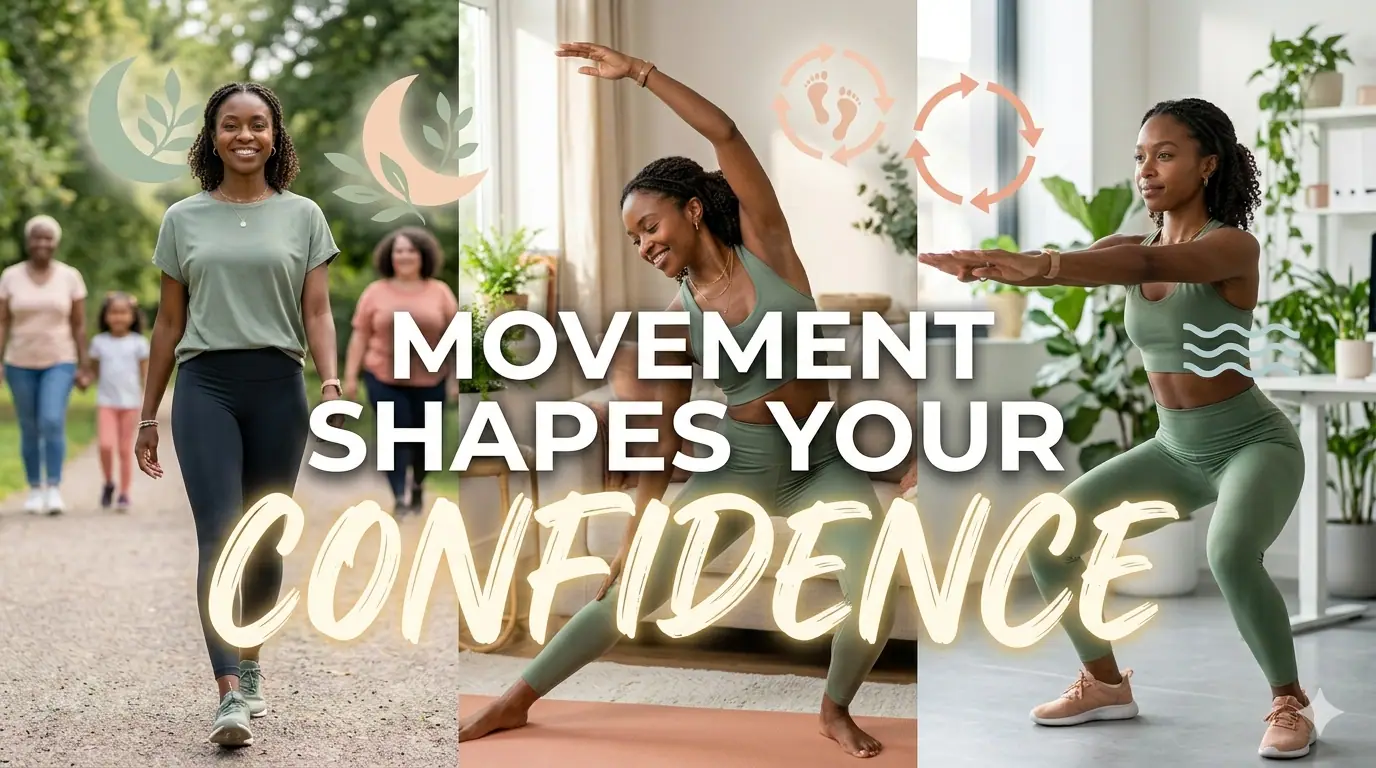
Introduction: How Everyday Movement Shapes Your Body
Your body is not just shaped by genetics or gym workouts—it is continuously molded by how you move through your day. From the way you sit at your desk to how you carry groceries, walk to work, or stand while brushing your teeth, these subtle, repeated patterns create lasting changes in your posture, muscle tone, and overall silhouette.
Quick Answer: Daily movement patterns shape female bodies by influencing muscle development, posture alignment, fat distribution, and joint health over time. Consistent habits like walking with purpose, maintaining neutral posture, and incorporating functional movements create a stronger, more balanced physique, while repetitive poor patterns can lead to imbalances, discomfort, or unwanted shape changes.
Understanding this connection empowers you to make small, sustainable adjustments that compound into significant physical and confidence benefits. This guide explores the science behind movement-based body shaping, identifies common patterns that help or hinder your goals, and provides practical strategies to align your daily habits with the strong, healthy body you deserve.
The Science: How Movement Creates Physical Change
Your body adapts to the demands you place on it—a principle called Wolff's Law for bone and the SAID principle (Specific Adaptation to Imposed Demands) for muscle and connective tissue. Every movement you repeat sends signals to your body about what to strengthen, lengthen, or release.
Quick Answer: Repetitive movement patterns stimulate muscle fibers to adapt, influence how fat is distributed through activity levels, affect posture through habitual alignment, and shape bone density through weight-bearing activity. Over months and years, these micro-adaptations create visible changes in body shape, tone, and movement quality.
Key Mechanisms Linking Movement to Body Shape
Muscle Adaptation: Muscles grow stronger and more defined when regularly challenged. Daily activities like climbing stairs, carrying bags, or standing while working engage specific muscle groups. When these movements are consistent and varied, they create balanced tone. When they are repetitive or one-sided, they can create imbalances.
Postural Alignment: How you hold your body during daily tasks trains your nervous system's "default" posture. Slouching at a desk shortens chest muscles and weakens upper back muscles, potentially creating rounded shoulders. Standing with weight shifted to one hip can create pelvic asymmetry over time.
Fat Distribution and Metabolism: Regular movement supports healthy metabolism and insulin sensitivity, influencing where and how your body stores fat. Sedentary patterns can contribute to abdominal fat accumulation, while varied activity supports balanced distribution.
Connective Tissue Health: Fascia—the web-like tissue surrounding muscles—adapts to movement patterns. Repetitive motions without variation can cause fascia to become stiff or restricted, affecting how your body moves and appears.
Bone Density: Weight-bearing movements like walking, dancing, or lifting stimulate bone remodeling, supporting strong posture and reducing age-related shape changes like height loss or kyphosis.
Daily Movement Patterns That Shape Female Bodies
Not all movement is created equal. Some everyday habits powerfully support a strong, balanced physique, while others subtly work against your goals.
Walking: The Foundation of Functional Shape
Quick Answer: Walking with purpose—engaging your core, swinging arms naturally, and maintaining upright posture—strengthens legs, glutes, and core while supporting healthy metabolism and posture. Aim for 7,000-10,000 steps daily with varied terrain when possible.
How you walk matters as much as how much you walk. A mindful stride with heel-to-toe roll, engaged glutes, and relaxed shoulders creates balanced lower body development. Shuffling steps, looking down at your phone, or carrying heavy bags on one side can create muscular imbalances or postural strain over time.
Optimize your walk:
- Keep your gaze forward, not down at your phone
- Swing arms naturally to engage upper body
- Engage your core gently as if zipping up a snug pair of jeans
- Roll from heel to toe with each step
- Vary your routes to include hills or uneven surfaces for added challenge
Sitting Patterns: The Hidden Shape-Shaper
Many women spend 6-10 hours daily sitting—for work, commuting, or relaxation. How you sit profoundly influences your posture, muscle length, and even how clothing fits.
Common sitting patterns and their effects:
- Slouching with rounded shoulders: Shortens chest muscles, weakens upper back, can create a "hunched" appearance and make the bust appear lower
- Sitting with legs crossed: Can create pelvic asymmetry over time, potentially affecting hip alignment and how pants fit
- Perching on the edge of your chair: Overworks hip flexors and lower back, potentially contributing to anterior pelvic tilt
- Sitting with feet tucked under: Can strain knees and limit circulation, affecting lower leg tone
Quick Answer: To support balanced body shape while sitting, keep feet flat, hips back in your chair, spine tall with natural curves, and take a 1-2 minute movement break every 30 minutes to reset posture and circulation.
Standing and Weight-Bearing Habits
How you stand while waiting in line, cooking, or brushing your teeth trains your body's default alignment.
Pattern to avoid: Locking knees, shifting weight to one hip ("hip-hiking"), or standing with shoulders rounded forward. These habits can create muscular imbalances, joint strain, or postural changes visible in how your clothes hang.
Supportive pattern: Stand with feet hip-width apart, weight evenly distributed, knees soft (not locked), pelvis neutral, and shoulders relaxed back and down. This "ready stance" engages core stabilizers and promotes balanced muscle development.
Carrying and Lifting Patterns
How you carry your purse, groceries, or children influences shoulder alignment, core engagement, and spinal health.
Quick Answer: Distribute weight evenly when possible—use a backpack instead of a one-shoulder bag, carry grocery bags in both hands, and lift with your legs (not your back) to protect your spine and promote balanced muscle development.
Regularly carrying heavy loads on one side can elevate one shoulder, rotate the spine slightly, or create asymmetrical muscle development. Switching sides frequently or using ergonomic carrying tools helps maintain balance.
Sleeping Positions and Recovery
How you sleep affects spinal alignment, muscle recovery, and even facial symmetry over time.
Supportive positions:
- On your back with a pillow under knees: Supports neutral spine alignment
- On your side with a pillow between knees: Keeps hips stacked and spine neutral
- Using a supportive pillow that keeps your neck aligned with your spine
Pattern to reconsider: Stomach sleeping can strain your neck and lower back, potentially contributing to postural imbalances that affect how your body moves and appears during waking hours.
Common Movement Mistakes That Reshape Bodies Unintentionally
Even with good intentions, subtle habits can work against your body-shaping goals.
The Phone Neck Pattern
Looking down at your phone for extended periods creates "text neck"—forward head posture that strains neck muscles, rounds shoulders, and can contribute to a less-defined jawline appearance over time.
Fix: Hold devices at eye level when possible. Practice chin tucks: gently draw your chin straight back as if making a "double chin," hold 3 seconds, release. Repeat 5-10 times hourly.
The One-Sided Carry
Always carrying your bag, child, or groceries on the same side creates muscular imbalances. One shoulder may sit higher, one hip may hike, and your spine may adapt with a subtle curve.
Fix: Switch sides consciously. Use crossbody bags to distribute weight. Strengthen both sides equally with exercises like single-arm rows or farmer's carries.
The Static Sitting Trap
Sitting for hours without movement breaks allows muscles to stiffen, circulation to slow, and posture to degrade. Over time, this can contribute to a softer midsection appearance and reduced energy for movement.
Fix: Set a timer for every 30 minutes. Stand, stretch, walk for 60 seconds. Simple resets like shoulder rolls, chest openers, or gentle spinal twists make a difference.
The All-or-Nothing Exercise Mindset
Many women wait for time to do a "real workout" while neglecting the shaping power of daily movement. This creates a gap between gym efforts and everyday habits.
Fix: View all movement as valuable. Take the stairs. Park farther away. Dance while cooking. These micro-moments compound into meaningful physical adaptation.
Practical Strategies to Optimize Daily Movement
You do not need hours at the gym to shape your body through movement. Small, consistent adjustments create lasting change.
Create Movement Snacks
Quick Answer: "Movement snacks" are 1-3 minute bursts of intentional activity sprinkled throughout your day—like calf raises while brushing teeth, desk squats during calls, or shoulder rolls during commutes. These micro-habits build strength and awareness without requiring dedicated workout time.
Easy movement snacks to try:
- While waiting for coffee: 10 calf raises
- During phone calls: March in place or do gentle torso twists
- At red lights: Practice deep belly breathing with core engagement
- Before bed: 2 minutes of gentle stretching for hips and shoulders
Practice Posture Awareness
Set gentle reminders to check your alignment. Use cues like:
- "Ears over shoulders, shoulders over hips"
- "Grow tall through the crown of your head"
- "Soften your jaw and breathe"
Pair these checks with existing habits—every time you open a door, send a text, or take a sip of water, use it as a posture reset opportunity.
Incorporate Functional Strength
Choose movements that mirror real-life activities to build practical strength that shapes your body for daily life.
Examples:
- Squat to pick up items instead of bending at the waist
- Carry groceries with both hands, engaging your core
- Take stairs two at a time to engage glutes
- Reach overhead for items to maintain shoulder mobility
These patterns build balanced muscle while making daily tasks easier.
Move With Variety
Your body adapts to repetition. Prevent plateaus and imbalances by varying your movement patterns.
Simple ways to add variety:
- Walk different routes with varied terrain
- Switch which arm you use for repetitive tasks
- Try a new dance style or movement class monthly
- Alternate between sitting, standing, and moving while working
Variety challenges your body in new ways, promoting balanced development and preventing overuse patterns.
Listen to Your Body's Feedback
Pain, stiffness, or fatigue are signals—not failures. Use them to adjust your patterns.
Quick Answer: If a movement pattern causes discomfort, pause and assess. Is your form aligned? Are you overdoing one side? Do you need more recovery? Adjusting early prevents long-term imbalances and supports sustainable body shaping.
Keep a simple movement journal: note what feels good, what feels challenging, and how your body responds to different patterns. This awareness guides smarter choices.
Movement Patterns for Different Life Stages
Your movement needs evolve—and honoring these changes supports lifelong body confidence.
20s-30s: Building Foundational Patterns
This is an ideal time to establish varied, consistent movement habits. Focus on:
- Exploring different movement styles to find what you enjoy
- Building strength and mobility foundations
- Practicing posture awareness during career-building years
- Creating sustainable routines that fit a busy lifestyle
40s-50s: Adapting to Hormonal Shifts
As estrogen declines, muscle preservation and bone health become priorities. Emphasize:
- Strength training 2-3x weekly to combat sarcopenia
- Weight-bearing movement like walking or dancing for bone density
- Flexibility work to maintain joint mobility
- Recovery practices like rest days and quality sleep
60s and Beyond: Prioritizing Function and Joy
Movement becomes about maintaining independence and vitality. Focus on:
- Balanced exercises that support daily tasks (getting up from chairs, carrying items)
- Fall prevention through balance work (heel-to-toe walks, single-leg stands)
- Social movement like group walks or dance classes for motivation
- Gentle consistency over intensity
Quick Answer: At every age, the most impactful movement pattern is consistency—not perfection. Small, regular habits create more lasting change than occasional intense efforts.
FAQs: Movement and Body Shape Questions Answered
Can daily movement really change my body shape without gym workouts?
Yes. Consistent, varied daily movement builds functional strength, supports healthy metabolism, and improves posture—all of which influence how your body looks and feels. While targeted exercise accelerates results, everyday habits form the foundation of lasting change.
How long does it take to see changes from better movement patterns?
Posture improvements can be immediate when consciously corrected. Visible changes in muscle tone or body composition typically emerge after 4-8 weeks of consistent practice. Long-term shape changes compound over months and years of sustainable habits.
Do I need special equipment to optimize my daily movement?
No. Bodyweight movements, mindful walking, posture awareness, and simple household items (like water bottles for light weights) are highly effective. The key is consistency and intention, not equipment.
Can poor movement patterns cause pain or injury?
Yes. Repetitive poor posture or one-sided movements can create muscular imbalances, joint strain, or nerve compression over time. Addressing patterns early prevents discomfort and supports lifelong mobility.
Is it too late to change my movement habits after 40 or 50?
Absolutely not. Research confirms that muscle can be built, posture improved, and mobility enhanced at any age. Start where you are, progress gradually, and celebrate small wins. Your body responds to consistent, kind attention at every stage.
How do I stay motivated to maintain better movement patterns?
Focus on how movement makes you feel—more energized, less stiff, more confident—rather than just appearance. Pair new habits with enjoyable activities (listen to podcasts while walking, dance while cooking). Track non-scale victories like improved sleep or easier daily tasks.
Should I track my steps or movement time?
Tracking can provide helpful awareness, but avoid letting numbers create stress. Use data as a gentle guide, not a judgment. If tracking feels motivating, aim for consistency over perfection. If it feels burdensome, focus on intuitive movement instead.
Can movement patterns affect how clothes fit?
Definitely. Improved posture elongates your torso and lifts your chest, often making tops and dresses hang more flatteringly. Balanced muscle development creates smoother lines under clothing. Many women notice clothes fitting better before significant weight changes occur.
Expert Insights: Wisdom for Sustainable Movement
Learning from professionals who specialize in movement, wellness, and women's health provides valuable perspective.
Physical Therapist Dr. Lena Chen: "Your body is designed to move in many ways. Variety isn't just interesting—it is essential for balanced development and injury prevention. Mix walking, strength, flexibility, and rest."
Functional Fitness Coach Maya Johnson: "Don is t wait for the perfect workout. The squat you do to pick up your child, the stairs you take instead of the elevator—these are the movements that truly shape your life and your body."
Posture Specialist Anika Patel: "Awareness precedes change. Before you can adjust a pattern, you must notice it. Practice gentle curiosity about how you move, not criticism. That mindset shift unlocks lasting progress."
Wellness Researcher Dr. Sofia Martinez: "Movement is medicine for body and mind. The women who thrive long-term aren is t the ones with the most intense routines—they are the ones who found joyful, sustainable ways to stay active within their real lives."
Conclusion: Your Body Is Shaped by How You Live
Every step you take, every way you sit, every time you reach, lift, or stretch sends a message to your body about what to strengthen, what to release, and how to adapt. These messages, repeated daily, create the physical form you see in the mirror.
Understanding this connection is empowering. You are not stuck with the shape your habits have created—you can consciously choose new patterns that support the strong, confident, capable body you deserve.
Start small. Pick one pattern to adjust this week: hold your phone at eye level, take the stairs, or practice a posture reset every hour. Notice how it feels. Build from there.
Your body has carried you through countless moments of joy, challenge, growth, and love. Honor it with movement that feels good, supports your health, and aligns with the life you want to live. Shape your days, and your body will follow.
Remember: progress, not perfection. Consistency, not intensity. Kindness, not criticism. Your journey is uniquely yours—move forward with patience, curiosity, and the knowledge that every mindful step counts.


0 Comments