

Digital Garden Curation and Mindful Content Strategy
Introduction to Digital Garden Curation
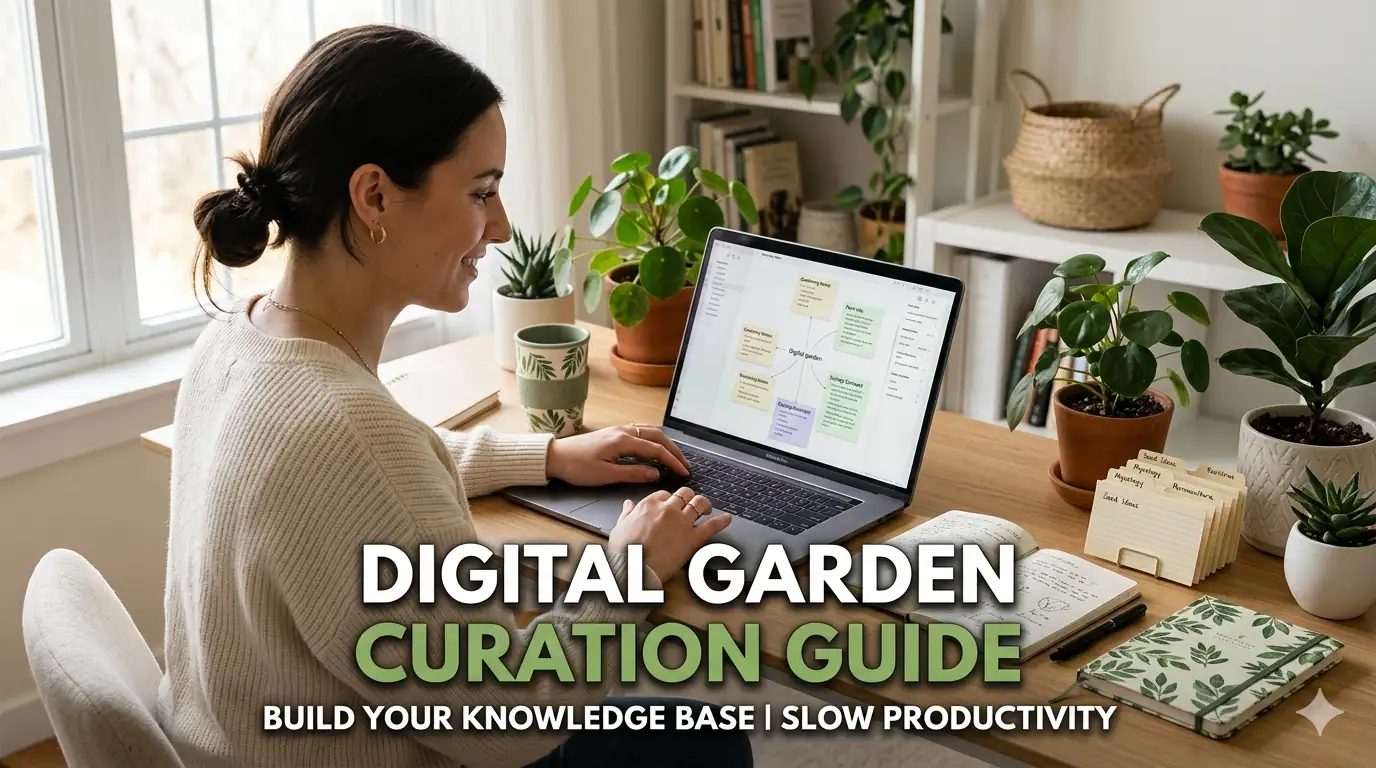
The modern digital landscape has become overwhelmingly noisy. Endless scrolling, algorithmic feeds, and the relentless pressure to maintain constant online visibility have left many creators, wellness advocates, and everyday users feeling mentally exhausted. In response, a quiet but powerful movement has emerged: digital garden curation. This approach reimagines how we share ideas, document personal growth, and connect with others online by replacing the chaotic, attention-driven mechanics of traditional social media with intentional, ever-growing, and deeply personal web spaces.
A digital garden is not a traditional blog, a portfolio, or a social profile. It is a living, evolving collection of notes, reflections, essays, and resources that grow organically over time. Instead of posting for immediate validation or chasing viral trends, digital gardeners focus on planting seeds of thought, nurturing ideas through updates and revisions, and creating a calm, reader-friendly environment. For lifestyle, beauty, and wellness creators, this model aligns perfectly with values of mindfulness, authenticity, and sustainable self-expression.
This comprehensive guide explores why digital garden curation is replacing traditional social media for conscious creators. We examine the psychological impact of algorithmic fatigue, walk through the technical and creative steps for building your own digital garden, share content strategies that prioritize depth over speed, and provide expert insights for maintaining long-term consistency. Whether you are looking to escape comparison culture, build a meaningful online presence, or simply document your wellness journey with intention, learning how to cultivate a digital garden will transform your relationship with the internet.
Understanding the Shift from Social Media to Digital Gardens
The Algorithmic Fatigue Problem
Traditional social media platforms are engineered for engagement, not wellbeing. Algorithms prioritize content that triggers emotional reactions, controversy, or rapid consumption, which often leads to a cycle of posting, waiting for metrics, feeling disappointed, and trying again. This dynamic creates algorithmic fatigue, a state of mental exhaustion where creators feel forced to adapt their authentic voice to fit platform trends rather than genuine audience needs. The constant pressure to produce, perform, and optimize drains creative energy and diminishes the joy of sharing.
Furthermore, social media feeds are ephemeral. A beautifully crafted post disappears within hours, buried by new updates regardless of its quality or long-term value. This temporary nature discourages deep research, thoughtful revision, and sustained exploration of complex topics. Many wellness and lifestyle creators find themselves stuck in a hamster wheel of short-form content that lacks depth, longevity, or meaningful connection. Digital garden curation directly addresses these limitations by removing the timeline entirely and replacing it with a permanent, organically growing space.
What Exactly is a Digital Garden
A digital garden is a personal website designed around the concept of progressive growth rather than chronological posting. Unlike traditional blogs that display content in reverse date order, digital gardens organize ideas by theme, project, or conceptual relationships. Entries are treated as living documents that are continuously updated, refined, and cross-linked as your understanding evolves. You might start with a rough observation, return to it weeks later with new research, add personal reflections, and eventually transform it into a comprehensive guide.
The core philosophy embraces imperfection and continuous development. Instead of waiting for content to be flawless before publishing, digital gardeners share works in progress, allowing readers to witness the natural progression of thought. This approach removes the pressure of perfectionism while fostering genuine curiosity and intellectual honesty. For creators in the beauty, health, and lifestyle space, a digital garden becomes a curated sanctuary where wellness routines, product explorations, personal growth insights, and mindful practices can be documented with authenticity and depth.
Psychological and Wellness Benefits of Slow Digital Spaces
Reducing Cognitive Load and Comparison Culture
One of the most significant advantages of digital garden curation is the dramatic reduction in cognitive load. Social media demands constant context switching, rapid decision-making about what to post, and ongoing monitoring of engagement metrics. This mental overhead fragments attention and triggers stress responses. A digital garden eliminates these demands by operating on your schedule, not an algorithm. You create when inspired, refine when ready, and share without expectation of immediate feedback.
Additionally, digital gardens actively counteract comparison culture. Without public like counts, follower metrics, or viral validation systems, you are free to focus on content quality and personal resonance. The absence of quantitative validation shifts your motivation from external approval to internal satisfaction. This psychological shift is particularly valuable for wellness creators whose message centers around self-compassion, mindful living, and sustainable habits. Your digital space becomes a reflection of your values rather than a performance for invisible judges.
Reclaiming Creative Ownership and Authentic Expression
When you build a digital garden, you own your platform completely. Unlike social media accounts that can be suspended, shadowbanned, or redesigned without user consent, a personal website remains under your control. This ownership empowers you to design navigation, typography, color palettes, and content structures that align with your aesthetic and ethical standards. You decide what to highlight, how to organize information, and which communities you invite to participate.
Authentic expression thrives in environments where vulnerability is welcomed and growth is visible. Digital gardens encourage you to share incomplete thoughts, evolving perspectives, and honest reflections without fear of backlash. Readers who visit your space appreciate the transparency and often respond with deeper engagement, thoughtful comments, or direct messages. This qualitative connection replaces superficial interactions with meaningful dialogue, reinforcing your confidence and sustaining long-term creative motivation.
Step-by-Step Guide to Building Your Digital Garden
Choosing the Right Platform and Tools
The foundation of any successful digital garden is a platform that supports flexible content organization, easy updating, and clean design. You do not need advanced coding skills to create a professional digital space. Several user-friendly options cater to different technical comfort levels and creative preferences.
For beginners seeking simplicity, website builders like Carrd, Squarespace, or Notion offer drag-and-drop interfaces with customizable templates. Notion is particularly popular among digital gardeners because of its database functionality, which allows you to tag, link, and filter notes effortlessly. If you prefer complete design control, WordPress with lightweight themes or static site generators like Hugo and Obsidian Publish provide robust frameworks for long-term growth. The key is selecting a platform that prioritizes readability, fast loading speeds, and straightforward content management.
When evaluating tools, consider your long-term goals. If you plan to monetize through courses, affiliate recommendations, or digital products, choose a platform with integrated e-commerce or newsletter capabilities. If your focus is purely on sharing knowledge and personal reflections, prioritize minimalism and seamless writing experiences over complex features. Start simple, and expand functionality as your garden matures.
Designing for Readability and Calm Navigation
Visual design directly impacts how visitors experience your content. A cluttered interface with aggressive pop-ups, autoplay videos, or distracting animations contradicts the mindful ethos of a digital garden. Instead, embrace clean typography, generous whitespace, and a muted, nature-inspired color palette that reduces eye strain and promotes focus.
Navigation should be intuitive and thematic rather than chronological. Organize your garden into main pathways such as Wellness Practices, Mindful Living, Product Explorations, or Personal Reflections. Use clear menu labels and avoid overwhelming visitors with too many options. Implement a robust search function and tag system so readers can explore interconnected ideas organically. Include a gentle call-to-action inviting visitors to subscribe to updates rather than demanding immediate engagement through social sharing buttons.
Mobile responsiveness is non-negotiable. Many visitors will access your garden from phones or tablets, so ensure text scales comfortably, buttons are easily tappable, and images optimize automatically across devices. Test your site regularly to maintain fast loading times and smooth performance, as technical friction quickly drives readers away.
Structuring Content for Long-Term Growth
Content architecture determines whether your digital garden thrives or becomes a disorganized archive. Instead of treating each post as a standalone item, design your content as an interconnected network of ideas. Use internal linking strategically to guide readers from foundational concepts to advanced insights. Create evergreen cornerstone pages that serve as entry points to deeper topics, and link newer reflections back to these established foundations.
Implement a progressive status system to communicate content maturity. Many digital gardeners use visual indicators such as seedling for rough drafts, budding for developing ideas, and evergreen for fully refined pieces. This transparency sets reader expectations, encourages ongoing visits as content evolves, and removes the pressure to publish polished work immediately. Over time, your garden transforms from a collection of isolated notes into a cohesive knowledge ecosystem.
Content Strategies That Nurture Rather Than Exhaust
Evergreen Writing and Progressive Disclosure
The core of digital garden curation lies in evergreen writing. Unlike trending content that expires quickly, evergreen pieces remain relevant for months or years. Focus on topics that address fundamental questions, share timeless wellness principles, or document personal practices that evolve gradually. Write with clarity, cite reputable sources when discussing health or nutrition, and prioritize depth over breadth.
Progressive disclosure enhances the reading experience by revealing information in logical layers. Start with a concise summary or personal anecdote, then expand into detailed explanations, practical steps, and reflective conclusions. Use subheadings, bullet points, and short paragraphs to improve scanability. Readers should feel guided through your thought process rather than overwhelmed by dense blocks of text. This approach respects their time while delivering substantial value.
Linking Ideas and Building Personal Knowledge Networks
True digital gardening goes beyond publishing articles; it involves cultivating relationships between ideas. When you discover a connection between two seemingly unrelated topics, such as sleep hygiene and creative productivity, create a dedicated link between those pages. Add brief annotations explaining why the connection matters, what insights emerged, and how readers might apply it to their own lives.
This practice transforms your garden into a personal knowledge management system that grows smarter over time. As you revisit old notes, you will notice patterns, contradictions, and emerging themes that inform future content. Many creators find that their most valuable work originates from these cross-pollinated insights rather than isolated brainstorming sessions. Regularly review your linking structure, prune outdated connections, and nurture high-value pathways to maintain clarity and relevance.
Integrating Lifestyle and Wellness Practices
Your digital garden should reflect your holistic approach to wellbeing. Integrate practical wellness elements directly into your content strategy. Share morning routines, digital detox methods, mindful movement practices, or sustainable beauty habits with actionable guidance. Include downloadable resources such as printable habit trackers, reflection prompts, or seasonal wellness calendars that readers can implement immediately.
Document your own journey transparently. If you are experimenting with a new skincare routine, nutritional approach, or stress management technique, share your observations honestly. Note what worked, what did not, and how you adjusted your strategy. This authentic documentation builds trust and positions your garden as a reliable companion for readers navigating similar paths. Remember that wellness is deeply personal; frame your experiences as invitations rather than prescriptions.
Growing Your Audience Without Algorithms
Cultivating Intentional Community and Direct Connections
Without algorithmic amplification, audience growth relies on intentional relationship building. Focus on quality over quantity by attracting readers who genuinely align with your values and interests. Encourage direct communication through email subscriptions, thoughtful comment sections, or private community spaces like Discord or Circle. Respond personally to messages, acknowledge reader contributions, and feature community insights in your updates to foster mutual respect.
Host occasional digital gatherings such as virtual reading circles, wellness check-ins, or collaborative journaling sessions. These low-pressure events deepen connections without requiring constant content production. By nurturing a small, engaged audience, you create a sustainable ecosystem where your work reaches the right people at the right time. Word-of-mouth recommendations from satisfied readers often prove more effective than viral reach because they carry genuine trust and context.
Leveraging Newsletters and Direct Sharing Channels
Email newsletters remain one of the most reliable methods for maintaining consistent contact with your audience. A weekly or biweekly newsletter allows you to share new garden entries, behind-the-scenes reflections, and curated resources directly to inboxes without platform interference. Keep your emails concise, valuable, and aligned with your garden theme. Avoid aggressive marketing tactics; instead, position your newsletter as a quiet companion delivering thoughtful insights.
Share your digital garden selectively through existing networks. Recommend specific pages to friends, colleagues, or community members who would genuinely benefit from the content. Participate in relevant online forums, wellness groups, or creative collectives by offering helpful advice and linking to your garden only when appropriate. Authentic contribution builds reputation organically, while strategic sharing ensures your work reaches receptive audiences who will engage meaningfully.
Common Mistakes to Avoid When Starting a Digital Garden
Overcomplicating Design and Features
New digital gardeners often fall into the trap of installing excessive plugins, experimenting with complex layouts, or chasing aesthetic trends before establishing consistent content habits. These distractions drain energy and delay actual publishing. Start with a simple, functional design and prioritize writing over customization. You can always refine the visual experience later once your foundational content is established. Remember that readers value clarity and substance over decorative complexity.
Treating It Like a Traditional Social Profile
Attempting to replicate social media behaviors on a personal website defeats the purpose of digital garden curation. Posting daily updates for the sake of consistency, obsessing over visitor counts, or feeling pressured to respond instantly to every message reintroduces the exact stressors you aimed to escape. Embrace a slower, more deliberate rhythm. Allow ideas to mature before sharing, set healthy boundaries around communication, and measure success by personal satisfaction and reader impact rather than quantitative metrics.
Neglecting Maintenance and Regular Updates
A digital garden requires gentle but consistent attention to remain vibrant. Abandoning your space after initial setup leads to outdated information, broken links, and a stagnant appearance that discourages return visits. Schedule monthly review sessions to update older entries, fix navigation issues, add new connections, and prune irrelevant content. Treat your garden as a living practice rather than a one-time project, and the cumulative benefits will compound steadily over time.
Expert Tips for Long-Term Sustainability
Establish a Realistic Publishing Rhythm
Sustainability depends on aligning your content creation with your actual lifestyle and energy levels. Instead of forcing rigid deadlines, develop a flexible publishing rhythm that accommodates natural fluctuations in motivation and availability. Aim for meaningful contributions rather than frequent posts. One well-researched, thoughtfully linked entry per month often delivers more long-term value than several rushed updates. Track your creative energy patterns and schedule writing sessions during your most focused periods.
Embrace Iteration and Public Learning
Your digital garden will never be perfect, and that is entirely intentional. Public learning invites readers into your growth process, creating authentic engagement and reducing performance anxiety. When you make mistakes, discover new information, or change your perspective, update the relevant entry transparently. Note the date of revision, explain what shifted, and invite readers to share their own evolving thoughts. This iterative approach builds intellectual humility and demonstrates that wisdom develops through continuous exploration rather than static certainty.
Protect Your Creative Energy with Boundaries
Maintaining a healthy relationship with your digital garden requires firm boundaries around consumption and creation. Limit time spent analyzing visitor statistics, comparing your space to others, or responding to unproductive criticism. Schedule dedicated offline periods to recharge, engage in real-world wellness practices, and gather fresh inspiration. Remember that your garden exists to serve your creative expression and audience connection, not to become another source of digital obligation. Protect your peace, and your content will naturally reflect that balance.
Frequently Asked Questions
How much time does it take to maintain a digital garden?
Maintaining a digital garden typically requires two to four hours per week once the initial setup is complete. This time includes writing new entries, updating existing content, managing internal links, and reviewing audience feedback. Because you control the pace, you can adjust your commitment based on seasonal energy levels, personal responsibilities, and creative flow. The key is consistency rather than volume, allowing your space to grow organically without overwhelming your schedule.
Can I monetize a digital garden without compromising its mindful ethos?
Yes, monetization aligns with digital garden principles when approached transparently and value-driven. Consider offering premium guides, curated wellness resources, or optional membership tiers that provide exclusive content and community access. Affiliate partnerships should only include products you genuinely use and trust, with clear disclosures. Avoid intrusive advertisements or aggressive sales funnels. When monetization enhances reader experience rather than exploiting attention, it supports sustainable creation while preserving the calm, intentional atmosphere your garden cultivates.
Do I need technical skills to start a digital garden?
Basic digital literacy is sufficient for launching a digital garden. Modern platforms offer intuitive interfaces that require no coding knowledge. You can begin with drag-and-drop builders, pre-designed templates, and straightforward content editors. As your confidence grows, you can explore advanced customization options at your own pace. Focus first on organizing your thoughts and establishing consistent publishing habits. Technical enhancements can be added gradually as your vision clarifies.
How do I handle negative comments or criticism in my digital garden?
Your digital garden operates under your complete moderation control. Enable comment approval filters, disable commenting entirely on sensitive topics, or implement community guidelines that promote respectful dialogue. Address constructive feedback thoughtfully, but disregard unproductive negativity without engagement. Remember that your space prioritizes mindful exchange over viral debate. Protecting the tone of your garden ensures it remains a safe, nourishing environment for both you and your readers.
What content formats work best for digital gardening?
Digital gardens thrive on flexible, evolving formats rather than rigid structures. Long-form essays, reflective journal entries, practical guides, curated resource lists, and multimedia reflections all integrate well. The most successful gardens blend personal narrative with actionable insights, allowing readers to connect emotionally while gaining practical value. Experiment with different formats, observe which resonate most with your audience, and refine your approach based on ongoing feedback and personal creative satisfaction.
Conclusion: Cultivating Meaningful Digital Spaces
Transitioning from traditional social media to digital garden curation represents a profound shift in how we engage with the internet. Rather than performing for algorithms and chasing fleeting validation, you create a lasting sanctuary for authentic expression, continuous learning, and intentional connection. This approach aligns seamlessly with wellness principles, emphasizing mindfulness, sustainability, and self-compassion over productivity pressure and comparison culture.
Building your digital garden requires patience, deliberate design choices, and a commitment to long-term nurturing. Start small, focus on evergreen content, embrace iterative growth, and protect your creative energy with healthy boundaries. As your space matures, it will become more than a website; it will evolve into a living archive of your insights, a trusted resource for like-minded individuals, and a testament to the power of slow, intentional digital living.
The internet does not need more noise. It needs more gardens. By choosing to cultivate your own digital space with care, purpose, and authenticity, you contribute to a healthier, more meaningful online ecosystem. Begin planting your seeds today, tend to them consistently, and watch as your thoughts blossom into lasting impact.


0 Comments