

Gender-Neutral Nursery Decor: 2026 Color Palette Trends
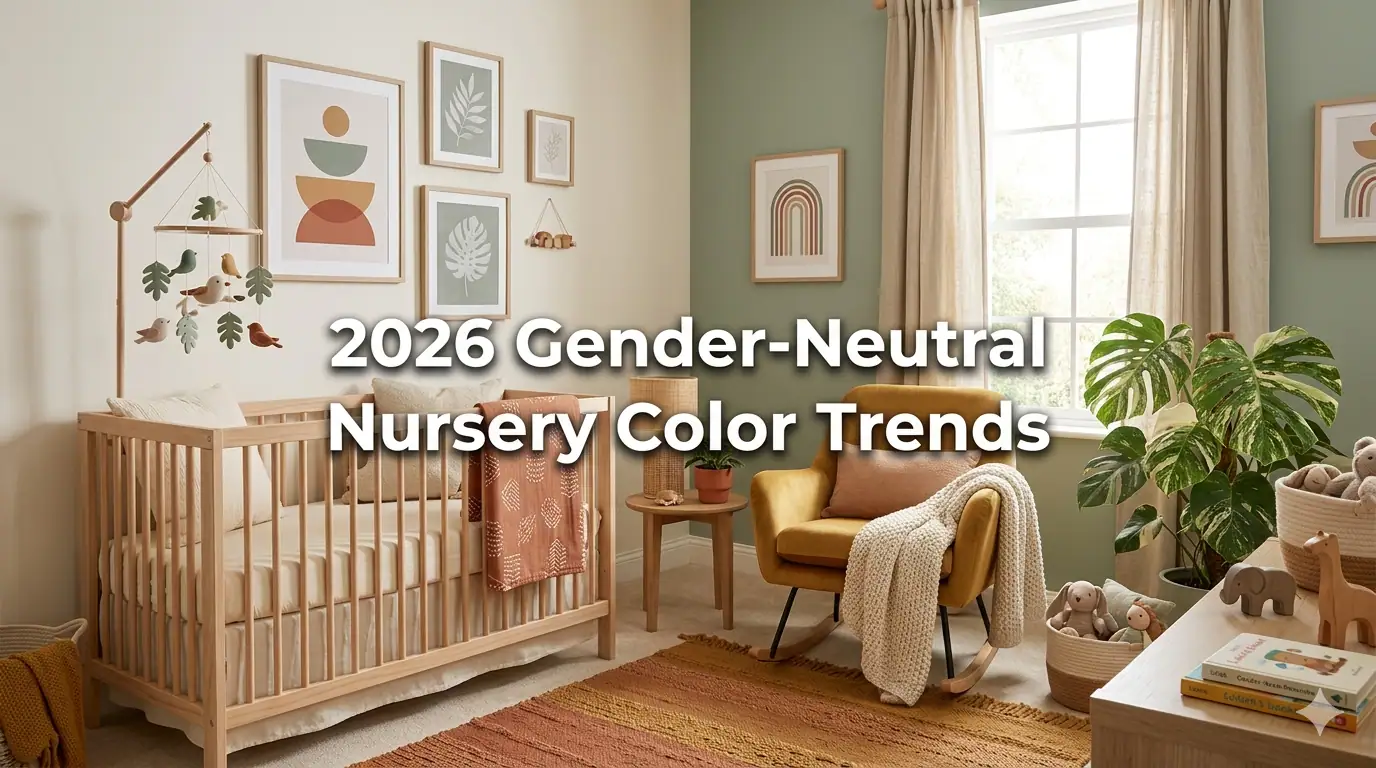
The nursery design landscape is experiencing a beautiful transformation in 2026, with gender-neutral decor moving from alternative choice to mainstream preference. As parents increasingly prioritize inclusivity, sustainability, and timeless design over traditional pink-and-blue binaries, the demand for sophisticated, gender-neutral nursery color palettes has never been stronger. This shift reflects broader cultural changes toward gender inclusivity, environmental consciousness, and a desire for spaces that grow with the child rather than confine them to stereotypical color schemes.
The 2026 gender-neutral nursery trends embrace warm, earthy tones, sophisticated neutrals, and nature-inspired palettes that create calming, inclusive spaces. Gone are the days when "gender-neutral" meant boring beige or sterile white. Today's parents are choosing rich sage greens, warm terracottas, soft ochres, muted lavenders, and complex neutrals that create depth, warmth, and visual interest while remaining completely inclusive.
This comprehensive guide explores the top gender-neutral nursery color palette trends for 2026, providing you with specific color combinations, design strategies, and practical tips for creating a beautiful, inclusive nursery that reflects modern values and timeless style. Whether you're expecting your first child, redesigning a nursery, or simply seeking inspiration for inclusive design, you'll discover the colors, combinations, and design principles that define gender-neutral nursery design in 2026.
Why Gender-Neutral Nurseries Are Trending in 2026
Understanding the cultural and practical forces driving this trend helps inform your design decisions and explains why these palettes resonate with modern parents.
Cultural Shift Toward Inclusivity
Today's parents are more aware of gender diversity and the importance of creating inclusive environments from the earliest stages. Gender-neutral nurseries:
- Avoid limiting stereotypes: Move beyond "boys like blue, girls like pink" messaging
- Support gender exploration: Allow children to develop their own identity without color-coded expectations
- Promote equality: Treat all genders with equal respect and opportunity from birth
- Reflect modern values: Align nursery design with contemporary understanding of gender as a spectrum
Practical Benefits
Beyond values, gender-neutral design offers tangible advantages:
- Reusability: Gender-neutral nurseries can be reused for future children regardless of gender, saving money and reducing waste
- Timelessness: Earth tones and sophisticated neutrals don't go out of style like trendy gendered colors
- Resale value: Gender-neutral furniture and decor have broader appeal for resale or donation
- Flexibility: Easier to update and adapt as child's preferences evolve
Sustainability Considerations
Modern parents increasingly prioritize environmental responsibility:
- Gender-neutral designs typically use natural, sustainable materials
- Reusable across multiple children, reducing consumption
- Earth-tone palettes often incorporate eco-friendly, low-VOC paints
- Timeless design means less frequent redecorating
Top Gender-Neutral Color Palettes for 2026
These trending color combinations define gender-neutral nursery design in 2026, each offering unique aesthetic and emotional qualities.
1. Sage Green & Warm Neutrals
The Palette:
- Primary: Sage green (soft, muted green with gray undertones)
- Secondary: Warm white, cream, or ivory
- Accent: Natural wood tones, rattan, soft terracotta
- Metal: Brushed brass or matte black
Why It Works: Sage green connects to nature, promoting calm and tranquility. It's soothing without being gendered, sophisticated without being cold. This palette creates a serene, organic atmosphere that supports sleep and relaxation.
Specific Color Combinations:
- Sage green walls (Benjamin Moore "October Mist" or Sherwin-Williams "Clary Sage")
- Cream trim and ceiling
- Natural wood crib and furniture
- Terracotta or rust-colored textiles for warmth
- White or cream bedding with green accents
Design Tips:
- Use sage as an accent wall rather than all walls if concerned about overwhelming the space
- Layer different shades of green for depth (sage, olive, eucalyptus)
- Add texture through woven baskets, macramé, and natural fibers
- Incorporate live plants (safe, non-toxic varieties) to enhance the nature connection
2. Warm Terracotta & Cream
The Palette:
- Primary: Warm terracotta, burnt orange, or clay
- Secondary: Cream, warm white, or soft beige
- Accent: Mustard yellow, soft coral, or dusty rose
- Metal: Brass or copper accents
Why It Works: Terracotta brings warmth, energy, and earthiness without gender associations. This palette feels cozy, inviting, and grounded, creating a nurturing environment that's both stimulating and calming.
Specific Color Combinations:
- Terracotta accent wall (Sherwin-Williams "Cavern Clay" or Benjamin Moore "Mexican Tile")
- Cream or warm white on remaining walls
- Natural wood or white furniture
- Mustard or coral textiles for playful accents
- Jute or natural fiber rugs
Design Tips:
- Use terracotta sparingly if concerned about intensity—one accent wall or through textiles
- Balance warm terracotta with cool elements (white, natural wood) to prevent overwhelming warmth
- Layer different earth tones (terracotta, rust, ochre) for sophisticated depth
- Add greenery to complement the earth tones and add freshness
3. Soft Gray & Blush Pink
The Palette:
- Primary: Warm gray or greige (gray-beige)
- Secondary: Soft blush pink or dusty rose
- Accent: Cream, white, or soft peach
- Metal: Rose gold or brushed nickel
Why It Works: This palette softens traditional gendered colors by pairing them with sophisticated neutrals. The blush is muted and dusty rather than bright pink, making it feel modern and inclusive rather than stereotypically feminine.
Specific Color Combinations:
- Warm gray walls (Benjamin Moore "Revere Pewter" or Sherwin-Williams "Agreeable Gray")
- Blush pink accents through textiles, art, or accent wall
- White or gray furniture
- Cream bedding with blush and gray accents
- Soft, muted patterns (stripes, geometric)
Design Tips:
- Keep blush muted and dusty rather than bright or bubblegum
- Use gray as the dominant color with blush as accent for balanced gender-neutrality
- Add texture through soft textiles (velvet, linen, cotton)
- Incorporate natural wood to warm up the cool gray tones
4. Navy & Mustard Yellow
The Palette:
- Primary: Deep navy or midnight blue
- Secondary: Mustard yellow or golden ochre
- Accent: Cream, white, or soft gray
- Metal: Brass or gold accents
Why It Works: This bold, sophisticated palette combines depth and warmth. Navy provides a grounding, calming presence while mustard adds energy and optimism. Together, they create a dynamic, modern space that's neither traditionally masculine nor feminine.
Specific Color Combinations:
- Navy accent wall (Benjamin Moore "Hale Navy" or Sherwin-Williams "Naval")
- Cream or white on remaining walls
- Mustard yellow textiles, art, or accessories
- Natural wood or white furniture
- Brass or gold hardware and accents
Design Tips:
- Use navy as an accent rather than all walls to prevent the space from feeling too dark
- Balance navy with plenty of light (white, cream) to maintain brightness
- Mustard works beautifully in textiles, art, and small accents
- Add plants to bring life and freshness to the deep navy
5. Lavender & Soft Gray
The Palette:
- Primary: Soft lavender or lilac (muted, not bright)
- Secondary: Warm gray or greige
- Accent: Cream, soft mint, or pale yellow
- Metal: Silver or brushed nickel
Why It Works: Lavender, when muted and sophisticated, creates a calming, dreamy atmosphere without strong gender associations. Paired with gray, it feels modern, serene, and inclusive.
Specific Color Combinations:
- Soft lavender walls (Benjamin Moore "Lavender Mist" or Sherwin-Williams "Upward")
- Gray or white trim
- White or natural wood furniture
- Cream or gray bedding with lavender accents
- Soft, dreamy textures (tulle, soft cotton, linen)
Design Tips:
- Keep lavender soft and muted—avoid bright or neon purples
- Use lavender as the dominant color or as an accent, depending on desired intensity
- Pair with cool grays for a cohesive, calming palette
- Add white elements to keep the space feeling light and airy
6. Earthy Ochre & Olive Green
The Palette:
- Primary: Warm ochre or golden yellow
- Secondary: Olive green or sage
- Accent: Cream, terracotta, or natural wood
- Metal: Brass or natural wood tones
Why It Works: This nature-inspired palette brings warmth and earthiness together. Ochre adds sunshine and optimism while olive green grounds the space with natural calm. Together, they create a warm, inviting, completely gender-neutral environment.
Specific Color Combinations:
- Ochre accent wall (Sherwin-Williams "Saffron Thread" or Benjamin Moore "Hawthorne Yellow")
- Olive green through textiles, plants, or accent pieces
- Cream or white on remaining walls
- Natural wood furniture and accessories
- Terracotta or rust accents for warmth
Design Tips:
- Use ochre sparingly—it's warm and energizing but can be overwhelming in large amounts
- Olive green works beautifully in textiles, plants, and artwork
- Layer natural textures (wood, rattan, jute, linen) to enhance the earthy feel
- Add plenty of plants to reinforce the nature connection
Beyond Color: Creating a Complete Gender-Neutral Nursery
While color palettes set the foundation, creating a truly gender-neutral nursery involves thoughtful choices across all design elements.
Patterns and Textiles
Gender-Neutral Pattern Choices:
- Geometric: Triangles, circles, hexagons in neutral colors
- Nature-inspired: Leaves, mountains, animals, clouds
- Stripes: Vertical or horizontal in complementary colors
- Abstract: Watercolor washes, organic shapes
- Classic: Gingham, checks, or subtle prints
Textile Layering:
- Mix textures for visual interest (linen, cotton, velvet, wool)
- Layer rugs for warmth and texture
- Use blackout curtains in palette colors for function and style
- Choose washable, durable fabrics for practicality
Furniture Choices
Gender-Neutral Furniture Styles:
- Natural Wood: Light oak, walnut, or birch in simple, modern designs
- White or Gray: Clean, timeless, and versatile
- Rattan or Wicker: Adds natural texture and warmth
- Mid-Century Modern: Clean lines, organic shapes, timeless appeal
Key Furniture Pieces:
- Crib in natural wood, white, or gray
- Comfortable glider or rocking chair in neutral upholstery
- Dresser that can transition to child's room and beyond
- Changing table or dresser with changing pad
- Storage solutions (baskets, shelves) in natural materials
Wall Treatments and Art
Beyond Paint:
- Wallpaper: Subtle patterns in gender-neutral colors (botanicals, geometrics, textures)
- Wall Decals: Removable decals of animals, nature scenes, or abstract shapes
- Wood Paneling: Shiplap or beadboard painted in palette colors
- Gallery Walls: Mix of art, photos, and objects in cohesive color scheme
Art and Decor:
- Choose art that reflects nature, animals, or abstract designs
- Avoid gendered imagery (princesses, trucks) in favor of universal themes
- Include diverse representation in any figurative art
- Use frames in wood, white, black, or brass for cohesion
Lighting Considerations
Layered Lighting:
- Ambient: Overhead fixture in simple, modern design
- Task: Dimmable lamp for nighttime feedings and changes
- Accent: String lights, wall sconces, or decorative lamps
Fixture Styles:
- Paper lanterns for soft, diffused light
- Wooden or rattan fixtures for natural warmth
- Brass or matte black metal for modern sophistication
- Simple white or natural finishes for versatility
Sustainable and Eco-Friendly Considerations
Many parents choosing gender-neutral nurseries also prioritize sustainability. These choices align naturally with inclusive, timeless design.
Eco-Friendly Paint Options
- Low-VOC or Zero-VOC Paints: Better for indoor air quality and baby's health
- Natural Paints: Made from clay, milk protein, or plant-based ingredients
- Brands to Consider: Benjamin Moore Natura, Sherwin-Williams Harmony, Clare, Backdrop
Sustainable Furniture and Materials
- FSC-Certified Wood: Ensures responsible forest management
- Reclaimed or Vintage Furniture: Reduces waste and adds character
- Organic Textiles: GOTS-certified organic cotton, linen, or wool
- Natural Fibers: Jute, seagrass, or wool rugs instead of synthetic
Long-Term Thinking
- Choose convertible furniture (crib to toddler bed, changing table to dresser)
- Select timeless colors and styles that won't need updating
- Invest in quality pieces that can be passed down or resold
- Choose gender-neutral designs that work for any future children
Practical Tips for Implementing Gender-Neutral Design
Start with a Mood Board
Before purchasing anything:
- Collect inspiration from Pinterest, Instagram, or design magazines
- Identify 2-3 color palettes that resonate with you
- Consider the room's natural light (north-facing rooms need warmer tones, south-facing can handle cooler tones)
- Think about how the nursery will flow with the rest of your home
Test Colors in the Space
- Paint large swatches (at least 2'x2') on different walls
- Observe colors at different times of day (morning, noon, evening, night)
- Live with swatches for at least 3-5 days before deciding
- Consider how colors look with your furniture and flooring
Budget Wisely
- Splurge on: Crib (safety and quality matter), mattress, glider (you'll spend hours here)
- Save on: Decor, textiles, wall art (these can be updated easily)
- DIY opportunities: Wall art, simple furniture updates, decorative accessories
- Secondhand finds: Dressers, bookshelves, gliders (ensure they meet current safety standards)
Create Flexibility
- Use removable wallpaper or decals for easy updates
- Choose furniture that grows with the child
- Layer in personality through easily changeable elements (textiles, art, accessories)
- Keep major elements (walls, furniture) neutral for longevity
Frequently Asked Questions
Is gender-neutral nursery design more expensive?
Not necessarily. Gender-neutral design can actually save money in the long run because:
- Timeless colors and styles don't need frequent updating
- Furniture and decor can be reused for future children regardless of gender
- Gender-neutral items often have better resale value
- You're not paying a "pink tax" or premium for gendered marketing
Initial costs are similar to gendered nurseries; the savings come from longevity and reusability.
Can I still use pink or blue in a gender-neutral nursery?
Absolutely! Gender-neutral doesn't mean avoiding pink or blue entirely. The key is:
- Use muted, sophisticated versions (dusty rose, soft powder blue) rather than bright, stereotypical shades
- Pair pink or blue with other colors so they're not the dominant message
- Use them as accents rather than the primary color scheme
- Remember that color itself isn't gendered—cultural associations are what make them seem gendered
A nursery with soft blush and navy, or powder blue and terracotta, can be beautifully gender-neutral.
What if family members want to buy gendered items?
This is a common challenge. Strategies include:
- Communicate early: Share your vision and reasoning with family before they start shopping
- Provide alternatives: Create a registry with specific gender-neutral items they can choose from
- Pick your battles: If grandma wants to buy a pink blanket, it's okay to accept it and use it as one element among many
- Educate gently: Share articles or examples of beautiful gender-neutral nurseries
- Focus on function: Emphasize that you're choosing practical, timeless pieces that will last
Will a gender-neutral nursery feel cold or sterile?
Not at all! The key is choosing warm, rich colors and layering textures:
- Earth tones (terracotta, ochre, sage) add warmth
- Natural materials (wood, rattan, linen) create coziness
- Layered textiles (rugs, curtains, throws) add softness
- Warm lighting creates inviting ambiance
- Personal touches (photos, handmade items) add warmth
Avoiding pink and blue doesn't mean avoiding warmth and personality.
How do I transition a gender-neutral nursery as my child grows?
Gender-neutral design makes transitions easier:
- Toddler years: Convert crib to toddler bed, add child-height storage, update art to reflect interests
- Preschool years: Involve child in choosing new textiles, art, or accent colors within your palette
- School age: Update furniture as needed, allow more input on decor while maintaining cohesive design
- Throughout: The neutral foundation means you're only updating accents, not starting from scratch
Conclusion
The rise of gender-neutral nursery decor in 2026 reflects a beautiful convergence of values: inclusivity, sustainability, timeless design, and practicality. The trending color palettes—sage green and warm neutrals, terracotta and cream, soft gray and blush, navy and mustard, lavender and gray, ochre and olive—offer sophisticated, warm, and completely inclusive options that create nurturing spaces for all children.
These palettes prove that gender-neutral doesn't mean boring, bland, or devoid of personality. Instead, they offer rich, layered, thoughtfully designed spaces that prioritize your child's comfort, your values, and long-term functionality. By choosing earth tones, sophisticated neutrals, and nature-inspired colors, you're creating a nursery that will grow with your child, work for any future children, and reflect a modern, inclusive worldview.
As you design your nursery, remember that the most important element isn't the perfect color or the trendiest palette—it's creating a safe, loving, nurturing space where your child can thrive. Gender-neutral design offers one beautiful path toward that goal, combining aesthetics with values, style with sustainability, and today's trends with timeless appeal.
Whether you choose warm sage greens, earthy terracottas, sophisticated grays, or any combination of 2026's trending gender-neutral palettes, you're creating more than just a beautiful room. You're creating a foundation of inclusivity, thoughtfulness, and love that will surround your child from their very first moments. And that's the most beautiful design choice of all.


0 Comments