

Gentle Sleep Training: Stress-Free Methods for Babies
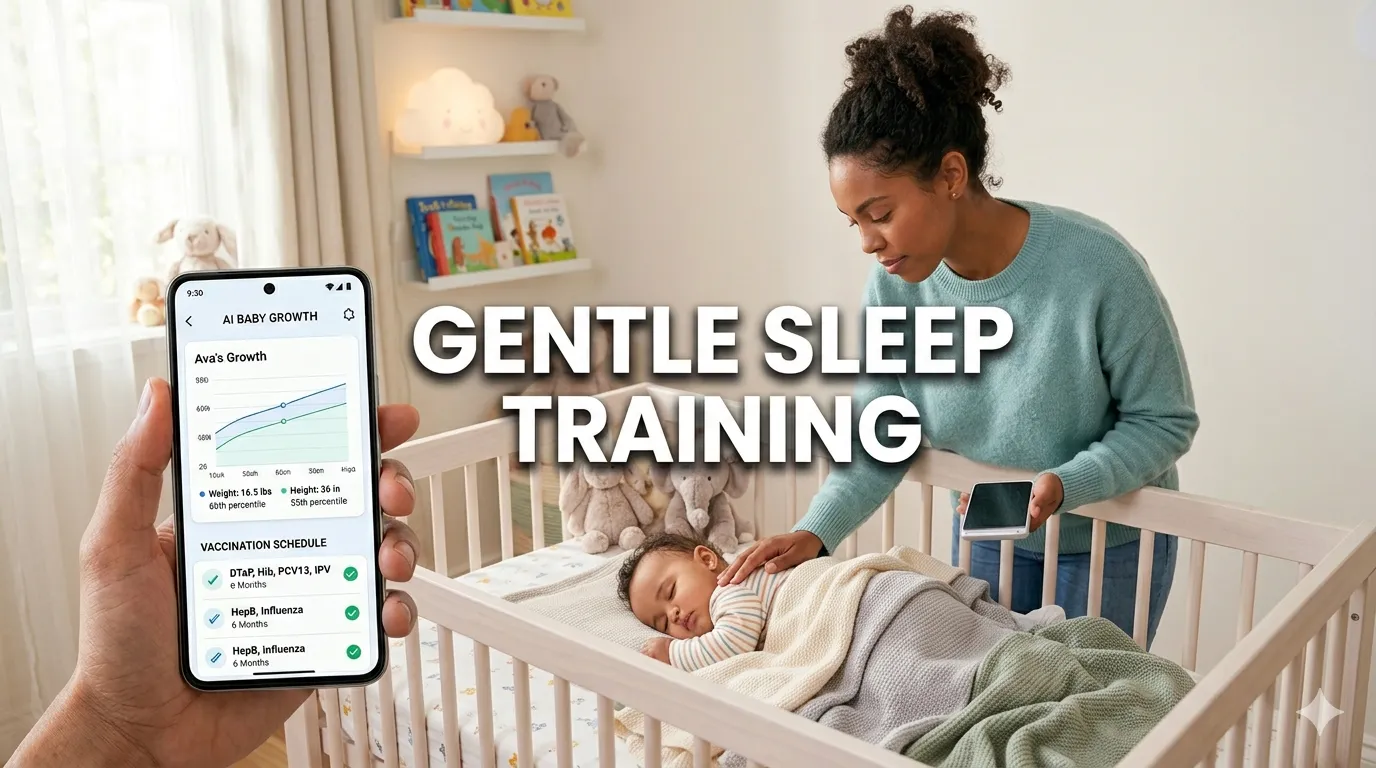
As a parent, few things feel more exhausting than sleepless nights with a baby who won't settle. You've probably heard about sleep training, but the thought of letting your little one cry alone can feel heartbreaking. That's where gentle sleep training comes in—a compassionate, evidence-based approach that helps babies learn to sleep independently without stress, tears, or feeling abandoned.
Gentle sleep training isn't about ignoring your baby's needs or following rigid schedules. Instead, it's about working with your child's natural rhythms, responding to their cues, and gradually building healthy sleep habits through patience, consistency, and connection. Whether your baby is 4 months old or a toddler resisting bedtime, these methods can transform nighttime chaos into peaceful rest—for everyone.
What Is Gentle Sleep Training?
Gentle sleep training is a responsive approach to helping babies and toddlers learn to fall asleep independently and stay asleep through the night, using methods that prioritize emotional connection, minimal crying, and parental presence. Unlike traditional cry-it-out methods, gentle techniques focus on gradual adjustments, comfort, and respecting your child's temperament.
Key principles include:
- Responding to your baby's cues with warmth and consistency
- Gradually reducing sleep associations (like rocking or feeding to sleep)
- Creating predictable, calming bedtime routines
- Allowing your child to develop self-soothing skills at their own pace
- Maintaining emotional connection throughout the process
Research shows that responsive sleep approaches support secure attachment while still helping children develop healthy sleep patterns [[14]]. The goal isn't perfection—it's progress that feels right for your family.
Why Choose Gentle Sleep Training Over Traditional Methods?
Many parents hesitate to sleep train because they worry about causing stress or damaging their bond with their baby. Gentle methods address these concerns directly while still delivering results.
Benefits of Gentle Sleep Training
- Preserves trust and attachment: Your baby learns that you're always there, even as they develop independence
- Reduces parental guilt: No need to listen to prolonged crying from another room
- Adapts to your child's temperament: Flexible methods work for sensitive babies, strong-willed toddlers, and everything in between
- Supports long-term sleep health: Builds sustainable habits rather than quick fixes
- Works with your parenting style: Aligns with attachment parenting, responsive caregiving, and mindful parenting philosophies
A 2025 review of infant sleep interventions found that gradual, parent-present methods were equally effective as extinction-based approaches for improving sleep, with lower reported stress for both parents and babies [[22]].
When Is the Right Time to Start Gentle Sleep Training?
Timing matters. Starting too early can be frustrating; starting too late may mean entrenched habits are harder to shift. Here's a general guide:
Age Guidelines for Gentle Sleep Training
- 0-3 months: Focus on establishing day/night rhythms and responsive feeding. Formal sleep training isn't recommended yet.
- 4-6 months: Ideal window to begin gentle methods. Most babies are developmentally ready to learn self-soothing skills.
- 6-12 months: Highly effective period. Babies can understand routines and respond well to consistent cues.
- 12-24 months: Still very workable. Toddlers benefit from clear boundaries and predictable routines.
- 2+ years: Gentle methods adapt well to toddler communication skills and reasoning abilities.
Signs your baby may be ready:
- Can go 4-6 hours between nighttime feedings
- Shows predictable sleepy cues (rubbing eyes, yawning)
- Has a somewhat consistent nap pattern
- Is generally healthy (no illness, teething crisis, or major life changes)
Always consult your pediatrician before starting any sleep program, especially if your baby was premature or has health concerns.
Step-by-Step Gentle Sleep Training Methods That Work
There's no single "right" way to practice gentle sleep training. These evidence-backed methods let you choose what fits your family best.
The Chair Method (Sleep Lady Shuffle)
This gradual approach helps babies learn to fall asleep with you nearby, then slowly reduces your presence over time.
How it works:
- Night 1-3: Sit in a chair next to the crib while your baby falls asleep. Offer gentle verbal reassurance but minimize physical contact.
- Night 4-6: Move the chair halfway to the door.
- Night 7-9: Move the chair to the doorway.
- Night 10+: Sit outside the room, checking in verbally if needed.
Best for: Babies who need reassurance but can settle with minimal contact. Works well for sensitive temperaments.
Pro tip: Keep interactions boring and brief. The goal is presence, not engagement.
Pick Up, Put Down Method
Developed by Tracy Hogg, this responsive technique comforts your baby when upset while still encouraging independent sleep.
How it works:
- Put your baby down drowsy but awake.
- If they cry, pick them up and comfort until calm (not fully asleep).
- Put them back down immediately.
- Repeat as needed until they fall asleep independently.
Best for: Younger babies (4-8 months) who need frequent reassurance. Builds trust while teaching self-soothing.
Pro tip: Stay calm and consistent. Your energy matters—babies sense frustration.
The Fading Method (Camping Out)
This ultra-gradual approach slowly reduces your involvement in your baby's sleep process over weeks, not days.
How it works:
- Start with your usual routine (rocking, feeding to sleep).
- Each night, do slightly less: rock for 10 minutes instead of 15, then 5, then just hold.
- Eventually, put baby down drowsy with minimal assistance.
- Stay nearby for reassurance as needed.
Best for: Parents who prefer a very slow pace or babies with high sensitivity to change.
Pro tip: Track small wins. Progress may feel slow, but consistency builds lasting change.
Bedtime Hour Fading
This method works with your baby's natural sleep timing instead of fighting against it.
How it works:
- Observe when your baby naturally falls asleep (e.g., 8:30 PM).
- Set bedtime for that exact time for 3-4 nights.
- Once they're falling asleep easily, move bedtime 15 minutes earlier.
- Continue shifting earlier in small increments until you reach your target time.
Best for: Babies who fight bedtime or take a long time to settle. Reduces power struggles.
Pro tip: Pair with a consistent, calming pre-sleep routine for best results.
Creating the Ideal Sleep Environment for Gentle Training
Your baby's sleep space sets the stage for success. A calming environment signals that it's time to rest and reduces overstimulation.
Essential Elements of a Sleep-Friendly Nursery
- Darkness: Use blackout curtains to block light. Consider a dim red nightlight for nighttime checks (red light doesn't disrupt melatonin).
- White noise: A consistent sound machine masks household noises and mimics the womb. Keep volume below 50 decibels.
- Comfortable temperature: Aim for 68-72°F (20-22°C). Dress baby in breathable sleepwear appropriate for the season.
- Safe sleep setup: Firm mattress, fitted sheet, no loose bedding or toys (for babies under 12 months).
- Familiar scents: A worn t-shirt from a parent (placed safely outside the crib) can provide comfort for older babies.
Quick checklist: Dark room ✓ White noise ✓ Comfortable temp ✓ Safe crib ✓ Calming routine ✓
Common Mistakes to Avoid in Gentle Sleep Training
Even with the best intentions, certain pitfalls can derail your progress. Here's what to watch for:
1. Inconsistent Bedtime Routines
The Problem: Skipping steps or changing the order confuses your baby about what to expect.
The Solution: Create a simple, repeatable 20-30 minute routine: bath, pajamas, book, song, bed. Do it in the same order every night.
2. Starting During a Disruption
The Problem: Travel, illness, teething, or developmental leaps make sleep training harder.
The Solution: Wait for a calm 2-week window. If disruptions happen mid-training, pause and resume when things stabilize.
3. Giving Up Too Soon
The Problem: Expecting overnight results leads to frustration and abandonment of the method.
The Solution: Commit to at least 2 weeks of consistent practice. Track small improvements, not just perfect nights.
4. Over-Responding or Under-Responding
The Problem: Rushing in at every sound prevents self-soothing; waiting too long increases distress.
The Solution: Learn your baby's cry types. Respond promptly to distressed cries; pause briefly for fussing or grumbling.
5. Neglecting Daytime Sleep
The Problem: Overtired babies have more trouble falling and staying asleep at night.
The Solution: Protect age-appropriate nap schedules. A well-rested baby sleeps better at night.
Age-Appropriate Gentle Sleep Strategies
Tailor your approach to your child's developmental stage for best results.
4-6 Months: Laying the Foundation
- Focus on establishing a predictable bedtime routine
- Practice putting baby down drowsy but awake for one nap per day
- Use the Pick Up, Put Down method for nighttime
- Keep nighttime interactions minimal and boring
6-12 Months: Building Independence
- Gradually reduce sleep associations (rocking, feeding to sleep)
- Introduce a comfort object (small lovey after 12 months)
- Use the Chair Method for consistent reassurance
- Respond to night wakings with brief checks, not immediate pickup
12-24 Months: Navigating Toddler Sleep
- Use simple language to explain bedtime expectations
- Offer limited, predictable choices ("red pajamas or blue?")
- Implement a visual bedtime chart with pictures
- Stay calm and firm with boundary-testing
2+ Years: Gentle Coaching for Big Kids
- Use positive reinforcement ("You stayed in bed all night—awesome!")
- Address fears with empathy and practical solutions (monster spray, nightlight)
- Maintain consistent limits while allowing age-appropriate autonomy
Handling Sleep Regressions with Gentle Methods
Sleep regressions—temporary disruptions in sleep patterns—are normal and often coincide with developmental leaps. Gentle methods help you navigate them without starting over.
Common Regression Triggers
- 4 months: Sleep cycle maturation
- 8-10 months: Separation anxiety, crawling, standing
- 12 months: Walking, language bursts
- 18 months: Independence striving, nightmares
- 2 years: Imagination growth, transition to toddler bed
How to Respond Gently During Regressions
- Stay consistent: Keep your routine and responses predictable even when sleep is rough.
- Offer extra comfort: More cuddles, earlier bedtime, or an additional check-in can help without creating new dependencies.
- Address underlying needs: Is your baby teething? Sick? Overwhelmed? Meet those needs first.
- Be patient: Regressions typically last 2-6 weeks. Trust that skills aren't lost—they'll return.
Remember: Regression isn't failure. It's a sign your child is growing.
Expert Tips for Gentle Sleep Training Success
These insights from pediatric sleep specialists can boost your confidence and results:
Start with a Solid Daytime Foundation
Good nighttime sleep starts with good daytime habits. Ensure your baby gets:
- Age-appropriate wake windows
- Enough total daytime sleep
- Plenty of natural light and physical activity
- Calming transitions before naps and bedtime
Master the Art of the "Drowsy But Awake" Drop-Off
This skill is the cornerstone of independent sleep. Practice by:
- Putting baby down when eyes are heavy but still open
- Using a consistent phrase ("Time to sleep, I love you")
- Leaving the room calmly, even if they fuss briefly
- Trusting that brief protest is part of learning
Partner with Your Co-Parent or Support Person
Consistency across caregivers is crucial. Make sure everyone:
- Knows the chosen method and follows it
- Uses the same calming phrases and responses
- Supports each other through challenging nights
- Takes shifts to prevent burnout
Track Progress, Not Perfection
Keep a simple sleep log noting:
- Bedtime and wake time
- Number and duration of night wakings
- What helped your baby settle
- Your own observations and feelings
Review weekly to spot trends and celebrate improvements, however small.
Frequently Asked Questions About Gentle Sleep Training
Will gentle sleep training spoil my baby?
No. Responding to your baby's needs with warmth and consistency builds secure attachment, not dependence. Gentle sleep training teaches self-soothing skills while maintaining trust—a combination that supports emotional health long-term.
How long does gentle sleep training take to work?
Most families see noticeable improvements within 1-2 weeks of consistent practice, with continued progress over 3-4 weeks. Remember, "working" doesn't mean perfect sleep—it means your baby is learning skills and waking less frequently.
What if my baby cries during gentle sleep training?
Some protest is normal when learning new skills. In gentle methods, you respond to distressed crying promptly, offering comfort without reinstating old sleep associations. The goal isn't zero tears—it's minimizing distress while building confidence.
Can I use gentle sleep training if I co-sleep or bed-share?
Yes. Gentle methods adapt to various sleep arrangements. Focus on creating consistent cues for sleep onset and teaching self-soothing within your chosen setup. Safety guidelines for bed-sharing should always be followed.
What if gentle methods don't seem to be working?
First, ensure you've been consistent for at least 2 weeks. If progress stalls, consider: Is the timing right? Is your baby healthy? Are daytime habits supporting nighttime sleep? Consult a pediatric sleep consultant for personalized guidance.
Conclusion: Gentle Sleep Training Is a Journey, Not a Destination
Practicing gentle sleep training without stress or tears isn't about following a perfect script—it's about tuning into your child, responding with compassion, and trusting the process. Some nights will be easier than others. Progress may feel slow. But with patience, consistency, and the right methods for your family, you can help your baby develop healthy sleep habits while preserving the loving connection that matters most.
Remember: You're not just teaching sleep—you're teaching your child that they are safe, loved, and capable. That foundation supports not just better nights, but a lifetime of emotional resilience.
Start small tonight. Choose one gentle technique that resonates with you. Practice it with kindness—for your baby and for yourself. You've got this.


0 Comments