
How Gentle Care Preserves Hair Strength
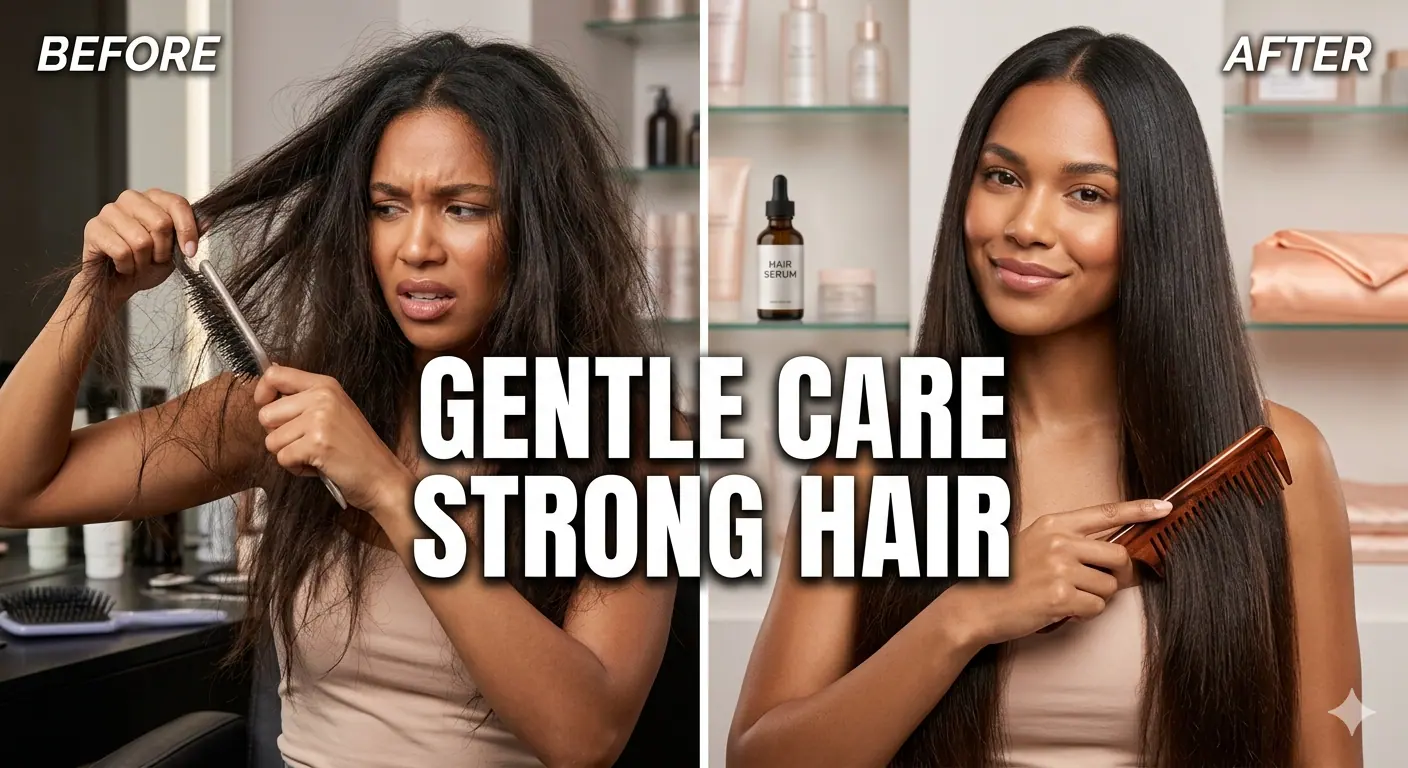
Introduction: The Power of Gentleness in Hair Health
In a world that often equates "more" with "better"—more products, more heat, more chemical treatments—it's easy to overlook a fundamental truth about hair health: sometimes, the most powerful thing you can do is nothing at all. Or rather, to do less, but do it with intention, care, and gentleness.
Hair strength isn't built through aggressive interventions. It's preserved through daily choices that honor your hair's delicate biology. Every strand is a complex structure of protein, moisture, and protective layers that can be easily compromised by rough handling, excessive heat, or harsh chemicals. But when treated with consistent gentleness, hair can maintain its elasticity, resilience, and natural beauty for years.
This comprehensive guide explores the science behind how gentle care preserves hair strength, identifies the hidden ways daily habits can weaken strands, and provides evidence-based strategies to protect your hair from root to tip. Because truly strong hair isn't created through force—it's nurtured through compassion.
Understanding Hair Strength: The Biology of Resilience
Before diving into gentle care practices, it's essential to understand what gives hair its strength in the first place.
The Three-Layer Structure of Hair
Each strand of hair consists of three distinct layers, each contributing to overall strength:
- Cuticle: The outermost layer of overlapping, scale-like cells that protect the inner layers. A smooth, intact cuticle reduces friction, retains moisture, and shields against environmental damage.
- Cortex: The middle layer containing keratin proteins, melanin (pigment), and moisture. This layer provides elasticity, strength, and the hair's natural texture.
- Medulla: The innermost core (present in thicker hairs), which contributes minimally to strength but affects overall hair density.
Gentle care primarily protects the cuticle and cortex—the layers most vulnerable to daily wear and tear.
What Determines Hair Strength?
Hair strength depends on multiple interconnected factors:
- Keratin integrity: The protein structure that gives hair its backbone; damage to keratin reduces tensile strength
- Disulfide bonds: Chemical bonds between keratin chains that provide structural stability; broken bonds weaken hair
- Moisture-protein balance: Adequate hydration keeps hair flexible; adequate protein keeps it strong. Imbalance leads to brittleness or mushiness
- Cuticle alignment: Flat, intact cuticles reduce friction and prevent inner layer exposure
- Elasticity: The ability to stretch and return without breaking; compromised elasticity leads to snap-breakage
Gentle care preserves each of these elements. Aggressive care compromises them.
Why Gentleness Matters More Than Intensity
Hair cannot regenerate like skin. Once the cuticle is damaged or keratin is degraded, the damage is permanent until the strand grows out and is trimmed. This means:
- Prevention is far more effective than repair
- Small, consistent gentle practices compound into significant long-term protection
- One aggressive act can undo weeks of careful care
Understanding this biological reality shifts the focus from "fixing" damaged hair to preserving healthy hair through daily gentleness.
Featured Snippet: Hair strength depends on keratin integrity, disulfide bonds, moisture-protein balance, cuticle alignment, and elasticity. Hair cannot regenerate damaged structures, so prevention through gentle care is more effective than repair. Small, consistent gentle practices compound into significant long-term protection.
Culprit 1: Mechanical Stress and How to Minimize It
Everyday handling—brushing, styling, towel-drying—creates mechanical stress that can weaken hair over time. Learning to minimize this stress is foundational to preserving strength.
The Damage of Aggressive Brushing
What happens: Brushing hair when wet, using the wrong brush, or brushing too vigorously can:
- Lift or tear cuticles, exposing the vulnerable cortex
- Stretch hair beyond its elastic limit, causing micro-tears
- Create friction that generates heat and static, further damaging strands
- Pull hair from the root, potentially damaging follicles over time
Gentle Brushing Techniques That Preserve Strength
- Start at the ends: Always detangle from the tips upward, working in small sections to minimize pulling
- Use the right tools: Wide-tooth combs for wet hair; boar bristle or flexible plastic brushes for dry hair
- Brush when damp, not soaking wet: Hair is most fragile when saturated; wait until it's 70-80% dry before brushing
- Be patient: Take time to gently work through tangles rather than forcing the brush through
- Limit frequency: Brush only as needed to style or detangle; over-brushing creates unnecessary friction
Towel-Drying: The Hidden Culprit
What happens: Rough towel-drying creates friction that:
- Ruffles cuticles, increasing surface roughness and frizz
- Stretches wet hair beyond its elastic limit
- Creates static that attracts more friction and damage
Gentle Drying Techniques
- Use microfiber towels or cotton t-shirts: These materials create less friction than traditional terry cloth
- Pat, don't rub: Gently squeeze or pat hair to remove excess water rather than rubbing vigorously
- Wrap, don't twist: If using a towel wrap, keep it loose and limit time to 10-15 minutes to prevent stress
- Air-dry when possible: Letting hair dry naturally eliminates heat and mechanical stress
Hairstyles That Protect, Not Pull
Avoid:
- Tight ponytails, buns, or braids that create tension at the hairline and scalp
- Elastic bands with metal clasps that snag and break hair
- Styles that require excessive pulling or teasing
Choose:
- Loose braids, low buns, or soft scrunchies that distribute weight evenly
- Silk or satin hair ties that glide without snagging
- Protective styles that minimize daily manipulation
Featured Snippet: Minimize mechanical stress to preserve hair strength: brush gently from ends upward with wide-tooth combs; pat dry with microfiber towels instead of rubbing; choose loose, protective hairstyles with silk ties. Hair is most fragile when wet—handle with extra care during this vulnerable state.
Culprit 2: Heat Styling and Thermal Protection
Heat styling tools can transform hair temporarily, but repeated exposure without protection permanently weakens its structure.
How Heat Damages Hair
Temperatures above 300°F (150°C) can:
- Denature keratin: Alter the protein structure, reducing strength and elasticity
- Evaporate moisture: Strip water from the cortex, causing brittleness
- Melt cuticles: Cause scales to fuse or crack, compromising the protective barrier
- Break disulfide bonds: Weaken the chemical bonds that provide structural integrity
Damage is cumulative: each heat session adds to the total burden on hair's structure.
Gentle Heat Styling Practices
- Lower temperatures: Keep tools below 300°F (150°C); fine or damaged hair needs even lower heat (250°F/120°C)
- Always use heat protectant: Apply a thermal protectant spray or serum before any heat exposure; look for ingredients like dimethicone, cyclomethicone, or natural alternatives
- Limit frequency: Aim for 2-3 heat-styling sessions weekly maximum; embrace air-dried styles on other days
- Use quality tools: Ceramic or tourmaline plates distribute heat more evenly than metal, reducing hot spots
- Keep tools moving: Never hold a hot tool in one spot for more than a few seconds
Heat-Free Styling Alternatives
Reduce reliance on heat by exploring gentle alternatives:
- Overnight curls: Wrap damp hair around soft rollers or fabric strips for heatless waves
- Braiding techniques: Create texture and volume with braids on damp hair, then unravel when dry
- Plopping: Wrap damp hair in a cotton t-shirt to enhance natural curl pattern without heat
- Root-lifting techniques: Use clips or gentle teasing at the roots for volume without heat
Recovery After Heat Exposure
If you do use heat, support recovery with:
- Deep conditioning: Weekly masks with proteins and emollients to replenish what heat depletes
- Protein treatments: Monthly hydrolyzed keratin or wheat protein to reinforce structure
- Moisture sealing: Lightweight oils (argan, squalane) to lock in hydration after heat styling
Featured Snippet: Protect hair from heat damage: keep tools below 300°F, always use heat protectant, limit frequency to 2-3x weekly, use ceramic/tourmaline tools, keep tools moving. Embrace heat-free styling alternatives like overnight curls or braiding. Support recovery with deep conditioning and protein treatments.
Culprit 3: Chemical Treatments and Strategic Care
Coloring, bleaching, perming, and relaxing can transform hair's appearance, but they also alter its chemical structure. Gentle care before, during, and after chemical services preserves strength.
How Chemical Treatments Weaken Hair
- Alkaline agents: Lift cuticles to allow chemical penetration, but repeated lifting weakens the protective barrier
- Oxidizing agents: Break disulfide bonds to change hair structure, but over-processing leaves bonds permanently broken
- Protein loss: Chemical processes can degrade keratin, reducing tensile strength
- Moisture depletion: Chemical treatments often strip natural oils and moisture, causing dryness and brittleness
Gentle Chemical Treatment Practices
Before Treatment
- Strengthen first: Use protein treatments 1-2 weeks before chemical services to fortify hair
- Avoid other stressors: Skip heat styling, harsh brushing, or other chemical treatments in the week before
- Consult a professional: Experienced colorists can minimize damage through technique and product selection
During Treatment
- Choose gentler formulas: Ammonia-free color, low-volume developers, bond-building additives (like Olaplex or K18)
- Limit processing time: Follow manufacturer guidelines; don't leave chemicals on longer than recommended
- Protect scalp and skin: Use barrier creams to prevent irritation that can affect hair health
After Treatment
- Wait before washing: Allow 48-72 hours after coloring to let cuticles reseal
- Use color-safe, sulfate-free products: Gentle cleansers preserve color and prevent further cuticle damage
- Focus on moisture and protein balance: Alternate hydrating masks with protein treatments for 4-6 weeks post-treatment
- Minimize heat: Give hair a break from heat styling during the recovery period
Spacing Treatments for Long-Term Strength
Allow adequate time between chemical services:
- Color refresh: 6-8 weeks minimum between root touch-ups
- Bleaching or lightening: 8-12 weeks between sessions; consider balayage or ombre techniques that require less frequent maintenance
- Perming or relaxing: 10-12 weeks minimum; avoid overlapping new treatment on previously processed hair
Patience isn't just about aesthetics—it's about giving hair time to recover and maintain its structural integrity.
Featured Snippet: Preserve strength during chemical treatments: strengthen hair before with protein; choose gentler formulas (ammonia-free, bond-builders); limit processing time; wait 48-72 hours before washing post-treatment; use sulfate-free products; alternate moisture and protein treatments for 4-6 weeks after; space services 6-12 weeks apart.
Culprit 4: Environmental Stressors and Protective Habits
Everyday environmental exposure—sun, wind, pollution, hard water—accumulates to weaken hair over time. Gentle protection habits mitigate this damage.
UV Radiation and Oxidative Stress
Impact: UV rays degrade keratin proteins and oxidize lipids in the hair shaft, leading to:
- Reduced elasticity and increased breakage
- Faded color and dull appearance
- Roughened cuticle surface that increases friction
Gentle protection:
- Wear hats or scarves in strong sun
- Use hair products with UV filters or antioxidants (vitamin E, green tea extract)
- Rinse hair after prolonged sun exposure to remove oxidative byproducts
Hard Water and Mineral Buildup
Impact: Minerals like calcium and magnesium deposit on hair, creating:
- A gritty texture that increases friction between strands
- Added weight that weighs hair down and suppresses movement
- Blocked moisture absorption that affects flexibility
Gentle management:
- Install a shower filter to reduce mineral content
- Use chelating shampoos monthly to dissolve mineral deposits
- Rinse with filtered or bottled water for the final rinse
- Incorporate acidic rinses (apple cider vinegar 1:3 with water) to help dissolve minerals
Pollution and Particulate Matter
Impact: Airborne pollutants bind to hair proteins, generating oxidative stress and increasing surface roughness.
Gentle defense:
- Rinse hair after exposure to high-pollution environments
- Use antioxidant-rich serums to neutralize free radicals
- Consider protective styles (loose braids, buns) in heavily polluted areas
Humidity and Moisture Exchange
Impact: High humidity causes hair to absorb moisture from the air, swelling the shaft and disrupting hydrogen bonds, leading to frizz and increased friction.
Gentle management:
- Use humidity-resistant products with film-forming polymers (PVP, VA/crotonates) that create a flexible barrier
- Avoid heavy oils that attract more moisture in humid climates
- Embrace your natural texture rather than fighting humidity with excessive heat or product
Featured Snippet: Protect hair from environmental stress: wear hats or use UV-filter products in sun; install shower filters and use chelating shampoos for hard water; rinse after pollution exposure; use humidity-resistant products with film-forming polymers. Gentle protection habits prevent cumulative damage that weakens hair over time.
Culprit 5: Moisture-Protein Imbalance and Gentle Restoration
Hair strength requires a delicate balance between moisture (hydration) and protein (structural support). When this balance is disrupted, hair becomes either brittle or mushy—both states increase breakage risk.
Signs of Imbalance
Too Much Moisture, Not Enough Protein
- Hair feels stretchy or gummy when wet
- Breaks easily despite appearing soft
- Loses style quickly; lacks hold or definition
- Feels limp or lifeless when dry
Too Much Protein, Not Enough Moisture
- Hair feels stiff, straw-like, or brittle
- Breaks with minimal tension
- Appears shiny but lacks movement or bounce
- Resists styling; feels "crunchy" after products
The Strand Test: Assessing Your Balance
How to do it:
- Take a single strand of clean, wet hair
- Gently stretch it between your fingers
- Observe how it responds
Interpretation:
- Healthy: Stretches 20-30% and returns to original length
- Moisture-deficient: Breaks immediately with little stretch
- Protein-deficient: Stretches excessively without returning, or feels mushy
Gentle Restoration Strategies
If Protein-Deficient
- Use hydrolyzed proteins: Keratin, wheat, or silk amino acids penetrate the hair shaft to reinforce structure
- Frequency: Start with monthly treatments; increase to bi-weekly only if needed
- Follow with moisture: Always seal protein treatments with a hydrating mask or oil to maintain flexibility
If Moisture-Deficient
- Use humectants: Glycerin, hyaluronic acid, or aloe vera attract moisture to the hair shaft
- Seal with emollients: Lightweight oils (argan, squalane, jojoba) lock in hydration without heaviness
- Avoid over-washing: Limit shampooing to 2-3x weekly to preserve natural oils
Maintenance for Balanced Hair
- Alternate treatments: Rotate protein and moisture treatments based on monthly strand tests
- Layer products strategically: Apply protein to damp hair, followed by moisturizing sealants
- Listen to your hair: Adjust frequency based on how hair feels, not a rigid schedule
Featured Snippet: Maintain moisture-protein balance for hair strength: use strand test to assess needs (healthy hair stretches 20-30% and returns). If protein-deficient, use hydrolyzed proteins monthly; if moisture-deficient, use humectants and seal with lightweight oils. Alternate treatments based on monthly reassessment; layer products strategically.
The Gentle Care Routine: Daily Habits That Preserve Strength
Consistency matters more than intensity. These daily and weekly habits, practiced gently, compound into significant long-term protection.
Daily Gentle Practices
- Morning detangling: Use a wide-tooth comb on damp hair, starting at ends and working upward
- Heat protection: Apply thermal protectant before any heat exposure, even for quick touch-ups
- Lightweight sealing: Apply a drop of argan or squalane oil to ends to seal cuticles and reduce friction
- Protective styling: Choose loose styles that minimize manipulation and tension
- Scalp care: Gentle massage with fingertips (not nails) to boost circulation without damaging follicles
Weekly Gentle Practices
- Gentle cleansing: Use sulfate-free shampoo; focus on scalp, let suds rinse through lengths
- Deep conditioning: Apply a hydrating or protein mask based on strand test results; leave on 10-20 minutes
- Clarifying (as needed): Use a gentle clarifying shampoo every 2-4 weeks to remove buildup without stripping
- Scalp exfoliation: Use a gentle scalp scrub or brush once weekly to remove buildup and boost circulation
Monthly Gentle Practices
- Protein treatment: Apply hydrolyzed keratin or wheat protein if strand test indicates need
- Trim assessment: Check ends for split or damaged strands; trim 1/4 inch if needed to prevent further splitting
- Routine reassessment: Evaluate what's working; adjust products or techniques based on hair's current needs
The Gentle Care Mindset
Beyond specific actions, cultivating a gentle mindset transforms your relationship with your hair:
- Patience over perfection: Accept that hair has good days and bad days; focus on long-term health, not daily appearance
- Curiosity over criticism: When hair isn't cooperating, ask "What does my hair need right now?" rather than "Why is my hair failing?"
- Consistency over intensity: Small, gentle actions practiced daily matter more than occasional dramatic interventions
- Self-compassion: Treat your hair with the same kindness you'd offer a dear friend
Featured Snippet: Gentle care routine: daily—wide-tooth detangling, heat protection, lightweight sealing, protective styling, gentle scalp massage; weekly—sulfate-free cleansing, deep conditioning, clarifying as needed, scalp exfoliation; monthly—protein treatment if needed, trim assessment, routine reassessment. Cultivate patience, curiosity, consistency, and self-compassion.
Product Selection: Ingredients That Support Gentle Strength
Choosing the right products amplifies gentle care. Look for these strength-preserving ingredients:
For Cuticle Protection
- Amodimethicone: Silicone that targets damaged areas without heavy buildup
- Ceramides: Replenish lipids that hold cuticles flat and smooth
- Fatty alcohols: Cetyl, stearyl alcohol smooth without weighing hair down
For Protein Support
- Hydrolyzed keratin: Small protein fragments that penetrate and reinforce hair structure
- Wheat or soy protein: Plant-based proteins that strengthen without stiffness
- Silk amino acids: Lightweight proteins that smooth cuticles and add shine
For Lightweight Hydration
- Glycerin: Humectant that attracts moisture without heaviness
- Hyaluronic acid: Holds water without adding weight or residue
- Aloe vera: Provides hydration with a light, non-greasy feel
For Gentle Cleansing
- Cocamidopropyl betaine: Mild surfactant that cleanses without stripping
- Decyl glucoside: Plant-derived cleanser gentle enough for daily use
- Sodium cocoyl isethionate: Creamy cleanser that preserves natural oils
Reading Labels Strategically
- Ingredient order: Ingredients are listed by concentration; actives should appear in first 5-10 ingredients
- Avoid harsh sulfates: SLS/SLES can strip natural oils and worsen cuticle damage
- Watch for drying alcohols: Alcohol denat, SD alcohol can dehydrate hair
- Look for pH balance: Products around pH 4.5-5.5 help maintain cuticle health
Featured Snippet: Choose strength-preserving ingredients: cuticle protection (amodimethicone, ceramides, fatty alcohols); protein support (hydrolyzed keratin, wheat protein, silk amino acids); lightweight hydration (glycerin, hyaluronic acid, aloe); gentle cleansing (cocamidopropyl betaine, decyl glucoside). Read labels: actives in first 5-10 ingredients, avoid harsh sulfates and drying alcohols, prefer pH 4.5-5.5.
Frequently Asked Questions (FAQs)
Can damaged hair ever fully recover?
Hair cannot regenerate damaged structures—the cuticle and cortex don't heal like skin. However, you can prevent further damage and improve the appearance and feel of existing hair through gentle care, protein treatments, and moisture balance. New growth will be healthy if you protect the scalp and follicles. Focus on preserving what you have while nurturing new growth.
How often should I trim my hair to maintain strength?
Trim every 8-12 weeks to remove split ends before they travel up the shaft. If your hair is chemically treated or heat-styled frequently, consider trims every 6-8 weeks. Regular trims prevent small damage from becoming major breakage, preserving overall length and strength over time.
Is it better to air-dry or use heat to dry hair?
Air-drying is gentler and eliminates heat damage, but leaving hair wet for extended periods can weaken it (hair is most fragile when saturated). Best practice: gently pat dry with microfiber towel, then allow to air-dry 70-80% before using low heat (below 300°F) with protectant for final styling.
Can gentle care reverse breakage?
Gentle care prevents future breakage but cannot repair already-broken strands. Focus on protecting remaining hair while new, healthy growth emerges. Consistent gentle practices will gradually improve overall hair strength and appearance as damaged sections are trimmed away.
Do I need expensive products for gentle care?
No. Gentleness is about technique and consistency, not price. Many affordable brands offer sulfate-free cleansers, protein treatments, and lightweight hydrators. Focus on ingredient quality and formulation, not luxury packaging. A $15 gentle shampoo used consistently beats a $50 aggressive formula used sporadically.
How long before I see results from gentle care?
Initial improvements in feel and manageability may appear in 2-4 weeks. Reduced breakage and improved elasticity typically take 8-12 weeks. Significant transformation as damaged sections are trimmed and new growth emerges may take 3-6 months. Patience and consistency are essential.
Conclusion: Strength Through Gentleness
Hair strength isn't forged through force—it's preserved through compassion. Every gentle brush stroke, every mindful product choice, every moment of patience with your hair's natural rhythm is an investment in long-term resilience.
The practices in this guide aren't about perfection or deprivation. They're about working with your hair's biology rather than against it. They're about recognizing that true beauty emerges not from aggressive transformation, but from consistent, compassionate care.
Start where you are. Choose one gentle practice to implement this week. Observe how your hair responds. Adjust with curiosity, not criticism. Over time, these small acts of gentleness compound into hair that moves with life, resists breakage, and radiates health from root to tip.
Your hair has carried you through years of living, growing, and adapting. It deserves care that honors its complexity. With knowledge, consistency, and kindness, you can preserve its strength—not by chasing an ideal, but by cultivating vitality that reflects your unique journey.
Gentleness isn't weakness. It's wisdom. And your hair will thank you for it.


0 Comments