

How Sleep Quality Affects Body Composition in Women
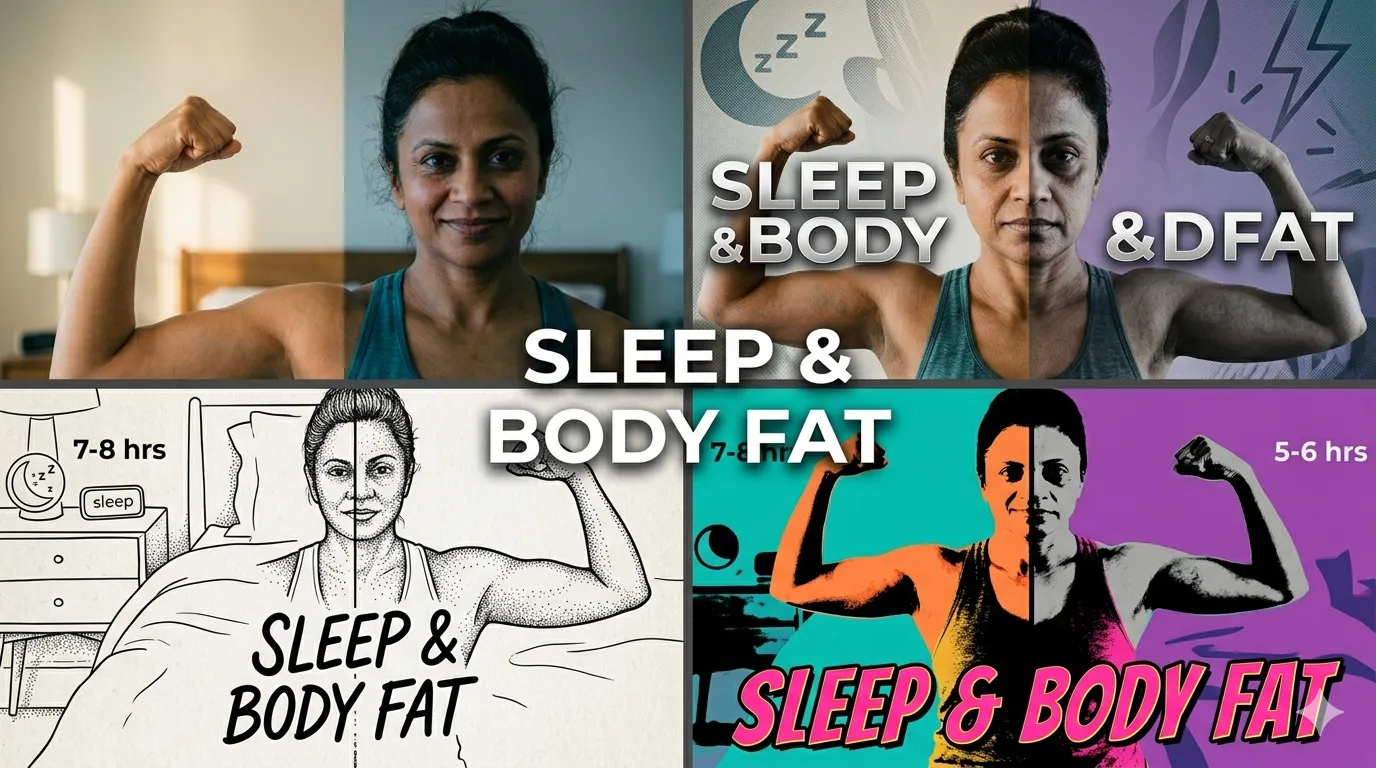
The Hidden Connection Between Sleep and Your Body
You've probably heard that sleep is important for health, but did you know that the quality of your sleep could be the missing link in your body composition goals? Many women struggle with stubborn fat, difficulty building lean muscle, or frustrating weight plateaus despite eating well and exercising regularly. The culprit might not be your diet or workout routine—it could be your sleep.
Sleep quality profoundly impacts body composition in ways most women don't realize. While you're sleeping, your body undergoes critical processes that affect fat storage, muscle growth, hunger hormones, and metabolism. When these processes are disrupted by poor sleep, the results show up on your body—often as increased belly fat, loss of muscle tone, and difficulty achieving the physique you're working toward.
Understanding the science behind sleep and body composition isn't just interesting—it's essential for any woman serious about improving her health, strength, and appearance. This comprehensive guide will reveal exactly how sleep affects your body composition and provide actionable strategies to optimize your sleep for better results.
Understanding Body Composition: Beyond the Scale
Before diving into sleep's impact, it's crucial to understand what body composition actually means and why it matters more than weight alone.
What Is Body Composition?
Body composition refers to the比例 of fat mass to lean mass (muscle, bone, water, organs) in your body. Unlike simple weight measurements, body composition tells you what your weight is made of. Two women can weigh exactly the same but have completely different body compositions—one might have higher muscle mass and lower body fat, while the other has less muscle and more fat.
Body composition is a far better indicator of health and fitness than weight alone. Higher muscle mass boosts metabolism, improves strength, enhances bone density, and creates a toned, defined appearance. Excess body fat, particularly visceral fat around the organs, increases disease risk and creates a softer, less defined physique.
Why Women Face Unique Body Composition Challenges
Women's bodies respond differently to sleep deprivation and stress compared to men due to hormonal differences. Female hormones like estrogen and progesterone interact with sleep-regulating hormones and stress hormones in complex ways.
Women are more likely to experience sleep disturbances throughout their lives due to menstruation, pregnancy, postpartum changes, perimenopause, and menopause. These hormonal fluctuations affect both sleep quality and body composition, creating a challenging cycle that requires specific strategies to break.
The Science: How Sleep Directly Affects Body Composition
The relationship between sleep and body composition isn't just correlation—it's causation. Multiple biological mechanisms explain why poor sleep leads to unfavorable changes in your body.
Hormonal Chaos: The Sleep-Weight Connection
When you don't get quality sleep, your hormones go haywire in ways that directly promote fat storage and muscle loss:
Ghrelin and Leptin Imbalance: These are your primary hunger hormones. Ghrelin signals hunger, while leptin signals fullness. Sleep deprivation causes ghrelin levels to spike by 15-20% while leptin levels drop by 15-20%. This double whammy makes you hungrier while reducing your ability to feel satisfied, leading to increased calorie intake—often from high-carb, high-fat comfort foods.
Research shows that sleep-deprived women consume an average of 385 extra calories daily compared to well-rested women. Over a week, that's nearly 2,700 extra calories—enough to gain almost a pound of fat.
Cortisol Elevation: Cortisol, your primary stress hormone, follows a circadian rhythm that's disrupted by poor sleep. When you don't sleep well, cortisol levels remain elevated throughout the day and night.
Chronically elevated cortisol promotes visceral fat storage—the dangerous belly fat that surrounds your organs. Cortisol also breaks down muscle tissue for energy, reducing your metabolic rate and making it harder to maintain lean mass. This creates a vicious cycle: less muscle means slower metabolism, which makes fat loss more difficult.
Insulin Sensitivity Decreases: Just one night of poor sleep can reduce insulin sensitivity by 20-30%. When your cells become less responsive to insulin, your body produces more of it to compensate. High insulin levels promote fat storage and inhibit fat burning.
Women with chronic sleep issues have a significantly higher risk of developing insulin resistance and type 2 diabetes, both of which make healthy body composition nearly impossible to achieve.
Growth Hormone Disruption: Human growth hormone (HGH) is primarily released during deep sleep, particularly during the first half of the night. This hormone is crucial for:
- Muscle growth and repair
- Fat metabolism
- Cell regeneration
- Bone density
- Overall body composition
Poor sleep reduces HGH production by up to 70%, severely limiting your body's ability to build and maintain lean muscle while efficiently burning fat.
Muscle Protein Synthesis and Recovery
Sleep isn't just rest—it's when your body repairs and builds muscle tissue. During deep sleep, protein synthesis (muscle building) increases while protein breakdown decreases.
Without adequate quality sleep, your workouts become less effective. The muscle damage from exercise isn't properly repaired, leading to:
- Reduced muscle growth despite training
- Prolonged muscle soreness
- Increased injury risk
- Decreased strength and performance
- Loss of existing muscle mass over time
Women who consistently get poor sleep may find that their strength training efforts yield minimal results, leaving them frustrated and wondering what they're doing wrong.
Metabolic Rate and Energy Expenditure
Your metabolism is significantly affected by sleep quality. Research reveals several concerning effects:
Resting metabolic rate decreases when you're sleep-deprived. One study found that sleep restriction reduced resting metabolism by 5-20%, meaning you burn fewer calories even at rest.
Non-exercise activity thermogenesis (NEAT) drops. NEAT refers to calories burned through daily activities like walking, fidgeting, and standing. When tired, you naturally move less, unconsciously reducing your daily calorie expenditure by 200-500 calories.
Exercise performance suffers. Poor sleep reduces endurance, strength, and motivation, leading to less intense workouts and fewer calories burned during exercise sessions.
Circadian Rhythm and Fat Storage
Your body's internal clock (circadian rhythm) regulates when you burn fat versus store it. This rhythm is synchronized by light exposure and sleep patterns.
Disrupted circadian rhythms from poor sleep or irregular schedules promote fat storage. When your internal clock is out of sync:
- Fat-burning processes are impaired
- Meal timing becomes less optimal
- Hormone release patterns are disrupted
- Energy expenditure decreases
Women who work night shifts or have irregular sleep schedules face particular challenges with body composition due to circadian disruption.
The Vicious Cycle: Poor Sleep Leads to Weight Gain
The relationship between sleep and body composition isn't one-directional—it's a cycle that can work for or against you.
How It Starts
It often begins innocently: a stressful week, late-night scrolling, or caring for children disrupts your sleep. You feel tired, so you reach for quick energy from sugary foods and caffeine. Your workouts feel harder, so you skip them or go through the motions. The scale creeps up, causing stress and anxiety that further disrupt sleep.
This cycle compounds over time. Each night of poor sleep makes the next day's choices harder, leading to more poor sleep. Without intervention, this can result in significant body composition changes over months and years.
The Belly Fat Connection
Women often notice that sleep deprivation specifically affects their midsection. This isn't coincidental—cortisol receptors are particularly dense in abdominal fat cells, making belly fat the primary storage site when cortisol is elevated from poor sleep.
Visceral fat (deep belly fat) is metabolically active and releases inflammatory compounds that further disrupt sleep and metabolism, creating another vicious cycle.
Quality vs. Quantity: What Matters More?
While most people focus on getting 8 hours of sleep, the quality of those hours matters just as much as the quantity.
Understanding Sleep Stages
Sleep occurs in cycles of approximately 90 minutes, each containing different stages:
Stage 1 (Light Sleep): The transition between wakefulness and sleep, lasting 1-5 minutes.
Stage 2 (Light Sleep): Body temperature drops, heart rate slows. Makes up about 50% of total sleep time.
Stage 3 (Deep Sleep): Also called slow-wave sleep. This is when:
- Growth hormone is released
- Muscle repair occurs
- Immune system strengthens
- Memory consolidation happens
- Physical restoration takes place
REM Sleep: Rapid Eye Movement sleep is when dreaming occurs and emotional processing happens. Important for mental health and cognitive function.
For optimal body composition, you need adequate time in deep sleep and REM sleep. You can spend 8 hours in bed but wake up unrefreshed if you're not cycling properly through these stages.
Signs of Poor Sleep Quality
You might not be getting quality sleep if you experience:
- Difficulty falling asleep (taking more than 30 minutes)
- Waking up multiple times during the night
- Waking up too early and unable to fall back asleep
- Not feeling refreshed despite 7-9 hours in bed
- Daytime fatigue or sleepiness
- Difficulty concentrating
- Mood changes or irritability
- Increased cravings for sugary or fatty foods
Women's Unique Sleep Challenges Across Life Stages
Women face specific sleep challenges at different life stages that directly impact body composition.
Menstrual Cycle Effects
Hormonal fluctuations throughout the menstrual cycle affect sleep quality:
Follicular Phase (Days 1-14): Rising estrogen typically improves sleep quality and may enhance fat-burning capacity.
Luteal Phase (Days 15-28): Rising progesterone increases body temperature, which can disrupt sleep. Many women experience:
- Difficulty falling asleep
- More nighttime awakenings
- Reduced REM sleep
- Increased cravings and appetite
Understanding your cycle allows you to adjust expectations and strategies rather than fighting against your biology.
Pregnancy and Postpartum
Pregnancy brings dramatic sleep disruptions from physical discomfort, frequent urination, and hormonal changes. Postpartum sleep deprivation is often severe due to infant care.
Chronic sleep deprivation during this period can lead to:
- Difficulty losing pregnancy weight
- Increased abdominal fat storage
- Muscle loss from inadequate recovery
- Elevated stress hormones
- Increased risk of postpartum depression
Prioritizing sleep during this season requires intentional strategies and often means letting go of perfectionism in other areas.
Perimenopause and Menopause
Declining estrogen and progesterone during perimenopause and menopause cause significant sleep disruptions:
- Hot flashes and night sweats wake women multiple times nightly
- Decreased progesterone reduces sleep-promoting effects
- Increased anxiety and mood changes affect sleep
- Sleep apnea risk increases
These sleep disruptions coincide with the time when women naturally lose muscle mass and gain fat, making quality sleep even more critical for maintaining body composition.
Optimizing Sleep for Better Body Composition
The good news: you can improve your sleep quality and see measurable changes in your body composition. Here's your comprehensive action plan.
Create a Sleep-Promoting Environment
Temperature: Keep your bedroom cool—between 60-67°F (15-19°C). Your body temperature needs to drop to initiate and maintain sleep.
Darkness: Use blackout curtains or a sleep mask. Even small amounts of light can suppress melatonin production and disrupt circadian rhythm.
Quiet: Use white noise machines or earplugs if needed. Sudden sounds can pull you out of deep sleep even if you don't fully wake up.
Comfort: Invest in a quality mattress and pillows. You spend one-third of your life sleeping—it's worth the investment.
Reserve your bed for sleep and intimacy only. Don't work, watch TV, or scroll on your phone in bed. This strengthens the mental association between bed and sleep.
Establish a Consistent Sleep Schedule
Go to bed and wake up at the same time daily, even on weekends. This regulates your circadian rhythm and improves sleep quality.
Consistency is more important than perfection. If you must vary your schedule, try to keep it within a 1-hour window.
Morning light exposure is crucial. Get natural sunlight within 30-60 minutes of waking to anchor your circadian rhythm.
Develop a Pre-Sleep Routine
Wind down for 30-60 minutes before bed:
- Dim lights to signal your body it's time for sleep
- Avoid screens (blue light suppresses melatonin)
- Practice relaxation techniques (deep breathing, meditation, gentle stretching)
- Take a warm bath or shower (the temperature drop afterward promotes sleep)
- Read a physical book (not on a screen)
- Journal to clear your mind of worries
Optimize Nutrition for Better Sleep
Timing matters:
- Avoid large meals within 3 hours of bedtime
- Limit caffeine after 2 PM (it has a half-life of 5-6 hours)
- Avoid alcohol within 3 hours of bed (it fragments sleep and reduces REM)
- Don't go to bed hungry (a small protein-rich snack is okay)
Sleep-supportive nutrients:
- Magnesium: 300-400mg before bed promotes relaxation
- Glycine: 3g can improve sleep quality
- Melatonin: 0.5-3mg for occasional use (not long-term)
- L-theanine: 200-400mg promotes relaxation without drowsiness
Exercise Strategically
Regular exercise improves sleep quality, but timing matters:
- Morning or afternoon exercise is ideal
- Finish intense workouts at least 3 hours before bed
- Gentle evening yoga or stretching can promote sleep
- Avoid vigorous exercise within 2 hours of bedtime
Manage Stress and Mental Health
Chronic stress is a major sleep disruptor. Implement daily stress management:
- Meditation or mindfulness (10-15 minutes daily)
- Deep breathing exercises
- Progressive muscle relaxation
- Therapy or counseling if needed
- Time in nature
- Social connection
Limit Blue Light Exposure
Blue light from screens suppresses melatonin production by up to 50%.
- Stop using phones, tablets, and computers 1-2 hours before bed
- Use blue light blocking glasses in the evening if you must use screens
- Enable night mode on devices (but this isn't as effective as avoiding screens)
- Use dim, warm lighting in the evening
Address Sleep Disorders
If you've implemented these strategies and still struggle with sleep, consult a healthcare provider. Conditions like sleep apnea, restless leg syndrome, or insomnia require professional treatment.
Sleep apnea is particularly common in women over 40 and those carrying excess weight. Symptoms include loud snoring, gasping for air during sleep, and excessive daytime sleepiness.
Tracking Progress: Sleep and Body Composition
To see results, you need to track both your sleep and body composition changes.
Sleep Tracking
Use a sleep tracker or journal to monitor:
- Time to bed and wake time
- Total sleep duration
- Sleep quality (how rested you feel 1-10)
- Nighttime awakenings
- Factors that affected sleep (caffeine, stress, exercise)
Wearable devices like Fitbit, Oura Ring, or Apple Watch can provide insights into sleep stages, though they're not 100% accurate.
Body Composition Tracking
Don't rely solely on the scale. Track:
- Body measurements (waist, hips, arms, thighs)
- Progress photos (monthly, same lighting/pose)
- How clothes fit
- Body fat percentage (DEXA scan, Bod Pod, or quality body fat scale)
- Strength improvements in the gym
- Energy levels throughout the day
Expected Timeline
Improvements happen gradually:
- Week 1-2: Better sleep quality, improved energy
- Week 3-4: Reduced cravings, better workout performance
- Week 5-8: Noticeable changes in body composition, clothes fitting better
- Week 9-12: Significant improvements in muscle tone and fat loss
Consistency is key. One good night of sleep won't transform your body, but months of quality sleep will.
Common Sleep Mistakes That Sabotage Body Composition
Avoid these common pitfalls:
Mistake #1: Sleeping In on Weekends
"Social jet lag" from varying sleep schedules disrupts circadian rhythm and can negate the benefits of good weekday sleep.
Solution: Keep weekend sleep times within 1 hour of weekday times.
Mistake #2: Relying on Alcohol to Sleep
Alcohol may help you fall asleep faster, but it severely fragments sleep and reduces REM sleep, impairing recovery and body composition.
Solution: Limit alcohol and avoid it within 3 hours of bedtime.
Mistake #3: Clock Watching
Checking the time when you can't sleep increases anxiety and makes it harder to fall back asleep.
Solution: Turn your clock away from view.
Mistake #4: Exercising Too Late
Late evening intense exercise can elevate cortisol and body temperature, making it harder to fall asleep.
Solution: Finish intense workouts by early evening.
Mistake #5: Napping Too Long or Too Late
Long or late naps reduce sleep drive at night.
Solution: Limit naps to 20-30 minutes before 3 PM.
The Bottom Line: Sleep Is Non-Negotiable
If you're serious about improving your body composition, sleep isn't optional—it's as important as nutrition and exercise. In fact, without quality sleep, your diet and workout efforts are significantly compromised.
Prioritizing sleep is an investment in your health, strength, and confidence. Women who optimize their sleep report:
- Easier fat loss and better muscle tone
- More energy for workouts and daily life
- Better mood and stress management
- Reduced cravings and better food choices
- Improved overall health and longevity
Start tonight. Your body composition goals depend on it.
Remember: You can't out-train or out-diet poor sleep. Make sleep a priority, implement these strategies consistently, and watch as your body composition transforms in ways that diet and exercise alone couldn't achieve.
Your best body isn't just built in the gym or the kitchen—it's built in your bed, night after night, through quality sleep.


0 Comments