

How to Set Up a Chemical-Free Nursery with Low-VOC Paints
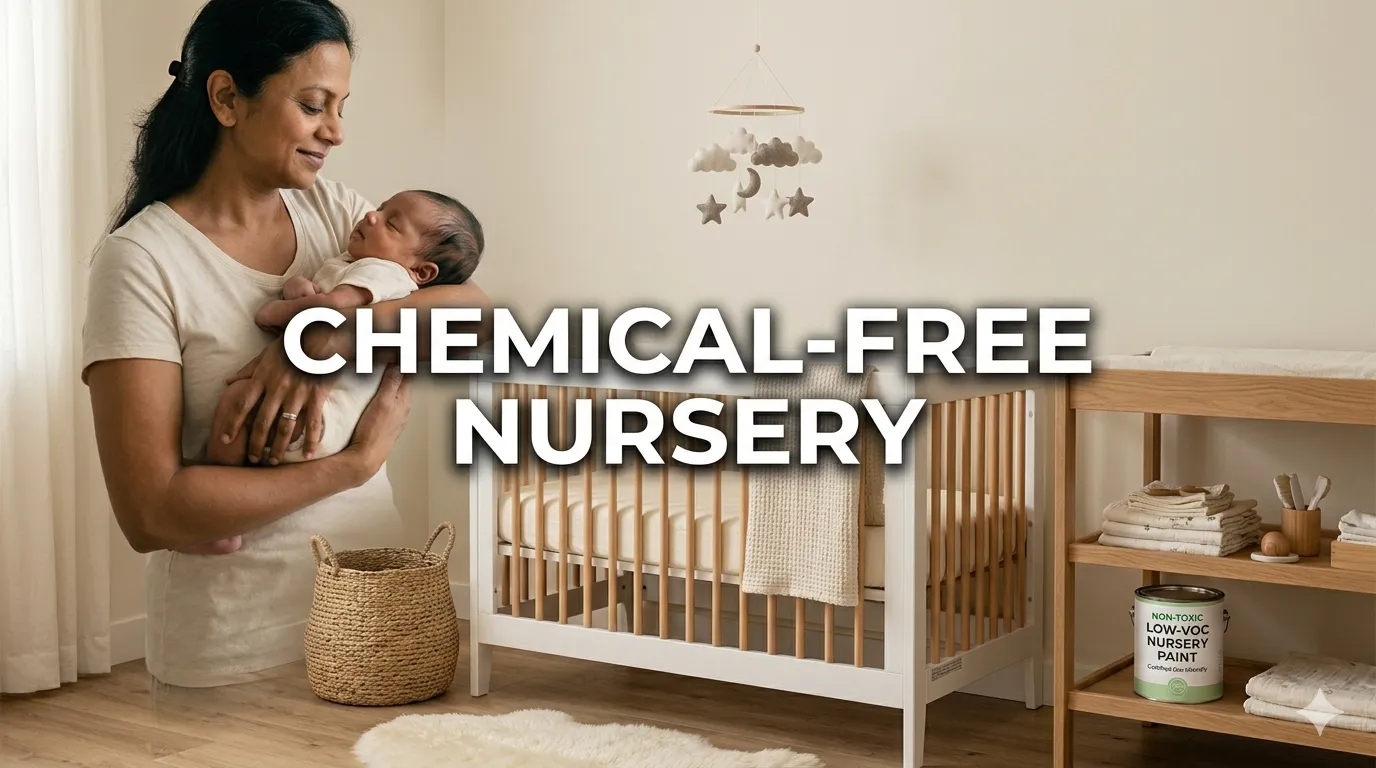
Creating a Safe Haven: Your Chemical-Free Nursery Guide
Bringing a new baby home is one of life's most precious moments. As expectant parents prepare the nursery, they carefully select every detail—from the crib's design to the color of the walls. But there's a critical factor many parents overlook: the hidden chemicals lurking in conventional paints, furniture, and materials that could affect their baby's developing body and health.
Creating a chemical-free nursery isn't just a trend—it's a necessary step in protecting your baby's health. Infants spend up to 16-18 hours a day sleeping in their nursery during the first months of life. Their developing respiratory systems, delicate skin, and immature detoxification organs make them particularly vulnerable to indoor air pollutants and chemical exposure.
The good news? Setting up a safe, non-toxic nursery is entirely achievable with the right knowledge and resources. This comprehensive guide will walk you through everything you need to know about selecting low-VOC paints, choosing non-toxic furniture, and creating a healthy environment where your baby can thrive.
Understanding the Hidden Dangers in Conventional Nurseries
Before diving into solutions, it's essential to understand what you're protecting your baby from. Conventional nursery products often contain harmful chemicals that can off-gas into the air for months or even years after purchase.
What Are VOCs and Why Do They Matter?
Volatile Organic Compounds (VOCs) are chemicals that evaporate at room temperature, releasing gases into the air you breathe. These compounds are found in:
- Conventional paints and primers
- Furniture finishes and stains
- Adhesives and glues
- Carpets and flooring
- Cleaning products
- Air fresheners
Common VOCs in nursery products include formaldehyde, benzene, toluene, and xylene. These chemicals can cause immediate health effects like eye, nose, and throat irritation, headaches, nausea, and dizziness. Long-term exposure has been linked to more serious conditions including respiratory problems, liver and kidney damage, and even cancer.
Babies are at particular risk because:
- Their respiratory systems are still developing
- They breathe faster than adults, inhaling more pollutants relative to body weight
- They spend more time indoors
- Their detoxification systems aren't fully mature
- They're closer to the floor where some chemicals concentrate
The Off-Gassing Problem
When you bring new furniture or freshly painted walls into your nursery, they don't just release chemicals immediately—they continue off-gassing for weeks, months, or even years. This process, called "off-gassing," means your baby could be exposed to harmful chemicals long after the nursery is "complete."
Fresh paint can off-gas for 2-5 years, though the strongest emissions occur in the first 6 months. New furniture, especially pieces made with pressed wood or particleboard, can off-gas formaldehyde for up to 3 years.
This is why simply painting the nursery and moving in isn't enough. You need to choose low-VOC or zero-VOC products from the start and allow adequate time for any emissions to dissipate before your baby arrives.
Other Chemical Concerns in Nurseries
Beyond VOCs, conventional nursery products may contain:
Flame retardants: Often added to furniture foam, mattresses, and textiles. These chemicals can disrupt hormones and affect neurological development.
Phthalates: Used to make plastics flexible, found in vinyl products, some toys, and even wall paint. Linked to reproductive and developmental issues.
Heavy metals: Some conventional paints contain lead, cadmium, or other heavy metals that can affect brain development.
Antimicrobial treatments: Added to prevent mold and bacteria but can disrupt healthy microbiome development and contribute to antibiotic resistance.
Choosing the Right Low-VOC and Zero-VOC Paints
Paint is one of the biggest sources of VOCs in a nursery, but it's also one of the easiest to control. Understanding paint labels and knowing which brands to trust will help you make the best choice for your baby's room.
Understanding Paint Labels
Low-VOC Paint: Contains less than 50 grams of VOCs per liter for flat finishes, or less than 150 grams per liter for non-flat finishes, according to EPA standards.
Zero-VOC Paint: Contains less than 5 grams of VOCs per liter. However, "zero-VOC" doesn't mean completely chemical-free—these paints may still contain other potentially harmful ingredients.
Natural Paint: Made from natural ingredients like clay, lime, milk protein, or plant oils. These typically have the lowest chemical content but may be more expensive and offer fewer color options.
Important: Even if the base paint is zero-VOC, adding color tint can introduce VOCs. Always ask for zero-VOC or low-VOC colorants.
Best Low-VOC and Zero-VOC Paint Brands
Several reputable brands specialize in safe, low-emission paints:
Benjamin Moore Natura: Zero-VOC, GREENGUARD Gold certified, excellent coverage, wide color selection. Slightly higher price point but superior quality.
Sherwin-Williams Harmony: Zero-VOC, formaldehyde-free, helps reduce indoor odors, GREENGUARD Gold certified. Good mid-range option.
Behr Premium Plus Ultra: Zero-VOC, affordable, widely available at Home Depot. Good budget-friendly option without sacrificing safety.
ECOS Paints: Zero-VOC, truly non-toxic formula, excellent for chemically sensitive individuals. Premium price but purest option.
Clay Paint (Earthborn, Annie Sloan): Natural clay-based, breathable, zero-VOC. Beautiful matte finish but requires more skill to apply.
Milk Paint (Real Milk Paint Co.): Made from milk protein, lime, and natural pigments. Completely non-toxic but limited color range and shorter shelf life.
Paint Application Tips for Minimal Exposure
Timing is crucial: Paint the nursery at least 2-3 months before your baby's due date. This allows maximum time for off-gassing.
Ventilate aggressively: Keep windows open and use fans to circulate air during painting and for at least 2-3 weeks afterward. Run air purifiers with HEPA and activated carbon filters.
Choose the right season: If possible, paint during warmer months when you can keep windows open without heating or cooling concerns.
Use proper preparation: Sand existing paint carefully (test for lead if home was built before 1978), clean walls thoroughly, and use low-VOC primer if needed.
Hire professionals carefully: If hiring painters, ensure they understand your need for low-VOC products and proper ventilation. Some offer "green painting" services.
Color Considerations
Darker and more vibrant colors typically require more pigment, which can increase VOC content even in zero-VOC base paints. If you want bold colors:
- Use them as accent walls rather than painting the entire room
- Choose zero-VOC colorants specifically
- Allow extra ventilation time
- Consider natural pigments or clay paints for deeper colors
Soft, neutral tones like cream, soft gray, pale blue, or muted sage are not only calming for babies but also typically require less pigment and therefore have lower chemical content.
Selecting Non-Toxic Nursery Furniture
Furniture is another major source of chemical exposure in nurseries. The crib, changing table, dresser, and glider can all off-gas harmful chemicals if not chosen carefully.
Understanding Furniture Materials
Solid Wood (Best Option): Furniture made from solid hardwoods like oak, maple, cherry, or birch is the safest choice. Look for pieces finished with natural oils, waxes, or water-based finishes rather than synthetic varnishes.
Plywood (Good Option): High-quality plywood with formaldehyde-free adhesives is acceptable. Avoid particleboard, MDF (medium-density fiberboard), or pressed wood, which typically contain high levels of formaldehyde.
Metal (Good Option): Metal frames with powder-coated finishes (low-VOC) are safe and durable. Ensure the coating is lead-free and non-toxic.
Bamboo (Excellent Option): Sustainable, naturally antimicrobial, and typically uses fewer chemicals in processing. Ensure adhesives are formaldehyde-free.
Certifications to Look For
When shopping for nursery furniture, these certifications indicate safer products:
GREENGUARD Gold: Tests for over 10,000 chemicals and VOCs, with strict limits appropriate for children's products and schools.
FSC Certified (Forest Stewardship Council): Ensures wood comes from responsibly managed forests, often indicating higher quality and fewer chemical treatments.
GOTS Certified (Global Organic Textile Standard): For upholstered furniture, ensures organic fibers and restricts harmful chemicals.
Cradle to Cradle Certified: Evaluates material health, material reutilization, renewable energy use, water stewardship, and social fairness.
OEKO-TEX Standard 100: Tests textiles for harmful substances, important for any fabric components.
Best Non-Toxic Furniture Brands
Babyletto: GREENGUARD Gold certified, sustainable New Zealand pine, modern designs, reasonable prices. Popular choice for cribs and dressers.
DaVinci: GREENGUARD Gold certified, solid wood construction, convertible cribs, affordable. Good value for safety-conscious parents.
Offi Furniture: Modern designs, FSC-certified wood, low-VOC finishes, made in USA. Higher price point but exceptional quality.
Oeuf: Sustainable birch and maple, low-VOC finishes, modern aesthetic, GREENGUARD certified. Eco-friendly and stylish.
Naturepedic: Organic cotton mattresses, non-toxic materials, GREENGUARD Gold certified. Premium option for the healthiest sleep surface.
West Elm Kids (select pieces): FSC-certified wood, some GREENGUARD options, modern designs. Verify certifications on specific pieces.
What to Avoid
Pressed wood and particleboard: These materials use formaldehyde-based adhesives and off-gas significantly. If you must use them, seal with low-VOC sealant and allow extensive off-gassing time.
Vinyl or PVC: Often contains phthalates. Avoid vinyl mattresses, changing pads, and furniture coverings.
Stain-resistant or wrinkle-free treatments: These often contain perfluorinated chemicals (PFCs) that can disrupt hormones.
Synthetic flame retardants: While fire safety is important, many flame retardants are more harmful than the fire risk they address. Look for naturally fire-resistant materials like wool instead.
Secondhand Furniture: Proceed with Caution
Buying used furniture can be economical and eco-friendly, but requires careful evaluation:
Safe to buy used:
- Solid wood furniture in good condition
- Pieces that can be sanded and refinished with non-toxic finishes
- Metal furniture with intact, lead-free paint
Avoid buying used:
- Mattresses (hygiene concerns and unknown chemical history)
- Upholstered furniture (may contain flame retardants and accumulated chemicals)
- Particleboard or pressed wood (already off-gassing)
- Items with peeling or chipping paint (potential lead exposure in older pieces)
If buying used solid wood furniture: Sand it down and refinish with natural oils or zero-VOC paint to create a fresh, safe surface.
Creating a Complete Non-Toxic Nursery Environment
Beyond paint and furniture, several other elements contribute to a truly chemical-free nursery.
Flooring Choices
Best options:
- Solid hardwood: Finished with water-based, low-VOC sealants. Easy to clean and doesn't harbor allergens.
- Cork: Naturally antimicrobial, comfortable, sustainable. Ensure adhesives are low-VOC.
- Natural linoleum (Marmoleum): Made from linseed oil, cork dust, and wood flour. Not the same as vinyl!
- Ceramic or stone tile: Completely inert, easy to clean. Add rugs for warmth and comfort.
Avoid:
- Vinyl or PVC flooring (contains phthalates)
- Laminate flooring (often contains formaldehyde)
- Carpet (traps dust, allergens, and off-gasses chemicals)
If you have existing carpet: Remove it if possible. If not, have it professionally cleaned with non-toxic products and use a HEPA vacuum regularly.
Window Treatments
Choose:
- Organic cotton or linen curtains
- Wooden blinds (unfinished or finished with natural oils)
- Bamboo shades
Avoid:
- Vinyl blinds (contain phthalates)
- Synthetic fabrics with stain-resistant treatments
- Blackout curtains with chemical coatings (look for GOTS-certified organic options instead)
Bedding and Textiles
Your baby will spend most of their time in contact with bedding, making this a critical area for non-toxic choices:
Look for:
- GOTS-certified organic cotton: Grown without pesticides, processed without harmful chemicals
- Organic wool: Naturally fire-resistant, temperature-regulating, chemical-free
- OEKO-TEX certified fabrics: Tested for harmful substances
Avoid:
- Polyester and synthetic fabrics (often treated with chemicals)
- Conventional cotton (heavily pesticide-treated)
- Waterproof mattress covers with vinyl or PVC (choose organic wool or food-grade polyethylene instead)
Air Quality Management
Even with the best product choices, maintaining good air quality is essential:
Use air purifiers: Invest in a quality HEPA air purifier with activated carbon filter. Run it continuously in the nursery, especially during the first few months.
Ventilate regularly: Open windows daily when weather permits to exchange indoor air with fresh outdoor air.
Control humidity: Keep humidity between 30-50% to prevent mold growth. Use a dehumidifier if needed.
Remove shoes at the door: Prevent tracking in pesticides, herbicides, and other outdoor pollutants.
Avoid synthetic fragrances: No air fresheners, scented candles, or plug-in fresheners in or near the nursery.
Timeline and Budget Planning
Setting up a chemical-free nursery requires planning, but it doesn't have to break the bank or overwhelm you.
Ideal Timeline
6 months before due date:
- Research and select paint, furniture, and materials
- Order items with longer lead times (custom furniture, organic mattresses)
- Set budget and prioritize purchases
4-5 months before due date:
- Paint the nursery (allow maximum off-gassing time)
- Install flooring if changing
- Begin aggressive ventilation
3 months before due date:
- Assemble furniture (allow off-gassing time)
- Install window treatments
- Continue ventilation and air purification
2 months before due date:
- Add bedding and textiles
- Deep clean the room
- Test air quality if concerned
1 month before due date:
- Final setup and organization
- Ensure everything is baby-ready
- Rest and prepare for baby's arrival
Budget-Friendly Strategies
Creating a non-toxic nursery doesn't require unlimited funds:
Prioritize: Focus your budget on items your baby has most contact with—mattress, crib, and paint. These deserve the highest quality non-toxic options.
DIY refinishing: Buy solid wood secondhand furniture and refinish it yourself with natural oils or zero-VOC paint.
Start simple: You don't need a perfectly decorated nursery. A safe crib, mattress, and clean space are the essentials. Decorate gradually with non-toxic items.
Shop sales: Many eco-friendly brands offer sales during major holidays or baby events. Sign up for newsletters to catch discounts.
Registry wisely: Add specific non-toxic products to your baby registry so friends and family can contribute to healthier choices.
Repurpose: Use dressers from other rooms as changing tables (just add a changing pad). Use existing bookshelves for storage.
Typical Budget Ranges
Budget-friendly ($1,500-$3,000):
- Low-VOC paint: $50-100
- Budget non-toxic crib (DaVinci, Babyletto): $200-400
- Organic mattress (mid-range): $300-500
- Organic bedding set: $150-250
- Refinished or budget dresser: $200-400
- Glider (basic): $200-400
- Air purifier: $150-300
- Miscellaneous (rugs, curtains, storage): $250-650
Mid-range ($3,000-$6,000):
- Premium zero-VOC paint: $100-200
- High-end non-toxic crib: $500-900
- Premium organic mattress: $600-1,000
- Organic bedding and textiles: $300-500
- Solid wood furniture set: $800-1,500
- Quality glider: $400-800
- Premium air purifier: $300-500
- Organic rug and decor: $500-1,100
High-end ($6,000+):
- Natural clay or milk paint: $200-400
- Custom solid wood furniture: $1,500-3,000
- Luxury organic mattress: $1,000-2,000
- Premium organic textiles: $500-1,000
- Designer eco-friendly pieces: $1,000-3,000
- Advanced air purification system: $500-1,000
- Professional indoor air quality testing: $300-600
Testing and Verification
Once your nursery is set up, you may want to verify that it's truly safe.
Air Quality Testing
DIY test kits: Available for formaldehyde, VOCs, and mold. These provide basic information but may not be as accurate as professional testing.
Professional testing: Indoor air quality specialists can test for specific VOCs, formaldehyde, mold, and other contaminants. Costs $300-600 but provides peace of mind.
Air quality monitors: Devices like Awair or Foobot continuously monitor indoor air quality, tracking VOCs, particulate matter, temperature, and humidity.
When to Test
- If anyone in the family has chemical sensitivities or asthma
- If you used any conventional products despite best efforts
- If you notice unusual odors
- If baby shows unexplained respiratory symptoms
- For peace of mind in older homes (potential lead or asbestos)
Common Mistakes to Avoid
Even well-intentioned parents make these common errors:
Mistake #1: Not Allowing Enough Time
Problem: Painting and furnishing the nursery just weeks before baby arrives doesn't allow time for off-gassing.
Solution: Start at least 3-4 months before due date. The earlier, the better.
Mistake #2: Focusing Only on Paint
Problem: Using zero-VOC paint but filling the room with conventional furniture and textiles.
Solution: Take a holistic approach. Paint is important, but furniture, flooring, and textiles contribute significantly to indoor air quality.
Mistake #3: Ignoring Ventilation
Problem: Not ventilating adequately after painting or assembling furniture.
Solution: Keep windows open, use fans, and run air purifiers continuously for the first few months.
Mistake #4: Falling for Greenwashing
Problem: Believing marketing terms like "natural," "eco-friendly," or "green" without verifying certifications.
Solution: Look for third-party certifications like GREENGUARD Gold, GOTS, or FSC. Don't trust vague marketing claims.
Mistake #5: Overlooking the Mattress
Problem: Spending heavily on furniture and paint but using a conventional mattress.
Solution: Prioritize the mattress. Your baby spends the most time in direct contact with it. Choose certified organic if possible.
The Long-Term Benefits
Creating a chemical-free nursery isn't just about the first few months. The benefits extend far beyond:
Reduced health risks: Lower exposure to toxins during critical developmental periods may reduce risks of asthma, allergies, and other health issues.
Better sleep: Cleaner air and absence of chemical irritants can promote better sleep for both baby and parents.
Environmental impact: Choosing sustainable, non-toxic products supports environmentally responsible manufacturing and reduces your family's ecological footprint.
Peace of mind: Knowing you've created the safest possible environment for your baby reduces stress and anxiety.
Setting a foundation: Establishing non-toxic habits early makes it easier to maintain a healthy home as your child grows.
Your Action Plan
Ready to create your chemical-free nursery? Here's your step-by-step action plan:
Week 1-2: Research and Planning
- Set your budget
- Research paint brands and colors
- Identify furniture needs (crib, changing table, storage, glider)
- Look up certifications and trusted brands
- Create a timeline
Week 3-4: Ordering and Scheduling
- Order paint and supplies
- Purchase or order furniture
- Order mattress and bedding
- Schedule any professional services (flooring, painting if hiring)
Week 5-8: Implementation
- Paint the nursery
- Install flooring if needed
- Begin aggressive ventilation
- Assemble furniture
- Continue ventilation
Week 9-12: Finishing Touches
- Add window treatments
- Set up bedding and textiles
- Install air purifier
- Deep clean the room
- Add finishing decor
Ongoing:
- Maintain ventilation
- Run air purifier
- Monitor air quality
- Clean regularly with non-toxic products
Final Thoughts
Creating a chemical-free nursery with low-VOC paints and non-toxic furniture is one of the most important gifts you can give your baby. While it requires research, planning, and sometimes a higher initial investment, the long-term benefits for your child's health and development are immeasurable.
Remember: Progress over perfection. You don't need to create a 100% perfect chemical-free environment. Every non-toxic choice you make reduces your baby's chemical exposure and contributes to a healthier start in life.
Start with the basics—safe paint, a non-toxic crib and mattress, and good ventilation. Build from there as your budget and time allow. The fact that you're educating yourself and making conscious choices already sets you apart as a caring, informed parent.
Your baby's nursery should be a sanctuary—a place of safety, comfort, and health. By choosing low-VOC paints, non-toxic furniture, and natural materials, you're creating more than just a beautiful room. You're building a foundation for lifelong health and well-being.
Welcome your little one to a world that's safer, cleaner, and filled with love. Your chemical-free nursery is the first step in that journey.


0 Comments