

How to Start a Ghost Kitchen for High Protein Vegan Meals
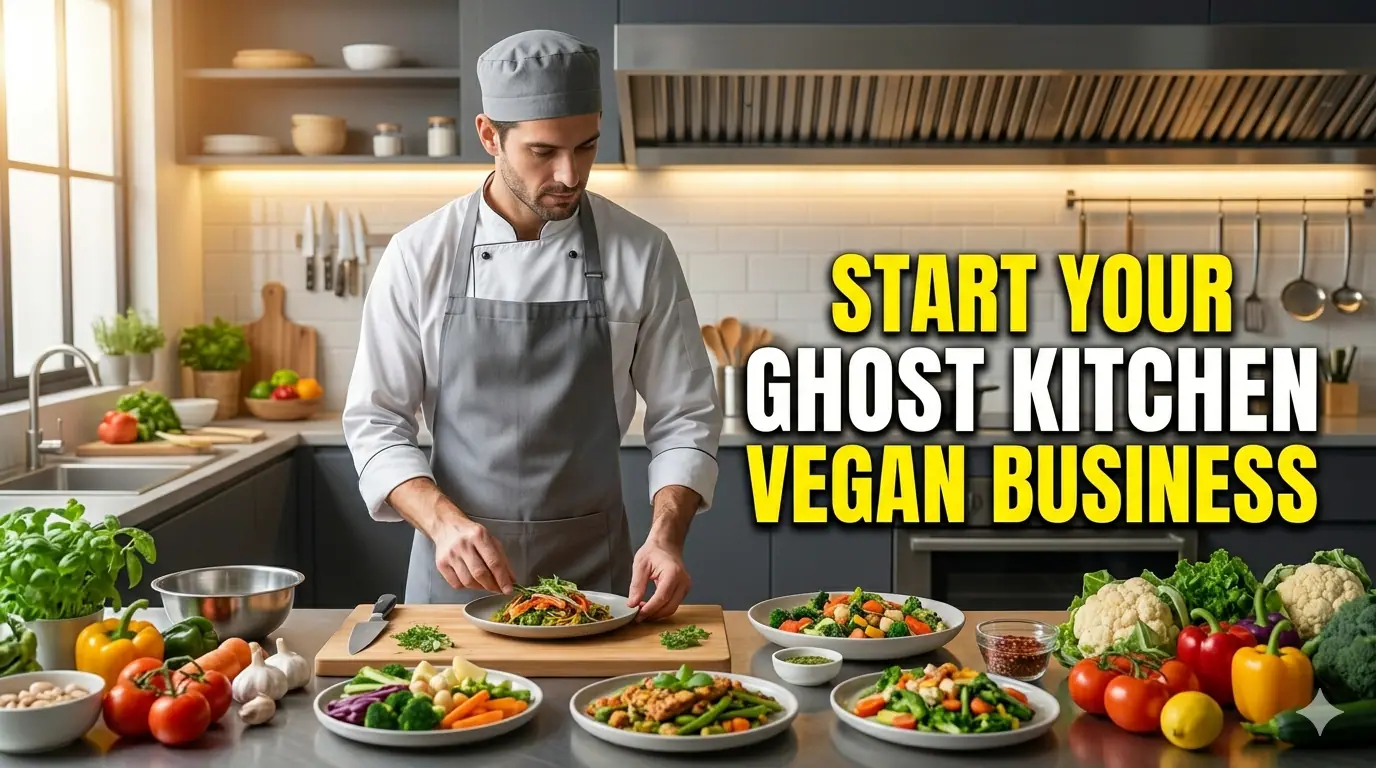
Introduction to Ghost Kitchens and High-Protein Vegan Opportunities
The food service industry is experiencing a revolutionary transformation with the rise of ghost kitchens, also known as cloud kitchens or virtual restaurants. These delivery-only food preparation facilities operate without traditional dine-in spaces, focusing exclusively on fulfilling online orders through third-party delivery platforms and direct ordering systems. When combined with the explosive growth of plant-based eating and the specific demand for high-protein vegan meals, ghost kitchens present an exceptional business opportunity for entrepreneurs ready to capitalize on these converging trends.
The global ghost kitchen market was valued at approximately $43.5 billion in 2023 and is projected to reach $71.4 billion by 2027, representing a compound annual growth rate of 13.2 percent. Simultaneously, the plant-based food market continues its meteoric rise, with the global vegan food market expected to reach $31.4 billion by 2026. Within this space, high-protein vegan meals represent a particularly lucrative niche, as health-conscious consumers, athletes, and fitness enthusiasts increasingly seek plant-based options that support their nutritional goals without compromising on protein content.
Starting a ghost kitchen specializing in high-protein vegan meals offers numerous advantages over traditional restaurant models. Lower overhead costs, reduced startup capital requirements, operational flexibility, and the ability to quickly adapt menus based on customer data make this business model particularly attractive. Furthermore, the specialization in high-protein vegan cuisine allows you to serve a dedicated and growing customer base that includes vegans, vegetarians, flexitarians, and health-conscious omnivores seeking to reduce their meat consumption while maintaining adequate protein intake.
Understanding the Ghost Kitchen Business Model
What Is a Ghost Kitchen and How Does It Work?
A ghost kitchen is a professional food preparation facility that operates exclusively for delivery and takeout orders, with no physical storefront or dine-in options. These facilities can take several forms, from dedicated single-brand operations to multi-brand commissary kitchens that house multiple virtual restaurants under one roof. The ghost kitchen model leverages technology platforms like Uber Eats, DoorDash, Grubhub, and Postmates to reach customers, while also potentially operating direct ordering systems through proprietary websites and apps.
The operational flow typically works as follows: customers place orders through delivery apps or direct ordering platforms, the order is transmitted to the ghost kitchen, kitchen staff prepare the meal according to standardized recipes and procedures, the completed order is packaged for delivery, and third-party drivers or in-house delivery personnel transport the food to customers. This streamlined process eliminates many of the costs and complexities associated with traditional restaurants, including front-of-house staff, dining area maintenance, and prime real estate expenses.
Advantages of the Ghost Kitchen Model for Vegan Food
Ghost kitchens offer particular advantages for vegan food businesses. First, the lower overhead allows for competitive pricing while maintaining healthy profit margins, which is crucial in the often price-sensitive plant-based market. Second, the delivery-only model means you can reach a wider geographic area without the limitations of a physical location, allowing you to serve vegan communities that may be dispersed across a metropolitan area.
Third, ghost kitchens provide exceptional flexibility for menu experimentation and iteration. Without the constraints of printed menus, dining room aesthetics, or customer expectations tied to a physical space, you can quickly test new high-protein vegan dishes, adjust recipes based on customer feedback, and pivot your menu strategy based on sales data. This agility is particularly valuable in the rapidly evolving plant-based food sector, where new ingredients, cooking techniques, and flavor profiles emerge constantly.
Fourth, the technology-driven nature of ghost kitchens aligns perfectly with the demographics of vegan consumers, who tend to be tech-savvy, environmentally conscious, and comfortable with digital ordering platforms. The data analytics capabilities of delivery platforms also provide valuable insights into customer preferences, ordering patterns, and peak demand times, enabling data-driven decision making.
Market Opportunity for High-Protein Vegan Meals
Growing Demand for Plant-Based Protein
The demand for high-protein vegan meals has surged dramatically in recent years, driven by multiple converging factors. Health and fitness enthusiasts increasingly recognize that plant-based diets can provide adequate, and often superior, protein for muscle building, athletic performance, and overall wellness. The misconception that vegans struggle to get enough protein has been thoroughly debunked by nutrition science, yet the demand for convenient, clearly labeled high-protein vegan options continues to grow.
Athletes and bodybuilders represent a significant market segment, with many professional and amateur competitors adopting plant-based diets for performance and recovery benefits. Research has shown that plant-based proteins can support muscle synthesis and athletic performance as effectively as animal proteins when consumed in adequate quantities and variety. This has created demand for convenient, macro-counted vegan meals that make it easy for active individuals to meet their protein requirements.
Beyond athletes, the general health-conscious consumer increasingly seeks high-protein options for weight management, satiety, and metabolic health. Protein-rich meals help control hunger, stabilize blood sugar, and support lean muscle mass, making them attractive to anyone pursuing health and fitness goals. The convenience factor is crucial, as busy professionals and parents seek nutritious, ready-to-eat options that align with their dietary values and nutritional needs.
Target Customer Demographics
Understanding your target customer is essential for menu development, marketing strategy, and operational planning. Primary customer segments for high-protein vegan ghost kitchens include:
- Vegan Athletes and Fitness Enthusiasts: Individuals committed to plant-based lifestyles who require 1.2 to 2.0 grams of protein per kilogram of body weight for training and recovery
- Health-Conscious Professionals: Busy individuals seeking convenient, nutritious meals that support their wellness goals without extensive meal prep time
- Flexitarians and Reducetarians: People reducing meat consumption for health, environmental, or ethical reasons who want satisfying, protein-rich plant-based options
- Weight Management Seekers: Individuals pursuing weight loss or maintenance who need high-protein, nutrient-dense meals that promote satiety
- Environmental and Ethical Consumers: People motivated by sustainability and animal welfare who refuse to compromise on nutrition
- Meal Prep Subscribers: Customers seeking weekly or monthly meal plans that eliminate cooking while ensuring nutritional adequacy
Competitive Landscape Analysis
While the high-protein vegan meal market is growing, it remains less saturated than general food delivery categories, presenting opportunities for differentiation and market capture. Existing competitors may include:
- National meal delivery services like Purple Carrot, Trifecta Nutrition, and Vege
- Local vegan restaurants offering delivery
- General healthy meal prep services with limited vegan options
- Other ghost kitchens with vegan offerings
However, many of these competitors lack specialization in high-protein vegan cuisine, creating an opportunity to dominate this specific niche. Your competitive advantage will come from protein-focused menu design, transparent nutritional information, athletic performance positioning, and exceptional quality that demonstrates vegan food can be both nutritious and delicious.
Step-by-Step Guide to Launching Your Ghost Kitchen
Step 1: Develop Your Business Plan and Concept
A comprehensive business plan serves as your roadmap and is essential for securing funding if needed. Your plan should include:
- Executive Summary: Clear articulation of your concept, target market, and unique value proposition
- Market Analysis: Research on local demand, competition, and target customer demographics
- Menu Strategy: Initial menu concepts with focus on high-protein vegan dishes
- Operations Plan: Kitchen setup, staffing, suppliers, and delivery logistics
- Marketing Strategy: Customer acquisition tactics and brand positioning
- Financial Projections: Startup costs, revenue forecasts, and break-even analysis
- Funding Requirements: Capital needed and intended use of funds
Your concept should clearly define what makes your high-protein vegan ghost kitchen unique. Will you focus on athletic performance meals, international cuisine, comfort food reimagined, or gourmet fine dining experiences? Defining your niche helps with branding, menu development, and marketing messaging.
Step 2: Secure Funding and Budget Planning
Ghost kitchens typically require significantly less capital than traditional restaurants, with startup costs ranging from $30,000 to $150,000 depending on scale and location. Key expense categories include:
- Kitchen Space: Lease deposits, rent, and utilities ($2,000 to $8,000 monthly)
- Equipment: Commercial ovens, refrigeration, prep stations, and smallwares ($15,000 to $50,000)
- Licensing and Permits: Health department, business license, food handler certifications ($500 to $3,000)
- Technology: POS systems, ordering platforms, kitchen display systems ($2,000 to $10,000)
- Initial Inventory: Food supplies, packaging materials ($3,000 to $8,000)
- Marketing and Branding: Logo design, website, initial advertising ($2,000 to $10,000)
- Working Capital: Operating expenses for first 3-6 months ($10,000 to $30,000)
Funding sources may include personal savings, small business loans, SBA loans, angel investors, crowdfunding, or partnerships. Prepare detailed financial projections showing path to profitability within 12-18 months.
Step 3: Find and Set Up Your Kitchen Space
Location selection for a ghost kitchen differs significantly from traditional restaurants. Key considerations include:
- Delivery Radius: Position within 3-5 miles of target customer demographics
- Zoning Compliance: Ensure commercial kitchen use is permitted
- Infrastructure: Adequate electrical, gas, water, and ventilation systems
- Accessibility: Easy access for delivery drivers and suppliers
- Cost: Balance between affordability and strategic location
You have several options for kitchen space:
- Commissary Kitchen Rental: Shared commercial kitchen space with hourly or monthly rates, lowest upfront cost
- Ghost Kitchen Incubator: Facilities designed specifically for virtual restaurants with built-in technology and support
- Dedicated Lease: Renting your own commercial kitchen space for maximum control
- Restaurant Partnership: Operating during off-hours in an existing restaurant kitchen
Step 4: Obtain Licenses and Permits
Legal compliance is non-negotiable. Required permits and licenses typically include:
- Business License: Registration with city or county
- Food Service Permit: Health department approval
- Food Handler Certifications: Required for all kitchen staff
- Seller's Permit: For collecting sales tax
- Employer Identification Number (EIN): From IRS for tax purposes
- Fire Department Permit: If using certain cooking equipment
- Signage Permit: If any exterior signage is used
- Music License: If playing music in kitchen (rarely needed)
Requirements vary by location, so consult with local health department and business licensing offices. Allow 4-8 weeks for permit processing.
Step 5: Design Your High-Protein Vegan Menu
Menu development is where your concept comes to life. Focus on creating dishes that are:
- High in Protein: Each meal should provide 20-40 grams of protein
- Nutritionally Balanced: Complete amino acid profiles, adequate micronutrients
- Delicious and Satisfying: Flavor-forward, texturally interesting
- Travel-Friendly: Maintain quality during delivery
- Efficient to Prepare: Streamlined for ghost kitchen operations
- Cost-Effective: Appropriate food cost percentages (25-35 percent)
Essential High-Protein Vegan Ingredients and Sources
Primary Protein Sources
Building a high-protein vegan menu requires strategic use of plant-based protein sources. Key ingredients include:
- Tempeh: Fermented soy product with 15-20 grams protein per 3 ounces, excellent texture, nutty flavor
- Seitan: Wheat gluten with 25 grams protein per 3.5 ounces, meat-like texture
- Extra-Firm Tofu: Versatile soy product with 10-20 grams protein per serving
- Edamame: Young soybeans with 17 grams protein per cup
- Lentils: 18 grams protein per cooked cup, budget-friendly, versatile
- Chickpeas: 15 grams protein per cup, excellent for various cuisines
- Black Beans: 15 grams protein per cup, popular in Mexican-inspired dishes
- Quinoa: Complete protein with 8 grams per cooked cup
- Hemp Seeds: 10 grams protein per 3 tablespoons, complete amino acids
- Nutritional Yeast: 8 grams protein per 2 tablespoons, cheesy flavor, B vitamins
- Pea Protein: Isolated protein powder for smoothies and fortified dishes
- Plant-Based Protein Powders: Pea, rice, hemp blends for supplements
Complementary Ingredients
Round out meals with nutrient-dense ingredients:
- Whole Grains: Brown rice, farro, barley, whole wheat pasta
- Vegetables: Leafy greens, cruciferous vegetables, colorful produce
- Healthy Fats: Avocados, nuts, seeds, olive oil
- Flavor Enhancers: Tahini, miso, soy sauce, spices, herbs
- Dairy Alternatives: Plant-based cheeses, yogurts, milks for specific applications
Sourcing Strategies
Establish relationships with reliable suppliers:
- Wholesale Distributors: Sysco, US Foods, or local equivalents for broad product range
- Specialty Vegan Suppliers: Companies specializing in plant-based products
- Local Farmers Markets: Fresh produce, potential for unique ingredients
- Asian Markets: Affordable tofu, tempeh, seitan, and specialty items
- Bulk Food Stores: Cost-effective grains, legumes, nuts, and seeds
- Direct from Manufacturers: For high-volume items like plant-based proteins
Negotiate pricing, establish delivery schedules, and maintain backup suppliers for critical ingredients. Quality consistency is essential for maintaining customer trust.
Operations and Kitchen Management
Kitchen Equipment Essentials
Equip your ghost kitchen with commercial-grade equipment designed for efficiency and volume:
- Cooking Equipment: Commercial convection ovens, induction burners, commercial ranges
- Refrigeration: Walk-in or reach-in refrigerators and freezers
- Prep Stations: Stainless steel work tables with storage
- Food Processors: High-capacity models for sauces, dips, and prep
- Blenders: Commercial blenders for smoothies and sauces
- Steamers: For vegetables, grains, and tempeh
- Grills and Griddles: For searing proteins and vegetables
- Dishwashing: Commercial dishwasher or three-compartment sink
- Storage: Dry goods shelving, ingredient bins
- Smallwares: Knives, cutting boards, pots, pans, utensils
Staffing Requirements
Build a team based on projected volume:
- Head Chef or Kitchen Manager: Menu execution, quality control, inventory management
- Line Cooks: Food preparation and cooking (1-3 depending on volume)
- Prep Cooks: Ingredient preparation, batch cooking
- Packaging Specialist: Order assembly, quality check, packaging
- Delivery Coordination: Managing driver pickup, order tracking
Initially, you may handle multiple roles yourself to control costs. As volume grows, hire strategically based on bottlenecks. All staff should have food handler certifications and training in vegan food preparation.
Technology Stack
Leverage technology for efficiency:
- Point of Sale (POS) System: Toast, Square, or Clover for order management
- Delivery Platform Integration: Aggregators like Uber Eats, DoorDash, Grubhub
- Kitchen Display System: Digital order tickets replacing paper
- Inventory Management: Software like MarketMan or Upserve
- Direct Ordering Platform: Website with online ordering to reduce commission fees
- Customer Relationship Management: Email marketing, loyalty programs
- Accounting Software: QuickBooks or Xero for financial management
Quality Control Systems
Implement rigorous quality standards:
- Standardized Recipes: Exact measurements, cooking times, plating instructions
- Portion Control: Scales, measuring tools, consistent serving sizes
- Temperature Monitoring: Food safety logs, proper holding temperatures
- Taste Testing: Regular quality checks throughout service
- Packaging Standards: Leak-proof containers, proper sealing, branding
- Customer Feedback: Monitor reviews, respond to issues promptly
Marketing and Customer Acquisition Strategies
Brand Positioning and Identity
Develop a strong brand that resonates with your target audience:
- Brand Name: Memorable, relevant to high-protein vegan concept
- Visual Identity: Professional logo, color scheme, packaging design
- Brand Voice: Authentic, informative, inspiring, aligned with values
- Unique Selling Proposition: Clear differentiation from competitors
- Story: Why you started, your mission, your values
Digital Marketing Tactics
Build online presence and drive orders:
- Website: Professional site with menu, ordering, nutritional information, blog content
- Search Engine Optimization: Optimize for "vegan meal delivery," "high-protein vegan meals," local searches
- Social Media: Instagram and Facebook showcasing food photography, behind-the-scenes, customer testimonials
- Content Marketing: Blog posts about vegan nutrition, protein sources, recipes, fitness
- Email Marketing: Weekly newsletters, promotions, new menu items
- Influencer Partnerships: Collaborate with vegan athletes, fitness influencers, nutritionists
- Online Advertising: Google Ads, Facebook/Instagram ads targeting health-conscious consumers
Delivery Platform Optimization
Maximize visibility on third-party platforms:
- Professional Photography: High-quality, appetizing food images
- Compelling Descriptions: Highlight protein content, ingredients, flavors
- Strategic Pricing: Competitive yet profitable, consider platform commissions
- Promotional Offers: First-order discounts, bundle deals
- Quick Response: Minimize order rejection, maintain high acceptance rate
- Customer Service: Address issues promptly, maintain high ratings
Community Building
Engage with local and online communities:
- Vegan Groups: Participate in local vegan Facebook groups, Reddit communities
- Fitness Communities: Partner with gyms, yoga studios, CrossFit boxes
- Events: Sponsor or participate in vegan festivals, fitness events
- Referral Program: Incentivize customers to refer friends
- Loyalty Program: Reward repeat customers with points, discounts
Common Mistakes to Avoid
Inadequate Market Research
Many ghost kitchen failures stem from insufficient understanding of local demand, competition, and target customer preferences. Conduct thorough market research before launching, including analysis of delivery app data, competitor menus and pricing, and direct customer surveys. Validate your concept with a soft launch or pop-up before full-scale investment.
Poor Menu Engineering
Creating a menu that is too large, too complex, or not optimized for delivery leads to operational inefficiencies and inconsistent quality. Focus on a curated menu of 15-25 items that can be prepared efficiently, travel well, and maintain quality. Regularly analyze sales data to identify top performers and eliminate underperforming items.
Neglecting Packaging
Inadequate packaging results in spilled food, temperature loss, and poor customer experience. Invest in high-quality, leak-proof, eco-friendly packaging that maintains food temperature and presentation. Test packaging thoroughly before launch with actual delivery scenarios.
Underpricing or Overpricing
Pricing too low erodes margins and sustainability, while pricing too high limits market penetration. Calculate true costs including food, labor, packaging, platform commissions, and overhead. Research competitor pricing and position accordingly. Typical food cost should be 25-35 percent of menu price.
Inconsistent Quality
Inconsistency destroys customer trust and generates negative reviews. Implement standardized recipes, portion controls, and quality checks. Train staff thoroughly and maintain rigorous standards. One bad experience can lose a customer permanently in the competitive delivery market.
Ignoring Customer Feedback
Failing to monitor and respond to customer reviews, complaints, and suggestions misses opportunities for improvement. Actively solicit feedback, respond professionally to negative reviews, and implement changes based on customer input. Your customers are your best source of market intelligence.
Expert Tips for Success
Focus on Protein Transparency
Clearly display protein content on all menu items. Health-conscious consumers tracking macros appreciate transparency. Consider displaying complete nutritional information including calories, protein, carbohydrates, and fats. This builds trust and attracts serious fitness enthusiasts willing to pay premium prices for macro-counted meals.
Optimize for Meal Prep and Subscriptions
Offer weekly or monthly subscription plans that provide recurring revenue and customer loyalty. Meal prep subscriptions appeal to busy professionals and athletes who want consistent, convenient nutrition. Offer discounts for subscriptions to incentivize commitment and improve cash flow predictability.
Leverage Data Analytics
Use data from delivery platforms and your own systems to make informed decisions. Track popular items, peak ordering times, customer locations, average order values, and repeat purchase rates. Use this data to optimize menu, staffing, inventory, and marketing efforts.
Build Direct Ordering Channels
While delivery platforms provide visibility and customer acquisition, their 15-30 percent commissions erode margins. Invest in building direct ordering through your website with incentives like lower prices, loyalty points, or free delivery. Gradually shift mix toward direct orders to improve profitability.
Create Signature Dishes
Develop 3-5 signature dishes that are uniquely yours and cannot be easily replicated by competitors. These become your brand ambassadors and reasons customers choose you over alternatives. Make them Instagram-worthy and consistently excellent.
Prioritize Sustainability
Align operations with vegan values by using eco-friendly packaging, minimizing food waste, sourcing locally when possible, and communicating your sustainability efforts. This resonates with your target audience and differentiates your brand.
Frequently Asked Questions
How much does it cost to start a ghost kitchen specializing in vegan meals?
Startup costs typically range from $30,000 to $150,000 depending on whether you rent commissary space or lease dedicated facilities, equipment needs, and scale of operations. Commissary kitchen rentals can start as low as $500-$2,000 monthly with minimal upfront investment, while dedicated ghost kitchen spaces may require $50,000-$150,000 for build-out, equipment, and initial operating capital. Vegan ingredients can be cost-effective, particularly legumes and grains, though specialty plant-based proteins may carry premium pricing.
Do I need culinary experience to start a ghost kitchen?
While culinary experience is valuable, it is not strictly necessary if you hire experienced kitchen staff or partner with a chef. However, understanding food preparation, menu development, food safety, and kitchen operations is essential for quality control and cost management. Consider taking culinary courses, working in a kitchen, or hiring a consultant if you lack experience. Your business acumen and understanding of the vegan market can be equally important as cooking skills.
How do I ensure my vegan meals have complete proteins?
Combine complementary plant proteins throughout the day or within meals to ensure complete amino acid profiles. Pair grains with legumes (rice and beans), include soy products like tofu and tempeh which are complete proteins, incorporate quinoa and hemp seeds, and offer varied menus with multiple protein sources. Educate yourself on amino acid profiles and consult with a registered dietitian specializing in plant-based nutrition to validate your menu.
What are the best delivery platforms for ghost kitchens?
Major platforms include Uber Eats, DoorDash, Grubhub, and Postmates, each with different market penetration depending on your location. List on multiple platforms initially to maximize reach, then analyze which generate the best volume and margins. Also invest in direct ordering through your website to reduce commission costs. Some markets have additional regional platforms worth considering.
How long does it take to become profitable?
Most ghost kitchens reach profitability within 6-18 months, depending on location, concept, execution, and marketing effectiveness. Key factors include achieving sufficient order volume, optimizing operations for efficiency, controlling food and labor costs, and building a loyal customer base. Focus on unit economics from day one, and be prepared to iterate your concept based on market feedback.
Can I operate a ghost kitchen from home?
In most jurisdictions, operating a ghost kitchen from a home kitchen is illegal due to health department regulations requiring commercial kitchen facilities. Some areas have cottage food laws allowing limited food production from home, but these typically exclude potentially hazardous foods requiring temperature control. Rent commissary kitchen space or use ghost kitchen incubators to ensure legal compliance and food safety.
Conclusion: Your Path to Ghost Kitchen Success
Starting a ghost kitchen specializing in high-protein vegan meals positions you at the intersection of three powerful trends: the rise of delivery-only food service, the explosive growth of plant-based eating, and the increasing demand for convenient, nutritious meals that support health and fitness goals. This convergence creates exceptional opportunity for entrepreneurs who can execute with quality, consistency, and strategic marketing.
Success requires careful planning, adequate capitalization, operational excellence, and relentless focus on customer satisfaction. Develop a clear concept, create a menu that delivers on the high-protein promise while tasting exceptional, build efficient systems, and market strategically to your target audience. Leverage technology, embrace data-driven decision making, and remain flexible to adapt based on customer feedback and market trends.
The ghost kitchen model offers lower barriers to entry than traditional restaurants while providing scalability and flexibility. By specializing in high-protein vegan meals, you serve a dedicated and growing customer base with specific nutritional needs and values. With proper execution, your ghost kitchen can become a profitable, sustainable business that makes a positive impact on customer health and the environment.
The plant-based food revolution is not a trend but a fundamental shift in how people eat. By establishing your ghost kitchen now, you position yourself as a leader in this transformation. Take action, start planning, and bring your vision of delicious, nutritious, high-protein vegan meals to customers who are waiting for exactly what you will offer.


0 Comments