

How to Use AI Generated Soundscapes for Infant Focus
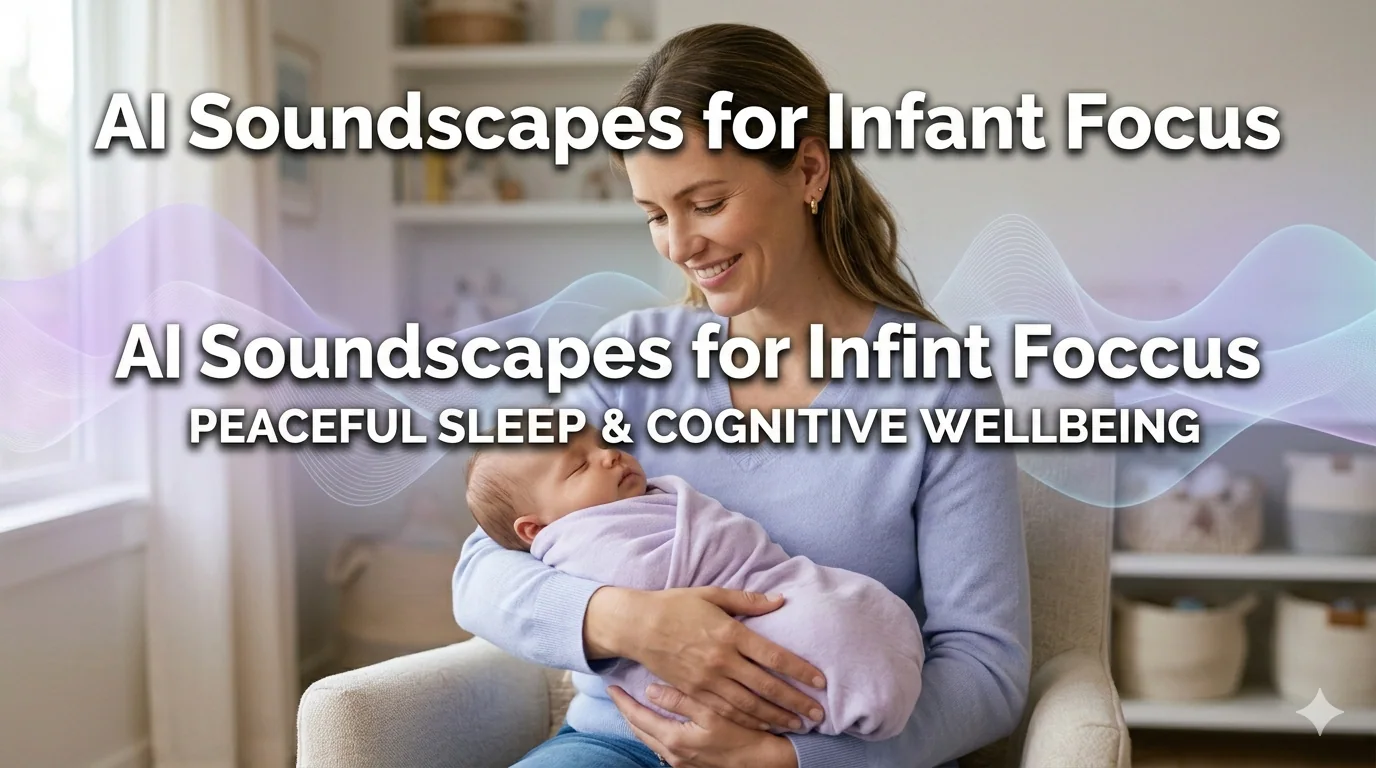
Introduction to White Noise 2.0 and Infant Development
The landscape of infant care is evolving rapidly, and one of the most intriguing developments is the emergence of White Noise 2.0: AI-generated soundscapes designed to support infant focus, sleep, and sensory development. While traditional white noise, pink noise, and nature sounds have long been used to soothe babies and mask disruptive environmental sounds, artificial intelligence is now enabling a new generation of adaptive, personalized audio experiences that respond to your baby's unique needs and patterns.
White Noise 2.0 represents a significant advancement over static sound loops. Instead of playing the same recording on repeat, AI-powered soundscapes analyze your infant's responses, adjust frequency ranges in real time, and create dynamic audio environments that evolve with your baby's developmental stage. These intelligent systems can detect when your baby is becoming drowsy, overstimulated, or restless, and subtly modify the soundscape to support the desired outcome, whether that is deeper sleep, calmer playtime, or improved focus during feeding or learning activities.
For parents navigating the challenges of infant care, these tools offer promising support. However, using AI-generated soundscapes effectively and safely requires understanding both the technology and your baby's developmental needs. This comprehensive guide explores what White Noise 2.0 is, how it differs from traditional sound therapy, the science behind infant auditory development, practical strategies for implementation, safety considerations, and expert recommendations for integrating these tools into your parenting routine.
Understanding White Noise 2.0 and AI Generated Soundscapes
What Makes White Noise 2.0 Different
Traditional white noise consists of all audible frequencies played at equal intensity, creating a consistent, static-like sound that masks environmental disruptions. Pink noise and brown noise offer variations with different frequency distributions, often perceived as softer or deeper. While these sounds can be effective for many infants, they are fundamentally static: the same pattern repeats regardless of your baby's state or needs.
White Noise 2.0 leverages artificial intelligence and machine learning to create adaptive soundscapes that respond to real-time inputs. These systems may analyze your baby's cry patterns, movement data from smart monitors, or even heart rate variability to adjust sound frequency, volume, rhythm, and texture dynamically. Some platforms allow parents to input preferences or developmental goals, enabling the AI to generate personalized audio experiences that evolve as your baby grows.
Key differentiators of AI-generated soundscapes include adaptive frequency modulation that shifts tones based on infant response, contextual awareness that adjusts sounds for sleep versus play versus feeding, personalized pattern recognition that learns your baby's unique preferences over time, and developmental staging that modifies sound complexity as auditory processing matures. These features create a more responsive, nuanced approach to sound therapy for infants.
The Technology Behind Adaptive Sound Generation
AI-generated soundscapes rely on several interconnected technologies. Machine learning algorithms process data about infant behavior, identifying patterns that correlate with specific states like drowsiness, alertness, or distress. Natural language processing and audio synthesis tools generate sound variations in real time, while sensor integration from smart baby monitors provides the input data that drives adaptation.
Some platforms use generative adversarial networks (GANs) to create novel sound textures that maintain soothing qualities while avoiding habituation, the tendency for babies to tune out repetitive sounds. Others incorporate biofeedback principles, adjusting audio parameters based on physiological indicators like breathing rate or movement intensity. While the technology is sophisticated, the user experience is designed to be simple: parents select goals or preferences, and the system handles the complexity behind the scenes.
The Science of Infant Auditory Development and Sound Therapy
How Babies Process Sound in Early Development
Infant auditory development follows a predictable trajectory that informs how sound therapy should be applied. Newborns can hear at birth, but their ability to process complex sounds, localize sources, and filter background noise develops gradually over the first year. During the first three months, babies are particularly sensitive to sudden loud sounds and benefit from consistent, gentle auditory environments that support nervous system regulation.
Research published in Pediatrics indicates that appropriate sound exposure can support auditory pathway development, while excessive or unpredictable noise may contribute to stress responses. White noise and similar sounds mimic the consistent auditory environment of the womb, which many infants find calming. However, the optimal sound profile varies by individual baby, developmental stage, and context, which is where adaptive AI systems offer potential advantages.
Evidence for Sound Therapy in Infant Focus and Sleep
Multiple studies support the use of sound therapy for infant sleep and calming. A systematic review in the Journal of Pediatrics found that white noise significantly reduced time to sleep onset and increased total sleep duration in infants. Other research suggests that consistent auditory environments can help babies self-soothe and develop more predictable sleep-wake cycles.
Regarding focus, while infants do not engage in sustained attention tasks like older children, sound environments can influence their ability to remain calm during feeding, play, or learning interactions. Gentle, predictable soundscapes may reduce overstimulation and support the focused alertness that facilitates bonding and early cognitive development. However, evidence specifically for AI-generated adaptive soundscapes is still emerging, and parents should approach new technologies with both curiosity and caution.
Practical Strategies for Using AI Soundscapes with Infants
Getting Started: Setup and Initial Calibration
Begin by selecting a reputable AI soundscape platform designed for infant use. Look for apps or devices that prioritize safety features like volume limiting, parental controls, and transparent data practices. Many platforms offer free trials, allowing you to evaluate effectiveness before committing to a subscription.
During initial setup, provide basic information about your baby's age, typical sleep patterns, and any specific goals you have, such as supporting nap transitions or reducing bedtime resistance. Some systems may request permission to access data from smart monitors; review privacy policies carefully and enable only the integrations you are comfortable with.
Start with short sessions to observe your baby's response. Play the soundscape at a low volume during a calm period, such as during a feeding or quiet playtime, and note whether your baby appears more relaxed, alert, or indifferent. Use these observations to refine settings before applying soundscapes during more sensitive times like sleep.
Optimizing Sound Settings for Different Contexts
AI soundscapes can be tailored to support various infant activities. For sleep, prioritize sound profiles that emphasize lower frequencies and steady rhythms, which mimic the womb environment and support nervous system downregulation. Many platforms offer dedicated sleep modes that gradually reduce volume or shift frequencies as your baby drifts off.
For focus during feeding or play, select soundscapes with slightly more variation and mid-range frequencies that maintain gentle engagement without overstimulation. Some systems offer interactive modes that respond to your baby's vocalizations or movements, creating a responsive auditory environment that supports interaction.
For calming during distress, choose profiles designed to soothe, often incorporating rhythmic patterns that mirror heartbeat or breathing. The adaptive nature of White Noise 2.0 means these profiles can adjust in real time if your baby's state changes, potentially offering more effective support than static sounds.
Integrating Soundscapes into Daily Routines
Consistency enhances the effectiveness of sound therapy. Incorporate AI soundscapes into predictable routines so your baby begins to associate specific sounds with specific activities. For example, play a calming profile during the pre-sleep routine, a gentle focus profile during morning play, and a soothing profile during evening wind-down.
Allow time for adaptation. Babies may need several exposures to a new soundscape before responding positively. If your baby seems unsettled initially, try adjusting volume, switching profiles, or shortening session length before concluding the approach is ineffective. Patience and observation are key to finding the right fit.
Safety Considerations and Best Practices
Volume Guidelines and Hearing Protection
Infant hearing is delicate, and excessive sound exposure can cause permanent damage. The American Academy of Pediatrics recommends keeping sound levels below fifty decibels for infants, roughly equivalent to a quiet conversation. Many AI soundscape apps include built-in volume limiters, but it is wise to verify output levels using a sound meter app or device.
Position sound sources at least three feet away from your baby's head to reduce direct exposure. Avoid placing speakers inside the crib or bassinet, as this concentrates sound and increases risk. If using a smart monitor with integrated speakers, ensure it is positioned outside the sleep space and angled away from your baby.
Monitor your baby's responses to sound. Signs of discomfort include turning away, crying, startling, or covering ears. If you observe these reactions, reduce volume immediately and consult your pediatrician if concerns persist. Remember that no sound therapy should cause distress; if it does, discontinue use and seek professional guidance.
Data Privacy and Technology Boundaries
AI-powered soundscapes often collect data about your baby's behavior to personalize experiences. Before enabling data collection features, review the platform's privacy policy to understand what information is gathered, how it is used, and whether it is shared with third parties. Opt out of non-essential data sharing and use strong, unique passwords for associated accounts.
Consider whether cloud-based processing is necessary for your needs. Some platforms offer on-device processing that keeps data local, reducing privacy risks. If you have concerns about data security, choose platforms that prioritize transparency and user control over information sharing.
Remember that technology should support, not replace, parental intuition and connection. Use AI soundscapes as one tool among many in your parenting toolkit, and trust your observations of your baby's needs above algorithmic recommendations. If a soundscape seems ineffective or concerning, you are always empowered to adjust or discontinue use.
Recommended Platforms and Tools for AI Soundscapes
Leading Apps and Devices for Infant Sound Therapy
Several platforms have emerged as leaders in AI-generated soundscapes for infants. While specific recommendations may evolve, look for tools that meet these criteria: pediatrician-endorsed or developed with infant development experts, transparent about data practices and safety features, offer customizable settings and parental controls, provide evidence-based content or cite relevant research, and include responsive customer support for troubleshooting.
Examples of platforms that have received positive attention include sound therapy apps with adaptive modes for infants, smart baby monitors with integrated AI sound generation, and dedicated white noise devices with machine learning capabilities. Before committing, read recent reviews from other parents, verify compatibility with your existing devices, and test free trials when available.
Evaluating Features and Avoiding Over Reliance
When comparing AI soundscape tools, prioritize features that enhance safety and effectiveness over novelty or complexity. Essential features include volume limiting, timer functions, offline mode for travel, and simple interfaces that do not require constant adjustment. Nice-to-have features might include integration with other smart home devices, multiple user profiles for different caregivers, or developmental tracking that shares insights with your pediatrician.
Avoid platforms that encourage excessive dependence on technology for soothing or sleep. The goal of White Noise 2.0 is to support your parenting, not replace your presence and responsiveness. Choose tools that empower you with options and insights while keeping you at the center of your baby's care.
Common Mistakes to Avoid When Using AI Soundscapes
Overusing Sound Therapy and Missing Natural Cues
One risk of convenient sound technology is overreliance. While AI soundscapes can be helpful, they should not become a default solution for every fuss or sleep challenge. Babies communicate needs through cries, movements, and other cues, and responding to these signals builds secure attachment and supports development.
Use soundscapes intentionally rather than automatically. Ask yourself whether sound is the appropriate response to your baby's current state, or whether feeding, changing, holding, or simply being present might be more effective. Technology works best when it complements, not substitutes for, responsive caregiving.
Ignoring Individual Differences and Developmental Changes
Every baby is unique, and what works for one infant may not work for another. Similarly, a soundscape that supports your newborn may need adjustment as your baby grows and their auditory processing matures. Avoid assuming that a single setting or profile will remain effective indefinitely.
Stay observant and flexible. If your baby's response to a soundscape changes, experiment with adjustments before concluding the approach no longer works. Consult your pediatrician if you have concerns about your baby's auditory development or if sound therapy seems to cause distress rather than comfort.
Expert Tips for Maximizing Benefits
Combine Soundscapes with Other Soothing Strategies
AI-generated soundscapes work best as part of a holistic approach to infant care. Pair sound therapy with other evidence-based soothing techniques like swaddling, gentle rocking, skin-to-skin contact, or rhythmic patting. The combination of multiple calming inputs can be more effective than any single strategy alone.
Create a multi-sensory environment that supports your goals. For sleep, combine a gentle soundscape with dim lighting, comfortable temperature, and a consistent pre-sleep routine. For focus during play, pair adaptive sounds with engaging but not overwhelming visual stimuli and responsive interaction.
Track Responses and Adjust Thoughtfully
Keep simple notes about how your baby responds to different soundscapes, volumes, and contexts. Over time, patterns will emerge that help you refine your approach. Many AI platforms include built-in tracking features, but a basic journal can be equally effective and gives you full control over your data.
Use observations to guide adjustments rather than rigid adherence to app recommendations. If your baby seems more settled with a particular frequency range or rhythm, prioritize those elements even if the algorithm suggests otherwise. Your direct experience with your baby is the most valuable data source.
Frequently Asked Questions
Is AI generated white noise safe for newborns
When used appropriately, AI-generated soundscapes can be safe for newborns. Key safety practices include keeping volume below fifty decibels, positioning speakers at least three feet from baby's head, limiting continuous exposure, and monitoring your baby's responses. Choose platforms designed for infant use with built-in safety features, and consult your pediatrician if you have concerns about your baby's hearing or development.
How long should I play AI soundscapes for my baby
Duration depends on context and your baby's response. For sleep, many parents play soundscapes throughout the night or use timer functions that fade out after baby falls asleep. For focus during play or feeding, shorter sessions of fifteen to thirty minutes may be sufficient. Observe your baby's cues and adjust duration based on whether the soundscape appears helpful or if your baby seems ready for a change.
Can AI soundscapes replace traditional white noise machines
AI soundscapes can offer advantages over traditional white noise machines, including adaptability, personalization, and contextual awareness. However, traditional machines remain effective for many families and may be preferable for parents who prefer simplicity or have privacy concerns about data collection. The best choice depends on your priorities, your baby's needs, and your comfort with technology.
Will my baby become dependent on soundscapes for sleep
Like any sleep association, soundscapes can become part of your baby's sleep routine. This is not inherently problematic if the association supports healthy sleep habits. To maintain flexibility, occasionally vary sound profiles, practice putting baby down drowsy but awake, and gradually reduce reliance as your baby develops self-soothing skills. The goal is supportive tools, not rigid dependencies.
How do I know if AI soundscapes are helping my baby
Look for observable indicators like faster sleep onset, longer sleep duration, calmer behavior during use, or improved focus during feeding or play. Keep in mind that infant behavior varies naturally, so look for trends over days or weeks rather than expecting immediate, consistent results. If you see no benefit after a reasonable trial period, or if your baby seems distressed, reconsider the approach and consult your pediatrician if concerns persist.
Conclusion: Embracing Technology with Intention and Care
White Noise 2.0 and AI-generated soundscapes represent an exciting frontier in infant care, offering personalized, adaptive support for sleep, focus, and sensory development. When used thoughtfully, these tools can enhance your parenting toolkit and provide gentle assistance during challenging moments. However, technology is most effective when it serves your intentions rather than dictating your approach.
As you explore AI soundscapes for your baby, prioritize safety, observe your infant's unique responses, and maintain the responsive, connected caregiving that forms the foundation of healthy development. Use sound therapy as one element of a holistic routine that includes nurturing touch, consistent rhythms, and attuned interaction. Trust your instincts, stay informed about emerging research, and adjust your approach as your baby grows and changes.
The goal is not perfect sleep or constant calm, but supporting your baby's development in ways that honor their individuality and your family's values. AI-generated soundscapes can be a valuable part of that journey when integrated with intention, care, and the irreplaceable wisdom of a loving parent. Embrace the possibilities of White Noise 2.0 while keeping your baby's wellbeing at the center of every decision.


0 Comments