

How Women Can Reduce Hair Fatigue Naturally
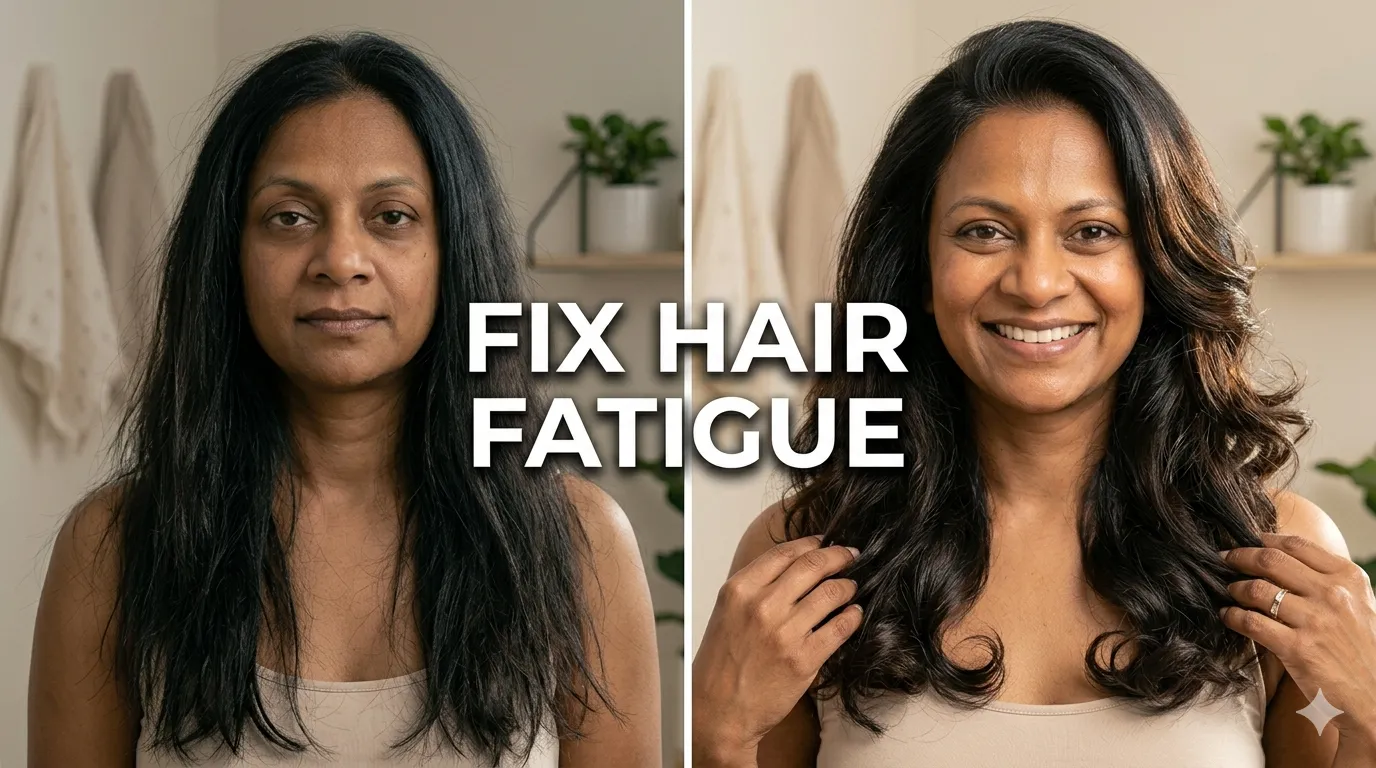
Understanding Hair Fatigue: When Your Locks Lose Their Spark
Your hair feels heavy, looks dull, lacks volume, and seems to have lost its natural bounce. No matter what products you try or how often you wash it, your hair just looks... tired. If this sounds familiar, you're experiencing what beauty experts call "hair fatigue."
Hair fatigue is a real condition that affects millions of women, particularly those in their 30s, 40s, and beyond. It's characterized by hair that appears lifeless, limp, lacks shine, and refuses to hold style. Unlike temporary bad hair days, hair fatigue is a persistent state where your strands seem to have lost their vitality and energy.
The good news? Hair fatigue isn't permanent, and you don't need expensive treatments or harsh chemicals to revive your locks. By understanding the root causes and implementing natural, holistic strategies, you can restore your hair's natural bounce, shine, and strength. This comprehensive guide will walk you through everything you need to know about identifying, preventing, and treating hair fatigue using natural methods that work with your body, not against it.
What Exactly Is Hair Fatigue?
Hair fatigue isn't a medical diagnosis, but it's a very real phenomenon that hairstylists and trichologists recognize. It describes hair that has become weighed down, over-processed, and stripped of its natural vitality.
Signs and Symptoms
How do you know if you're experiencing hair fatigue? Look for these telltale signs:
- Limp, flat hair that lacks volume even after washing
- Dull appearance with no natural shine or luster
- Heavy, weighed-down feeling even with clean hair
- Difficulty holding style—curls fall flat, updos won't stay
- Excessive tangling and manageability issues
- Brittle texture despite using conditioning products
- Slower growth or increased shedding
- Product buildup that won't wash away easily
Hair fatigue often develops gradually. You might not notice it day-to-day, but looking back at photos from six months or a year ago, the difference becomes clear. Your hair simply doesn't have the same energy, movement, or vibrancy it once did.
Who's Most at Risk?
While any woman can experience hair fatigue, certain factors increase your risk:
Age: Women over 30 are more susceptible as natural oil production decreases and hair texture changes with hormonal shifts.
Frequent styling: Regular use of heat tools, chemical treatments, and tight hairstyles accelerates fatigue.
Product overload: Using too many products or constantly switching formulas can overwhelm hair.
Stress and poor nutrition: High stress levels and nutritional deficiencies directly impact hair health.
Environmental exposure: Pollution, hard water, sun damage, and chlorine take their toll.
Hormonal changes: Pregnancy, postpartum, perimenopause, and menopause all affect hair vitality.
The Root Causes of Hair Fatigue
Understanding what causes hair fatigue is the first step toward reversing it. Multiple factors typically contribute, creating a cumulative effect that leaves your hair looking and feeling exhausted.
Product Buildup and Over-Processing
One of the most common culprits is product buildup. When you regularly use styling products, dry shampoo, conditioners, and treatments, residues accumulate on your hair shaft and scalp. This buildup:
- Weighs hair down, eliminating volume
- Blocks moisture from penetrating the hair shaft
- Prevents natural oils from distributing evenly
- Makes hair look dull and lifeless
- Interferes with styling products working effectively
Over-processing is equally damaging. Frequent coloring, bleaching, perming, relaxing, or keratin treatments strip hair of its natural proteins and moisture. Each chemical process weakens the hair's structure, making it more prone to fatigue.
Heat Damage and Mechanical Stress
Daily heat styling is a major contributor to hair fatigue. Blow dryers, flat irons, curling wands, and hot rollers:
- Strip moisture from the hair shaft
- Cause protein denaturation
- Create micro-fractures in the cuticle
- Lead to split ends and breakage
- Reduce hair's natural elasticity
Mechanical stress from brushing, tight hairstyles, and rough towel-drying also contributes. Constant tension weakens hair at the root and causes physical damage along the shaft.
Nutritional Deficiencies
Your hair is a reflection of your internal health. When your body lacks essential nutrients, hair is one of the first places you'll see consequences because it's not essential for survival. Common deficiencies that cause hair fatigue include:
Iron: Low iron levels reduce oxygen delivery to hair follicles, causing weak, tired-looking hair.
Protein: Hair is made primarily of keratin protein. Inadequate protein intake leads to weak, brittle strands.
B vitamins: Especially biotin (B7), B12, and folate are crucial for hair growth and strength.
Vitamin D: Low vitamin D is linked to hair thinning and lackluster appearance.
Omega-3 fatty acids: Essential for scalp health and hair shine.
Zinc and selenium: Important for hair tissue growth and repair.
Hormonal Imbalances
Hormones play a crucial role in hair health. Fluctuations can lead to hair fatigue through several mechanisms:
Estrogen decline: During perimenopause and menopause, decreasing estrogen leads to thinner, drier, less voluminous hair.
Thyroid issues: Both hypothyroidism and hyperthyroidism cause hair to become dull, brittle, and lifeless.
Stress hormones: Chronically elevated cortisol disrupts the hair growth cycle and causes inflammation.
Postpartum changes: The dramatic hormone shift after childbirth often results in significant hair fatigue and shedding.
Environmental and Lifestyle Factors
External stressors take a cumulative toll on your hair:
- Pollution: Airborne particles and toxins coat hair, causing oxidative damage
- Hard water: Mineral buildup from calcium and magnesium weighs hair down
- UV exposure: Sun damage breaks down proteins and fades color
- Chlorine and salt water: Strip natural oils and cause dryness
- Poor sleep: Inadequate rest impairs cellular repair and regeneration
- Chronic stress: Elevates inflammation and disrupts hair growth cycles
- Smoking: Reduces blood flow to follicles and causes oxidative damage
Natural Solutions: Reviving Your Hair from the Inside Out
The most effective approach to reducing hair fatigue addresses both internal and external factors. These natural strategies work synergistically to restore your hair's vitality.
Optimize Your Nutrition for Hair Health
What you eat directly impacts your hair's appearance and strength. Focus on these hair-supportive nutrients:
Protein-Rich Foods: Aim for 0.8-1 gram of protein per pound of body weight daily. Include:
- Eggs (rich in protein and biotin)
- Fatty fish like salmon (protein plus omega-3s)
- Lean meats and poultry
- Greek yogurt and cottage cheese
- Legumes and beans
- Quinoa and other complete proteins
Iron Sources: Combat fatigue with iron-rich foods:
- Spinach and leafy greens
- Red meat (in moderation)
- Lentils and beans
- Pumpkin seeds
- Fortified cereals
- Pair with vitamin C foods to enhance absorption
Omega-3 Fatty Acids: Essential for scalp health and shine:
- Salmon, mackerel, and sardines
- Walnuts and flaxseeds
- Chia seeds
- Avocados
- Consider a high-quality fish oil supplement (1000-2000mg daily)
B Vitamins: Support hair growth and strength:
- Whole grains
- Eggs
- Leafy greens
- Nuts and seeds
- Nutritional yeast
Antioxidants: Protect hair from oxidative damage:
- Berries (blueberries, strawberries)
- Colorful vegetables
- Green tea
- Dark chocolate (70%+ cacao)
Hydration: The Foundation of Healthy Hair
Dehydrated hair is tired hair. Your hair shaft needs moisture to maintain elasticity, shine, and strength.
Drink enough water: Aim for at least 8-10 glasses daily. Proper hydration supports:
- Scalp health and oil production
- Nutrient delivery to hair follicles
- Toxin elimination
- Overall cellular function
Limit dehydrating beverages: Reduce alcohol, excessive caffeine, and sugary drinks that can deplete moisture.
Scalp Care: The Foundation of Hair Health
A healthy scalp is essential for healthy hair. If your scalp is congested, dry, or inflamed, your hair will reflect that.
Regular scalp massage: Spend 5-10 minutes daily massaging your scalp with fingertips (not nails). This:
- Increases blood circulation to follicles
- Stimulates oil production
- Reduces tension and stress
- Promotes nutrient delivery
- Can be done dry or with oils
Natural scalp treatments:
- Apple cider vinegar rinse: Mix 1-2 tablespoons with 1 cup water. Use monthly to remove buildup and balance pH.
- Tea tree oil: Add a few drops to shampoo to combat dandruff and inflammation.
- Aloe vera: Apply pure gel to scalp to soothe irritation and hydrate.
- Coconut oil: Massage into scalp weekly for deep conditioning.
Natural Hair Masks and Treatments
Weekly deep conditioning with natural ingredients can dramatically revive tired hair:
Coconut Oil Mask:
- Warm 2-3 tablespoons virgin coconut oil
- Apply from mid-length to ends
- Cover with shower cap for 30-60 minutes
- Shampoo out thoroughly
- Use weekly for deep moisture
Avocado and Honey Mask:
- Mash 1 ripe avocado
- Mix with 2 tablespoons honey
- Add 1 tablespoon olive oil
- Apply to damp hair for 30 minutes
- Rinse and shampoo
- Provides protein, moisture, and shine
Egg Mask:
- Beat 1-2 eggs (use yolks for dry hair, whites for oily)
- Apply to clean, damp hair
- Leave for 20 minutes
- Rinse with cool water (not hot!)
- Shampoo as usual
- Rich in protein and biotin
Aloe Vera Treatment:
- Use fresh aloe gel or pure bottled gel
- Apply to scalp and hair
- Leave for 30-45 minutes
- Rinse thoroughly
- Hydrates and soothes
Herbal Rinses for Natural Shine
Herbal rinses can add shine, remove buildup, and strengthen hair without harsh chemicals:
Rosemary Rinse:
- Boil 2 tablespoons dried rosemary in 2 cups water
- Steep for 30 minutes, strain
- Use as final rinse after shampooing
- Stimulates circulation and adds shine
Green Tea Rinse:
- Brew 2 bags green tea in 2 cups water
- Cool completely
- Rinse hair after conditioning
- Antioxidants protect and strengthen
Chamomile Rinse (for lighter hair):
- Steep 4 chamomile tea bags in 2 cups water
- Cool and strain
- Use as final rinse
- Adds natural highlights and shine
Changing Your Hair Care Routine
Sometimes reducing hair fatigue requires a complete reset of your hair care habits.
The Clarifying Reset
If product buildup is weighing down your hair, start with a clarifying treatment:
Use a clarifying shampoo: Choose a natural formula with ingredients like:
- Apple cider vinegar
- Charcoal
- Clay (bentonite or rhassoul)
- Baking soda (use sparingly)
DIY clarifying rinse:
- Mix 1 tablespoon baking soda with 1 cup water
- Apply to wet hair, massage gently
- Rinse thoroughly
- Follow with apple cider vinegar rinse (1 tablespoon ACV in 1 cup water)
- Deep condition after
- Use monthly, not weekly
Adjust Your Washing Frequency
Over-washing strips natural oils, leading to dryness and fatigue. Under-washing allows buildup. Find your balance:
- Fine, oily hair: Every other day or every 2 days
- Normal hair: 2-3 times weekly
- Dry, thick, or curly hair: 1-2 times weekly
- Use dry shampoo sparingly between washes if needed
Washing technique matters:
- Use lukewarm water, not hot
- Focus shampoo on scalp, not ends
- Condition mid-length to ends only
- Rinse with cool water for shine
- Gently squeeze, don't rub with towel
Choose Natural, Gentle Products
Switch to products free from harsh sulfates, silicones, and parabens:
Avoid:
- Sodium lauryl sulfate (SLS)
- Sodium laureth sulfate (SLES)
- Silicones (dimethicone, cyclomethicone)
- Parabens
- Synthetic fragrances
- Alcohol (drying types like SD alcohol 40)
Look for:
- Natural surfactants (cocamidopropyl betaine)
- Plant-based oils and butters
- Botanical extracts
- Essential oils for fragrance
- Proteins (keratin, silk, wheat)
Heat Styling Reduction
Give your hair a break from heat:
- Air dry when possible: Let hair dry naturally 3-4 days weekly
- Use heat protectant: Always apply before any heat styling
- Lower temperatures: Keep tools below 350°F (180°C)
- Limit frequency: Max 2-3 times weekly
- Embrace natural texture: Work with your hair's natural pattern
- Try heatless styling: Use rollers, braids, or twists for waves
Lifestyle Changes for Healthier Hair
Your daily habits significantly impact hair vitality. These lifestyle adjustments support long-term hair health.
Stress Management
Chronic stress is a major contributor to hair fatigue. Implement stress-reduction practices:
- Meditation: 10-15 minutes daily reduces cortisol
- Yoga: Improves circulation and reduces tension
- Deep breathing: Activates parasympathetic nervous system
- Regular exercise: Boosts circulation to scalp
- Adequate sleep: 7-9 hours nightly for cellular repair
- Time in nature: Reduces stress hormones
Sleep Quality
Quality sleep is when your body repairs and regenerates, including hair follicles:
- Sleep on a silk or satin pillowcase to reduce friction
- Keep hair in a loose braid or bun to prevent tangling
- Maintain consistent sleep schedule
- Create a dark, cool sleep environment
- Avoid screens 1 hour before bed
Exercise and Circulation
Regular physical activity improves blood flow to the scalp, delivering oxygen and nutrients to hair follicles:
- Aim for 30 minutes moderate exercise 5 days weekly
- Include cardiovascular activity
- Add strength training
- Try inversions (downward dog, headstands) to increase scalp blood flow
Protect from Environmental Damage
Shield your hair from external stressors:
- Wear a hat in direct sunlight
- Use UV-protective hair products when in sun
- Rinse hair after swimming in pool or ocean
- Use a shower filter if you have hard water
- Cover hair in pollution-heavy areas
- Avoid tight hairstyles that cause tension
Supplements for Hair Vitality
While food should be your primary source of nutrients, supplements can fill gaps:
Essential Supplements
Biotin (Vitamin B7): 2500-5000 mcg daily supports keratin production.
Collagen: 10-20 grams daily provides amino acids for hair structure.
Vitamin D: 1000-2000 IU daily (get tested first).
Iron: Only supplement if deficient (get tested).
Zinc: 15-30 mg daily supports hair tissue growth.
Omega-3: 1000-2000 mg daily for scalp health.
Vitamin E: 400 IU daily for antioxidant protection.
Saw Palmetto: May help with hormonal hair thinning.
Important: Always consult your healthcare provider before starting supplements, especially if you have health conditions or take medications.
Creating Your Hair Fatigue Recovery Plan
Put it all together with this actionable plan:
Week 1-2: The Reset
- Clarify hair to remove buildup
- Assess and simplify your product lineup
- Begin daily scalp massage
- Start drinking more water
- Evaluate your diet for nutrient gaps
Week 3-4: Building Foundations
- Implement weekly natural hair masks
- Reduce heat styling by 50%
- Start stress management practice
- Improve sleep hygiene
- Add hair-supportive foods to meals
Month 2-3: Optimization
- Fine-tune washing frequency
- Try herbal rinses
- Consider targeted supplements
- Establish exercise routine
- Protect from environmental damage
Ongoing Maintenance
- Maintain healthy habits
- Trim ends every 8-12 weeks
- Listen to your hair's needs
- Adjust with seasons and life changes
- Be patient—hair grows about 1/2 inch monthly
Common Mistakes to Avoid
Don't sabotage your progress with these common errors:
Mistake #1: Over-Masking
Problem: Using heavy masks too frequently weighs hair down.
Solution: Limit deep conditioning to once weekly. Use lightweight products between.
Mistake #2: Skipping Trims
Problem: Split ends travel up the shaft, making all hair look tired.
Solution: Get regular trims every 8-12 weeks, even when growing hair.
Mistake #3: Product Hoarding
Problem: Using too many products creates buildup and confusion.
Solution: Stick to a simple routine: shampoo, conditioner, 1-2 styling products max.
Mistake #4: Expecting Overnight Results
Problem: Giving up too soon when results aren't immediate.
Solution: Hair grows slowly. Give new routines 3-6 months to show results.
Mistake #5: Ignoring Internal Health
Problem: Focusing only on external products while neglecting nutrition and stress.
Solution: Address hair health holistically—inside and out.
When to See a Professional
While most hair fatigue responds to natural interventions, consult a healthcare provider or trichologist if you experience:
- Sudden, severe hair loss
- Patchy bald spots
- Scalp pain, burning, or severe itching
- No improvement after 6 months of consistent care
- Symptoms of thyroid issues or hormonal imbalance
- Excessive shedding (more than 100 strands daily)
Underlying conditions like thyroid disorders, PCOS, anemia, or autoimmune conditions require medical treatment alongside natural care.
The Bottom Line
Hair fatigue is common, but it's not inevitable. By understanding the root causes and implementing natural, holistic strategies, you can restore your hair's vitality, bounce, and shine.
Remember: healthy hair starts from within. No amount of expensive products can compensate for poor nutrition, chronic stress, or inadequate sleep. Focus on the fundamentals—nourishing foods, stress management, gentle care, and patience.
Your hair didn't become fatigued overnight, and it won't recover overnight either. But with consistent, natural care, you'll gradually see improvements in texture, shine, volume, and overall health.
Be kind to your hair. Treat it gently, nourish it well, and give it time to recover. Your locks will thank you with renewed energy, movement, and natural beauty.
Start today. Your healthiest, most vibrant hair is waiting.


0 Comments