

How Women Can Restore Natural Glow Without Brightening Agents: A Holistic, Science-Backed Guide
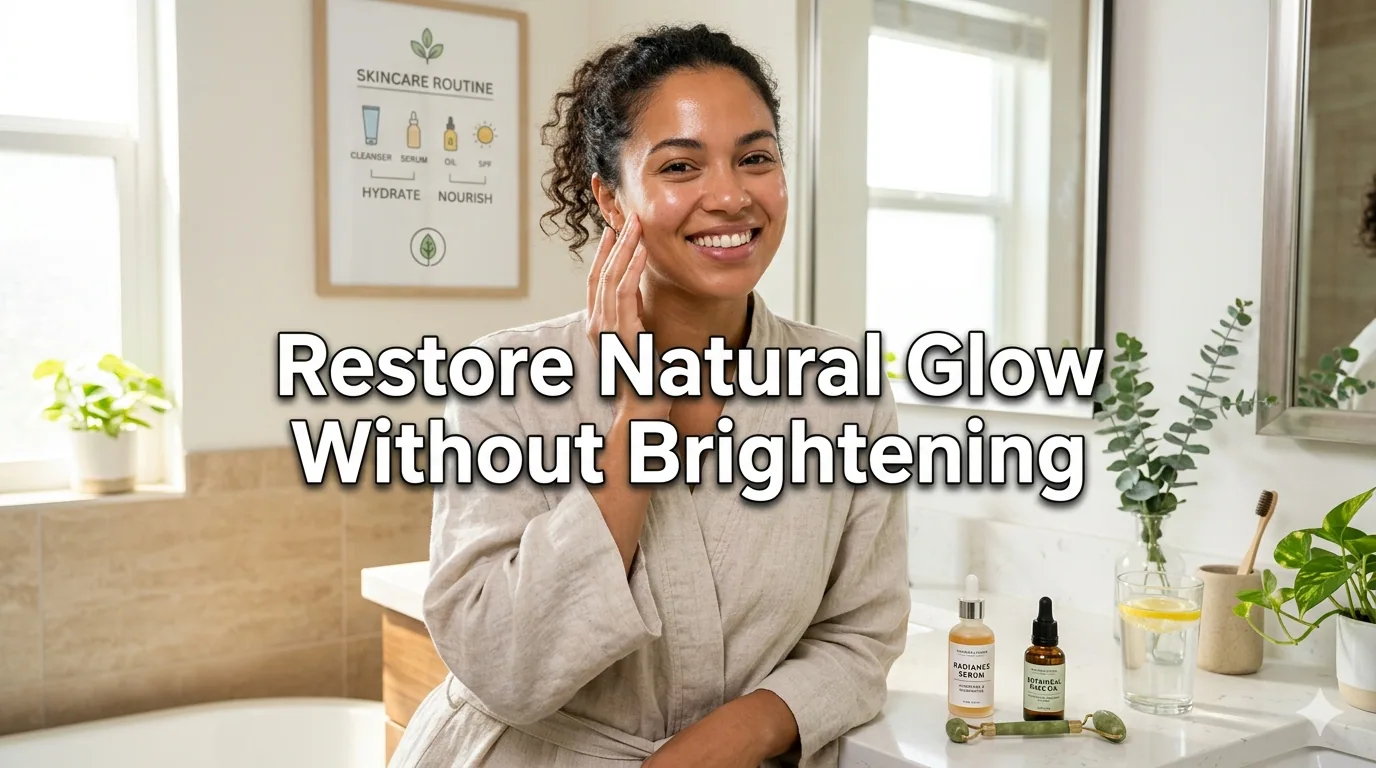
That coveted "glow" isn't about achieving a lighter complexion or masking dullness with illuminating products—it's about revealing your skin's inherent radiance through health, hydration, and harmony. For women seeking to restore natural glow without brightening agents, the path forward isn't found in hydroquinone, high-dose vitamin C, or chemical exfoliants designed to lighten. Instead, true radiance emerges when skin is deeply nourished, well-hydrated, protected, and supported from within.
Many women feel pressured to pursue "brightening" as a shortcut to glowing skin, but this approach can backfire—causing irritation, barrier damage, or dependency on actives that don't address root causes. The good news? Your skin already has the capacity to glow. By focusing on foundational health—barrier integrity, cellular hydration, circulation, and inflammation management—you can unlock a luminosity that's sustainable, authentic, and uniquely yours.
In this comprehensive, evidence-based guide, we'll decode the science behind natural radiance, reveal why brightening agents aren't necessary for glow, share the exact routine dermatologists and holistic skincare experts recommend for restoring luminosity, and provide practical strategies for supporting your skin's health from the inside out. Whether you have sensitive skin, prefer clean beauty, or simply want a gentler approach, you'll learn how to cultivate a glow that reflects true wellness—not just surface-level illumination.
Understanding Natural Glow: What Radiance Really Means
Short answer: Natural glow comes from healthy skin physiology—smooth light reflection off intact skin, optimal hydration within cells, good circulation delivering oxygen and nutrients, and minimal inflammation—not from lightening pigments or adding shimmer.
Before learning how to restore glow, it's essential to understand what creates it:
The Physiology of Radiance
Light Reflection & Skin Texture:
- Smooth, intact skin reflects light evenly, creating a luminous appearance
- Rough, uneven texture scatters light, making skin look dull
- Healthy cell turnover keeps the surface smooth without aggressive exfoliation
- Intact barrier prevents moisture loss that leads to flat, ashy appearance
Cellular Hydration:
- Well-hydrated skin cells appear plump and translucent
- Dehydrated cells look flat and opaque, diminishing radiance
- Hydration comes from both topical products and internal water balance
- Hyaluronic acid, glycerin, and ceramides support water retention without brightening
Circulation & Oxygenation:
- Good blood flow delivers oxygen and nutrients that support cellular function
- Oxygenated blood gives skin a healthy, rosy undertone
- Poor circulation contributes to sallow, tired-looking complexion
- Gentle massage, movement, and warmth support healthy circulation
Inflammation Management:
- Chronic low-grade inflammation causes redness, uneven tone, and dullness
- Calming ingredients and lifestyle practices reduce inflammatory signals
- Less inflammation = clearer, more even, naturally luminous skin
Why Brightening Agents Aren't Required for Glow
What Brightening Agents Do:
- Inhibit melanin production (hydroquinone, kojic acid, arbutin)
- Accelerate cell turnover to shed pigmented cells (high-dose vitamin C, AHAs)
- Target hyperpigmentation and uneven tone
Why They're Not Necessary for Radiance:
- Glow is about light reflection, not pigment level
- Healthy skin of any tone can be radiant
- Brightening agents can irritate sensitive skin, worsening dullness
- Addressing root causes (hydration, barrier, inflammation) creates sustainable glow
The Holistic Alternative: Instead of targeting pigment, focus on skin health. When skin is functioning optimally, it naturally reflects light beautifully—regardless of melanin content.
Root Causes of Dullness (And How to Address Them Without Brightening)
Short answer: Dullness typically stems from dehydration, barrier compromise, poor circulation, inflammation, or sluggish cell turnover—all of which can be addressed with gentle, nourishing approaches that don't rely on brightening actives.
Dehydration: The #1 Cause of Dull Skin
How It Happens:
- Transepidermal water loss (TEWL) increases when barrier is compromised
- Dehydrated skin cells appear flat and opaque
- Environmental factors (dry air, heating, AC) accelerate water loss
- Internal dehydration (not drinking enough water) affects skin hydration
Gentle Solutions:
- Humectants: Glycerin, hyaluronic acid, panthenol draw water into skin
- Emollients: Squalane, jojoba oil, ceramides smooth and seal
- Occclusives: Light layer of petrolatum or shea butter locks in moisture
- Application tip: Apply hydrating products to damp skin to maximize absorption
Barrier Compromise: When Skin Can't Hold Light
How It Happens:
- Over-cleansing, harsh actives, or environmental stress damage the lipid barrier
- Compromised barrier loses moisture and lets irritants in
- Rough, uneven texture scatters light instead of reflecting it
Barrier-Repair Strategies:
- Ceramides: Replenish the "mortar" between skin cells
- Cholesterol & fatty acids: Support barrier structure and function
- Niacinamide (2-5%): Strengthens barrier without irritation
- Gentle cleansing: pH-balanced, sulfate-free formulas preserve barrier
Poor Circulation: The Hidden Dullness Factor
How It Happens:
- Sedentary lifestyle, stress, or cold temperatures reduce blood flow to skin
- Less oxygen and nutrient delivery = sallow, tired appearance
- Lymphatic stagnation contributes to puffiness and dullness
Circulation-Boosting Practices:
- Facial massage: Gentle upward strokes with clean hands or jade roller
- Warm compresses: Apply warm (not hot) cloth to face for 1-2 minutes
- Movement: Regular exercise increases overall circulation
- Breathwork: Deep breathing improves oxygenation
Inflammation: The Silent Glow-Blocker
How It Happens:
- Stress, poor diet, harsh products, or environmental aggressors trigger inflammation
- Chronic inflammation causes redness, uneven tone, and barrier disruption
- Inflamed skin reflects light unevenly, appearing dull or blotchy
Calming Approaches:
- Centella asiatica (Cica): Reduces inflammation and supports repair
- Oat extract: Soothes irritation and strengthens barrier
- Green tea extract: Antioxidant and anti-inflammatory
- Stress management: Meditation, sleep, and boundaries reduce systemic inflammation
Sluggish Cell Turnover: Without Aggressive Exfoliation
How It Happens:
- Dead skin cells accumulate on surface, creating rough texture
- Age, dehydration, or barrier damage can slow natural shedding
- Buildup scatters light, diminishing radiance
Gentle Renewal Strategies:
- Enzyme masks: Papaya or pumpkin enzymes gently dissolve dead cells
- Soft washcloths: Gentle physical exfoliation with damp cloth
- Hydration-focused routines: Well-hydrated skin sheds cells more efficiently
- Patience: Allow skin's natural turnover cycle (28-45 days) to work
The Glow-Restoring Routine: Step-by-Step Protocol
Short answer: Restore natural glow with a gentle routine focused on hydration, barrier support, circulation, and inflammation management—using nourishing ingredients that enhance skin health without brightening actives.
Morning Routine: Protect & Illuminate
Step 1: Gentle Cleansing
- Use a creamy, non-foaming cleanser with glycerin or ceramides
- Rinse with lukewarm water; avoid hot water that strips lipids
- Pat dry with soft towel—never rub
- Recommended: CeraVe Hydrating Cleanser, La Roche-Posay Toleriane Hydrating
Step 2: Hydrating Toner or Essence
- Apply alcohol-free toner with hyaluronic acid or panthenol to damp skin
- Press gently into skin—don't wipe
- Layer 2-3 times for extra hydration if skin feels dry
- Recommended: Klairs Supple Preparation Unscented Toner, Hada Labo Gokujyun Lotion
Step 3: Lightweight Serum
- Choose a hydrating serum with glycerin, squalane, or niacinamide (2-5%)
- Avoid high-dose vitamin C or exfoliating acids if seeking gentle glow
- Apply to face and neck with upward motions
- Recommended: The Ordinary Hyaluronic Acid 2% + B5, Paula's Choice Niacinamide 5%
Step 4: Barrier-Supporting Moisturizer
- Select a moisturizer with ceramides, cholesterol, and fatty acids
- Apply to slightly damp skin to lock in hydration
- Use upward, outward motions to support circulation
- Recommended: CeraVe Moisturizing Cream, Illiyoon Ceramide Ato Concentrate Cream
Step 5: Mineral Sunscreen (Non-Negotiable)
- Use zinc oxide or titanium dioxide SPF 30+ to protect without irritation
- Mineral formulas are less likely to cause inflammation that dulls skin
- Reapply every 2 hours if outdoors
- Recommended: EltaMD UV Clear, La Roche-Posay Anthelios Mineral
Evening Routine: Repair & Replenish
Step 1: Double Cleanse (If Wearing SPF/Makeup)
- First cleanse: Oil-based cleanser or micellar water to dissolve SPF
- Second cleanse: Gentle cream cleanser as in morning
- Ensure all residue is removed to prevent barrier disruption
Step 2: Soothing Treatment
- Apply a calming serum or essence with centella, oat, or green tea
- Focus on areas of redness or sensitivity
- Allow 1-2 minutes to absorb before next step
- Recommended: Skin1004 Madagascar Centella Ampoule, Aveeno Calm + Restore Oat Serum
Step 3: Rich Moisturizer or Facial Oil
- Use a richer moisturizer at night to support overnight repair
- Optional: Add 2-3 drops of facial oil (squalane, jojoba) for extra nourishment
- Apply with gentle upward massage to boost circulation
- Recommended: Kiehl's Ultra Facial Cream, Biossance Squalane + Omega Repair Cream
Step 4: Occclusive (For Very Dry Skin)
- If skin feels tight or flaky, add a thin layer of petrolatum or shea butter
- Focus on driest areas (cheeks, around mouth)
- This "slugging" technique locks in all previous layers
Weekly Treatments: Gentle Enhancement
Hydrating Mask (1-2x/week):
- Use a gel or cream mask with hyaluronic acid, aloe, or honey
- Leave on 10-15 minutes, then rinse or tissue off
- Follow with moisturizer to seal in benefits
Gentle Enzyme Exfoliation (1x/week, optional):
- Choose a papaya or pumpkin enzyme mask for gentle renewal
- Leave on 5-10 minutes, then rinse with lukewarm water
- Follow immediately with hydrating toner and moisturizer
- Avoid if skin is sensitive or compromised
Facial Massage (2-3x/week):
- Use clean fingers or a jade roller with facial oil
- Massage upward from jaw to temples, forehead to hairline
- Focus on lymphatic drainage: gentle strokes toward lymph nodes
- 5 minutes is sufficient; consistency matters more than duration
Key Ingredients for Glow Without Brightening
Short answer: Prioritize hydrators (hyaluronic acid, glycerin), barrier supporters (ceramides, niacinamide), soothing botanicals (centella, oat), and circulation boosters (gentle massage, warmth)—all of which enhance radiance without targeting pigment.
Hydration Heroes
Hyaluronic Acid:
- Mechanism: Holds up to 1000x its weight in water, plumping skin cells
- Benefit for Glow: Plump cells reflect light more evenly
- Usage Tip: Apply to damp skin; follow with moisturizer to seal
- Best For: All skin types, especially dehydrated or mature skin
Glycerin:
- Mechanism: Humectant that draws water from deeper skin layers and environment
- Benefit for Glow: Maintains consistent hydration for sustained radiance
- Usage Tip: Look for in toners, serums, and moisturizers
- Best For: Sensitive or reactive skin (very well-tolerated)
Panthenol (Provitamin B5):
- Mechanism: Attracts moisture and supports barrier repair
- Benefit for Glow: Calms irritation while hydrating for even-toned radiance
- Usage Tip: Found in serums, moisturizers, and healing balms
- Best For: Post-procedure skin or sensitivity-prone complexions
Barrier Builders
Ceramides:
- Mechanism: Replenish lipids that form skin's protective barrier
- Benefit for Glow: Intact barrier retains moisture and reflects light smoothly
- Usage Tip: Look for ceramide NP, AP, or EOP in moisturizers
- Best For: Dry, sensitive, or compromised skin
Niacinamide (2-5%):
- Mechanism: Strengthens barrier, reduces inflammation, regulates oil
- Benefit for Glow: Creates even texture and tone without lightening pigment
- Usage Tip: Start with lower concentration; can be used AM/PM
- Best For: Combination, oily, or uneven-textured skin
Squalane:
- Mechanism: Mimics skin's natural sebum, lightweight emollient
- Benefit for Glow: Smooths texture and adds subtle luminosity without greasiness
- Usage Tip: Apply 2-3 drops to damp skin or mix into moisturizer
- Best For: All skin types, including acne-prone (non-comedogenic)
Soothing Botanicals
Centella Asiatica (Cica):
- Mechanism: Reduces inflammation, supports wound healing, strengthens barrier
- Benefit for Glow: Calms redness for even-toned radiance
- Usage Tip: Found in serums, creams, and sheet masks
- Best For: Sensitive, reactive, or post-irritation skin
Oat Extract:
- Mechanism: Contains beta-glucan for hydration and avenanthramides for calming
- Benefit for Glow: Soothes irritation while supporting barrier function
- Usage Tip: Look for colloidal oatmeal in cleansers, masks, or moisturizers
- Best For: Eczema-prone, very sensitive, or dry skin
Green Tea Extract:
- Mechanism: Rich in polyphenols (EGCG) that reduce inflammation and oxidative stress
- Benefit for Glow: Protects against environmental dullness while calming
- Usage Tip: Found in toners, serums, and masks; stable in formulations
- Best For: Urban dwellers or pollution-exposed skin
Circulation Supporters
Gentle Massage (Technique, Not Ingredient):
- Mechanism: Increases blood flow, supports lymphatic drainage
- Benefit for Glow: Delivers oxygen/nutrients; reduces puffiness for brighter appearance
- Usage Tip: Use clean fingers or jade roller with facial oil; 3-5 minutes daily
- Best For: All skin types; especially beneficial for tired or puffy complexions
Warm Compresses:
- Mechanism: Dilates blood vessels temporarily, boosting circulation
- Benefit for Glow: Immediate radiance boost; enhances product absorption
- Usage Tip: Apply warm (not hot) damp cloth to face for 1-2 minutes before skincare
- Best For: Morning routine or pre-mask preparation
Lifestyle Factors That Enhance Natural Radiance
Short answer: Support your skin's glow from within through hydration, nutrient-dense nutrition, quality sleep, stress management, and gentle movement—all of which enhance skin health without brightening agents.
Hydration: Internal Support for External Glow
Why It Matters:
- Skin is 64% water; dehydration shows as dullness and fine lines
- Adequate water intake supports cellular function and detoxification
- Hydrated skin reflects light more effectively
Practical Strategies:
- Drink 8-10 glasses of water daily; more if active or in dry climates
- Include hydrating foods: cucumber, watermelon, citrus, leafy greens
- Limit dehydrating beverages: excess caffeine, alcohol, sugary drinks
- Use a humidifier in dry environments to reduce transepidermal water loss
Nutrition: Feed Your Glow
Skin-Supportive Nutrients:
- Omega-3 fatty acids: Support barrier function and reduce inflammation (fatty fish, flaxseed, walnuts)
- Antioxidants: Protect against oxidative stress that dulls skin (berries, dark leafy greens, green tea)
- Vitamin E: Supports barrier health and protects lipids (almonds, sunflower seeds, avocado)
- Zinc: Supports barrier repair and reduces inflammation (pumpkin seeds, chickpeas, lean meats)
What to Limit:
- Excess sugar: Can contribute to glycation, which dulls skin
- Highly processed foods: Often lack nutrients skin needs to thrive
- Excess dairy (if sensitive): May trigger inflammation in some individuals
Sleep: The Ultimate Glow Treatment
Why Sleep Matters:
- During deep sleep, skin repairs barrier, produces collagen, and balances hydration
- Poor sleep increases cortisol, which can trigger inflammation and dullness
- "Beauty sleep" is real: well-rested skin reflects light more evenly
Sleep Optimization Tips:
- Aim for 7-9 hours of quality sleep nightly
- Sleep on silk or satin pillowcase to reduce friction and moisture loss
- Elevate head slightly to reduce morning puffiness
- Establish a calming pre-sleep routine (no screens 1 hour before bed)
Stress Management: Calm Skin, Glowing Skin
The Stress-Skin Connection:
- Chronic stress elevates cortisol, which can disrupt barrier function and increase inflammation
- Stress-related behaviors (poor sleep, unhealthy eating) compound skin issues
- Calming the nervous system supports skin's natural radiance
Gentle Stress-Reduction Practices:
- 5 minutes of deep breathing daily: Activates parasympathetic nervous system
- Gentle movement: Walking, yoga, or stretching improves circulation and reduces stress
- Journaling or gratitude practice: Shifts focus from stressors to positives
- Boundaries with technology: Reduces cognitive overload and eye strain
Gentle Movement: Circulation Without Aggression
Why Movement Helps:
- Exercise increases blood flow, delivering oxygen and nutrients to skin
- Sweating (followed by gentle cleansing) can help clear pores
- Regular movement supports lymphatic drainage, reducing puffiness
Skin-Friendly Movement Tips:
- Choose low-impact activities if skin is sensitive: walking, swimming, yoga
- Cleanse gently post-workout with lukewarm water and mild cleanser
- Rehydrate promptly after sweating to prevent dehydration-related dullness
- Avoid excessive friction from tight clothing or equipment on facial skin
What to Avoid: Common Glow-Blockers
Avoid these habits and ingredients that can undermine natural radiance without providing brightening benefits:
Harsh Cleansing Practices
Why It Hurts: Over-cleansing or using high-pH, sulfate-based cleansers strips the skin's natural lipids, compromising the barrier and leading to dehydration and dullness.
Fix: Use a gentle, pH-balanced cleanser once or twice daily. If skin feels tight after cleansing, switch to a creamier formula or reduce frequency.
Over-Exfoliation
Why It Hurts: Aggressive physical scrubs or frequent chemical exfoliants can damage the barrier, trigger inflammation, and cause rebound dullness as skin struggles to repair.
Fix: Limit exfoliation to once weekly (or less) with gentle enzymes or a soft washcloth. Prioritize hydration and barrier support over aggressive renewal.
Skipping Sun Protection
Why It Hurts: UV exposure generates free radicals that damage skin cells, degrade collagen, and trigger inflammation—all of which contribute to dullness, regardless of brightening agent use.
Fix: Apply mineral sunscreen daily, even indoors. Reapply every 2 hours with sun exposure. Wear hats and seek shade during peak hours.
Using Too Many Actives
Why It Hurts: Layering multiple serums with different actives (even gentle ones) can overwhelm skin, trigger sensitivity, and disrupt the barrier—leading to dullness rather than glow.
Fix: Simplify your routine. Focus on 1-2 targeted products plus hydration and barrier support. Introduce new products one at a time, waiting 2 weeks between additions.
Neglecting Internal Health
Why It Hurts: Topical skincare can only do so much if internal factors (dehydration, poor nutrition, chronic stress) are undermining skin health.
Fix: View skincare as one pillar of a holistic approach. Support skin from within through hydration, nutrient-dense foods, sleep, and stress management.
Frequently Asked Questions
Can I get glowing skin without using any serums?
Short answer: Yes. While serums can enhance results, glowing skin is achievable with a simple routine: gentle cleanser, hydrating moisturizer, mineral sunscreen, and supportive lifestyle habits. Consistency matters more than product count.
How long does it take to restore natural glow?
Short answer: With consistent care, you may notice improved radiance in 2-4 weeks as hydration and barrier function improve. Significant, sustained glow typically emerges in 8-12 weeks as skin completes a full renewal cycle.
Is natural glow possible for all skin tones?
Short answer: Absolutely. Radiance is about light reflection and skin health—not pigment level. Healthy skin of any melanin content can glow beautifully when hydrated, protected, and nourished.
Can I use retinol and still avoid brightening?
Short answer: Yes. Retinol supports cell turnover and collagen production without targeting pigment. If using retinol, start low (0.1-0.3%), use 2-3x/week, and prioritize hydration and barrier support to prevent irritation-related dullness.
What if my skin is sensitive or reactive?
Short answer: Sensitive skin can absolutely achieve glow—often more sustainably—through gentle, barrier-focused care. Prioritize fragrance-free formulas, patch test new products, and introduce changes slowly. Calming ingredients like centella and oat are especially beneficial.
Do I need to drink gallons of water for glowing skin?
Short answer: No. While hydration supports skin health, excessive water intake won't "flush" dullness away. Aim for consistent, adequate hydration (8-10 glasses daily) alongside topical hydrators for best results.
The Bottom Line: Glow Is a Reflection of Health
True radiance isn't about lightening your complexion or masking dullness—it's about revealing the luminosity that's already within your skin. By focusing on foundational health—hydration, barrier integrity, circulation, and inflammation management—you can cultivate a glow that's sustainable, authentic, and uniquely yours.
Remember:
- Glow is physiological: Healthy skin reflects light beautifully, regardless of pigment
- Hydration is foundational: Plump, well-hydrated cells create natural luminosity
- Barrier health matters: Intact barrier retains moisture and reflects light evenly
- Circulation enhances radiance: Gentle massage and movement boost oxygen delivery
- Inflammation dulls: Calming practices and ingredients support even-toned glow
- Less is often more: Gentle, consistent care outperforms aggressive interventions
- Inside supports outside: Nutrition, sleep, and stress management amplify topical efforts
Your skin has an incredible capacity to thrive when given the right support. Start where you are: simplify your routine, prioritize hydration and barrier care, and nurture your skin with kindness. With patience and consistency, you'll discover a glow that reflects not just surface beauty, but deep, radiant health.
You deserve to feel luminous—naturally, authentically, sustainably. Here's to your glow.


0 Comments