

Indoor Air Purifying Plants That Are Hard to Kill
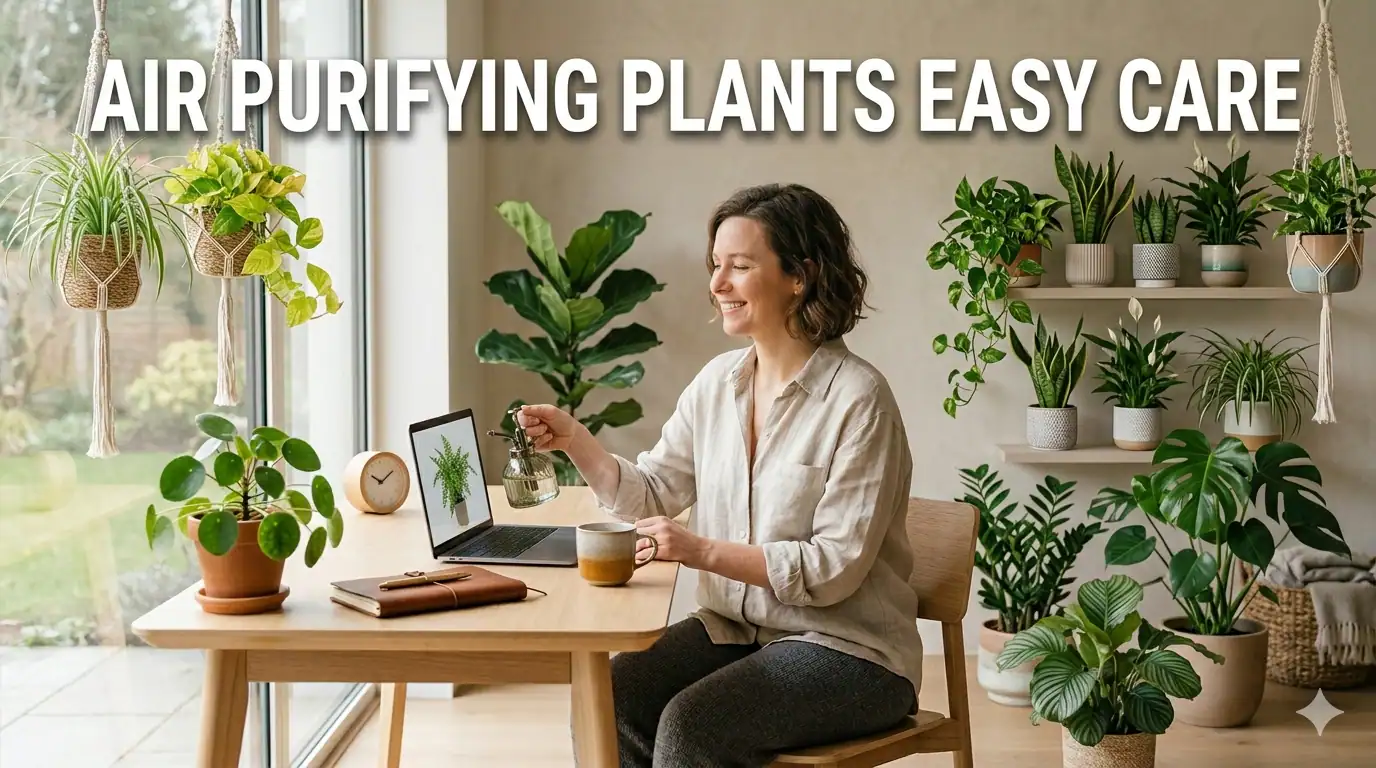
Introduction: Breathe Easier with Resilient Green Companions
In our modern world where we spend approximately 90 percent of our time indoors, the quality of the air we breathe inside our homes has become a critical health concern. The Environmental Protection Agency ranks indoor air pollution among the top five environmental health risks, with indoor air often containing two to five times more pollutants than outdoor air [[1]]. Fortunately, nature has provided us with an elegant, beautiful, and remarkably simple solution: indoor air purifying plants hard to kill that not only cleanse your air of toxins but also thrive even when you forget to water them.
The concept of using plants to improve indoor air quality is not new, but it gained scientific credibility through NASA's Clean Air Study conducted in the late 1980s. This groundbreaking research revealed that certain common houseplants possess the remarkable ability to remove harmful volatile organic compounds (VOCs) like formaldehyde, benzene, trichloroethylene, and xylene from indoor air [[2]]. These toxins originate from everyday sources including furniture, carpets, cleaning products, paints, and even cooking activities.
However, many people hesitate to bring plants into their homes because they believe they lack a "green thumb" or have killed every plant they have ever owned. The good news is that some of the most effective air-purifying plants are also the most forgiving and resilient. These botanical warriors can tolerate neglect, low light, irregular watering, and less-than-ideal conditions while still performing their air-cleansing duties admirably.
This comprehensive guide explores the best easy care air purifying plants that combine powerful toxin-removal capabilities with remarkable durability. From the nearly indestructible snake plant to the cascading pothos, from the elegant peace lily to the cheerful spider plant, you will discover detailed care instructions, air-purifying capabilities, placement tips, and troubleshooting advice. Whether you live in a small apartment with limited natural light or a busy professional who travels frequently, there is a resilient air-purifying plant perfect for your lifestyle.
The Science Behind Plants and Air Purification
Understanding how plants clean the air helps you appreciate their value and select the right species for your specific needs. The air-purification process involves several sophisticated biological mechanisms working in harmony.
How Plants Remove Toxins from Indoor Air
Plants purify air through a process called phytoremediation, which involves multiple pathways:
- Photosynthesis: During this fundamental process, plants absorb carbon dioxide and release oxygen, naturally refreshing indoor air quality. While this occurs primarily during daylight hours, some plants like snake plants and orchids continue releasing oxygen at night through a specialized process called CAM (Crassulacean Acid Metabolism) photosynthesis.
- Stomatal Uptake: Tiny pores called stomata on plant leaves absorb airborne pollutants along with carbon dioxide. Once inside the plant, these toxins are either broken down or stored in plant tissues where they cannot harm humans.
- Root Zone Filtration: Perhaps most remarkably, the soil and root systems of plants host beneficial microorganisms that break down volatile organic compounds. Research suggests that up to 90 percent of a plant's air-purifying capacity occurs in the root zone, where soil microbes convert toxins into nutrients the plant can use [[3]].
- Transpiration: As plants release water vapor through their leaves, they increase humidity levels and help remove airborne particles. This natural humidification is particularly beneficial in dry, climate-controlled indoor environments.
Common Indoor Air Pollutants and Their Sources
To appreciate the value of low maintenance indoor plants clean air, it helps to understand what toxins they are fighting:
- Formaldehyde: Found in pressed wood products, carpets, curtains, paper products, and some cleaning agents. Can cause respiratory irritation, headaches, and is classified as a human carcinogen.
- Benzene: Present in plastics, synthetic fibers, lubricants, pesticides, and tobacco smoke. Linked to dizziness, headaches, and long-term exposure increases cancer risk.
- Trichloroethylene: Found in paint strippers, adhesives, and printing inks. Can cause dizziness, headaches, and liver and kidney damage with prolonged exposure.
- Xylene: Present in leather, rubber, cigarette smoke, and car exhaust. Causes headaches, dizziness, and respiratory problems.
- Ammonia: Found in cleaning products, fertilizers, and window cleaners. Irritates eyes, skin, and respiratory tract.
The remarkable plants featured in this guide have demonstrated effectiveness in removing these specific pollutants while requiring minimal care and attention.
Top 15 Hard to Kill Air Purifying Plants
These resilient champions combine exceptional air-cleaning abilities with forgiving care requirements, making them perfect for beginners, busy professionals, and anyone who has struggled to keep plants alive in the past.
1. Snake Plant (Sansevieria trifasciata)
Air Purification Power: Exceptional
Difficulty Level: Extremely Easy
Light Requirements: Low to bright indirect light
Watering: Every 2-3 weeks, less in winter
Toxins Removed: Formaldehyde, benzene, xylene, trichloroethylene
The snake plant, also known as mother-in-law's tongue, earns its reputation as the ultimate beginner friendly air purifying plants champion. This architectural beauty features striking upright leaves with variegated patterns that add modern elegance to any space. NASA's research identified it as one of the top air-purifying plants, and its ability to thrive on neglect makes it virtually indestructible.
Why It Is Hard to Kill:
- Stores water in thick, succulent leaves, tolerating long periods without watering
- Adapts to virtually any light condition from dark corners to bright windows
- Resistant to pests and diseases
- Tolerates temperature fluctuations and dry air
- Actually prefers to be root-bound and rarely needs repotting
Care Tips:
- Water only when soil is completely dry; overwatering is the only real threat
- Wipe leaves monthly to remove dust and maintain air-purifying efficiency
- Can survive temperatures between 50-90°F
- Place in bedroom for nighttime oxygen production
Best Placement: Bedrooms, bathrooms, offices, and low-light areas
2. Pothos (Epipremnum aureum)
Air Purification Power: Excellent
Difficulty Level: Very Easy
Light Requirements: Low to bright indirect light
Watering: When top inch of soil is dry
Toxins Removed: Formaldehyde, benzene, xylene, carbon monoxide
Pothos, also called devil's ivy, is nearly impossible to kill and grows so vigorously that it earned its nickname because it stays green even in darkness. This trailing vine features heart-shaped leaves in various patterns including golden, marble queen, and neon varieties. Its cascading growth habit makes it perfect for hanging baskets or shelves where it can trail dramatically.
Why It Is Hard to Kill:
- Tolerates extreme neglect and irregular watering
- Grows in low light where other plants would perish
- Propagates easily in water or soil, allowing you to create new plants
- Recovers quickly from underwatering
- Adapts to various humidity levels
Care Tips:
- Water when leaves begin to droop slightly; they will perk up within hours
- Trim long vines to encourage bushier growth and propagate cuttings
- Wipe leaves regularly to maximize air purification
- Can be grown in water indefinitely for a soil-free option
Best Placement: Hanging baskets, high shelves, offices, bathrooms
3. Spider Plant (Chlorophytum comosum)
Air Purification Power: Excellent
Difficulty Level: Very Easy
Light Requirements: Bright indirect light
Watering: 1-2 times weekly
Toxins Removed: Formaldehyde, xylene, carbon monoxide
Spider plants are cheerful, adaptable, and incredibly easy to grow. They feature long, arching leaves striped in green and white that cascade gracefully from hanging baskets. The plant produces small white flowers and baby plantlets (spiderettes) that dangle from long stems, making propagation effortless and rewarding.
Why It Is Hard to Kill:
- Tolerates a wide range of conditions and neglect
- Recovers quickly from both over and underwatering
- Produces numerous offspring for easy propagation
- Resistant to most pests and diseases
- Adapts to various light conditions
Care Tips:
- Water when top inch of soil feels dry; brown leaf tips indicate fluoride in water or underwatering
- Remove spiderettes and root in water to create new plants
- Provide bright indirect light for best growth and variegation
- Repot annually as roots grow rapidly and can crack pots
Best Placement: Hanging baskets, bright bathrooms, kitchens, home offices
4. Peace Lily (Spathiphyllum)
Air Purification Power: Outstanding
Difficulty Level: Easy
Light Requirements: Low to medium indirect light
Watering: When soil feels dry or plant droops
Toxins Removed: Formaldehyde, benzene, trichloroethylene, xylene, ammonia
Peace lilies are elegant plants that combine glossy green foliage with distinctive white flowers (spathes) that bloom periodically throughout the year. NASA research ranked peace lilies among the top plants for removing all three common VOCs: formaldehyde, benzene, and trichloroethylene. They are particularly effective at removing ammonia, making them excellent for bathrooms.
Why It Is Hard to Kill:
- Dramatically droops when thirsty, providing clear visual cues
- Recovers within hours of watering even after severe wilting
- Thrives in low light conditions
- Tolerates irregular care schedules
- Flowers without special treatment or conditions
Care Tips:
- Water when plant begins to droop or weekly as preventive care
- Mist leaves regularly or place on pebble tray for humidity
- Wipe dust from leaves to maintain air-purifying capacity
- Keep away from direct sunlight which scorches leaves
- Note: Toxic to pets if ingested
Best Placement: Bathrooms, bedrooms, low-light corners, offices
5. ZZ Plant (Zamioculcas zamiifolia)
Air Purification Power: Very Good
Difficulty Level: Extremely Easy
Light Requirements: Low to bright indirect light
Watering: Every 2-3 weeks
Toxins Removed: Xylene, toluene, benzene
The ZZ plant is arguably the most indestructible houseplant available. Its glossy, dark green leaves grow on upright stems creating an architectural appearance that complements modern interiors. The plant grows from rhizomes (thick underground stems) that store water, allowing it to survive months of neglect.
Why It Is Hard to Kill:
- Stores water in rhizomes and thick leaves, surviving drought
- Tolerates extremely low light and fluorescent lighting
- Resistant to pests and diseases
- Grows slowly, requiring minimal maintenance
- Thrives on neglect; overwatering is the only real danger
Care Tips:
- Water only when soil is completely dry; less in winter
- Wipe leaves occasionally to remove dust
- Can survive in windowless offices with fluorescent light
- Repot only when rhizomes crack the pot
Best Placement: Offices, hallways, low-light areas, commercial spaces
6. Rubber Plant (Ficus elastica)
Air Purification Power: Excellent
Difficulty Level: Easy
Light Requirements: Bright indirect light
Watering: When top inch of soil is dry
Toxins Removed: Formaldehyde, carbon monoxide
Rubber plants feature large, glossy leaves that can be deep green, burgundy, or variegated depending on the variety. These striking plants are highly effective at removing formaldehyde from indoor air and are surprisingly easy to care for despite their impressive appearance.
Why It Is Hard to Kill:
- Tolerates irregular watering and occasional neglect
- Adapts to various indoor conditions
- Strong and resilient with few pest problems
- Grows steadily without special requirements
- Recovers well from stress
Care Tips:
- Water when top inch of soil is dry
- Wipe leaves monthly with damp cloth to remove dust and maintain shine
- Provide bright indirect light for best growth
- Rotate plant periodically for even growth
Best Placement: Living rooms, offices, bright corners, entryways
7. Dracaena (Dracaena fragrans, D. marginata)
Air Purification Power: Excellent
Difficulty Level: Easy
Light Requirements: Medium to bright indirect light
Watering: When top half of soil is dry
Toxins Removed: Formaldehyde, benzene, trichloroethylene, xylene
Dracaenas are diverse plants ranging from the corn plant (Dracaena fragrans) with broad striped leaves to the dragon tree (Dracaena marginata) with thin spiky foliage. All varieties are effective air purifiers and remarkably tolerant of less-than-ideal conditions.
Why It Is Hard to Kill:
- Tolerates low light and irregular watering
- Slow-growing, requiring minimal maintenance
- Resistant to most pests
- Adapts to average indoor humidity
- Long-lived with proper care
Care Tips:
- Water when top half of soil is dry; reduce in winter
- Use filtered water or let tap water sit overnight to reduce fluoride damage
- Remove brown leaf tips with clean scissors
- Wipe leaves to maintain air-purifying efficiency
Best Placement: Offices, living rooms, corners with medium light
8. English Ivy (Hedera helix)
Air Purification Power: Excellent
Difficulty Level: Easy to Moderate
Light Requirements: Bright indirect light
Watering: When top inch of soil is dry
Toxins Removed: Formaldehyde, benzene, xylene, mold spores
English ivy is a versatile trailing or climbing plant that excels at removing airborne mold particles, making it particularly valuable for bathrooms and areas prone to moisture. Research from the American College of Allergy, Asthma and Immunology found that ivy reduced airborne mold by up to 94 percent [[4]].
Why It Is Hard to Kill:
- Grows vigorously in various conditions
- Tolerates cool temperatures
- Easy to propagate from cuttings
- Recovers quickly from neglect
- Adapts to different light levels
Care Tips:
- Keep soil consistently moist but not waterlogged
- Provide good air circulation to prevent spider mites
- Mist regularly or place in humid areas
- Trim regularly to maintain shape and encourage bushiness
- Note: Toxic to pets if ingested
Best Placement: Bathrooms, hanging baskets, cool rooms
9. Boston Fern (Nephrolepis exaltata)
Air Purification Power: Very Good
Difficulty Level: Moderate
Light Requirements: Bright indirect light
Watering: Keep soil consistently moist
Toxins Removed: Formaldehyde, xylene
Boston ferns are classic houseplants featuring graceful, arching fronds that add lush texture to any space. While they require more consistent moisture than other plants on this list, they reward caregivers with vigorous growth and exceptional air-purifying capabilities, particularly for formaldehyde removal.
Why It Is Manageable:
- Provides clear visual cues when thirsty (fronds droop)
- Recovers quickly when watered
- Thrives in humid bathrooms
- Natural pest resistance
- Grows rapidly with proper care
Care Tips:
- Keep soil consistently moist but not soggy
- Mist daily or place on pebble tray for humidity
- Provide bright indirect light
- Remove brown fronds to encourage new growth
- Best for those who remember to water regularly
Best Placement: Bathrooms, kitchens, hanging baskets in humid areas
10. Aloe Vera
Air Purification Power: Good
Difficulty Level: Very Easy
Light Requirements: Bright indirect light
Watering: Every 2-3 weeks
Toxins Removed: Formaldehyde, benzene
Aloe vera is a succulent plant that combines air-purifying abilities with medicinal properties. The gel inside its thick leaves soothes burns and skin irritations, making it a practical addition to any home. Like snake plants, aloe releases oxygen at night, making it excellent for bedrooms.
Why It Is Hard to Kill:
- Stores water in thick leaves, tolerating drought
- Requires minimal watering
- Resistant to pests and diseases
- Grows well in average indoor conditions
- Produces offsets (pups) for easy propagation
Care Tips:
- Water deeply but infrequently; allow soil to dry completely between waterings
- Provide bright light for best growth
- Use well-draining cactus or succulent soil
- Harvest outer leaves for gel as needed
Best Placement: Kitchens, bedrooms, sunny windowsills
11. Chinese Evergreen (Aglaonema)
Air Purification Power: Very Good
Difficulty Level: Very Easy
Light Requirements: Low to medium indirect light
Watering: When top inch of soil is dry
Toxins Removed: Formaldehyde, benzene
Chinese evergreens are among the most tolerant houseplants available, featuring attractive variegated leaves in shades of green, silver, pink, and red. They thrive in low light and tolerate irregular care, making them perfect for offices and dimly lit rooms.
Why It Is Hard to Kill:
- Extremely tolerant of low light
- Forgives irregular watering
- Slow-growing, requiring minimal maintenance
- Resistant to pests
- Adapts to average indoor humidity
Care Tips:
- Water when top inch of soil is dry
- Wipe leaves occasionally to remove dust
- Keep away from cold drafts
- Variegated varieties need slightly more light
Best Placement: Offices, bathrooms, low-light corners
12. Bamboo Palm (Chamaedorea seifrizii)
Air Purification Power: Excellent
Difficulty Level: Easy
Light Requirements: Bright indirect light
Watering: Keep soil lightly moist
Toxins Removed: Formaldehyde, benzene, trichloroethylene, xylene
Bamboo palm, also called reed palm, features slender stems and feathery fronds that add tropical elegance to indoor spaces. NASA research identified it as one of the top plants for removing benzene and trichloroethylene, and it also acts as a natural humidifier.
Why It Is Hard to Kill:
- Tolerates low light conditions
- Recovers from occasional underwatering
- Slow-growing and manageable
- Resistant to most pests
- Adapts to indoor environments
Care Tips:
- Keep soil lightly moist but not waterlogged
- Mist regularly to maintain humidity
- Remove brown fronds at the base
- Provide bright indirect light for best growth
Best Placement: Living rooms, offices, bright corners
13. Philodendron (Philodendron hederaceum)
Air Purification Power: Very Good
Difficulty Level: Very Easy
Light Requirements: Low to bright indirect light
Watering: When top inch of soil is dry
Toxins Removed: Formaldehyde, VOCs
Philodendrons are versatile plants available in trailing and climbing varieties. The heartleaf philodendron is particularly popular for its easy care and rapid growth. These plants excel at removing formaldehyde from indoor air and adapt readily to various conditions.
Why It Is Hard to Kill:
- Tolerates low light and irregular watering
- Grows rapidly with minimal care
- Easy to propagate from cuttings
- Recovers quickly from stress
- Adapts to various humidity levels
Care Tips:
- Water when top inch of soil is dry
- Trim to control growth and propagate cuttings
- Wipe leaves to remove dust
- Provide support for climbing varieties
- Note: Toxic to pets if ingested
Best Placement: Hanging baskets, shelves, offices, bathrooms
14. Gerbera Daisy (Gerbera jamesonii)
Air Purification Power: Excellent
Difficulty Level: Easy to Moderate
Light Requirements: Bright indirect light
Watering: When top inch of soil is dry
Toxins Removed: Benzene, trichloroethylene, oxygen production at night
Gerbera daisies are unique among air-purifying plants because they produce vibrant flowers while cleansing air. Like snake plants and aloe, they release oxygen at night, making them excellent bedroom companions. Their cheerful blooms add color and joy to any space.
Why It Is Manageable:
- Provides visual feedback when thirsty (wilts)
- Recovers quickly with watering
- Blooms repeatedly with proper care
- Compact size fits small spaces
- Relatively pest-free
Care Tips:
- Water when top inch of soil is dry; avoid wetting leaves
- Provide bright indirect light for blooming
- Remove spent flowers to encourage new blooms
- Keep in well-ventilated area
Best Placement: Bedrooms, sunny windows, living rooms
15. Areca Palm (Dypsis lutescens)
Air Purification Power: Excellent
Difficulty Level: Easy
Light Requirements: Bright indirect light
Watering: Keep soil lightly moist
Toxins Removed: Formaldehyde, benzene, carbon monoxide, xylene
The areca palm, also called butterfly palm, features graceful, feathery fronds that create a tropical atmosphere. NASA research ranked it as one of the top air-purifying plants, and it also acts as an excellent natural humidifier, releasing significant moisture into the air.
Why It Is Hard to Kill:
- Tolerates various light conditions
- Recovers from occasional neglect
- Grows steadily without special requirements
- Resistant to most pests
- Adapts to indoor environments
Care Tips:
- Keep soil lightly moist during growing season
- Mist regularly or use humidity tray
- Remove brown fronds at the base
- Provide bright indirect light
- Repot every 2-3 years
Best Placement: Living rooms, offices, bright corners
Maximizing Air Purification: Strategic Placement and Care
Simply owning air-purifying plants is not enough; strategic placement and proper care maximize their toxin-removal capabilities.
Optimal Placement Strategies
Bedroom Placement:
- Choose plants that release oxygen at night: snake plant, aloe vera, gerbera daisy
- Place 1-2 medium plants per 100 square feet
- Position away from beds to avoid soil mold exposure
- Ensure adequate light even in bedrooms
Living Areas:
- Use larger plants like rubber plants, areca palms, and peace lilies
- Distribute plants throughout the room rather than clustering
- Place near sources of VOCs like new furniture or carpets
- Combine different species for comprehensive toxin removal
Bathrooms:
- Choose humidity-loving plants: peace lily, Boston fern, English ivy
- Position near showers to maximize mold removal
- Ensure some natural light or use grow lights
- Use plants to remove ammonia from cleaning products
Home Offices:
- Select low-light tolerant plants: ZZ plant, pothos, Chinese evergreen
- Place on desks, shelves, and filing cabinets
- Use trailing plants to maximize vertical space
- Include plants that remove VOCs from electronics and printers
Care Practices for Maximum Air Purification
- Clean Leaves Regularly: Dust blocks stomata and reduces air-purifying capacity. Wipe leaves with damp cloth weekly.
- Avoid Chemical Leaf Shines: Commercial products can clog pores. Use diluted milk or banana peel for natural shine if desired.
- Maintain Healthy Soil: The root zone is where most purification occurs. Use quality potting soil and avoid compacting.
- Provide Adequate Light: Even low-light plants need some illumination for photosynthesis and toxin processing.
- Water Properly: Stressed plants cannot purify air effectively. Follow species-specific watering guidelines.
- Repot When Needed: Root-bound plants have reduced capacity. Repot every 1-2 years for most species.
Common Mistakes to Avoid
Even with hard-to-kill plants, certain mistakes can compromise their health and air-purifying abilities.
Mistake 1: Overwatering
Problem: Overwatering is the number one killer of houseplants, causing root rot and fungal diseases.
Solution: Always check soil moisture before watering. Stick finger 1-2 inches into soil; water only when dry. Use pots with drainage holes and empty saucers after watering.
Mistake 2: Insufficient Light
Problem: Even low-light plants need some illumination. Complete darkness prevents photosynthesis and air purification.
Solution: Assess your space's natural light before purchasing plants. Use grow lights for dark areas. Rotate plants periodically for even light exposure.
Mistake 3: Ignoring Humidity Needs
Problem: Many air-purifying plants originate from tropical regions and suffer in dry indoor air.
Solution: Group plants together to create microclimates. Use pebble trays, humidifiers, or mist regularly. Place humidity-loving plants in bathrooms.
Mistake 4: Using Wrong Soil
Problem: Dense, moisture-retentive soil causes root rot in plants that prefer drainage.
Solution: Use appropriate potting mix for each plant type. Add perlite or sand to improve drainage for succulents and plants prone to root rot.
Mistake 5: Expecting Immediate Results
Problem: Air purification is gradual; expecting overnight changes leads to disappointment.
Solution: Understand that plants work continuously but subtly. Combine plants with proper ventilation and source control (reducing VOC sources) for best results.
People Also Ask: Common Questions About Air-Purifying Plants
How many plants do I need to purify air effectively?
NASA research suggests one plant per 100 square feet for effective air purification. For a typical 1,000 square foot home, this means 10-15 medium-sized plants. However, more plants provide greater benefits. Focus on placing plants in rooms where you spend the most time and near pollution sources like new furniture or carpets.
Do air-purifying plants really work or is it a myth?
Yes, best houseplants remove toxins effectively, though real-world effectiveness depends on several factors. Laboratory studies conclusively demonstrate plants remove VOCs through leaves and root systems. However, homes have continuous pollutant sources and air exchange with outdoors. Plants work best as part of a comprehensive air quality strategy including ventilation, source reduction, and possibly air filtration.
Can I have air-purifying plants with pets?
Yes, but choose pet-safe varieties. Many effective air purifiers like spider plants, Boston ferns, areca palms, and bamboo palms are non-toxic to cats and dogs. Avoid toxic plants like peace lilies, pothos, and philodendrons if pets might chew on them. Consult the ASPCA's toxic and non-toxic plant list before purchasing.
How long does it take for plants to purify air?
Plants continuously purify air, but noticeable improvements typically occur within 24-48 hours of introducing plants to a space. However, significant long-term air quality improvements require consistent plant care and adequate numbers of plants. Think of air purification as an ongoing process rather than a one-time event.
What is the easiest air-purifying plant for beginners?
Snake plants and pothos are the easiest indoor air purifying plants hard to kill for beginners. Both tolerate neglect, low light, and irregular watering while providing excellent air purification. ZZ plants and spider plants are also extremely forgiving and effective choices for those new to plant care.
Conclusion: Your Journey to Cleaner Air and Greener Living
Transforming your home into a healthier, more vibrant space does not require expensive air filtration systems or dramatic lifestyle changes. The solution has been growing quietly all around us: resilient, beautiful plants that have been purifying air for millions of years. By choosing indoor air purifying plants hard to kill, you gain powerful allies in creating a healthier indoor environment while adding natural beauty and tranquility to your living space.
Remember that the best plant is the one you will actually care for. Start with one or two easy varieties like snake plants or pothos, learn their rhythms, and gradually expand your indoor garden. Each plant you add contributes to cleaner air, reduced stress, and a deeper connection with nature.
The journey toward better indoor air quality is not about perfection; it is about progress. Even a single spider plant on your desk or a pothos trailing from your bookshelf makes a difference. As you develop confidence and experience, you will discover the joy of nurturing living things and the satisfaction of breathing easier in your plant-filled sanctuary.
Begin today. Choose your first easy care air purifying plants, give them a home, and watch as they transform your space into a healthier, more beautiful environment. Your lungs, your mind, and your soul will thank you.


0 Comments