

Indoor Air Quality and Hair Moisture: The Complete Guide
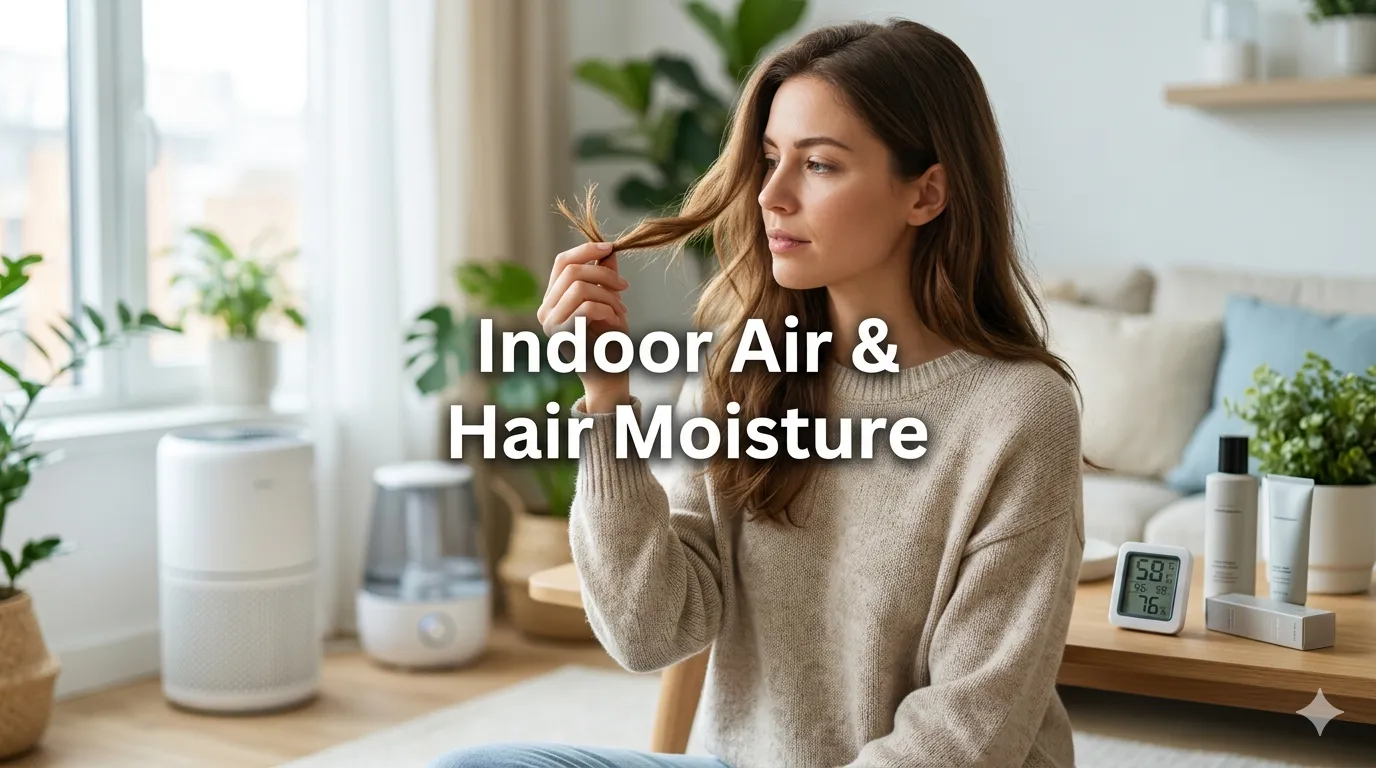
The Hidden Connection Between Indoor Air and Your Hair's Health
When we think about factors that affect our hair's moisture levels, we typically consider external elements like sun exposure, harsh shampoos, or heat styling tools. However, there's a crucial factor that often goes overlooked: the quality of the air inside your home, office, or any indoor space where you spend significant time. The air you breathe indoors has a profound impact on your hair's moisture balance, texture, and overall health.
Why indoor air quality matters for hair: The average person spends approximately 90% of their time indoors, whether at home, work, or other enclosed spaces. This means your hair is constantly exposed to indoor air conditions that can either support or undermine its moisture levels. Unlike outdoor air, which varies naturally, indoor air is a controlled environment that can become problematic when humidity levels drop too low or when pollutants accumulate.
Indoor air quality affects hair moisture through several mechanisms: humidity levels that determine how much moisture your hair can retain, airborne pollutants that can strip natural oils, temperature fluctuations that affect the hair cuticle, and ventilation that influences overall air composition. Understanding these connections is the first step toward protecting your hair from indoor environmental damage.
Key ways indoor air impacts hair:
- Humidity levels: Low humidity draws moisture from hair strands, causing dryness and brittleness
- Air pollutants: Indoor contaminants can coat hair shafts and strip natural oils
- Temperature control: Heating and cooling systems create dry air conditions
- Ventilation quality: Poor air circulation concentrates drying elements
- Chemical exposure: Cleaning products and VOCs affect hair's moisture barrier
This comprehensive guide explores the science behind how indoor air quality affects hair moisture, identifies specific environmental factors that cause damage, and provides actionable solutions to maintain healthy, hydrated hair regardless of your indoor environment.
Understanding Indoor Humidity and Hair Moisture
Humidity is perhaps the most critical factor in how indoor air quality affects your hair. The moisture content in the air directly influences your hair's ability to retain its own moisture, making humidity levels a crucial consideration for hair health.
Optimal humidity for hair health: Hair thrives in environments with relative humidity between 40-60%. Within this range, hair can maintain its natural moisture balance without becoming overly dry or excessively frizzy. When indoor humidity drops below 40%, hair begins to lose moisture to the drier surrounding air. When humidity exceeds 60%, hair may absorb too much moisture, leading to frizz and loss of definition.
How low humidity damages hair:
- Moisture loss: Dry air acts like a sponge, pulling moisture from hair strands through osmosis
- Cuticle damage: As hair loses moisture, the cuticle lifts and becomes rough, leading to increased friction and breakage
- Reduced elasticity: Dry hair becomes brittle and snaps more easily when manipulated
- Static electricity: Low humidity increases static, causing flyaways and making hair difficult to manage
- Scalp dryness: Low humidity affects the scalp, potentially leading to flakiness and irritation
Common causes of low indoor humidity:
- Heating systems: Central heating, space heaters, and radiators significantly reduce indoor humidity, especially in winter
- Air conditioning: AC systems remove moisture from air as they cool, creating dry conditions
- Climate: Naturally dry climates or winter seasons create challenging conditions
- Poor ventilation: Sealed, energy-efficient homes trap dry air
- Indoor activities: Certain activities like cooking without ventilation can paradoxically create dry conditions
The Science of Hair Hydration
Hair is hygroscopic, meaning it naturally absorbs and releases moisture based on environmental conditions. Each hair strand consists of three layers: the cuticle (outer protective layer), cortex (middle layer containing moisture and proteins), and medulla (innermost core). The cuticle acts as a barrier, controlling how much moisture enters or exits the hair shaft.
When indoor air is dry, the moisture gradient between your hair and the surrounding air causes water molecules to move from the hair into the air. This process, called transepidermal water loss, accelerates in low-humidity environments. Over time, chronic exposure to dry air depletes the hair's natural moisture reserves, leading to a cascade of damage.
Indoor Air Pollutants That Damage Hair
Beyond humidity levels, various airborne pollutants in indoor environments can compromise hair moisture and overall health. These contaminants may come from both indoor and outdoor sources.
Common indoor air pollutants affecting hair:
Volatile Organic Compounds (VOCs): Emitted by cleaning products, paints, air fresheners, and furniture. VOCs can coat hair shafts, creating a barrier that prevents moisture absorption and strips natural oils.
Particulate matter: Dust, pollen, and fine particles settle on hair, creating a film that blocks moisture and weighs hair down. These particles can also cause scalp irritation.
Mold spores: In damp indoor environments, mold spores circulate in the air and can settle on hair and scalp, potentially causing irritation and disrupting the scalp's natural moisture balance.
Chemical residues: Aerosol sprays, hairsprays, and styling products release chemicals into indoor air that can accumulate on hair and interfere with moisture retention.
How pollutants damage hair moisture:
- Barrier formation: Pollutants create a film on hair that blocks moisture absorption
- Oxidative stress: Pollutants generate free radicals that damage hair proteins and lipids
- Scalp irritation: Pollutants can inflame the scalp, disrupting natural oil production
- Cuticle damage: Airborne chemicals can lift and damage the protective cuticle layer
- Protein degradation: Certain pollutants break down keratin, weakening hair structure
Sources of Indoor Air Pollution
- Cleaning products: Harsh chemicals in conventional cleaners release VOCs
- Personal care products: Aerosols and synthetic fragrances pollute indoor air
- Cooking: Without proper ventilation, cooking releases particles and chemicals
- Building materials: New furniture, carpets, and paint off-gas chemicals
- Outdoor air: Pollution from outside can enter through windows and ventilation
Heating and Cooling Systems: Hidden Hair Enemies
Climate control systems are essential for comfort, but they're also major contributors to indoor air conditions that damage hair moisture. Understanding how these systems affect your hair can help you mitigate their impact.
How heating systems dry out hair:
Central heating: Forced-air heating systems circulate warm air that has very low humidity. As air is heated, its relative humidity drops dramatically. A space at 70°F with 30% humidity feels comfortable but is extremely drying to hair.
Radiators and baseboard heaters: These systems create convection currents that circulate dry air throughout rooms. The constant air movement accelerates moisture evaporation from hair.
Space heaters: Portable heaters create localized dry zones that can be particularly damaging to hair in their immediate vicinity.
Impact of air conditioning:
Moisture removal: AC systems work by removing moisture from air as they cool it. This dehumidification process can reduce indoor humidity to levels as low as 30-40%, well below the optimal range for hair health.
Constant air circulation: AC systems continuously circulate air, which can accelerate moisture loss from hair through increased evaporation.
Temperature fluctuations: Moving between air-conditioned spaces and outdoor environments creates stress on hair as it constantly adjusts to different humidity levels.
Protecting Hair from Climate Control Damage
- Use humidifiers: Counteract dry air from heating and AC with portable or whole-house humidifiers
- Maintain moderate temperatures: Avoid extreme temperature settings that require maximum heating or cooling
- Ventilate properly: Ensure adequate ventilation to prevent air from becoming too stale or dry
- Create moisture barriers: Use leave-in conditioners and oils to protect hair from dry air
- Avoid direct airflow: Position seating and beds away from direct vents
Measuring and Monitoring Indoor Air Quality for Hair Health
You can't manage what you don't measure. Understanding your indoor air quality is essential for protecting your hair's moisture levels.
Essential measurements:
Relative humidity: The most important metric for hair health. Use a hygrometer to monitor humidity levels in different rooms. Ideal range: 40-60%.
Temperature: Temperature affects how humidity impacts hair. Warmer air can hold more moisture, but heated air is typically drier.
Air quality index (indoor): Some advanced monitors measure particulate matter, VOCs, and other pollutants that affect hair.
Recommended monitoring tools:
- Digital hygrometers: Affordable devices that display humidity and temperature
- Smart home monitors: Devices like Awair or Airthings track multiple air quality metrics
- Humidity apps: Some smart home systems provide humidity data through apps
- Professional assessment: For severe issues, consider professional indoor air quality testing
Where to Monitor
- Bedroom: Where you spend 6-8 hours nightly
- Bathroom: Important for understanding humidity fluctuations
- Workspace: Where you may spend 8+ hours daily
- Living areas: General living spaces
Practical Solutions for Better Indoor Air and Healthier Hair
Now that you understand the problem, let's explore actionable solutions to improve your indoor air quality and protect your hair's moisture.
Humidity Control Strategies
Using humidifiers effectively:
- Choose the right type: Cool-mist humidifiers are generally safer and more energy-efficient than warm-mist models
- Size appropriately: Match humidifier capacity to room size for optimal performance
- Clean regularly: Clean humidifiers weekly to prevent mold and bacteria growth
- Use distilled water: Prevents mineral buildup and white dust
- Monitor levels: Keep humidity between 40-60% to avoid over-humidification
- Strategic placement: Position humidifiers where you spend the most time
Natural humidity boosters:
- Houseplants: Plants release moisture through transpiration. Good options include peace lilies, ferns, and spider plants
- Water basins: Place bowls of water near heat sources to add moisture to air
- Air-dry laundry indoors: Drying clothes inside adds moisture to air
- Leave bathroom door open: After showering, let steam circulate through your home
- Cook with lids off: Boiling water releases moisture into air
Improving Air Quality
Air purification:
- HEPA filters: Remove 99.97% of particles 0.3 microns or larger
- Activated carbon filters: Absorb VOCs and odors
- UV-C light purifiers: Kill mold spores and bacteria
- Ionizers: Help particles settle out of air (use with caution)
Ventilation improvements:
- Open windows: When outdoor air quality is good, ventilate regularly
- Use exhaust fans: In bathrooms and kitchens to remove moisture and pollutants
- Install air exchangers: Bring in fresh air while maintaining energy efficiency
- Clean HVAC filters: Replace filters every 1-3 months
Reducing indoor pollutants:
- Choose natural cleaning products: Avoid harsh chemicals and synthetic fragrances
- Limit aerosol products: Use pump sprays instead of aerosols
- Remove shoes: Prevent tracking in outdoor pollutants
- Vacuum regularly: Use a vacuum with HEPA filtration
- Control moisture: Fix leaks and use dehumidifiers in damp areas to prevent mold
Hair Protection Strategies
Protective products:
- Leave-in conditioners: Create a moisture barrier on hair
- Hair oils: Seal in moisture with natural oils like argan, jojoba, or coconut
- Humectants: Products with glycerin or hyaluronic acid attract moisture
- Anti-static products: Reduce static in dry conditions
- Heat protectants: Even without heat styling, protectants can shield from dry air
Hair care adjustments:
- Reduce washing frequency: Over-washing strips natural oils
- Use lukewarm water: Hot water further dries hair
- Deep condition weekly: Intensive treatments restore moisture
- Protective styles: Braids, buns, and covered styles reduce exposure
- Silk pillowcases: Reduce friction and moisture loss while sleeping
- Regular trims: Remove dry, damaged ends
Seasonal Considerations for Indoor Air and Hair
Indoor air quality challenges vary by season, requiring different strategies throughout the year.
Winter challenges:
- Extreme dryness: Heating systems create very low humidity (often 10-30%)
- Temperature extremes: Moving between heated indoors and cold outdoors stresses hair
- Static electricity: Dry air increases static and flyaways
- Solution focus: Aggressive humidification, protective styles, intensive moisturizing
Summer challenges:
- Air conditioning: AC removes moisture from indoor air
- Humidity fluctuations: Moving between humid outdoors and dry indoors
- Increased pollutants: More outdoor pollution can enter homes
- Solution focus: Balanced humidity, air purification, lightweight moisture
Spring and fall:
- Variable conditions: Transitional seasons require flexible strategies
- Allergen concerns: Pollen and allergens affect indoor air quality
- Solution focus: Monitor humidity, adjust systems as needed, maintain air quality
Special Considerations for Different Hair Types
Different hair types respond differently to indoor air quality issues, requiring tailored approaches.
Curly and coily hair:
- Challenges: Naturally drier, more prone to moisture loss in dry air
- Solutions: Higher humidity (50-60%), heavy sealing with oils and butters, protective styles
Fine or thin hair:
- Challenges: Can become weighed down by heavy products used to combat dryness
- Solutions: Moderate humidity (40-50%), lightweight moisturizers, avoid over-conditioning
Chemically treated hair:
- Challenges: Already compromised cuticle more vulnerable to dry air damage
- Solutions: Consistent humidity, intensive protein and moisture treatments, minimize additional stress
Color-treated hair:
- Challenges: Dry air can accelerate color fading and increase brittleness
- Solutions: Stable humidity, UV protection, color-safe moisturizing products
High-porosity hair:
- Challenges: Absorbs and loses moisture quickly in fluctuating conditions
- Solutions: Consistent humidity, sealing products, protein treatments
Low-porosity hair:
- Challenges: Difficulty absorbing moisture in dry conditions
- Solutions: Moderate humidity, heat-assisted deep conditioning, lightweight products
Creating a Hair-Healthy Indoor Environment: Room by Room
Different rooms in your home present different challenges and opportunities for maintaining hair-healthy air quality.
Bedroom:
- Priority: Highest— you spend 6-8 hours here nightly
- Solutions: Bedside humidifier, silk pillowcases, air purifier, keep temperature moderate (65-68°F)
- Avoid: Electronics that generate heat and dry air
Bathroom:
- Priority: High— where you care for your hair
- Solutions: Exhaust fan to prevent mold, maintain moderate humidity, good ventilation
- Avoid: Letting humidity get too high (promotes mold) or too low (drying)
Home office/workspace:
- Priority: High— extended daily exposure
- Solutions: Desktop humidifier, air purifier, plants, regular breaks to hydrate hair
- Avoid: Sitting directly under or near vents
Living areas:
- Priority: Moderate— variable exposure
- Solutions: Whole-house humidification if possible, good ventilation, houseplants
- Avoid: Overuse of scented candles and air fresheners
FAQs About Indoor Air Quality and Hair Moisture
How quickly does dry indoor air damage hair?
Effects can be noticed within hours in very dry conditions (below 30% humidity), with increased static and frizz. However, significant moisture loss and structural damage typically occur over days to weeks of chronic exposure to dry air. Consistent exposure to humidity below 40% will gradually deplete hair's moisture reserves.
Can a humidifier really improve my hair's condition?
Yes. Maintaining indoor humidity between 40-60% can significantly improve hair moisture levels, reduce static, increase shine, and decrease breakage. Many people notice improvements within 1-2 weeks of consistent humidifier use, with more dramatic results after a month.
Is it possible to have too much humidity for hair?
Yes. Humidity above 60-70% can cause hair to absorb too much moisture, leading to frizz, loss of definition (especially for straight hair), and potential microbial growth on the scalp. Very high humidity can also make hair feel heavy and limp.
Do air purifiers help with hair health?
Yes, indirectly. Air purifiers remove particulate matter, VOCs, and other pollutants that can coat hair and scalp, interfere with moisture absorption, and cause irritation. Cleaner air means less buildup on hair and a healthier scalp environment.
How do I know if my hair problems are from indoor air?
Signs include: increased dryness and breakage during heating/cooling seasons, improvement when traveling to different climates, static electricity in winter, and symptoms that improve with humidifier use. If hair problems correlate with time spent indoors and improve with air quality interventions, indoor air is likely a factor.
Can indoor air quality cause hair loss?
While indoor air quality alone rarely causes significant hair loss, chronic exposure to very dry air, pollutants, and poor air quality can contribute to hair breakage, scalp inflammation, and weakened hair that's more prone to shedding. Addressing air quality can help minimize these contributing factors.
How often should I clean my humidifier?
Clean humidifiers at least once weekly with vinegar or manufacturer-recommended cleaner to prevent mold and bacteria growth. Empty and rinse daily, and change water daily. A dirty humidifier can actually worsen air quality and potentially harm hair and health.
Are there natural ways to add moisture to indoor air?
Yes: add houseplants (especially ferns, peace lilies, and spider plants), place water basins near heat sources, air-dry laundry indoors, leave bathroom doors open after showering, cook with lids off occasionally, and keep indoor temperature moderate.
Conclusion: Breathe Better, Grow Better Hair
The connection between indoor air quality and hair moisture is undeniable. The air you breathe indoors plays a crucial role in determining whether your hair thrives or struggles with dryness, breakage, and dullness. By understanding how humidity levels, air pollutants, and climate control systems affect your hair, you can take proactive steps to create an indoor environment that supports healthy, hydrated hair.
The solutions are within reach: monitor your indoor humidity, invest in a quality humidifier, improve ventilation, reduce indoor pollutants, and adjust your hair care routine to complement your indoor environment. These changes don't require a complete lifestyle overhaul—small, consistent adjustments can yield significant improvements in your hair's moisture levels and overall health.
Remember that healthy hair starts with a healthy environment. By prioritizing indoor air quality, you're not just protecting your hair; you're also supporting your overall health and wellbeing. The same strategies that keep your hair moisturized—proper humidity, clean air, and reduced pollutants—also benefit your skin, respiratory system, and overall comfort.
Start today by measuring your indoor humidity and identifying the biggest air quality challenges in your space. Then implement one or two solutions from this guide. Whether it's adding a humidifier to your bedroom, introducing more houseplants, or switching to natural cleaning products, every improvement counts.
Your hair deserves an environment where it can thrive. By creating indoor air quality that supports moisture retention and minimizes damage, you're investing in healthier, more beautiful hair that reflects the care you put into your environment. Breathe better, and watch your hair grow better.


0 Comments