

Info-Sarkar Project: Transforming Rural Internet Access in Bangladesh
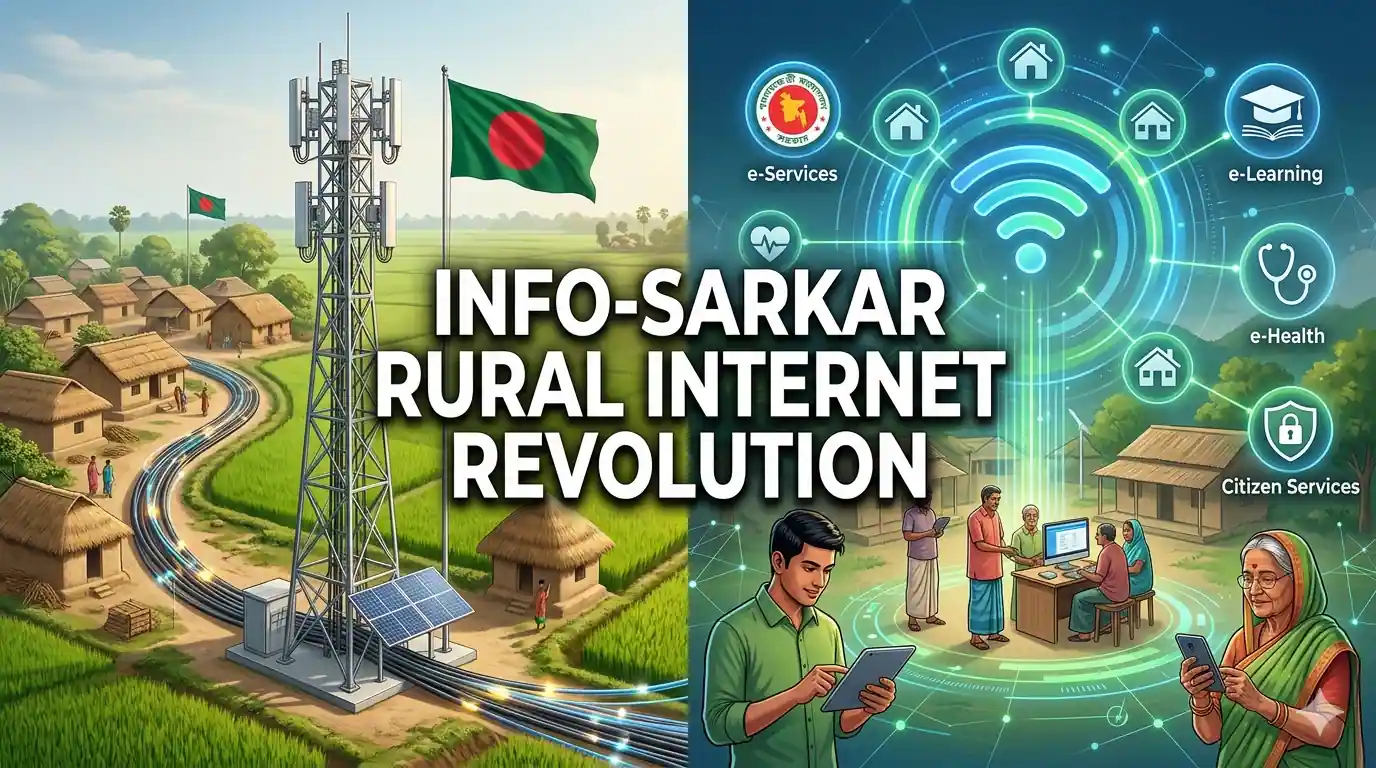
How the Info-Sarkar Project is Changing Internet Access in Rural Villages
In the heart of rural Bangladesh, where rice paddies stretch to the horizon and traditional village life continues alongside modern aspirations, a quiet digital revolution is unfolding. The Info-Sarkar project—officially titled the "Development of National ICT Infra-Network for Bangladesh Government"—is bridging the digital divide by bringing high-speed internet connectivity to thousands of previously underserved rural communities [[20]]. This ambitious government initiative represents more than just technological infrastructure; it embodies Bangladesh's commitment to inclusive digital transformation under the broader Digital Bangladesh vision.
Launched in 2017 by the Bangladesh Computer Council (BCC) and the ICT Division, Info-Sarkar Phase-3 specifically targets marginal rural areas, aiming to provide reliable broadband services to village-level government institutions, educational facilities, healthcare centers, and ultimately, the citizens who depend on them [[20]]. With over 100,000 rural government infrastructures now connected, the project is reshaping how rural Bangladesh accesses information, delivers public services, and participates in the digital economy [[20]].
This comprehensive guide explores how the Info-Sarkar project is transforming internet access in rural villages. We examine the project's technical architecture, its phased implementation strategy, real-world impacts on education and governance, challenges faced during deployment, and the roadmap for expanding digital inclusion across Bangladesh. Whether you're a development professional, policy maker, technology enthusiast, or rural resident curious about connectivity improvements, understanding Info-Sarkar provides crucial insights into Bangladesh's digital future.
Understanding Info-Sarkar: Bangladesh's Rural Connectivity Initiative
The Info-Sarkar project is not a standalone effort but the culmination of a multi-phase strategy to create a nationwide government ICT network. Its three-phase structure reflects a deliberate approach to scaling connectivity from central administration to the most remote villages [[22]].
Phase I and II: Building the Backbone
The foundation of Info-Sarkar was laid through Phases I and II, which established a high-speed internet backbone network using Dense Wavelength Division Multiplexing (DWDM) technology [[22]]. This advanced fiber-optic infrastructure connected:
- All government ministries, directorates, and departments at the national level
- All 64 districts and 488 Upazilas (sub-districts) across Bangladesh [[22]]
- Over 18,130 government offices with reliable broadband connectivity [[22]]
- Central secretariat buildings with Wi-Fi coverage for seamless internal communication
- 600 police offices through Virtual Private Network (VPN) connectivity for secure data exchange [[22]]
Additionally, Phase II distributed 25,000 tablets to government officials to enhance ICT adoption in the public sector and established 800 video conferencing systems plus one disaster recovery center to ensure business continuity [[22]]. These investments created the technical foundation upon which rural expansion could be built.
Phase III: Reaching the Last Mile
Phase III represents the project's most ambitious and socially impactful component: extending connectivity to the grassroots level. The phase aims to expand the existing backbone network through approximately 20,000 kilometers of optical fiber cable to reach:
- 2,600 rural administrative units known as Unions—the lowest tier of local government in Bangladesh [[22]]
- 1,600 additional police offices in rural areas for enhanced security coordination [[22]]
- Over 100,000 village-level government institutions including schools, health complexes, and land offices [[20]]
According to project documentation, at least 60% of Bangladesh's population is expected to benefit directly from this expansion [[22]]. The initiative targets increasing fixed broadband household connectivity from 5% to over 15% and is projected to contribute approximately 1% to national GDP growth through enhanced digital productivity [[22]].
Technical Architecture: How Info-Sarkar Delivers Rural Connectivity
Understanding the technology behind Info-Sarkar helps appreciate both its capabilities and limitations. The project employs a layered infrastructure approach designed for scalability, reliability, and cost-effectiveness.
Fiber Optic Backbone with DWDM Technology
At the core of Info-Sarkar lies a fiber-optic network utilizing Dense Wavelength Division Multiplexing (DWDM), a technology that transmits multiple data signals simultaneously over a single fiber strand by using different light wavelengths [[22]]. This approach dramatically increases bandwidth capacity without requiring additional physical cables, making it ideal for connecting dispersed rural locations efficiently.
The 20,000 km of optical fiber deployed in Phase III creates a redundant ring topology, meaning data can travel multiple paths between points. If one segment experiences disruption—due to construction damage, natural events, or technical faults—traffic automatically reroutes through alternative paths, maintaining service continuity [[22]].
Last-Mile Connectivity Solutions
While the backbone reaches Union-level administrative centers, connecting individual villages, schools, and homes requires "last-mile" solutions. Info-Sarkar employs multiple approaches:
- Direct Fiber Extension: Where feasible, fiber cables extend from Union centers to nearby institutions like schools and health clinics
- Wireless Backhaul: In geographically challenging areas, point-to-point wireless links bridge the gap between fiber endpoints and remote locations
- Union Digital Centers (UDCs): These community access points serve as connectivity hubs where villagers can access internet services, digital government applications, and training programs [[20]]
Network Management and Security
A centralized Network Operations Center (NOC) monitors the entire Info-Sarkar infrastructure, detecting and resolving issues proactively. Security measures include encrypted data transmission, firewall protection at network boundaries, and access controls to safeguard government communications and citizen data [[22]].
Real-World Impact: Transforming Rural Life Through Connectivity
The true measure of Info-Sarkar's success lies not in kilometers of fiber laid but in tangible improvements to rural livelihoods. Here's how enhanced connectivity is changing lives across Bangladesh's villages.
Education: Bridging the Knowledge Gap
Over 84,000 educational institutions now benefit from Info-Sarkar's broadband expansion [[20]]. This connectivity enables:
- Digital Learning Resources: Teachers access online curricula, educational videos, and interactive teaching tools previously unavailable in remote areas
- Virtual Classrooms: Students participate in video conferences with educators in urban centers, expanding exposure to diverse teaching styles and expertise
- Research Capabilities: Academic institutions conduct online research, access digital libraries, and collaborate with peers nationwide
- Examination and Administration: Schools manage admissions, attendance, and results through digital platforms, reducing paperwork and errors
A teacher in a rural Upazila school shared: "Before broadband, we relied on outdated textbooks. Now, my students watch science experiments online and practice English with native speakers through video calls. Their confidence has transformed."
Healthcare: Telemedicine and Information Access
Rural health complexes connected through Info-Sarkar can now:
- Consult Specialists Remotely: Local health workers video-consult with doctors in district hospitals for complex cases, reducing unnecessary patient travel
- Access Medical Databases: Healthcare providers reference up-to-date treatment guidelines, drug information, and public health alerts
- Manage Patient Records Digitally: Electronic health records improve continuity of care and enable data-driven public health planning
- Coordinate Emergency Response: Real-time communication accelerates ambulance dispatch and resource allocation during health crises
During the pandemic, connected rural health centers played crucial roles in disseminating vaccination information, tracking cases, and coordinating with national health authorities—demonstrating the life-saving potential of reliable connectivity.
Government Services: E-Governance at the Grassroots
Info-Sarkar enables Union-level government offices to deliver services more efficiently:
- Land Records and Registration: Citizens access digitized land records online, reducing disputes and corruption associated with paper-based systems
- Social Safety Net Programs: Beneficiary lists, payment tracking, and grievance redressal move to digital platforms, improving transparency and reducing delays
- Citizen Feedback Mechanisms: Online portals allow villagers to report issues, request services, and provide feedback directly to authorities
- Inter-Agency Coordination: Different government departments share data securely, enabling integrated service delivery
A Union Parishad chairman noted: "Digital record-keeping has cut processing time for citizen applications from weeks to days. People trust the system more because they can track their requests online."
Economic Opportunities: Digital Livelihoods in Rural Areas
Improved connectivity unlocks new economic pathways:
- E-Commerce and Market Access: Rural artisans and farmers list products on digital marketplaces, reaching customers beyond local bazaars
- Freelancing and Remote Work: Youth with digital skills access online job platforms, earning income without migrating to cities
- Financial Inclusion: Mobile banking and digital payment services expand access to formal financial systems
- Agricultural Innovation: Farmers access weather forecasts, market prices, and expert advice via mobile apps, improving decision-making
Young entrepreneurs in connected villages report launching online businesses, offering digital services to neighbors, and participating in the gig economy—activities previously concentrated in urban centers.
Implementation Challenges and Adaptive Solutions
Deploying nationwide infrastructure across Bangladesh's diverse geography presents significant challenges. Info-Sarkar's implementers have developed adaptive strategies to overcome these obstacles.
Geographic and Logistical Hurdles
Bangladesh's riverine landscape, seasonal flooding, and dispersed settlements complicate fiber deployment. Solutions include:
- Strategic Route Planning: Aligning fiber routes with existing road and railway corridors to minimize new right-of-way acquisition
- Resilient Infrastructure: Using armored cables and elevated installations in flood-prone areas to withstand environmental stress
- Phased Rollout: Prioritizing high-impact Unions first, then expanding based on lessons learned and resource availability
Technical Capacity Building
Operating and maintaining advanced ICT infrastructure requires skilled personnel often scarce in rural areas. Info-Sarkar addresses this through:
- Training Programs: Certifying local technicians in fiber optics, network management, and troubleshooting
- Remote Support Systems: Enabling central NOC staff to diagnose and guide rural teams through complex issues via video assistance
- Documentation and Knowledge Sharing: Creating Bengali-language manuals and video tutorials accessible to field staff
Sustainability and Ownership
Ensuring long-term operation beyond initial project funding requires institutional commitment. Strategies include:
- Integration with Government Budgets: Embedding maintenance costs in regular ICT allocations for ministries and local governments
- Public-Private Partnerships: Collaborating with telecom operators to share infrastructure costs and leverage commercial expertise
- Community Engagement: Involving local leaders in planning and monitoring to foster ownership and accountability
Digital Literacy and Adoption
Connectivity alone doesn't guarantee usage. Info-Sarkar complements infrastructure with:
- Awareness Campaigns: Educating rural residents about available digital services and their benefits
- Training at Union Digital Centers: Offering basic computer and internet skills courses for citizens of all ages
- Localized Content: Developing Bengali-language applications and interfaces to reduce language barriers
Comparative Perspective: Info-Sarkar in the Global Digital Inclusion Landscape
Bangladesh's approach to rural connectivity shares commonalities with international initiatives while reflecting unique national priorities.
Similarities with Global Best Practices
- Phased Implementation: Like India's BharatNet and Kenya's National Optic Fibre Backbone Infrastructure, Info-Sarkar scales connectivity progressively from urban centers to rural peripheries
- Multi-Stakeholder Collaboration: Partnerships with private sector firms, development agencies, and community organizations mirror successful models worldwide
- Focus on Public Services: Prioritizing government institutions as anchor tenants ensures baseline demand and demonstrates public value
Distinctive Features of Bangladesh's Approach
- Union-Centric Design: Targeting the Union—the smallest administrative unit with elected representation—ensures connectivity aligns with local governance structures
- Integration with Digital Bangladesh Vision: Info-Sarkar operates within a comprehensive national strategy encompassing e-governance, digital skills, and innovation ecosystems
- Cost-Conscious Engineering: Leveraging existing infrastructure and appropriate technology choices reflects Bangladesh's emphasis on affordability and scalability
International observers note that Bangladesh's progress in rural connectivity, while facing challenges, demonstrates how middle-income countries can pursue inclusive digital transformation through strategic public investment [[30]].
The Road Ahead: Future Directions for Rural Connectivity
As Info-Sarkar Phase-3 nears completion, stakeholders are planning next steps to deepen and broaden rural digital inclusion.
Expanding Beyond Government Institutions
While initial focus connected public sector facilities, future phases may extend connectivity to:
- Households and Small Businesses: Enabling last-meter access through affordable retail broadband services
- Community Centers and Libraries: Creating public access points for those without home connectivity
- Agricultural Cooperatives: Supporting farmer organizations with data services for collective decision-making
Enhancing Service Quality and Affordability
Technical upgrades and policy interventions could improve user experience:
- Bandwidth Upgrades: Increasing capacity at Union centers to support growing demand from multiple institutions
- Competitive Retail Markets: Encouraging multiple service providers to offer affordable packages to end users
- Device Subsidies: Exploring programs to make smartphones and tablets accessible to low-income rural households
Strengthening Digital Ecosystems
Connectivity enables but doesn't guarantee digital transformation. Complementary investments include:
- Localized Content Development: Supporting creation of Bengali-language educational, agricultural, and entrepreneurial resources
- Digital Skills Training: Scaling up programs to build competencies across age groups and occupations
- Innovation Support: Incubating rural tech startups that solve local challenges through digital solutions
Monitoring and Evaluation
Rigorous assessment ensures accountability and learning:
- Impact Metrics: Tracking usage patterns, service quality, and socioeconomic outcomes beyond infrastructure deployment
- Beneficiary Feedback: Systematically collecting citizen perspectives to inform service improvements
- Knowledge Sharing: Documenting lessons for replication within Bangladesh and adaptation by other countries
Frequently Asked Questions
What is the Info-Sarkar project and who implements it?
Info-Sarkar, officially the "Development of National ICT Infra-Network for Bangladesh Government," is a multi-phase initiative led by the Bangladesh Computer Council (BCC) and the ICT Division of the Government of Bangladesh [[20]]. The project aims to extend high-speed internet connectivity from central government offices down to rural Union-level institutions, ultimately benefiting citizens across the country [[22]].
How many rural areas has Info-Sarkar connected so far?
As part of Phase-3, over 100,000 village-level government institutions—including schools, health complexes, and land offices—have received broadband connectivity [[20]]. The project specifically targets 2,600 rural administrative units (Unions) and 1,600 police offices through approximately 20,000 km of optical fiber cable [[22]].
Can ordinary villagers access Info-Sarkar internet services?
While Info-Sarkar primarily connects government institutions, many rural residents access services through Union Digital Centers (UDCs) located within connected facilities [[20]]. These centers offer public internet access, digital government services, and training programs. Future expansions may enable direct household connectivity through retail broadband services.
How does Info-Sarkar improve education in rural areas?
Over 84,000 educational institutions benefit from Info-Sarkar's broadband expansion, enabling teachers to access online curricula, students to participate in virtual classrooms, and schools to manage administration digitally [[20]]. This connectivity helps bridge educational resource gaps between urban and rural areas.
What challenges does rural connectivity face in Bangladesh?
Key challenges include geographic barriers like rivers and flooding, limited technical capacity in rural areas, ensuring long-term maintenance funding, and promoting digital literacy among users [[30]]. Info-Sarkar addresses these through resilient infrastructure design, training programs, budget integration, and awareness campaigns.
How does Info-Sarkar relate to the Digital Bangladesh vision?
Info-Sarkar is a foundational component of Bangladesh's broader Digital Bangladesh strategy, which aims to leverage technology for inclusive development [[32]]. By providing rural connectivity, the project enables e-governance, digital education, telemedicine, and economic opportunities that advance the national digital transformation agenda.
Conclusion: Connectivity as a Catalyst for Rural Transformation
The Info-Sarkar project represents more than a technical infrastructure initiative; it embodies a commitment to inclusive development in the digital age. By extending high-speed internet to Bangladesh's rural villages, the project addresses a fundamental barrier to opportunity: unequal access to information and services.
Early impacts are promising. Connected schools expose students to global knowledge; linked health centers enable remote consultations; digitized government offices deliver services more transparently; and empowered entrepreneurs explore new markets. These changes, multiplied across thousands of villages, contribute to broader economic growth, social equity, and national resilience.
Yet challenges remain. Ensuring sustainable operation, expanding access beyond public institutions, building digital skills, and measuring real-world impact require continued attention and investment. The journey from connectivity to transformation is ongoing, demanding collaboration among government, private sector, civil society, and communities themselves.
For rural Bangladeshis, Info-Sarkar offers a tangible connection to the opportunities of the 21st century. For policymakers worldwide, it provides valuable lessons on scaling digital inclusion in resource-constrained settings. And for all who believe in technology's potential to improve lives, it reaffirms a simple truth: when we bridge the digital divide, we unlock human potential.
As Bangladesh continues its digital journey, the fiber optic cables of Info-Sarkar carry more than data—they carry hope, opportunity, and the promise of a more inclusive future. The project's ultimate success will be measured not in kilometers of cable laid, but in lives transformed, communities empowered, and a nation moving forward together in the digital age.


0 Comments