

Invest in Oboshor Senior Care Complex Sreemangal
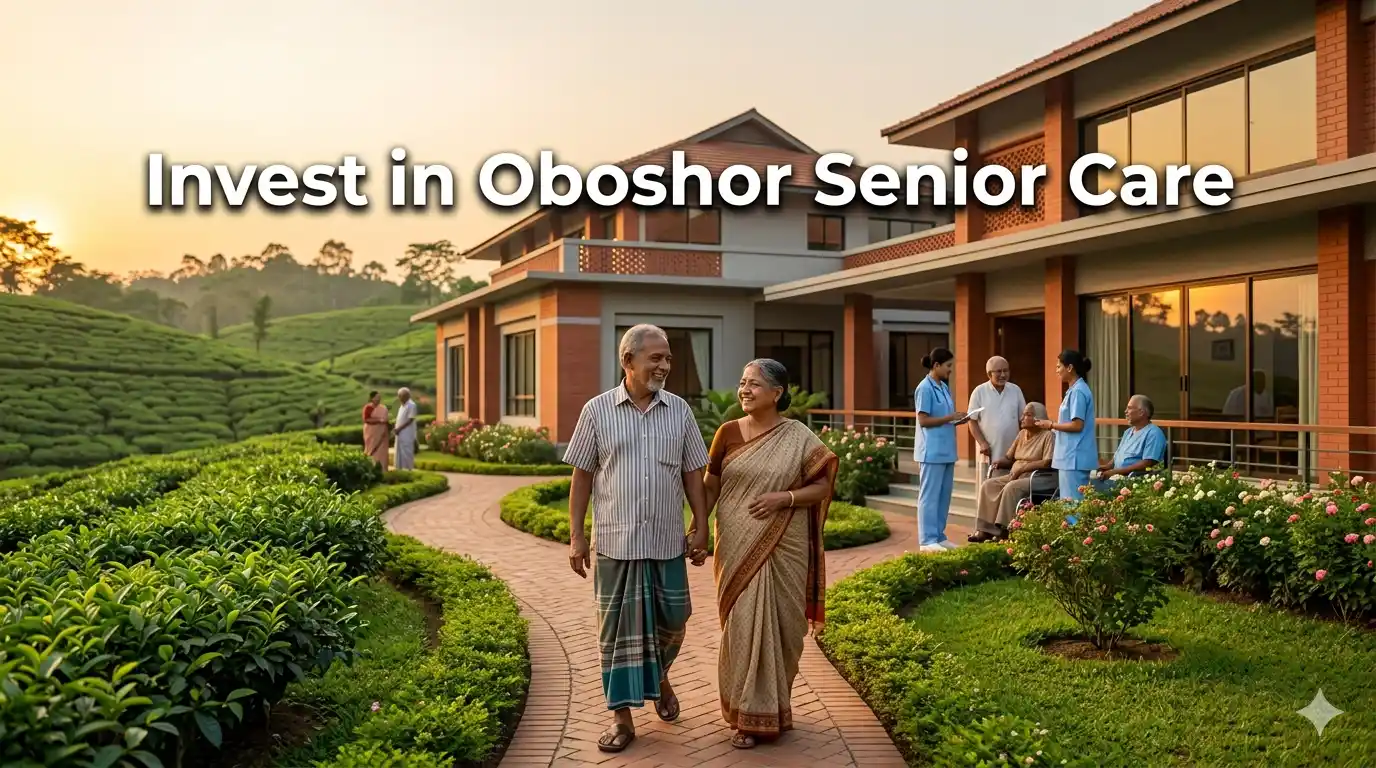
Investing in senior citizen healthcare infrastructure represents one of the most socially impactful and financially promising opportunities in Bangladesh today. The Oboshor Senior Citizen Health Care and Hospitality Complex in Sreemangal, Sylhet Division, stands as a pioneering Public-Private Partnership (PPP) initiative designed to address the growing needs of Bangladesh's aging population while offering structured investment pathways for private stakeholders.
With Bangladesh's elderly population projected to rise from 6% in 2006 to 17% by 2050, the demand for dedicated geriatric care facilities is accelerating rapidly [[1]]. The Oboshor project, implemented under the Ministry of Social Welfare with technical support from the PPP Authority and the International Finance Corporation (IFC), offers investors a chance to participate in a first-of-its-kind healthcare venture in the heart of Bangladesh's tea country [[2]].
Why Invest in Senior Healthcare in Bangladesh Now?
The demographic shift in Bangladesh is creating unprecedented opportunities in the healthcare sector. As life expectancy increases and family structures evolve, traditional home-based elder care is becoming less sustainable for many families. This transition has generated a substantial market gap for professional, compassionate senior care services.
Key market drivers include:
- Demographic momentum: Bangladesh's aged dependency ratio is expected to rise from 6% in 2010 to 15% by 2050, creating sustained demand for elderly care services [[1]].
- Healthcare expenditure growth: Bangladesh's healthcare market is projected to reach $23 billion by 2033, offering robust growth potential for specialized segments like geriatric care [[31]].
- Government prioritization: The Ministry of Social Welfare has identified senior care as a priority area, with Oboshor serving as a pilot project for potential replication nationwide [[2]].
- PPP policy support: Bangladesh's PPP framework provides clear guidelines, risk-sharing mechanisms, and government support for qualifying infrastructure projects.
About the Oboshor Project: Scope and Vision
Located near the picturesque Balishira Tea Garden in Sreemangal, Moulvibazar, the Oboshor complex is designed to be more than just a healthcare facility. It envisions a holistic ecosystem for senior living that combines medical care, hospitality, recreation, and community engagement.
Core components of the project include:
- Long-term care facility: Residential units designed for seniors requiring assisted living or memory care support, with 24/7 medical supervision.
- Secondary care hospital: A dedicated geriatric wing offering general medicine, rehabilitation services, and specialized treatments for age-related conditions.
- Ancillary services: Home nursing programs, physiotherapy centers, Alzheimer's care units, and ambulance services for comprehensive coverage.
- Recreational and wellness amenities: Gardens, walking paths, cultural activity spaces, and wellness workshops tailored to senior interests and capabilities.
- Training and outreach: Programs for caregiver training, community health education, and intergenerational activities.
The project site spans over 5 acres of government-owned land with excellent connectivity to road and rail infrastructure, making it accessible for families across Sylhet Division and beyond [[2]]. The natural setting of Sreemangal—with its clean air, tea gardens, and tranquil environment—provides an ideal therapeutic backdrop for senior wellness.
Understanding the PPP Investment Model
The Oboshor project operates under Bangladesh's Public-Private Partnership framework, which structures collaboration between government agencies and private investors to deliver public infrastructure efficiently. For investors, this model offers several distinct advantages:
Risk mitigation: The government provides the land and regulatory support, while private partners handle design, construction, financing, and operations. This division of responsibilities reduces exposure to land acquisition risks and bureaucratic delays.
Revenue streams: Investors can generate returns through multiple channels:
- User fees from residential care packages and medical services
- Hospitality revenue from short-stay wellness programs for visiting families
- Training and consultancy services for other healthcare providers
- Potential government viability gap funding for socially essential services
Long-term stability: PPP contracts typically span 20-30 years, providing predictable cash flows and protection against short-term market volatility. The social importance of senior care also enhances project resilience during economic fluctuations.
Technical support: The involvement of the International Finance Corporation (IFC) as transaction advisor brings international best practices in project structuring, environmental safeguards, and operational standards [[2]].
Step-by-Step Guide to Investing in Oboshor
While specific tender processes may evolve, the general pathway for private investment in the Oboshor project follows these stages:
1. Preliminary Research and Eligibility Assessment
Before engaging formally, potential investors should:
- Review the project's Information Memorandum and tender documents available through the PPP Authority's data room [[7]].
- Assess organizational capacity against technical and financial qualification criteria.
- Conduct market analysis of senior care demand in Sylhet Division and neighboring regions.
- Consult with legal advisors familiar with Bangladesh's PPP Act and healthcare regulations.
2. Expression of Interest and Pre-Qualification
Interested parties submit an Expression of Interest (EOI) demonstrating:
- Relevant experience in healthcare operations, hospitality management, or infrastructure development
- Financial capacity to meet equity requirements and secure project financing
- Technical expertise in geriatric care service delivery
- Commitment to social impact and community engagement
The PPP Authority and Ministry of Social Welfare evaluate submissions against predefined criteria to shortlist qualified bidders.
3. Request for Proposal and Financial Structuring
Shortlisted investors receive detailed Request for Proposal (RFP) documents outlining:
- Technical specifications for facility design and service standards
- Commercial terms including tariff structures, payment mechanisms, and revenue-sharing arrangements
- Risk allocation matrix defining responsibilities for construction, operational, and demand risks
- Environmental and social safeguard requirements
Investors develop comprehensive proposals including financial models, operational plans, and implementation timelines. Collaboration with healthcare operators, technology providers, or institutional investors can strengthen proposals.
4. Negotiation and Contract Finalization
Selected bidders enter negotiations to finalize the PPP Agreement, which typically includes:
- Concession period and extension options
- Performance standards and monitoring mechanisms
- Dispute resolution procedures
- Termination and handback provisions
Legal due diligence and financial close follow contract signing, enabling project commencement.
5. Implementation and Operations
Post-financial close, investors mobilize resources for:
- Detailed engineering design and regulatory approvals
- Construction and commissioning of facilities
- Staff recruitment and training programs
- Marketing and community outreach to build occupancy
- Ongoing service delivery and quality management
Financial Considerations and Return Projections
While exact financial parameters depend on final tender terms and market conditions, investors should evaluate the following components:
Capital requirements: Initial investment covers land development (though land is government-provided), construction of healthcare and hospitality facilities, medical equipment procurement, and pre-operational expenses. PPP projects often require 20-30% equity contribution, with the remainder financed through debt instruments.
Revenue modeling: Key revenue drivers include:
- Residential care fees (tiered by level of assistance required)
- Outpatient and inpatient medical service charges
- Wellness program subscriptions for non-resident seniors
- Training and consultancy services for external organizations
- Potential ancillary income from pharmacy, cafeteria, or retail spaces
Cost structure: Major operational expenses encompass medical and care staff salaries, utilities, maintenance, supplies, insurance, and administrative overhead. Efficient staffing models and technology integration can optimize cost-to-service ratios.
Return metrics: Well-structured healthcare PPPs in emerging markets typically target internal rates of return (IRR) of 12-18% over the concession period, balancing social impact objectives with commercial viability. The long-term nature of senior care demand provides revenue stability that can support attractive risk-adjusted returns.
Risk Assessment and Mitigation Strategies
Prudent investors should proactively address potential challenges:
Demand risk: Mitigation includes phased facility rollout, market testing through pilot services, and flexible pricing strategies. Partnerships with insurance providers or corporate wellness programs can secure baseline occupancy.
Regulatory risk: Engaging early with the Ministry of Social Welfare, Bangladesh Medical and Dental Council, and other relevant bodies ensures compliance with evolving healthcare standards. Including regulatory change mechanisms in the PPP agreement provides contractual protection.
Operational risk: Recruiting experienced healthcare management teams, implementing robust quality assurance systems, and investing in staff training reduce service delivery risks. Technology solutions like electronic health records and remote monitoring enhance operational efficiency.
Financial risk: Structuring debt with appropriate grace periods, maintaining contingency reserves, and exploring partial risk guarantees from development finance institutions can strengthen financial resilience.
Legal and Regulatory Framework
Investors must navigate Bangladesh's legal landscape for healthcare and PPP projects:
- PPP Policy 2010 and PPP Act: Provide the foundational framework for project identification, procurement, and contract management.
- Healthcare regulations: Compliance with the Bangladesh Medical and Dental Council guidelines, Nursing and Midwifery Council standards, and pharmaceutical regulations is essential.
- Environmental compliance: Environmental Impact Assessment (EIA) approval from the Department of Environment is required for construction activities.
- Land and property laws: While the government provides the land, investors must understand lease terms, usage restrictions, and handback conditions.
Engaging local legal counsel with expertise in infrastructure and healthcare law is strongly recommended throughout the investment process.
ESG and Social Impact Dimensions
Investing in Oboshor aligns powerfully with Environmental, Social, and Governance (ESG) principles:
Social impact: The project directly addresses the care needs of Bangladesh's elderly population, many of whom face isolation or inadequate healthcare access. By creating dignified living environments and professional care services, investors contribute to improved quality of life for seniors and reduced caregiving burdens for families.
Employment generation: The complex will create jobs for healthcare professionals, support staff, and service providers in Sreemangal, contributing to local economic development.
Knowledge transfer: As a pilot project, Oboshor can establish best practices for geriatric care in Bangladesh, with potential for replication in other regions. Investors gain valuable experience in a growing market segment.
Environmental stewardship: The Sreemangal location offers opportunities for sustainable design features like rainwater harvesting, solar energy integration, and organic waste management, aligning with Bangladesh's climate resilience goals.
Common Investor Questions Answered
What is the minimum investment required for Oboshor?
Specific equity requirements are detailed in tender documents, but PPP healthcare projects in Bangladesh typically require private partners to contribute 20-30% of total project cost as equity. The remainder can be financed through commercial debt or development finance institutions.
Can foreign investors participate in this project?
Yes, Bangladesh's PPP framework welcomes foreign investment. International investors may partner with local entities or establish wholly-owned subsidiaries, subject to Bangladesh Bank regulations and sector-specific licensing requirements.
What support does the government provide?
The Ministry of Social Welfare provides the land, facilitates regulatory approvals, and may offer viability gap funding for socially essential services. The PPP Authority offers transaction advisory support and helps coordinate across government agencies.
How is demand for senior care services validated?
Demographic projections, household surveys, and consultations with healthcare professionals indicate strong unmet demand. Investors should conduct their own market validation during due diligence, potentially including pilot services to test pricing and service preferences.
What happens at the end of the concession period?
PPP agreements typically include handback provisions specifying the condition in which assets must be returned to the government. Well-maintained facilities with established operational systems may qualify for contract extensions or new management arrangements.
Getting Started: Next Steps for Interested Investors
If you're considering investment in the Oboshor project, begin with these actionable steps:
- Access official resources: Visit the PPP Authority website (pppo.gov.bd) and navigate to the Oboshor data room for tender documents, project reports, and contact information [[7]].
- Engage with implementing agencies: Contact the Ministry of Social Welfare's project team or the PPP Authority's Oboshor focal point for clarifications and updates on procurement timelines.
- Build your consortium: Identify potential partners with complementary capabilities—healthcare operators, construction firms, technology providers, or financial institutions.
- Conduct preliminary due diligence: Assess market conditions in Sylhet Division, review regulatory requirements, and develop initial financial models.
- Seek expert advice: Consult with legal, financial, and technical advisors experienced in Bangladesh PPP transactions and healthcare sector investments.
The Oboshor Senior Citizen Health Care Complex represents more than an investment opportunity—it's a chance to shape the future of elder care in Bangladesh while building a sustainable, impactful enterprise. As demographic trends accelerate and policy support strengthens, early movers in this space stand to gain both financial returns and profound social value.
By approaching this opportunity with thorough preparation, strategic partnerships, and commitment to quality care, investors can help transform how Bangladesh honors and supports its senior citizens—creating a legacy of compassion that extends far beyond balance sheets.


0 Comments