

Maintain Defined Silhouette Without Counting Calories
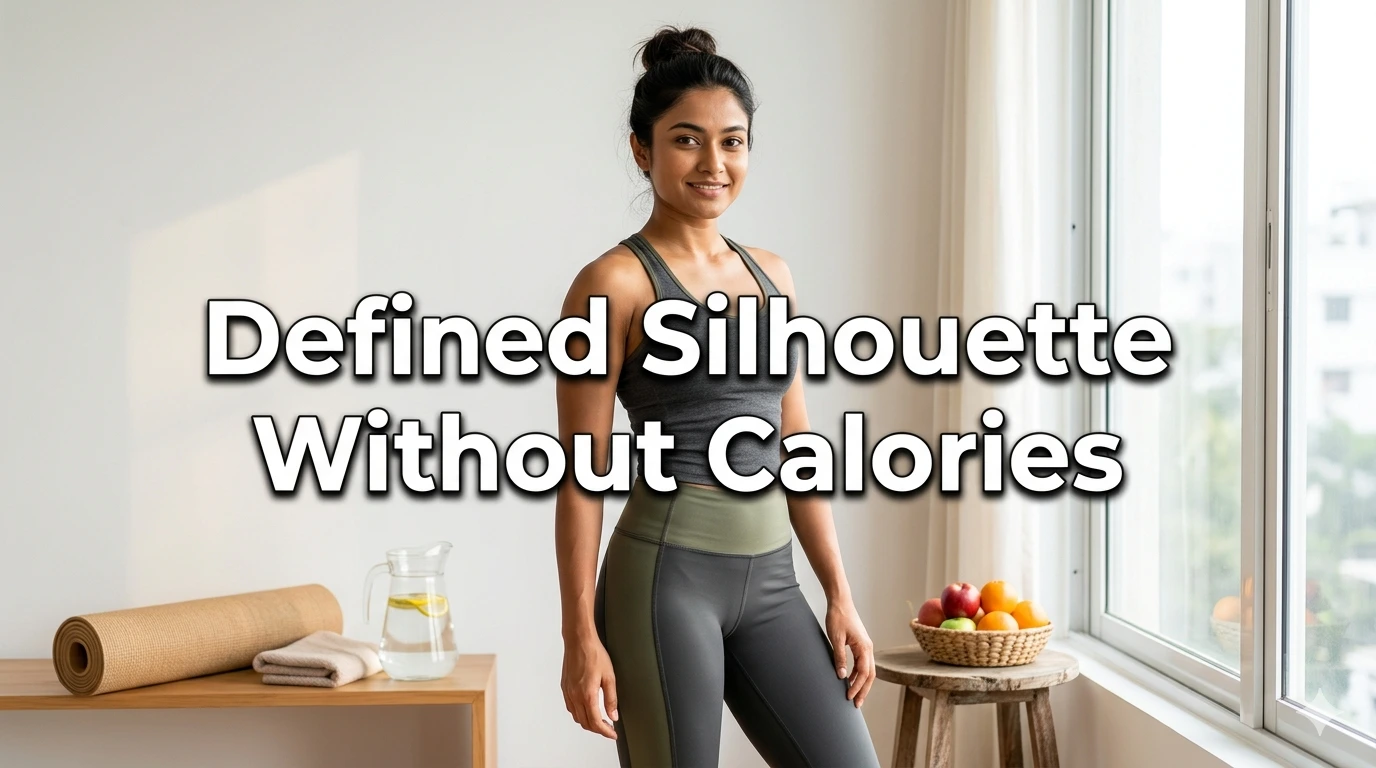
For many women, the pursuit of a defined, confident silhouette has become tangled with the exhausting ritual of calorie counting. Tracking every bite, logging meals in apps, and obsessing over numbers can drain joy from eating and create a stressful relationship with food. But what if you could achieve—and maintain—a beautifully toned, healthy physique without ever counting a single calorie? The answer is a resounding yes.
Maintaining a defined silhouette without counting calories isn't about ignoring nutrition or abandoning intention. It's about shifting your focus from external metrics to internal wisdom—listening to your body, prioritizing nutrient-dense foods, and embracing movement that strengthens rather than punishes. This sustainable, holistic approach supports not only a flattering shape but also long-term metabolic health, mental well-being, and a positive relationship with your body.
This comprehensive guide reveals science-backed strategies to sculpt and maintain your silhouette without the burden of calorie tracking. You'll learn how to leverage intuitive eating principles, optimize protein and fiber intake, incorporate strategic strength training, manage stress and sleep, and build habits that support your natural shape—forever.
Why Calorie Counting Isn't the Only Path to a Defined Silhouette
Calorie counting can be a useful short-term tool for raising awareness, but it has significant limitations for long-term body composition goals:
It ignores food quality: 200 calories of almonds affect your body very differently than 200 calories of candy. Nutrient density, fiber content, and food structure influence satiety, metabolism, and body composition far more than calorie numbers alone.
It disrupts intuitive hunger cues: Constantly referencing external numbers can weaken your ability to recognize natural hunger and fullness signals, leading to over-restriction or rebound eating.
It creates mental fatigue: The cognitive load of tracking can increase stress, which elevates cortisol—a hormone linked to abdominal fat storage and muscle breakdown.
It's unsustainable for many: Life is dynamic. Travel, social events, and changing routines make rigid tracking difficult to maintain, often leading to cycles of restriction and guilt.
The good news? Your body is designed to find its natural, healthy shape when supported with the right inputs: nourishing foods, joyful movement, restorative rest, and compassionate self-care.
Foundational Principles for Silhouette Maintenance Without Counting
Before diving into specific strategies, understand the core principles that make non-tracking approaches effective:
Focus on addition, not subtraction: Instead of restricting calories, prioritize adding nutrient-dense foods that naturally support satiety and metabolism—like lean proteins, fiber-rich vegetables, and healthy fats.
Honor your body's signals: Reconnect with hunger and fullness cues. Eat when you're physically hungry, stop when you're comfortably satisfied.
Prioritize consistency over perfection: Small, sustainable habits practiced regularly create more lasting change than short-term, extreme measures.
Support metabolic health holistically: Body composition is influenced by sleep, stress, hormones, and movement—not just food. Address the whole picture.
Strategy 1: Master Intuitive Eating for Body Composition
Intuitive eating is a evidence-based framework that helps you rebuild trust with your body and food. When applied to silhouette goals, it emphasizes satisfaction, nourishment, and gentle nutrition.
Key intuitive eating practices for shape maintenance:
- Reject the diet mentality: Release the belief that restriction equals results. Trust that your body can find balance without rigid rules.
- Honor hunger: Eat regularly enough to avoid extreme hunger, which can trigger overeating later.
- Make peace with food: Allow all foods without moral judgment. Deprivation often leads to binge cycles that disrupt body composition goals.
- Discover satisfaction: Choose foods you genuinely enjoy and eat them mindfully. Satisfaction enhances satiety signals and reduces the urge to overeat.
- Feel your fullness: Pause mid-meal to check in. Stop eating when you feel comfortably satisfied, not stuffed.
Featured snippet answer: To maintain a defined silhouette without counting calories, practice intuitive eating: honor hunger cues, prioritize nutrient-dense foods, eat mindfully for satisfaction, and trust your body's natural ability to regulate weight when supported with consistent, compassionate habits.
Strategy 2: Prioritize Protein and Fiber for Natural Satiety
Two nutrients powerfully support body composition without requiring calorie math: protein and fiber. Both enhance fullness, preserve lean muscle, and stabilize blood sugar—key factors for a toned silhouette.
Protein priorities:
- Aim to include a palm-sized portion of protein at each meal (chicken, fish, eggs, lentils, tofu, Greek yogurt).
- Protein has the highest thermic effect of food, meaning your body burns more calories digesting it.
- Adequate protein preserves muscle mass during weight maintenance, keeping your metabolism robust and your shape defined.
Fiber fundamentals:
- Fill half your plate with non-starchy vegetables at most meals for volume, nutrients, and fiber.
- Choose whole fruits, legumes, and intact whole grains (oats, quinoa, brown rice) over refined options.
- Fiber slows digestion, stabilizes energy, and feeds beneficial gut bacteria linked to healthy weight regulation.
Practical plate method (no counting required):
- ½ plate non-starchy vegetables (spinach, broccoli, peppers, zucchini)
- ¼ plate lean protein (fish, chicken, beans, tempeh)
- ¼ plate quality carbohydrates (sweet potato, quinoa, fruit)
- Add a thumb-sized portion of healthy fats (avocado, olive oil, nuts)
This visual framework ensures balanced nutrition that supports satiety and body composition—without a single calorie calculation.
Strategy 3: Embrace Strength Training for Shape and Metabolism
While nutrition influences body composition, movement shapes it. Strength training is the most effective exercise modality for building and maintaining a defined silhouette—without requiring cardio marathons or calorie burn tracking.
Why strength training works for silhouette maintenance:
- Builds lean muscle: Muscle tissue is metabolically active, meaning it burns more calories at rest than fat tissue. More muscle = higher resting metabolism.
- Creates shape: Targeted resistance exercises sculpt shoulders, arms, back, waist, hips, and legs for a balanced, defined physique.
- Supports bone health: Weight-bearing exercise strengthens bones, crucial for long-term mobility and posture.
- Enhances insulin sensitivity: Muscle acts as a "sink" for glucose, helping regulate blood sugar and reduce fat storage.
Beginner-friendly strength routine (2-3x/week):
- Squats or lunges: 3 sets of 10-12 reps
- Push-ups (modified if needed) or chest press: 3 sets of 8-10 reps
- Bent-over rows or resistance band pulls: 3 sets of 10-12 reps
- Plank or bird-dog: 3 sets of 20-30 seconds
- Glute bridges or hip thrusts: 3 sets of 12-15 reps
Pro tip: Focus on progressive overload—gradually increasing weight, reps, or difficulty—rather than workout duration or calories burned. This builds strength and shape sustainably.
Strategy 4: Optimize Sleep and Stress for Hormonal Balance
Body composition isn't just about food and exercise. Hormones influenced by sleep and stress play a massive role in where your body stores fat and how easily it builds muscle.
Sleep's impact on silhouette:
- Poor sleep disrupts hunger hormones (increasing ghrelin, decreasing leptin), leading to increased appetite and cravings.
- Inadequate rest elevates cortisol, which promotes abdominal fat storage and muscle breakdown.
- Quality sleep supports muscle recovery and growth hormone release, essential for maintaining tone.
Stress management for body composition:
- Chronic stress keeps cortisol elevated, encouraging fat storage—particularly around the midsection.
- Stress can trigger emotional eating or skipped workouts, derailing consistency.
- Mind-body practices lower cortisol and support mindful decision-making around food and movement.
Actionable sleep and stress strategies:
- Aim for 7-9 hours of quality sleep nightly; establish a consistent bedtime routine.
- Practice 5-10 minutes of deep breathing or meditation daily to lower cortisol.
- Engage in joyful movement (walking, dancing, yoga) as stress relief, not punishment.
- Set boundaries around work and digital consumption to protect rest time.
Strategy 5: Cultivate Mindful Movement Beyond the Gym
Formal exercise is powerful, but non-exercise activity thermogenesis (NEAT)—the calories burned through daily movement—significantly influences body composition. Boosting NEAT requires no tracking, just awareness.
Simple ways to increase daily movement:
- Take short walking breaks every hour if you sit for work
- Choose stairs over elevators when possible
- Park farther from entrances or get off transit one stop early
- Stand or pace during phone calls
- Do light household chores with energy (gardening, cleaning, cooking)
Mindful movement principles:
- Move in ways that feel good, not punishing
- Listen to your body: rest when needed, challenge when ready
- Focus on how movement makes you feel (energized, strong, calm) rather than calories burned
This approach builds sustainable activity habits that support your silhouette without burnout or obsession.
Strategy 6: Hydrate Strategically for Metabolism and Satiety
Water is a silent powerhouse for body composition. Adequate hydration supports metabolism, reduces false hunger cues, and enhances workout performance—all without counting a thing.
Hydration benefits for silhouette maintenance:
- Drinking water before meals can enhance satiety, naturally reducing intake
- Proper hydration supports efficient metabolism and nutrient transport
- Water helps reduce water retention and bloating, improving how your silhouette appears
Practical hydration tips:
- Start your day with a glass of water to rehydrate after sleep
- Keep a reusable water bottle visible as a gentle reminder
- Flavor water naturally with lemon, cucumber, or mint if plain water feels boring
- Listen to thirst cues—don't force excessive intake, but don't ignore signals
Aim for pale yellow urine as a simple, no-counting indicator of adequate hydration.
Strategy 7: Build Consistent, Enjoyable Eating Patterns
Rigid meal timing isn't necessary for everyone, but consistent eating patterns can support metabolism and prevent extreme hunger that leads to overeating.
Flexible pattern ideas:
- Three balanced meals: Ideal for those who prefer structure; include protein, fiber, and fats at each
- Two meals + one snack: Works well for intermittent fasting preferences or lighter appetites
- Intuitive timing: Eat when hungry, stop when full—trust your body's rhythm
Key habits for pattern success:
- Don't skip meals regularly; prolonged fasting can slow metabolism for some
- Include protein and fiber at every eating occasion for sustained energy
- Allow flexibility for social events, travel, or changing schedules
Consistency—not perfection—creates the metabolic environment for a maintained silhouette.
Common Mistakes to Avoid When Skipping Calorie Counting
Freedom from tracking doesn't mean abandoning intention. Avoid these pitfalls that can undermine silhouette goals:
Mistake 1: Assuming "healthy" means unlimited
Nutrient-dense foods still provide energy. Practice portion awareness using visual cues (palm, fist, thumb) rather than measuring cups.
Mistake 2: Ignoring liquid calories
Sugary drinks, excessive alcohol, or large smoothies can add significant energy without satiety. Prioritize water, herbal tea, and mindful enjoyment of other beverages.
Mistake 3: Over-relying on processed "diet" foods
Many low-calorie packaged items lack fiber, protein, and satisfaction, potentially triggering hunger later. Choose whole, minimally processed foods most of the time.
Mistake 4: Neglecting strength training
Cardio alone won't build the muscle that creates definition. Prioritize resistance work 2-3x weekly for shape and metabolic support.
Mistake 5: Expecting rapid changes
Sustainable silhouette maintenance is a marathon, not a sprint. Focus on how you feel, your energy, strength gains, and clothing fit—not just the scale.
How to Track Progress Without Numbers
You don't need calories or even a scale to monitor your silhouette journey. Try these non-scale victory indicators:
- How your clothes fit: Notice if waistbands feel looser or sleeves fit more comfortably
- Strength improvements: Can you lift heavier, do more reps, or hold a plank longer?
- Energy levels: Do you feel more vibrant and less sluggish throughout the day?
- Digestive comfort: Reduced bloating or regular bowel movements signal metabolic health
- Mental well-being: Less food anxiety, more body confidence, and joyful movement
- Photos: Monthly progress pictures in consistent lighting/clothing reveal subtle changes
These metrics provide meaningful feedback without triggering obsessive tracking behaviors.
Expert Tips for Long-Term Silhouette Success
Sustaining a defined shape without calorie counting requires ongoing attention to foundational habits:
Practice the 80/20 approach: Aim for nourishing choices 80% of the time, allowing flexibility for enjoyment 20%. This balance prevents deprivation and supports sustainability.
Batch-prepare silhouette-supportive staples: Cook proteins, chop vegetables, or portion snacks in advance to make healthy choices effortless during busy times.
Surround yourself with support: Share your approach with supportive friends or join communities focused on intuitive wellness rather than restriction.
Reassess seasonally: Your body's needs change with age, stress, and life stages. Check in every few months: Are your habits still serving your goals? Adjust with compassion.
Celebrate non-appearance wins: Acknowledge improved sleep, better mood, or newfound strength. These reinforce the holistic benefits of your approach.
Frequently Asked Questions
Can I lose weight without counting calories?
Yes. By prioritizing protein and fiber, practicing intuitive eating, staying active, and managing sleep and stress, many people naturally reach a healthy weight without tracking. Focus on body composition and how you feel, not just the scale.
How do I know if I'm eating enough without counting?
Trust your body's signals: consistent energy, stable mood, regular hunger/fullness cues, and satisfying meals indicate adequate intake. If you're constantly fatigued, overly hungry, or losing strength, you may need more nourishment.
Will I gain weight if I stop counting calories?
Not necessarily. If you replace tracking with mindful, nutrient-dense eating and consistent movement, your body can maintain a healthy weight. Initial fluctuations may occur as your body adjusts to intuitive cues—this is normal.
What if I have specific body composition goals?
For targeted goals (e.g., building muscle, reducing body fat), work with a registered dietitian or certified trainer who supports non-restrictive approaches. They can help optimize protein timing, training variables, and recovery without calorie obsession.
How long does it take to see silhouette changes without counting?
Timeline varies by individual, but many notice improved energy and clothing fit within 4-6 weeks of consistent habits. Visible body composition changes typically emerge after 8-12 weeks of sustained practice.
The Mindset Shift: From Control to Connection
Maintaining a defined silhouette without counting calories requires a fundamental mindset shift: from controlling your body to connecting with it. This approach honors your unique physiology, respects your hunger and fullness, and trusts that your body knows how to find balance when supported with consistent, compassionate care.
When you release the need to track every bite, you create mental space for what truly matters: enjoying food, moving with joy, resting deeply, and living fully. Your silhouette becomes a natural reflection of your overall well-being—not a number to achieve or maintain through restriction.
This isn't about lowering standards. It's about raising your wisdom. You're not abandoning intention; you're deepening it. You're not ignoring results; you're redefining them to include energy, strength, confidence, and peace.
Conclusion: Your Silhouette, Your Way
A defined, confident silhouette is absolutely achievable without the burden of calorie counting. By focusing on nutrient-dense foods, strategic strength training, restorative sleep, stress management, and intuitive movement, you create a sustainable foundation for the shape you desire—and the well-being you deserve.
Remember: your body is not a problem to fix. It's a partner to nurture. When you feed it well, move it joyfully, rest it deeply, and treat it with kindness, it will naturally find its strongest, most vibrant form.
Start small. Choose one strategy from this guide to implement this week. Notice how you feel. Adjust as needed. Trust the process.
Your defined silhouette isn't waiting on the other side of perfect tracking. It's available now—through the simple, powerful choice to honor your body with wisdom, not worry.
What will you do today to connect with your silhouette, not control it? That's the question worth answering.


0 Comments