

Makeup Removal Mistakes: Impact on Long-Term Skin Quality
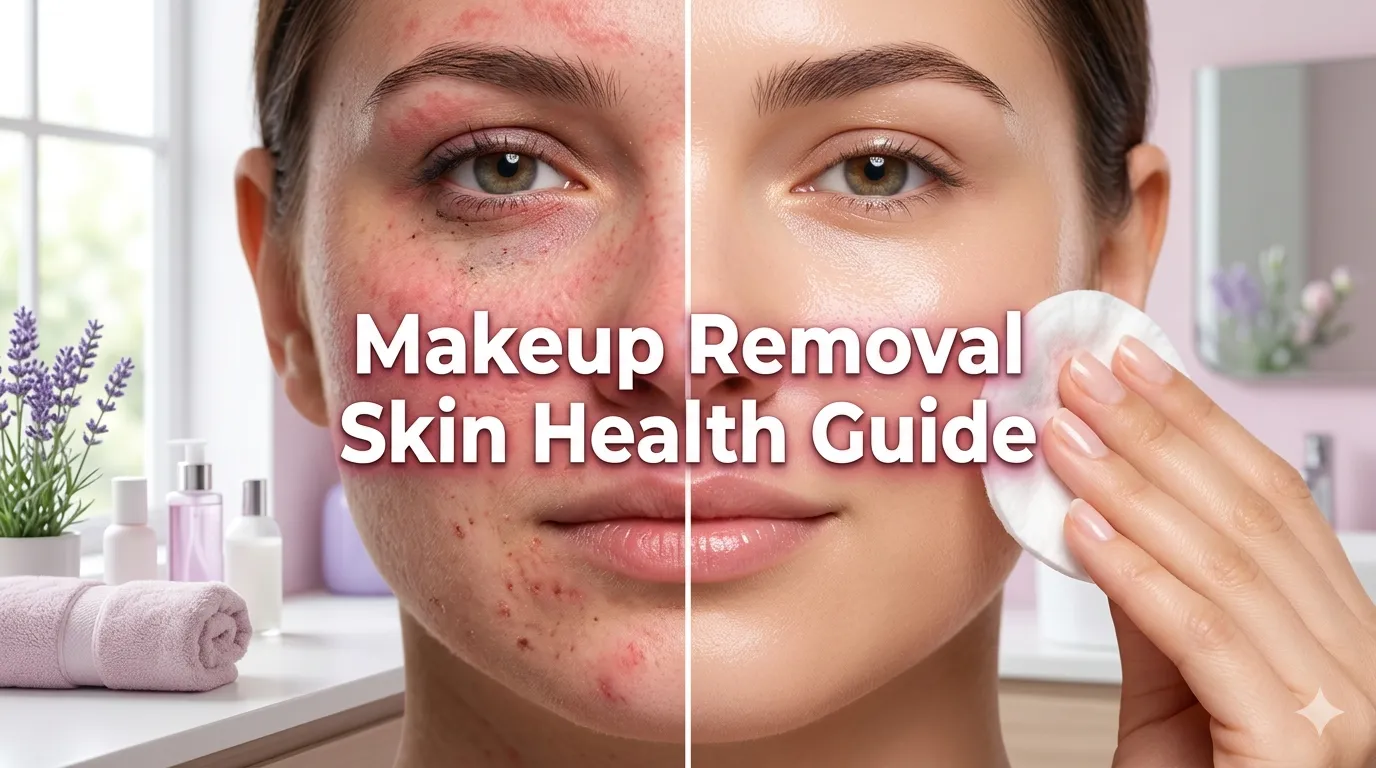
How Your Nightly Routine Shapes Your Skin's Future
Every evening, millions of people go through the ritual of removing makeup—a seemingly simple step that holds profound implications for long-term skin health. Yet despite its importance, makeup removal is often rushed, performed with harsh techniques, or skipped entirely when fatigue wins. The consequences of these seemingly minor nightly choices accumulate over months and years, manifesting as premature aging, persistent breakouts, hyperpigmentation, compromised barrier function, and diminished skin radiance.
Your skin doesn't forget. Each time you scrub too vigorously, sleep with residue, or use the wrong products, you're not just affecting tonight's complexion—you're influencing your skin's trajectory for years to come. The good news? Understanding the science behind proper makeup removal empowers you to make choices that protect and enhance your skin's long-term quality.
This comprehensive, dermatologist-informed guide explores how common makeup removal mistakes affect skin health over time, explains the biology behind proper cleansing techniques, and provides evidence-based strategies to transform your nightly routine into a powerful investment in your skin's future. Whether you wear full glam daily or just a touch of mascara, you'll discover how to remove makeup in ways that support—rather than sabotage—your skin's longevity.
The Biology of Makeup Removal: Why Technique Matters
Understanding Your Skin's Nightly Repair Cycle
Your skin undergoes critical repair processes while you sleep—a phenomenon known as circadian skin biology. During nighttime hours:
Cellular regeneration peaks:
- Skin cell turnover increases by up to 30% compared to daytime
- DNA repair mechanisms activate to fix UV and environmental damage
- Collagen and elastin production ramps up
- Barrier lipids are replenished
Why clean skin matters for repair:
- Makeup residue creates a physical barrier that impedes cellular communication
- Pollutants trapped under makeup generate free radicals that damage DNA
- Clogged pores prevent proper sebum flow, disrupting natural barrier maintenance
- Inflammatory ingredients left on skin overnight trigger chronic low-grade inflammation
Scientific insight: Dr. Jennifer Chen, dermatologist specializing in preventive skincare, explains: "Think of nighttime as your skin's maintenance window. Just as you wouldn't try to service a car with dirt and debris covering the engine, your skin can't effectively repair itself when coated with makeup, pollutants, and oxidized sebum. Proper removal isn't just about cleanliness—it's about enabling your skin's innate healing intelligence."
The Structure Makeup Disrupts
The Acid Mantle:
- A thin, slightly acidic film (pH 4.5-5.5) protecting against pathogens
- Harsh cleansers or incomplete removal disrupts pH balance
- Compromised acid mantle increases infection risk and sensitivity
The Lipid Barrier:
- Ceramides, cholesterol, and fatty acids that prevent water loss
- Aggressive rubbing or stripping cleansers deplete these lipids
- Long-term barrier damage leads to chronic dryness and sensitivity
The Microbiome:
- Beneficial bacteria that support immune function and barrier health
- Residual makeup and harsh cleansers alter microbial balance
- Dysbiosis contributes to acne, rosacea, and eczema
Common Makeup Removal Mistakes and Their Long-Term Consequences
Mistake 1: Skipping Makeup Removal Entirely
The behavior: Falling asleep with makeup on, even occasionally.
Immediate effects:
- Pores become clogged with makeup, sebum, and pollutants
- Skin can't breathe or regulate temperature effectively
- Eye area experiences irritation from mascara and eyeliner residue
Long-term consequences:
- Accelerated aging: Oxidized makeup generates free radicals that break down collagen and elastin, leading to earlier fine lines and loss of firmness
- Persistent acne: Repeated clogging creates chronic inflammation, enlarged pores, and post-inflammatory hyperpigmentation
- Eye area damage: Mascara residue can cause blepharitis (eyelid inflammation), lash loss, and premature crow's feet from rubbing irritated eyes
- Uneven skin tone: Trapped pigments and pollutants contribute to dullness and discoloration
Research finding: A study in the Journal of Cosmetic Dermatology found that individuals who regularly slept with makeup showed 30% more signs of premature aging by age 40 compared to those with consistent removal routines.
Mistake 2: Using Harsh Cleansers or Excessive Force
The behavior: Scrubbing vigorously, using high-pH soaps, or choosing cleansers with alcohol/sulfates.
Immediate effects:
- Stripping of natural oils causes tightness and irritation
- Micro-tears in the skin from abrasive rubbing
- Temporary redness and sensitivity
Long-term consequences:
- Compromised barrier function: Chronic stripping depletes ceramides and fatty acids, leading to chronic dryness, sensitivity, and increased reactivity
- Accelerated aging: Repeated micro-trauma triggers inflammation that breaks down collagen (a process called inflammaging)
- Hyperpigmentation: Inflammation stimulates melanocytes, leading to post-inflammatory hyperpigmentation, especially in deeper skin tones
- Increased sensitivity: Damaged barrier allows irritants to penetrate more easily, creating a cycle of reactivity
Scientific mechanism: The stratum corneum (outer skin layer) takes approximately 28 days to fully renew. Repeated damage prevents proper renewal, creating a chronically compromised barrier that struggles to protect against environmental stressors.
Mistake 3: Incomplete Removal, Especially Around Eyes
The behavior: Rushing through eye makeup removal or using inadequate products for waterproof formulas.
Immediate effects:
- Residual mascara or eyeliner causes irritation and redness
- Small particles of makeup migrate into eyes, causing discomfort
- Stubborn residue requires more rubbing the next day
Long-term consequences:
- Lash damage: Residual waterproof mascara weakens lash follicles, leading to thinning and breakage over time
- Pigmentation around eyes: Chronic irritation stimulates melanin production, causing dark circles and uneven tone
- Fine lines: Repeated rubbing to remove stubborn residue stretches delicate eye skin, accelerating wrinkle formation
- Chronic inflammation: Low-grade irritation around eyes can contribute to conditions like periorbital dermatitis
Eye area vulnerability: The skin around eyes is 40% thinner than facial skin and has fewer oil glands, making it uniquely susceptible to damage from improper removal.
Mistake 4: Using the Wrong Products for Your Skin Type or Makeup
The behavior: Using oil-based removers on acne-prone skin without proper follow-up cleansing, or using water-based products on waterproof makeup.
Immediate effects:
- Oil-based products left on acne-prone skin can clog pores
- Water-based products fail to dissolve long-wear makeup, requiring excessive rubbing
- Mismatched products leave residue or cause irritation
Long-term consequences:
- Acne and congestion: Incomplete removal of oil-based products on acne-prone skin contributes to comedones and inflammatory acne
- Barrier disruption: Using harsh products on sensitive skin creates chronic sensitivity
- Inefficient routine: Wrong products require more effort, increasing temptation to rush or skip steps
- Product buildup: Layering incompatible products can create film that traps debris and impairs skin function
Mistake 5: Not Following Up with Proper Skincare
The behavior: Removing makeup but skipping moisturizer, treatment serums, or nighttime repair products.
Immediate effects:
- Cleansed skin feels tight or dry
- Active ingredients in treatments can't penetrate effectively without proper prep
- Skin lacks overnight hydration support
Long-term consequences:
- Dehydration lines: Chronic lack of overnight hydration contributes to fine lines and dullness
- Reduced treatment efficacy: Skipping serums and treatments means missing opportunities to address aging, pigmentation, or texture concerns
- Barrier impairment: Cleansing without replenishing lipids gradually weakens barrier function
- Missed repair window: Nighttime is optimal for applying retinoids, peptides, and antioxidants; skipping these reduces long-term anti-aging benefits
The Science of Proper Makeup Removal: Techniques That Protect Skin
The Double Cleansing Method: Gold Standard for Thorough Yet Gentle Removal
Step 1: Oil-Based Cleanser (First Cleanse)
- Purpose: Dissolve makeup, sunscreen, and sebum (oil dissolves oil)
- How it works: Oil-based cleansers bind to makeup and pollutants, lifting them from skin without harsh rubbing
- Application: Apply to dry face, massage gently 30-60 seconds, emulsify with water, rinse
- Best for: All skin types; especially effective for waterproof makeup and heavy sunscreen
- Key ingredients: Jojoba oil, squalane, mineral oil (non-comedogenic), caprylic/capric triglyceride
Step 2: Water-Based Cleanser (Second Cleanse)
- Purpose: Remove residual oil, sweat, and water-soluble impurities
- How it works: Gentle surfactants cleanse without stripping, preparing skin for treatment products
- Application: Apply to damp skin, massage gently 30 seconds, rinse with lukewarm water
- Best for: All skin types; choose formula based on skin concerns (gel for oily, cream for dry)
- Key ingredients: Amino acid surfactants, glycerin, panthenol, ceramides
Why double cleansing works: Research shows this method removes 95%+ of makeup and pollutants compared to 60-70% with single cleansing, while maintaining better barrier integrity than harsh single-step methods.
Eye Makeup Removal: Special Care for Delicate Skin
Proper technique:
- Soak cotton pad with bi-phase or oil-based eye makeup remover
- Hold pad gently against closed eye for 10-15 seconds to dissolve makeup
- Wipe gently downward (following lash growth) or outward—never rub back and forth
- Use clean cotton swab for precise cleanup along lash line
- Follow with gentle facial cleanser to remove any residue
Product selection:
- Waterproof makeup: Bi-phase removers (oil + water) or pure oil-based formulas
- Sensitive eyes: Fragrance-free, ophthalmologist-tested formulas
- Contact lens wearers: Removers labeled safe for contact lenses
- Avoid: Alcohol-heavy formulas that dry and irritate
Long-term benefit: Gentle eye removal preserves lash health, prevents pigment migration, and minimizes stretching of delicate skin that leads to wrinkles.
Tool Selection: Cotton Pads, Cloths, and Devices
Cotton pads:
- Pros: Disposable, hygienic, good for eye makeup
- Cons: Can be abrasive if low-quality; environmental impact
- Best practice: Choose unbleached, lint-free pads; use gentle pressing motion, not rubbing
Reusable cloths (muslin, microfiber):
- Pros: Eco-friendly, soft texture, effective with minimal product
- Cons: Require regular washing; can harbor bacteria if not cleaned properly
- Best practice: Wash after each use; choose ultra-soft fabrics; use with gentle cleansers
Cleansing devices (silicone brushes, sonic devices):
- Pros: Can enhance cleansing efficacy with less manual pressure
- Cons: Overuse can cause micro-tears; require regular cleaning
- Best practice: Use on lowest setting 2-3x/week maximum; avoid on sensitive or inflamed skin
Water Temperature and Technique Matters
Optimal water temperature:
- Lukewarm (not hot): Hot water strips natural oils and can cause capillary damage
- Final rinse: Cool water helps close pores and soothe skin
Gentle motion principles:
- Use fingertips, not nails or rough cloths
- Move in upward, outward circles (following lymphatic flow)
- Apply light pressure—let product do the work, not force
- Limit cleansing time to 60 seconds total to avoid over-cleansing
Product Selection Guide: Choosing Removal Products for Long-Term Skin Health
Cleanser Types and Their Best Uses
Oil Cleansers:
- Best for: Waterproof makeup, heavy sunscreen, dry or mature skin
- Key ingredients: Jojoba oil, squalane, sunflower oil, caprylic/capric triglyceride
- Avoid if: Very acne-prone (unless followed by thorough second cleanse)
- Long-term benefit: Dissolves makeup without stripping; supports barrier lipids
Balms:
- Best for: All skin types; luxurious texture that melts into oil on skin
- Key ingredients: Shea butter, plant oils, emulsifiers that rinse cleanly
- Advantage: Travel-friendly; effective on heavy makeup
- Long-term benefit: Nourishing while cleansing; minimizes friction
Micellar Water:
- Best for: Light makeup, sensitive skin, quick removal
- How it works: Micelles (tiny oil molecules) trap dirt and makeup in water
- Limitation: May not fully remove waterproof makeup; some formulas leave residue
- Best practice: Follow with water rinse or second cleanse for thorough removal
Cream Cleansers:
- Best for: Dry, sensitive, or mature skin
- Key ingredients: Ceramides, glycerin, fatty alcohols
- Advantage: Cleanses while adding moisture; minimal stripping
- Long-term benefit: Supports barrier function during cleansing
Gel Cleansers:
- Best for: Oily, combination, or acne-prone skin
- Key ingredients: Amino acid surfactants, salicylic acid (for acne), niacinamide
- Caution: Avoid sulfates (SLS/SLES) that can be overly stripping
- Long-term benefit: Effective cleansing without compromising barrier when formulated properly
Ingredients to Seek and Avoid
Beneficial ingredients:
- Ceramides: Replenish barrier lipids during cleansing
- Glycerin: Humectant that maintains hydration during cleansing
- Panthenol (B5): Soothes and supports barrier repair
- Niacinamide: Reduces inflammation and supports barrier
- Antioxidants (vitamin E, green tea): Neutralize free radicals from makeup/pollutants
Ingredients to approach cautiously:
- Sulfates (SLS/SLES): Can be overly stripping; avoid if you have dry or sensitive skin
- High concentrations of alcohol: Drying and potentially irritating
- Fragrance/essential oils: Common sensitizers; avoid if you have reactive skin
- Physical exfoliants in cleansers: Can cause micro-tears if used daily
Skin Type Considerations: Customizing Your Removal Routine
Oily and Acne-Prone Skin
Common concerns: Fear that oil-based products will clog pores; temptation to over-cleanse.
Recommended approach:
- Use non-comedogenic oil cleansers (jojoba, squalane) for first cleanse
- Follow with gentle gel or foaming cleanser containing niacinamide or salicylic acid
- Avoid harsh scrubs or alcohol-heavy toners that trigger rebound oil production
- Don't skip moisturizer—dehydrated skin produces more oil
Long-term strategy: Consistent gentle cleansing prevents the inflammation that drives acne, while proper hydration maintains barrier health that reduces breakouts over time.
Dry and Sensitive Skin
Common concerns: Tightness after cleansing; reactivity to products.
Recommended approach:
- Prioritize cream, balm, or oil cleansers that nourish while cleansing
- Avoid hot water and vigorous rubbing
- Choose fragrance-free, hypoallergenic formulas
- Follow immediately with hydrating toner and rich moisturizer
Long-term strategy: Protecting the barrier during cleansing prevents the chronic sensitivity and dehydration that accelerate aging in dry skin types.
Mature Skin
Common concerns: Thinner skin, increased dryness, visible signs of aging.
Recommended approach:
- Use nourishing oil or balm cleansers that support barrier lipids
- Incorporate gentle massage to stimulate circulation (without stretching skin)
- Follow with antioxidant serums and peptide-rich moisturizers
- Be extra gentle around eyes and neck where skin is thinnest
Long-term strategy: Gentle cleansing preserves the fragile barrier of mature skin, while nourishing ingredients support ongoing collagen production and repair.
Combination Skin
Common concerns: Oily T-zone with dry cheeks; finding balance.
Recommended approach:
- Use double cleansing with balanced products
- Consider applying richer products only to dry areas
- Avoid over-cleansing oily zones, which can trigger more oil production
- Use lightweight, non-comedogenic moisturizers overall
Long-term strategy: Balanced cleansing prevents the cycle of over-drying and rebound oiliness that can lead to both breakouts and premature aging.
Building a Long-Term Protective Routine
The Ideal Evening Sequence
- Hand hygiene: Wash hands before touching face to avoid transferring bacteria
- First cleanse (oil/balm): Remove makeup and sunscreen on dry skin
- Second cleanse (water-based): Cleanse skin itself with gentle formula
- Tone (optional): Rebalance pH and prep for treatments
- Treat: Apply serums targeting your concerns (retinoid, vitamin C, peptides)
- Moisturize: Seal in hydration and support overnight repair
- Eye cream (optional): Target delicate eye area with specialized formula
Time investment: 5-7 minutes total—less than the time spent applying makeup, with far greater long-term benefits.
Weekly Enhancements
Gentle exfoliation (1-2x weekly):
- Use chemical exfoliants (AHAs/BHAs) rather than physical scrubs
- Apply after cleansing, before treatments
- Follow with extra hydration to support barrier recovery
Hydrating masks (1x weekly):
- Use after cleansing to boost hydration
- Look for hyaluronic acid, glycerin, or ceramide-rich formulas
- Rinse or leave on based on product instructions
Seasonal Adjustments
Winter/dry seasons:
- Switch to richer cleansers and moisturizers
- Add facial oil to nighttime routine
- Use humidifier to support skin hydration
Summer/humid seasons:
- May tolerate lighter cleansers
- Increase antioxidant protection against UV/pollution
- Don't skip moisturizer—humidity doesn't replace skincare
Special Considerations: Waterproof Makeup, Sensitive Eyes, and More
Removing Waterproof and Long-Wear Makeup
Why it's challenging: Waterproof formulas are designed to resist water, requiring oil-based solvents for removal.
Effective strategy:
- Start with dedicated eye makeup remover for waterproof formulas
- Use oil-based facial cleanser for full face
- Allow product to sit 10-15 seconds before wiping to dissolve makeup
- Follow with gentle second cleanse to remove oil residue
Avoid: Rubbing vigorously or using alcohol-heavy removers that irritate skin.
Sensitive Eyes and Contact Lens Wearers
Special precautions:
- Remove contacts before makeup removal to avoid trapping debris
- Choose ophthalmologist-tested, fragrance-free eye removers
- Use separate cotton pads for each eye to prevent cross-contamination
- Rinse thoroughly to ensure no residue remains
Long-term benefit: Prevents chronic irritation that can lead to lash loss, pigment changes, and premature aging around eyes.
Post-Procedure or Medicated Skin
After retinoids, acids, or professional treatments:
- Use ultra-gentle, fragrance-free cleansers
- Avoid physical exfoliation or harsh tools
- Follow with barrier-supporting moisturizers
- Consult your dermatologist for personalized guidance
Why it matters: Compromised skin is more vulnerable to damage; gentle removal supports healing and prevents setbacks.
Tracking Progress: Signs Your Routine Is Working
Short-Term Indicators (2-4 weeks)
- Reduced morning puffiness and redness
- Smoother skin texture upon waking
- Less tightness or dryness after cleansing
- Makeup applies more evenly due to better-prepped skin
Medium-Term Benefits (1-3 months)
- Fewer breakouts or congestion
- More even skin tone and reduced dullness
- Improved product absorption (serums penetrate better)
- Less reactivity to environmental stressors
Long-Term Outcomes (6+ months)
- Visible reduction in fine lines and improved firmness
- Stronger, more resilient skin barrier
- Reduced hyperpigmentation and more radiant complexion
- Overall healthier skin that ages more gracefully
When to Seek Professional Guidance
Signs You Need Dermatologist Support
Consult a professional if you experience:
- Persistent breakouts: Despite proper cleansing, acne continues or worsens
- Chronic sensitivity: Skin remains red, stinging, or reactive after routine changes
- Signs of infection: Increased redness, warmth, pus, or pain
- Unexplained changes: New pigmentation, texture changes, or growths
- No improvement: After 8-12 weeks of consistent proper routine
Professional Treatments That Complement Home Care
For barrier repair: Prescription barrier creams, in-office hydrating treatments
For pigmentation: Professional-grade brightening agents, laser treatments
For aging concerns: Retinoid prescriptions, professional peels, energy-based devices
For acne: Prescription topicals, oral medications, professional extractions
Frequently Asked Questions
Is micellar water enough for makeup removal?
For light makeup, micellar water can be sufficient if followed by a water rinse. For waterproof makeup, heavy foundation, or sunscreen, double cleansing is more effective for complete removal and long-term skin health.
Can I use baby wipes for makeup removal?
Occasionally in a pinch, but not as a regular routine. Most wipes contain preservatives and surfactants that can irritate skin with repeated use, and they don't provide thorough cleansing. They're a temporary solution, not a long-term strategy.
How do I know if I'm over-cleansing?
Signs include: tightness after cleansing, increased oil production, redness or irritation, flakiness, or increased sensitivity. If you experience these, simplify your routine and choose gentler products.
Should I remove makeup before exercising?
Yes. Makeup mixed with sweat can clog pores and cause breakouts. If you can't fully cleanse pre-workout, at least use a gentle micellar water or cleansing wipe, then do a full cleanse post-workout.
Does makeup removal order matter?
Yes. Start with eyes and lips (most stubborn makeup), then move to face. This prevents smearing eye makeup across your cheeks and ensures thorough removal of all product types.
Conclusion: Your Nightly Investment in Future Skin
Makeup removal is far more than a chore—it's a daily opportunity to support your skin's long-term health. Each gentle, thorough cleansing session is an investment in your skin's future: preserving barrier function, preventing premature aging, maintaining clarity, and supporting your skin's innate ability to repair and renew.
Remember: Consistency matters more than perfection. A simple, gentle routine performed nightly yields better results than an elaborate routine done sporadically. Your skin responds to patterns over time, not individual perfect moments.
Start where you are. If you currently skip removal or use harsh methods, begin with one small change: add a gentle oil cleanser, practice softer motions, or commit to never sleeping in makeup. Small shifts compound into transformative results.
Trust the process. Skin renewal takes time—typically 28 days for a full cell turnover cycle. Give your new routine 6-8 weeks to show results, and be patient with the journey.
Your skin tells your story. How you care for it tonight influences how it looks and feels years from now. Choose techniques and products that honor your skin's biology, and you'll reap the rewards of a radiant, resilient complexion for years to come.
Begin tonight. Your future skin will thank you.


0 Comments