

Midlife Hair Changes: Why Your Hair Reacts Differently Now
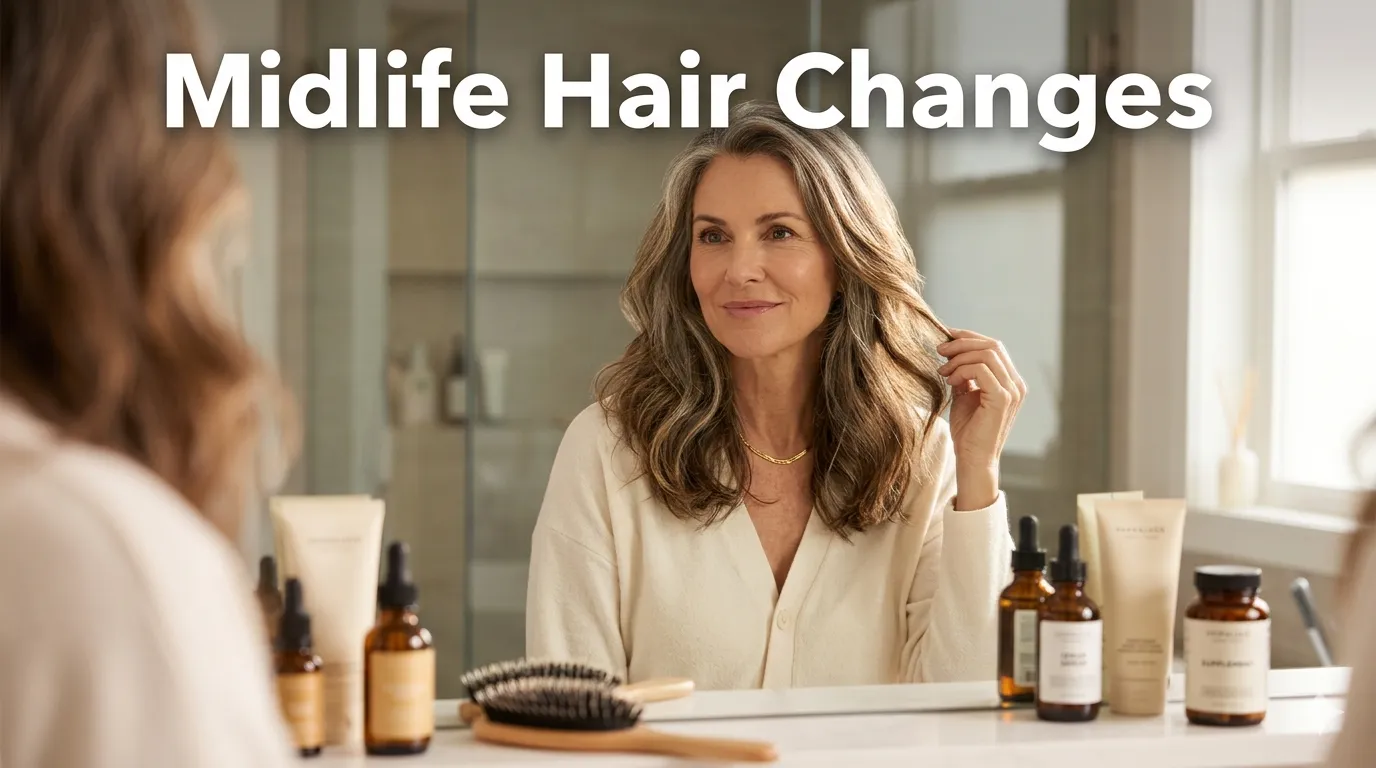
Understanding Midlife Hair Changes: What's Happening and Why
If you've noticed your hair behaving differently as you enter your 40s or 50s—becoming drier, thinner, frizzier, or simply not responding to products that once worked perfectly—you're experiencing a completely normal part of aging. Midlife brings profound hormonal, physiological, and lifestyle shifts that directly impact hair health, texture, and growth patterns. Understanding these changes isn't just about accepting them; it's about adapting your hair care strategy to work with your body's new reality.
What is midlife for hair? While chronological age varies, "midlife" for hair health typically refers to the period between ages 40-60, when hormonal transitions—particularly perimenopause and menopause in women, and gradual testosterone changes in men—trigger significant changes in hair structure, growth cycles, and overall behavior. These changes affect people of all genders, though the patterns and timing may differ.
Research shows that up to 50% of women experience noticeable hair changes during perimenopause and menopause, while men may notice accelerated thinning or texture shifts in their 40s and 50s. These changes aren't signs of failure or poor care—they're biological responses to shifting internal environments.
Common midlife hair changes:
- Texture shifts: Straight hair may become wavy; wavy hair may become frizzy or coarse
- Increased dryness: Hair loses natural oils, becoming brittle and less manageable
- Thinning or reduced density: Hair may appear less full, especially at the crown or temples
- Slower growth: Hair growth cycles lengthen, making regrowth take longer
- Color changes: Gray hair has different texture and moisture needs
- Scalp sensitivity: Scalp may become drier, itchier, or more reactive
- Reduced shine: Cuticle changes affect light reflection, making hair appear duller
This comprehensive guide explores the science behind why hair reacts differently in midlife, identifies the specific hormonal and physiological drivers, and provides evidence-based strategies to adapt your hair care routine for healthier, more manageable hair at every stage of life.
The Hormonal Drivers of Midlife Hair Changes
Hormones are the master regulators of hair health, and midlife brings some of the most significant hormonal shifts of adulthood. Understanding these changes helps explain why your hair behaves differently now.
Estrogen decline (in women): Estrogen supports hair growth by prolonging the anagen (growth) phase and promoting thicker, healthier strands. During perimenopause and menopause, estrogen levels fluctuate dramatically before declining. This shift can:
- Shorten the growth phase, leading to more shedding
- Reduce hair shaft diameter, making strands finer
- Decrease sebum production, causing dryness
- Alter hair texture as follicle shape changes
Androgen sensitivity: As estrogen declines, the relative influence of androgens (like testosterone) increases. Even normal androgen levels can trigger hair changes in sensitive follicles:
- Miniaturization of follicles on the scalp (leading to thinning)
- Potential increase in facial hair growth
- Changes in oil production affecting scalp health
Progesterone fluctuations: Progesterone supports hair growth and has anti-androgenic effects. Its decline during perimenopause can exacerbate androgen-related hair changes.
Thyroid function: Thyroid disorders become more common in midlife and significantly impact hair. Both hypothyroidism and hyperthyroidism can cause:
- Dry, brittle hair
- Diffuse shedding
- Slower regrowth
- Texture changes
Cortisol and stress: Midlife often brings increased responsibilities—career demands, family care, aging parents—which elevate chronic stress. Elevated cortisol can:
- Push hair follicles prematurely into the shedding phase
- Reduce scalp circulation
- Impair nutrient delivery to follicles
The Hair Growth Cycle in Midlife
Hair grows in cycles: anagen (growth), catagen (transition), and telogen (resting/shedding). In midlife, these cycles shift:
- Anagen phase shortens: Hair spends less time growing, resulting in shorter maximum length and potentially finer strands
- Telogen phase increases: More follicles enter the resting phase simultaneously, leading to noticeable shedding
- Regrowth slows: New hairs may grow back finer or take longer to emerge
These cycle changes explain why midlife hair may feel like it's not growing as long, sheds more noticeably, or takes longer to recover from damage.
Physiological Changes Affecting Midlife Hair
Beyond hormones, several age-related physiological changes directly impact hair health and behavior.
Reduced sebum production: Sebaceous glands become less active with age, producing less of the natural oils that keep hair moisturized and protected. This leads to:
- Increased dryness and brittleness
- More frizz and flyaways
- Reduced natural shine
- Scalp dryness and potential flaking
Slower cell turnover: Skin and scalp cell renewal slows with age, affecting:
- Scalp health and follicle environment
- Product absorption and efficacy
- Healing from damage or irritation
Decreased circulation: Blood flow to the scalp may diminish with age, reducing:
- Oxygen and nutrient delivery to follicles
- Waste removal from scalp tissues
- Overall follicle vitality
Collagen and elastin decline: These structural proteins support hair follicles and scalp integrity. Their reduction can contribute to:
- Weaker follicle anchoring
- Reduced hair elasticity
- Increased breakage
Gray hair changes: Gray hair lacks melanin, which affects more than just color:
- Coarser, wirier texture due to changes in cuticle structure
- Increased porosity and dryness
- Different response to chemical treatments
- Greater susceptibility to environmental damage
Nutritional Factors in Midlife Hair Health
Nutritional needs change in midlife, and deficiencies can exacerbate hair changes:
- Iron: Absorption may decrease; deficiency causes shedding and dullness
- Vitamin D: Levels often decline; essential for follicle cycling
- B vitamins: Critical for hair growth; absorption may decrease with age
- Protein: Adequate intake is essential for keratin production
- Omega-3s: Support scalp health and reduce inflammation
Addressing nutritional gaps through diet or supplementation can support hair health during midlife transitions.
Common Midlife Hair Concerns and Their Causes
Understanding the root causes of specific midlife hair concerns helps you choose targeted solutions.
Increased Shedding and Thinning
Why it happens: Hormonal shifts shorten the growth phase and increase shedding. Androgen sensitivity may miniaturize follicles. Stress and nutritional gaps compound the issue.
What to look for: More hair in brush or shower, visible scalp at part or crown, ponytail feeling less full.
When to seek help: If shedding is sudden, patchy, or accompanied by other symptoms like fatigue or weight changes, consult a healthcare provider to rule out thyroid issues or other conditions.
Texture Changes: From Smooth to Frizzy or Coarse
Why it happens: Hormonal changes alter follicle shape, affecting hair shaft structure. Reduced sebum leads to dryness. Gray hair has different cuticle properties.
What to expect: Straight hair may develop wave or frizz; wavy hair may become unruly; previously manageable hair may feel coarse or wiry.
Management approach: Focus on moisture, gentle handling, and products designed for your new texture rather than fighting the change.
Dryness and Loss of Shine
Why it happens: Reduced sebum production, slower cell turnover, and cuticle changes all contribute to moisture loss and reduced light reflection.
Signs: Hair feels rough, looks dull, tangles easily, and lacks bounce.
Solution focus: Intensive hydration, sealing products, and gentle cleansing to preserve natural oils.
Scalp Sensitivity and Changes
Why it happens: Hormonal shifts, reduced circulation, and slower healing make the scalp more reactive. Dryness can cause itching or flaking.
Common issues: Itching, tightness, flaking, or increased sensitivity to products.
Care approach: Gentle, fragrance-free products; regular but not excessive cleansing; scalp treatments to support barrier health.
Slower Growth and Reduced Length Retention
Why it happens: Shortened anagen phase means hair doesn't grow as long before shedding. Increased breakage from dryness reduces length retention.
What to expect: Hair may not reach previous lengths; ends may break before growing longer.
Strategy: Focus on minimizing breakage through gentle care and regular trims rather than chasing length.
Adapting Your Hair Care Routine for Midlife
Midlife hair requires a different approach. Products and techniques that worked in your 20s or 30s may no longer serve your hair's changing needs. Here's how to adapt.
Cleansing Strategies
Frequency adjustments: With reduced sebum production, you may need to wash less frequently to preserve natural oils. Try extending time between washes by 1-2 days.
Product selection:
- Choose sulfate-free formulas: Gentler cleansers preserve natural oils and prevent over-drying
- Look for moisturizing ingredients: Glycerin, hyaluronic acid, and natural oils help replenish moisture
- Consider co-washing: Occasional conditioner-only washing can cleanse without stripping
- Clarify strategically: Use a gentle clarifying shampoo monthly to remove buildup without over-drying
Technique tips:
- Use lukewarm water instead of hot to prevent further drying
- Focus shampoo on scalp; let suds rinse through lengths
- Apply conditioner from mid-lengths to ends; avoid scalp if prone to oiliness
Conditioning and Moisture Strategies
Deep conditioning: Incorporate a deep conditioning treatment 1-2 times weekly to replenish moisture and strengthen hair.
Leave-in products: Use leave-in conditioners or lightweight oils to seal in moisture and protect throughout the day.
Ingredient focus:
- Humectants: Glycerin, hyaluronic acid attract moisture to hair
- Emollients: Natural oils (argan, jojoba, marula) smooth and seal the cuticle
- Proteins: Hydrolyzed keratin or wheat protein strengthen weakened strands
- Ceramides: Help restore the hair's lipid barrier
Application tips:
- Apply products to damp hair for better absorption
- Use the "praying hands" method to distribute product evenly without causing friction
- Focus heavier products on ends where damage accumulates
Styling Adjustments
Heat styling: Minimize heat exposure. When using heat tools:
- Always apply heat protectant
- Use the lowest effective temperature
- Limit to 1-2 times weekly
- Consider heat-free styling alternatives
Protective styling: Reduce mechanical damage with gentle styles:
- Loose braids or buns instead of tight ponytails
- Silk or satin scrunchies to reduce breakage
- Silk pillowcases to minimize nighttime friction
Product selection:
- Choose lightweight formulas that won't weigh down finer midlife hair
- Avoid heavy waxes or pomades that can build up on drier hair
- Look for anti-frizz products with humidity resistance
Scalp Care for Midlife
Gentle cleansing: Keep scalp clean without over-stripping. Use a gentle, pH-balanced shampoo focused on the scalp.
Scalp treatments: Incorporate scalp serums or oils with ingredients like:
- Caffeine to support circulation
- Niacinamide to support barrier health
- Peptides to support follicle environment
- Tea tree or rosemary oil for soothing (diluted properly)
Massage: Gentle scalp massage 2-3 minutes daily can improve circulation and support follicle health.
Avoid irritants: Choose fragrance-free or naturally scented products if scalp becomes sensitive.
Nutrition and Lifestyle Support for Midlife Hair
Hair health reflects overall health. Supporting your body from within enhances the effectiveness of topical care.
Nutritional priorities:
- Protein: Aim for 0.8-1.2g per kg bodyweight daily from quality sources (fish, eggs, legumes, lean meats)
- Iron: Include iron-rich foods (red meat, spinach, lentils) with vitamin C to enhance absorption
- Omega-3s: Fatty fish, walnuts, or supplements support scalp health and reduce inflammation
- B vitamins: Whole grains, eggs, and leafy greens support hair growth cycles
- Vitamin D: Sun exposure, fortified foods, or supplements if deficient
- Zinc and selenium: Support hair structure and antioxidant defenses
Hydration: Adequate water intake supports overall cellular health, including hair follicles.
Stress management: Chronic stress elevates cortisol, which can worsen hair shedding. Practices like meditation, yoga, walking, or deep breathing can help manage stress levels.
Sleep quality: Prioritize 7-9 hours of quality sleep. Hair repair and growth processes are most active during sleep.
Exercise: Regular physical activity improves circulation, including to the scalp, and helps manage stress and hormonal balance.
Professional Treatments and When to Seek Help
While home care is foundational, professional interventions can provide targeted support for midlife hair concerns.
When to consult a professional:
- Sudden or patchy hair loss
- Scalp symptoms like persistent itching, pain, or scaling
- Shedding that doesn't improve with consistent home care after 3-4 months
- Hair changes accompanied by other symptoms (fatigue, weight changes, mood shifts)
- Concerns about hormonal changes or thyroid function
Professional options:
Dermatologist evaluation: Can diagnose underlying conditions, perform scalp examinations, and recommend medical treatments.
Topical treatments: Minoxidil (Rogaine) is FDA-approved for female pattern hair loss and can support regrowth when used consistently.
Prescription options: Spironolactone or other anti-androgens may be appropriate for hormone-related thinning (requires medical supervision).
Low-level laser therapy: Devices like laser combs or caps may support follicle health and reduce shedding.
Platelet-rich plasma (PRP): Injections of concentrated growth factors may stimulate follicles in some cases.
Professional treatments: In-salon treatments like keratin therapies, scalp treatments, or customized conditioning can provide intensive support.
Important: Always discuss treatments with a healthcare provider, especially if you have underlying health conditions or take medications.
Embracing Midlife Hair: Mindset and Practical Tips
Midlife hair changes can feel frustrating, but shifting your mindset and approach can transform the experience.
Reframe expectations: Your hair in your 40s or 50s isn't "worse" than before—it's different. Work with its new characteristics rather than fighting them.
Celebrate texture changes: New wave patterns or volume can be opportunities to explore fresh styles. Consult a stylist experienced with midlife hair for cuts that enhance your current texture.
Focus on health over length: Prioritize strength, shine, and manageability over achieving previous lengths. Healthy hair at any length looks beautiful.
Embrace gray gracefully: If gray hair is part of your journey, invest in products designed for gray hair's unique needs. Many find gray hair becomes their most striking feature with proper care.
Practical styling tips:
- Shorter cuts: Can add volume and reduce the appearance of thinning
- Layers: Add movement and dimension to finer hair
- Color techniques: Highlights or lowlights can add dimension and camouflage thinning areas
- Volume products: Root-lifting sprays or mousses can create the appearance of fuller hair
- Accessories: Headbands, scarves, or clips can add style while managing texture changes
Self-compassion: Hair changes are a normal part of aging. Be kind to yourself during this transition. Your worth isn't defined by your hair.
FAQs About Midlife Hair Changes
Is midlife hair thinning reversible?
Some thinning related to hormonal shifts may improve with targeted treatments like minoxidil or addressing nutritional deficiencies. However, genetic pattern hair loss is progressive. The goal is often to slow progression, support existing hair, and maximize the health of remaining strands rather than complete reversal. Early intervention yields the best results.
Can I prevent midlife hair changes?
You can't stop hormonal aging, but you can minimize its impact through proactive care: balanced nutrition, stress management, gentle hair practices, and addressing health issues promptly. While you can't prevent all changes, you can support your hair's resilience and health throughout midlife.
Should I change my hairstyle in midlife?
Many people find that adjusting their cut or style to work with midlife hair changes improves manageability and appearance. Shorter cuts, strategic layering, or texture-enhancing styles can make a significant difference. Consult a stylist who understands midlife hair for personalized recommendations.
Do supplements help with midlife hair changes?
Supplements can help if you have specific deficiencies (iron, vitamin D, B vitamins), but they're not a magic solution for hormonal hair changes. Focus on a balanced diet first, and discuss supplements with your healthcare provider to address individual needs.
How long does it take to see improvements with a new routine?
Hair grows slowly—about half an inch per month. You may notice improved texture or manageability within 4-8 weeks of consistent care, but significant changes in shedding or density typically take 3-6 months. Patience and consistency are essential.
Can stress cause midlife hair changes?
Yes. Chronic stress elevates cortisol, which can push hair follicles into the shedding phase and exacerbate hormonal hair changes. Managing stress through lifestyle practices supports overall hair health during midlife transitions.
Is it normal for hair to change texture in midlife?
Absolutely. Hormonal shifts alter follicle shape and hair shaft structure, leading to texture changes. Straight hair may become wavy; wavy hair may become frizzy or coarse. These changes are normal and can be managed with appropriate products and techniques.
Creating Your Midlife Hair Care Action Plan
Turning knowledge into action requires a personalized, sustainable approach. Use this framework to build your midlife hair care strategy.
Step 1: Assess your current hair and concerns
Note specific changes: shedding, dryness, texture shifts, scalp sensitivity. Track patterns to identify triggers or cycles.
Step 2: Optimize foundational care
Implement gentle cleansing, intensive conditioning, and scalp care. Give this 8-12 weeks before evaluating results.
Step 3: Address nutrition and lifestyle
Review diet for key nutrients, prioritize sleep, and incorporate stress management. These support hair from within.
Step 4: Consult professionals if needed
If concerns persist after consistent home care, seek evaluation from a dermatologist or trichologist for targeted interventions.
Step 5: Adapt and evolve
Hair continues to change. Reassess your routine every 6-12 months and adjust as needed.
Sample 12-week starter plan:
- Weeks 1-4: Switch to sulfate-free shampoo, add weekly deep conditioning, start scalp massage
- Weeks 5-8: Incorporate leave-in moisturizer, review nutrition for hair-supportive foods, manage stress
- Weeks 9-12: Evaluate progress; if shedding persists, consider professional consultation
Conclusion: Embrace Your Midlife Hair Journey
Midlife hair changes are a natural part of aging, driven by hormonal shifts, physiological changes, and life experiences. While these changes can feel challenging, understanding their causes empowers you to adapt your care strategy and support your hair's health at this stage.
The key is working with your hair's new characteristics rather than fighting them. Gentle cleansing, intensive moisture, scalp support, and nutritional care form the foundation of midlife hair health. When needed, professional guidance can provide targeted solutions for specific concerns.
Remember that hair is just one aspect of your vibrant, evolving self. Midlife brings wisdom, confidence, and a deeper connection to what truly matters. Your hair can reflect that strength and grace with the right care and mindset.
Be patient with the process. Hair changes take time to address, and progress may be gradual. Celebrate small victories—improved texture, reduced shedding, or simply feeling more confident in your care routine.
Your midlife hair is uniquely yours. With understanding, adaptation, and self-compassion, you can nurture it to look and feel its best at every stage. Here's to embracing your hair journey with grace, confidence, and the knowledge that you have the tools to support your hair's health through midlife and beyond.


0 Comments