

Non Toxic Cleaning Rituals for Chemical Free Home Sanctuary
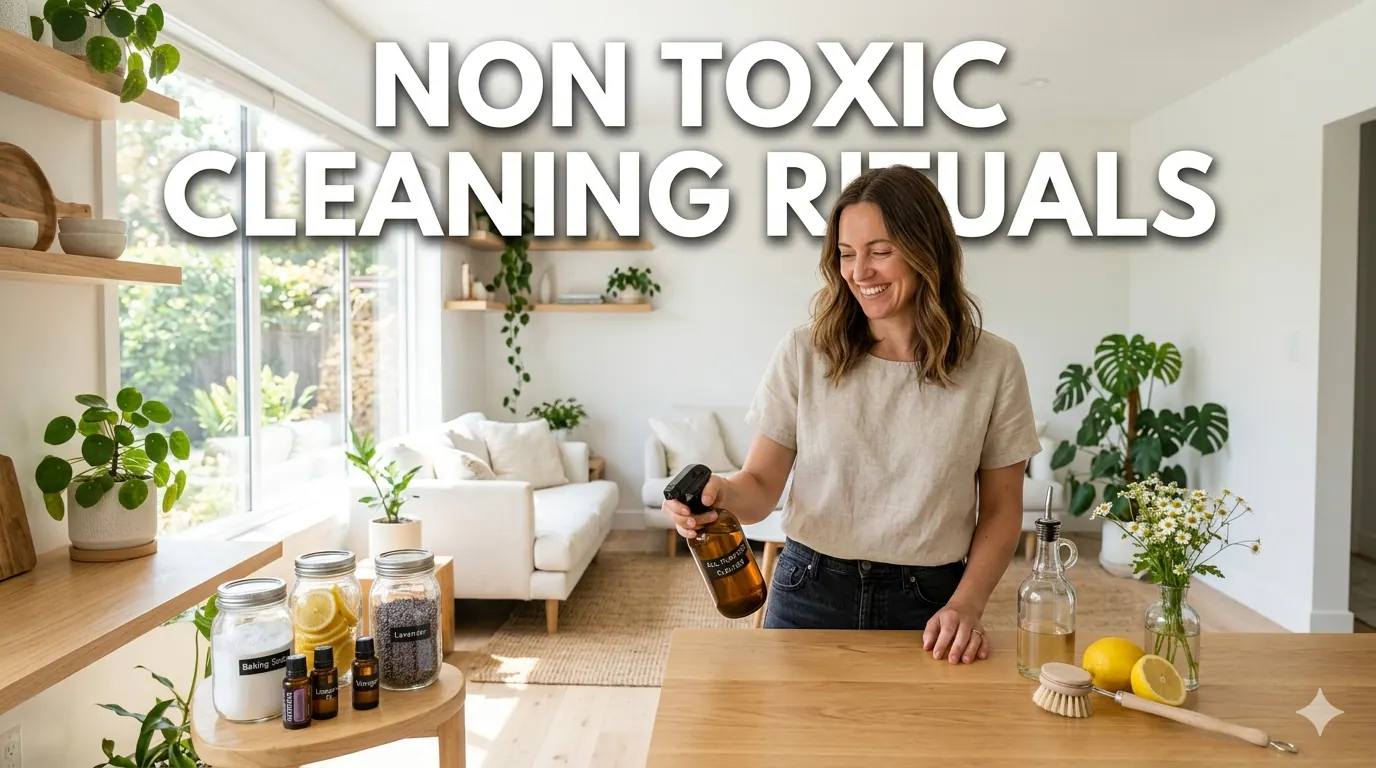
Introduction: Creating Your Chemical-Free Home Sanctuary
In an era where environmental consciousness and personal health have become paramount concerns, more households are making the conscious shift toward non toxic cleaning rituals. The average home contains over 62 toxic chemicals, many lurking in conventional cleaning products that promise sparkle and shine but deliver potential health risks [[1]]. Transforming your living space into a chemical-free home sanctuary is not just a trend—it is a necessary evolution toward healthier living, environmental stewardship, and mindful home care practices.
Creating a non toxic cleaning routine goes beyond simply swapping products; it represents a holistic approach to home maintenance that honors both your family's wellbeing and the planet's future. Natural cleaning methods have been used for centuries, relying on simple, effective ingredients like vinegar, baking soda, lemon, and essential oils. Today, these time-tested solutions are experiencing a renaissance as scientific research increasingly validates their efficacy while exposing the hidden dangers of synthetic chemicals.
This comprehensive guide will walk you through everything you need to know about establishing non toxic cleaning rituals in your home. From understanding the science behind natural ingredients to mastering room-by-room cleaning techniques, from creating DIY recipes to avoiding common mistakes, you will discover how to transform your cleaning routine into a nourishing, effective, and sustainable practice that creates a truly safe and serene home sanctuary.
Why Non-Toxic Cleaning Matters for Your Health and Home
The shift toward chemical-free home cleaning is driven by growing awareness of the profound impact that conventional cleaning products have on human health, indoor air quality, and environmental sustainability. Understanding why this transition matters is the first step toward meaningful change.
The Hidden Dangers of Conventional Cleaning Products
Most commercial cleaning products contain a cocktail of synthetic chemicals designed to cut grease, remove stains, and kill germs. However, these same chemicals can pose serious health risks:
- Respiratory Issues: Volatile organic compounds (VOCs) released by cleaning products can trigger asthma, allergies, and chronic respiratory problems. Studies show that regular use of spray cleaners can reduce lung function equivalent to smoking a pack of cigarettes daily [[2]].
- Hormonal Disruption: Many cleaning products contain phthalates and other endocrine-disrupting chemicals that interfere with hormone function, potentially affecting fertility, development, and metabolic health.
- Skin Irritation: Harsh detergents, artificial fragrances, and preservatives can cause contact dermatitis, eczema flare-ups, and allergic reactions, particularly in children and sensitive individuals.
- Indoor Air Pollution: The EPA ranks indoor air pollution among the top five environmental health risks. Cleaning products are a major contributor, releasing pollutants that can remain in the air long after cleaning is complete.
- Environmental Contamination: Chemicals from cleaning products wash down drains, entering waterways and ecosystems where they harm aquatic life and contaminate drinking water sources.
Benefits of Non-Toxic Cleaning Rituals
Adopting natural cleaning products and methods offers numerous advantages that extend far beyond avoiding toxins:
- Improved Indoor Air Quality: Natural ingredients do not release harmful VOCs, creating fresher, healthier air for your family to breathe.
- Cost Effectiveness: Simple ingredients like vinegar, baking soda, and castile soap cost a fraction of commercial cleaners and can be used for multiple purposes.
- Reduced Allergic Reactions: Eliminating synthetic fragrances and harsh chemicals significantly reduces triggers for allergies and sensitivities.
- Environmental Protection: Biodegradable, plant-based ingredients break down safely without polluting water systems or harming wildlife.
- Safe for Children and Pets: Non-toxic cleaners eliminate the risk of accidental poisoning and allow little ones and furry friends to explore freely.
- Mental Clarity: The absence of chemical fumes and artificial scents creates a calmer, more peaceful home environment that supports mental wellbeing.
Essential Natural Cleaning Ingredients and Their Science
Building a chemical-free cleaning arsenal starts with understanding the powerful natural ingredients that form the foundation of effective non-toxic cleaning. Each of these substances has unique properties that make them indispensable for different cleaning tasks.
White Vinegar: The Ultimate All-Purpose Cleaner
White distilled vinegar is perhaps the most versatile natural cleaning ingredient available. Its effectiveness stems from its acetic acid content (typically 5-8%), which provides several cleaning benefits:
- Antimicrobial Properties: Acetic acid can kill or inhibit many bacteria and viruses, making vinegar effective for disinfecting surfaces when used properly.
- Mineral Dissolution: The acidic nature breaks down mineral deposits, soap scum, and hard water stains on faucets, showerheads, and appliances.
- Deodorizing Power: Vinegar neutralizes odors rather than masking them, eliminating smells from cooking, pets, and mildew.
- Grease Cutting: While not as strong as commercial degreasers, vinegar effectively cuts through light grease and grime.
Best Uses: All-purpose cleaning sprays, window cleaning, descaling appliances, removing soap scum, deodorizing fabrics, and cleaning hardwood floors (diluted).
Important Note: Never use vinegar on natural stone surfaces (granite, marble) as the acid can etch and damage the stone.
Baking Soda: Gentle Abrasive and Deodorizer
Sodium bicarbonate, commonly known as baking soda, is a mild alkali that offers multiple cleaning functions:
- Gentle Abrasion: Its fine, crystalline structure provides scrubbing power without scratching most surfaces, making it ideal for sinks, tubs, and cookware.
- Odor Absorption: Baking soda neutralizes acidic and basic odor molecules, effectively eliminating smells rather than covering them up.
- Grease Breaking: As a mild alkali, it helps break down fatty acids in grease and oil, making them easier to remove.
- Stain Lifting: When made into a paste, baking soda can lift stains from grout, countertops, and fabrics.
Best Uses: Scrubbing sinks and tubs, deodorizing carpets and refrigerators, cleaning ovens, whitening grout, and freshening laundry.
Lemon Juice: Natural Bleach and Degreaser
Fresh lemon juice contains citric acid, which provides powerful cleaning properties:
- Natural Bleaching: Citric acid has mild bleaching properties that can lighten stains and brighten surfaces without harsh chlorine.
- Antibacterial Action: The acidic environment created by lemon juice inhibits bacterial growth on surfaces.
- Grease Dissolving: Lemon juice effectively cuts through grease and sticky residues.
- Fresh Scent: Unlike synthetic fragrances, lemon provides a naturally fresh, uplifting aroma that dissipates without leaving chemical residues.
Best Uses: Removing stains from cutting boards, cleaning microwaves, polishing brass and copper, freshening garbage disposals, and removing hard water stains.
Castile Soap: Plant-Based Surfactant
Castile soap, traditionally made from olive oil but now available in various plant-based formulations, is a true soap (not a detergent) that offers gentle yet effective cleaning:
- Surfactant Action: Castile soap molecules have both water-loving and oil-loving ends, allowing them to lift dirt and oil from surfaces and suspend them in water for easy rinsing.
- Biodegradable: Made from natural oils, castile soap breaks down completely in the environment without harming ecosystems.
- Versatile: Can be diluted for everything from dish soap to floor cleaner to body wash.
- Gentle: Free from synthetic chemicals, making it safe for sensitive skin and septic systems.
Best Uses: All-purpose cleaning sprays, dish soap, hand soap, floor cleaner, and laundry detergent.
Essential Oils: Natural Fragrance and Antimicrobial Boost
Certain essential oils enhance cleaning solutions with natural scent and additional antimicrobial properties:
- Tea Tree Oil: Powerful antifungal and antibacterial properties; excellent for mold and mildew.
- Lavender Oil: Calming scent with antibacterial properties; perfect for linens and bedrooms.
- Lemon Oil: Fresh scent with grease-cutting and disinfecting properties.
- Eucalyptus Oil: Strong antimicrobial action; effective against dust mites and respiratory irritants.
- Peppermint Oil: Repels insects while providing fresh scent and antibacterial benefits.
Important Safety Note: Always dilute essential oils properly and keep them away from children and pets. Some oils can be toxic to cats and dogs.
Hydrogen Peroxide: Safe Disinfectant Alternative
3% hydrogen peroxide is an effective disinfectant that breaks down into water and oxygen:
- Disinfecting Power: Kills bacteria, viruses, and fungi on contact.
- Stain Removal: Oxidizing action lifts stains from grout, fabrics, and surfaces.
- Mold Prevention: Effective at killing mold spores and preventing regrowth.
- Safe Breakdown: Decomposes into harmless water and oxygen, leaving no toxic residues.
Best Uses: Disinfecting countertops, whitening grout, removing mold, sanitizing cutting boards, and treating stains.
Room-by-Room Non-Toxic Cleaning Rituals
Creating a chemical-free home requires adapting your cleaning approach to each space's unique needs. These room-specific rituals will help you maintain a pristine, toxin-free sanctuary throughout your entire home.
Kitchen Cleaning Rituals
The kitchen demands frequent cleaning due to food preparation, grease, and moisture. Here is how to keep it sparkling without toxic chemicals:
Daily Rituals:
- Countertops: Spray with equal parts water and white vinegar, wipe clean. For cutting boards, sprinkle baking soda, scrub with half a lemon, rinse thoroughly.
- Dishes: Use castile soap diluted with water for hand washing. For stuck-on food, soak in hot water with baking soda.
- Stovetop: After cooking, while still warm, wipe with a damp cloth sprinkled with baking soda. For tough grease, make a paste of baking soda and water, let sit 10 minutes, then scrub.
- Floor: Sweep or vacuum daily. Mop weekly with warm water, 1/4 cup castile soap, and 10 drops lemon essential oil.
Weekly Deep Cleaning:
- Sink: Sprinkle baking soda throughout, scrub with a damp sponge, rinse. For disinfecting, spray with hydrogen peroxide, let sit 5 minutes, rinse.
- Refrigerator: Remove items, wash shelves with warm water and castile soap. Deodorize with an open box of baking soda.
- Microwave: Heat a bowl of water with lemon slices for 3 minutes. The steam loosens grime; wipe clean easily.
- Oven: Make a paste of baking soda and water, spread on interior (avoid heating elements), let sit overnight, scrub and wipe clean in the morning.
Bathroom Cleaning Rituals
Bathrooms require regular attention to prevent mold, mildew, and soap scum buildup:
Daily Rituals:
- Toilet: Spray inside bowl with vinegar, let sit, scrub with toilet brush. Wipe exterior with vinegar solution.
- Sink and Counter: Wipe with vinegar solution, dry with microfiber cloth to prevent water spots.
- Shower: After each use, use a squeegee to remove water from walls and doors, preventing mineral buildup and mold.
Weekly Deep Cleaning:
- Shower and Tub: Spray with equal parts vinegar and water mixed with a few drops of tea tree oil. Let sit 15 minutes, scrub with baking soda paste for tough spots, rinse thoroughly.
- Grout: Make a paste of baking soda and hydrogen peroxide, apply to grout lines, let sit 10 minutes, scrub with old toothbrush, rinse.
- Mirror: Spray with equal parts water and vinegar, wipe with microfiber cloth in circular motion, then vertical strokes for streak-free shine.
- Floor: Sweep, then mop with warm water, 1/4 cup vinegar, and 5 drops lavender essential oil.
Living Areas and Bedrooms
These spaces require less intensive cleaning but benefit from regular maintenance:
Weekly Rituals:
- Dusting: Use a damp microfiber cloth (water only) to trap dust rather than dispersing it. Start high and work down. Add a drop of essential oil to the cloth for fresh scent.
- Floors: Vacuum carpets and rugs thoroughly. For hardwood, sweep then mop with water and a splash of vinegar.
- Windows: Mix equal parts water and vinegar in a spray bottle. Spray on glass, wipe with crumpled newspaper or microfiber cloth for streak-free results.
- Fabric Furniture: Vacuum upholstery weekly. For freshening, sprinkle baking soda lightly, let sit 15 minutes, vacuum thoroughly.
Monthly Deep Cleaning:
- Baseboards: Wipe with damp cloth and a drop of castile soap.
- Light Fixtures: Dust carefully; wash glass shades with warm soapy water.
- Ceiling Fans: Wipe blades with damp cloth to prevent dust circulation.
Laundry Room Rituals
Keep your laundry fresh and clean without synthetic detergents and fabric softeners:
Natural Laundry System:
- Detergent: Use castile soap-based liquid detergent or make your own with washing soda, borax, and grated castile soap.
- Fabric Softener Alternative: Add 1/4 cup white vinegar to the rinse cycle. It softens fabrics and removes detergent residue without chemical softeners.
- Stain Treatment: Pre-treat stains with a paste of baking soda and water, or spray with hydrogen peroxide for protein-based stains.
- Freshening: Add 5-10 drops of essential oil (lavender, lemon, or eucalyptus) to a washcloth and toss in the dryer for naturally scented laundry.
- Whitening: Add 1/2 cup hydrogen peroxide to white loads for brightening without chlorine bleach.
Creating Your Non-Toxic Cleaning Product Arsenal
Having the right natural cleaning products on hand makes maintaining your chemical-free home effortless. Here are essential recipes to keep stocked:
All-Purpose Cleaning Spray
Ingredients:
- 1 cup white vinegar
- 1 cup water
- 10-15 drops essential oil (lemon, tea tree, or lavender)
Instructions: Combine all ingredients in a spray bottle. Shake before use. Safe for most surfaces except natural stone.
Uses: Countertops, appliances, sinks, toilets, and general cleaning.
Scouring Powder
Ingredients:
- 1 cup baking soda
- 1/4 cup castile soap powder (or grated bar soap)
- 10 drops essential oil
Instructions: Mix ingredients thoroughly and store in an airtight container. Sprinkle on surfaces, scrub with damp sponge, rinse.
Uses: Sinks, tubs, tile, grout, and cookware.
Glass and Mirror Cleaner
Ingredients:
- 2 cups water
- 1/2 cup white vinegar or rubbing alcohol
- 1/4 teaspoon castile soap (optional)
Instructions: Combine in spray bottle. Spray on glass, wipe with microfiber cloth or newspaper.
Uses: Windows, mirrors, glass tables, and stainless steel appliances.
Wood Furniture Polish
Ingredients:
- 1/4 cup white vinegar
- 3/4 cup olive oil
- 10 drops lemon essential oil
Instructions: Mix well in a bottle (shake before each use). Apply small amount to soft cloth, rub into wood in circular motions, buff with clean cloth.
Uses: Wood furniture, cutting boards, and wooden cabinets.
Carpet Deodorizer
Ingredients:
- 1 cup baking soda
- 10-15 drops essential oil
Instructions: Mix baking soda and essential oil in a jar, shake well. Sprinkle on carpet, let sit 15-30 minutes, vacuum thoroughly.
Uses: Freshening carpets, rugs, and upholstery.
Common Mistakes to Avoid When Going Non-Toxic
Transitioning to non toxic cleaning rituals is rewarding, but certain pitfalls can undermine your efforts. Avoid these common mistakes:
Mistake 1: Mixing Incompatible Natural Ingredients
Problem: While natural ingredients are safer, some combinations are ineffective or even dangerous. Never mix vinegar with hydrogen peroxide in the same container (creates peracetic acid). Do not mix vinegar with castile soap directly (unsaponifies the soap, leaving oily residue).
Solution: Use ingredients separately or in proven combinations. If using both vinegar and castile soap, apply one, rinse, then apply the other.
Mistake 2: Expecting Instant Results
Problem: Natural cleaners often require more dwell time than harsh chemical cleaners. Expecting immediate results can lead to disappointment and abandonment of natural methods.
Solution: Allow natural cleaners to sit on surfaces for 10-15 minutes to break down grime effectively. Embrace the slower, more mindful pace as part of the ritual.
Mistake 3: Using Vinegar on Natural Stone
Problem: The acidity in vinegar can etch and damage marble, granite, limestone, and other natural stone surfaces, causing permanent dulling.
Solution: Clean natural stone with warm water and a drop of castile soap only. Dry immediately to prevent water spots.
Mistake 4: Not Using Enough Elbow Grease
Problem: Natural cleaners rely more on mechanical action (scrubbing) than chemical reactions. Simply spraying and wiping may not remove tough buildup.
Solution: Invest in quality scrub brushes, microfiber cloths, and non-scratch scrub pads. Put in the physical effort—your health is worth it.
Mistake 5: Ignoring Ventilation
Problem: Even natural ingredients like vinegar and essential oils can cause irritation in poorly ventilated spaces, especially for sensitive individuals.
Solution: Always open windows when cleaning, even when using natural products. Good airflow enhances cleaning effectiveness and air quality.
Mistake 6: Overusing Essential Oils
Problem: Essential oils are highly concentrated and can cause skin irritation, respiratory issues, or toxicity to pets when used excessively.
Solution: Use essential oils sparingly (5-15 drops per cup of solution). Research pet safety before using oils around animals.
People Also Ask: Common Questions About Non-Toxic Cleaning
Do natural cleaning products really disinfect effectively?
Yes, certain natural ingredients have proven disinfecting properties. Vinegar can kill many bacteria and some viruses when used undiluted and left on surfaces for at least 10 minutes. Hydrogen peroxide (3%) is an EPA-registered disinfectant effective against bacteria, viruses, and fungi. Tea tree oil and thyme oil also have strong antimicrobial properties. However, for situations requiring hospital-level disinfection (like during illness outbreaks), you may need to use EPA-approved disinfectants or consult health guidelines.
How do I remove tough stains without harsh chemicals?
For most tough stains, a combination of baking soda paste and hydrogen peroxide works remarkably well. Apply the paste, let it sit for 15-30 minutes, scrub gently, and rinse. For protein-based stains (blood, egg), use cold water and hydrogen peroxide. For grease stains, use castile soap and hot water. For rust stains, lemon juice and salt create an effective natural remover. Patience and repeated applications often yield better results than harsh chemicals.
Is going non-toxic more expensive than conventional cleaning?
Initially, you may invest in ingredients like castile soap and essential oils, but long-term, natural cleaning is significantly more economical. A bottle of vinegar costs less than $2 and can replace dozens of specialized cleaners. Baking soda is equally inexpensive and versatile. When you consider that one bottle of castile soap can be diluted to make gallons of various cleaners, the cost savings are substantial compared to buying multiple commercial products.
Can I use natural cleaners if I have allergies or asthma?
Natural cleaners are generally much better for those with allergies and asthma since they do not contain synthetic fragrances, VOCs, or harsh irritants. However, some individuals may be sensitive to essential oils or vinegar fumes. Start with unscented recipes (just vinegar, baking soda, and castile soap) and ensure good ventilation. If essential oils bother you, simply omit them—your cleaners will still work effectively.
How long do homemade natural cleaners last?
Most natural cleaners last 1-3 months when stored properly. Vinegar-based solutions have an almost indefinite shelf life. Castile soap mixtures last 1-2 weeks as the soap can separate. Cleaners with fresh ingredients like lemon juice should be used within a week. Always store in glass or high-quality plastic bottles, label with dates, and discard if you notice changes in smell, color, or consistency.
Expert Tips for Maintaining Your Chemical-Free Home
Sustaining a non toxic cleaning routine requires consistency and smart strategies. These expert tips will help you succeed:
Establish a Cleaning Schedule
Create a realistic cleaning routine that prevents buildup and makes tasks manageable:
- Daily: 15-minute tidy-up including dishes, counters, and quick floor sweep
- Weekly: Dedicated 2-3 hours for bathrooms, floors, and dusting
- Monthly: Deep clean appliances, windows, and often-neglected areas
- Seasonally: Declutter, deep clean carpets, and refresh your natural cleaning supply inventory
Involve the Whole Family
Make non-toxic cleaning a family value and practice:
- Teach children about the importance of chemical-free living
- Create kid-safe cleaning sprays they can use (water, vinegar, and a drop of kid-safe essential oil)
- Assign age-appropriate cleaning tasks
- Make it fun with music and positive reinforcement
Practice Preventive Maintenance
Prevent messes before they happen:
- Wipe shower walls after each use to prevent soap scum
- Clean spills immediately to prevent staining
- Use doormats to reduce tracked-in dirt
- Remove shoes at the door
- Regularly declutter to make cleaning easier
Quality Tools Matter
Invest in tools that make natural cleaning more effective:
- Microfiber cloths (they trap dust and clean effectively with just water)
- Quality scrub brushes with natural bristles
- Spray bottles (glass is best for essential oil solutions)
- Non-scratch scrub pads
- Squeegee for shower walls
Document What Works
Keep a cleaning journal noting:
- Which recipes work best for specific tasks in your home
- How often different areas need cleaning
- Seasonal cleaning needs
- Favorite essential oil combinations
This personalized knowledge makes your chemical-free home cleaning more efficient and effective over time.
Conclusion: Embracing a Healthier Home Sanctuary
Transforming your home into a chemical-free sanctuary through non toxic cleaning rituals is one of the most impactful steps you can take for your family's health and environmental wellbeing. The journey from conventional to natural cleaning is not about perfection—it is about progress, mindfulness, and creating a living space that truly nurtures those who inhabit it.
The natural ingredients discussed in this guide—vinegar, baking soda, lemon, castile soap, and essential oils—have powered clean homes for generations. They are proof that effective cleaning does not require synthetic chemicals, artificial fragrances, or toxic compounds. By embracing these simple, time-tested solutions, you protect your family from harmful exposures while contributing to a healthier planet.
Remember that establishing non toxic cleaning rituals is a gradual process. Start with one room or one product, learn what works for your home, and expand from there. Celebrate small victories, be patient with yourself, and recognize that every natural cleaner you use instead of a toxic alternative makes a difference.
Your home should be your sanctuary—a place of rest, renewal, and safety. By committing to chemical-free home cleaning, you create an environment where your family can thrive, free from the hidden dangers of conventional cleaning products. The clear air, natural scents, and peace of mind you gain are invaluable rewards for your efforts.
Begin your non-toxic cleaning journey today. Your future self, your family, and the planet will thank you.


0 Comments