

Plant-Based Baby Skincare Brands for Sensitive Skin
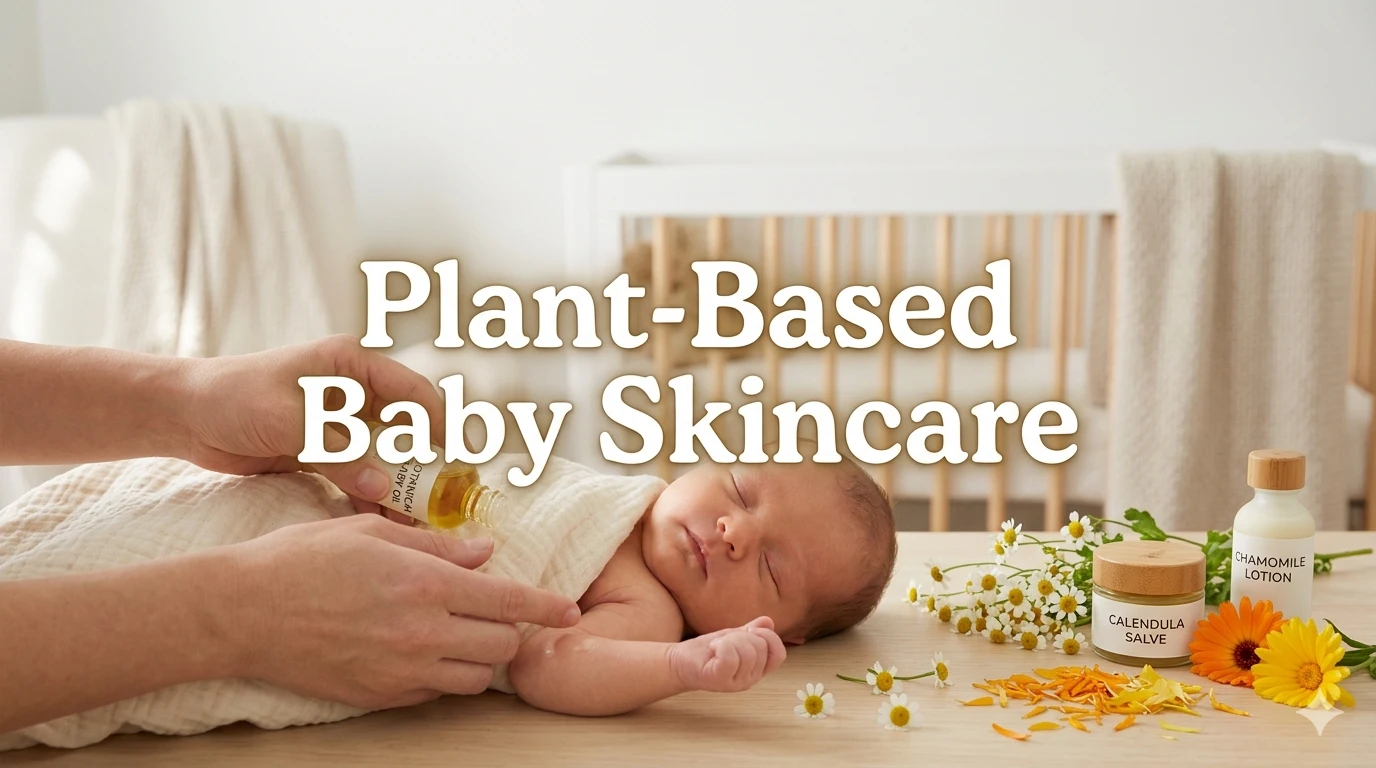
As a new parent, your baby's delicate skin is one of your top priorities. Newborn skin is up to 30% thinner than adult skin, making it more permeable, sensitive, and vulnerable to irritation from harsh chemicals, synthetic fragrances, and artificial preservatives. This is why many parents are turning to plant-based baby skincare brands that prioritize gentle, naturally-derived ingredients to protect and nourish their little one's sensitive skin.
The good news? A new wave of innovative, eco-conscious brands is emerging with formulations specifically designed for newborns and infants with sensitive skin. These brands combine the power of botanical extracts with rigorous safety standards, transparency in sourcing, and a commitment to sustainability. Unlike traditional baby skincare that may rely on synthetic ingredients, plant-based alternatives harness the soothing, anti-inflammatory, and protective properties of nature to support your baby's developing skin barrier.
In this comprehensive guide, we explore five emerging plant-based baby skincare brands that are making waves for their gentle, effective formulations for sensitive newborn skin. You'll learn what makes each brand unique, which key ingredients to look for, how to evaluate product safety, and practical tips for introducing new skincare products to your baby's routine. Whether you're expecting your first child or looking to switch to cleaner products for your little one, this guide will help you make informed, confident choices for your baby's delicate skin.
Why Plant-Based Skincare Matters for Newborn Skin
Understanding why plant-based ingredients are particularly beneficial for newborns helps you make informed choices about your baby's skincare routine.
Key benefits of plant-based baby skincare:
- Gentler on delicate skin: Plant-derived ingredients like calendula, chamomile, and oat extract have natural soothing properties that calm irritation without harsh chemicals
- Reduced risk of irritation: Free from synthetic fragrances, parabens, sulfates, and phthalates that commonly trigger reactions in sensitive skin
- Nourishing botanical actives: Natural oils and extracts provide essential fatty acids, antioxidants, and vitamins that support skin barrier development
- Environmentally conscious: Sustainable sourcing and biodegradable ingredients reduce environmental impact
- Transparency: Emerging plant-based brands often prioritize ingredient transparency and ethical sourcing practices
Research published in Pediatric Dermatology indicates that newborns exposed to harsh surfactants and synthetic preservatives have a higher risk of developing contact dermatitis and eczema [[18]]. Plant-based formulations minimize these risks while providing effective cleansing and moisturizing.
What to Look for in Plant-Based Baby Skincare
Not all "natural" or "plant-based" labels are created equal. Here's how to evaluate products for your newborn:
Ingredient transparency: Brands should list all ingredients clearly, preferably with botanical names (e.g., Calendula officinalis extract) rather than vague terms like "natural fragrance."
Certifications that matter:
- USDA Organic: Ensures ingredients are grown without synthetic pesticides
- EWG Verified: Environmental Working Group's mark of safety and transparency
- National Eczema Association Seal: Indicates suitability for eczema-prone skin
- Dermatologist-tested: Indicates clinical safety testing (though not a guarantee)
Key soothing ingredients for newborns:
- Calendula: Anti-inflammatory, promotes healing, gentle enough for newborns
- Chamomile: Calming, reduces redness and irritation
- Colloidal oatmeal: FDA-approved skin protectant for eczema and dryness
- Sunflower seed oil: Rich in linoleic acid, supports skin barrier function
- Jojoba oil: Mimics skin's natural sebum, non-comedogenic
- Aloe vera: Soothes and hydrates without heaviness
Ingredients to avoid for sensitive newborn skin:
- Synthetic fragrances and "parfum"
- Parabens (methylparaben, propylparaben)
- Sulfates (SLS, SLES)
- Phthalates
- Formaldehyde-releasing preservatives
- Mineral oil and petroleum derivatives (can trap heat and irritate)
Brand #1: Little Seed Co. – Botanical Simplicity for Sensitive Skin
Overview: Little Seed Co. is an emerging brand focused on minimalist, plant-powered formulations for babies with sensitive skin. Founded by a pediatric nurse and herbalist, the brand emphasizes "less is more" with short, transparent ingredient lists.
Standout Products:
- Calendula Baby Balm: A multi-purpose balm with organic calendula, sunflower oil, and beeswax for diaper rash, dry patches, and minor irritations
- Chamomile Baby Wash: Ultra-gentle, tear-free cleanser with chamomile extract and oat protein
- Oat & Honey Baby Lotion: Lightweight moisturizer with colloidal oatmeal and raw honey for hydration without heaviness
What Makes It Special:
- Ingredient minimalism: Most products contain fewer than 10 ingredients, reducing potential irritants
- Small-batch production: Ensures freshness and quality control
- Refillable packaging: Eco-conscious approach with glass jars and aluminum tubes
- Third-party testing: Every batch tested for heavy metals and microbial safety
Best For: Parents seeking ultra-simple, transparent formulations for babies with eczema, extreme sensitivity, or reactive skin.
Price Range: $12-$28 per product; subscription options available
Where to Buy: Direct from brand website, select natural baby boutiques, and eco-marketplaces
Brand #2: Bloom & Root – Herbal Wisdom for Newborn Care
Overview: Bloom & Root blends traditional herbal knowledge with modern safety standards. Their formulations draw from Ayurvedic and Western herbalism traditions, using organic, wildcrafted botanicals to support newborn skin health.
Standout Products:
- Newborn First Oil: A blend of organic sunflower, jojoba, and lavender oils for gentle massage and moisturizing
- Herbal Baby Bath Soak: Powdered blend of chamomile, calendula, and lavender for soothing bath time
- Diaper Rash Paste: Zinc oxide-free formula with plantain, calendula, and coconut oil for gentle protection
What Makes It Special:
- Herbal expertise: Formulations developed with certified herbalists and pediatric consultants
- Wildcrafted ingredients: Many botanicals are ethically wild-harvested, supporting biodiversity
- Cultural wisdom: Incorporates traditional postpartum and newborn care practices from multiple cultures
- Zero-waste packaging: Compostable pouches and reusable glass containers
Best For: Parents interested in holistic, herbal approaches to newborn care who value cultural traditions and sustainability.
Price Range: $15-$32 per product; gift sets available
Where to Buy: Brand website, wellness retailers, and select midwifery practices
Brand #3: Pure Sprout – Science-Backed Botanicals
Overview: Pure Sprout bridges the gap between natural ingredients and clinical efficacy. Their formulations are developed with pediatric dermatologists and tested for safety and performance on sensitive newborn skin.
Standout Products:
- Gentle Daily Cleanser: pH-balanced, soap-free wash with oat beta-glucan and aloe
- Barrier Repair Cream: Rich moisturizer with ceramides (plant-derived), squalane, and calendula
- Soothing Mist: Alcohol-free spray with chamomile hydrosol and panthenol for quick calming
What Makes It Special:
- Clinical collaboration: Products developed with input from pediatric dermatologists
- Evidence-based botanicals: Ingredients chosen based on clinical research for infant skin
- Hypoallergenic testing: All products patch-tested on sensitive skin panels
- Clean preservation: Uses natural preservative systems (radish root ferment, leuconostoc) instead of parabens
Best For: Parents who want the reassurance of clinical testing alongside plant-based ingredients, especially for babies with diagnosed skin conditions.
Price Range: $18-$35 per product; pediatrician sample program available
Where to Buy: Brand website, pediatric clinics, and premium baby retailers
Brand #4: Earthling Baby – Regenerative Ingredients for Delicate Skin
Overview: Earthling Baby focuses on regenerative agriculture and upcycled botanicals. Their mission is to create effective baby skincare while supporting soil health and farmer livelihoods.
Standout Products:
- Upcycled Calendula Balm: Made from calendula flowers rescued from food industry waste
- Oat Milk Baby Wash: Gentle cleanser with colloidal oatmeal and oat milk proteins
- Seed Oil Blend: Multi-purpose oil with pumpkin seed, raspberry seed, and sea buckthorn oils
What Makes It Special:
- Regenerative sourcing: Ingredients grown using practices that restore soil health
- Upcycled botanicals: Reduces waste by using ingredients that would otherwise be discarded
- Carbon-neutral shipping: Offsets all delivery emissions
- Transparent supply chain: Maps ingredient journeys from farm to bottle
Best For: Eco-conscious parents who prioritize environmental impact alongside product efficacy for their baby's sensitive skin.
Price Range: $14-$30 per product; subscription discounts available
Where to Buy: Brand website, eco-marketplaces, and sustainable baby boutiques
Brand #5: Nurtura – Minimalist Formulas for Maximum Gentleness
Overview: Nurtura embraces radical simplicity with formulations containing 5-7 ingredients maximum. Their philosophy is that newborn skin needs protection, not complexity.
Standout Products:
- One-Ingredient Oil: 100% organic sunflower seed oil for massage, moisturizing, and cradle cap
- Three-Ingredient Balm: Sunflower oil, beeswax, and calendula extract for multi-purpose protection
- Five-Ingredient Wash: Water, oat protein, chamomile extract, gentle cleanser, and natural preservative
What Makes It Special:
- Ultra-minimalist formulas: Fewer ingredients mean fewer potential irritants
- Single-origin botanicals: Each ingredient sourced from one trusted farm for consistency
- Batch transparency: QR codes on packaging show harvest date, farm location, and test results
- Refill system: Return empty containers for cleaning and refilling at discount
Best For: Parents of babies with extreme sensitivities, allergies, or those following elimination protocols who need maximum ingredient control.
Price Range: $10-$25 per product; refill discounts available
Where to Buy: Direct from brand website and select natural health stores
How to Safely Introduce New Skincare Products to Your Newborn
Even the gentlest plant-based products should be introduced carefully to avoid reactions. Follow these expert-recommended steps:
Step 1: Patch Test First
How to patch test:
- Apply a small amount of product to a discreet area (inner arm or behind ear)
- Wait 24-48 hours without washing the area
- Check for redness, swelling, rash, or irritation
- If no reaction occurs, the product is likely safe for broader use
When to patch test: Always before first use, especially if your baby has eczema, allergies, or a family history of sensitive skin.
Step 2: Introduce One Product at a Time
Why it matters: Introducing multiple new products simultaneously makes it impossible to identify which one caused a reaction if one occurs.
Recommended approach:
- Start with one product (e.g., moisturizer)
- Use consistently for 3-5 days while monitoring skin
- If no reaction, introduce a second product
- Continue this pattern for each new addition
Step 3: Start with Small Amounts
Best practice: Use a pea-sized amount for the first few applications. Newborn skin absorbs products efficiently, so a little goes a long way.
Application tips:
- Warm product between palms before applying
- Gently pat or massage onto skin—avoid rubbing
- Focus on dry or irritated areas first
- Allow product to absorb fully before dressing baby
Step 4: Monitor for Reactions
Signs of a reaction to watch for:
- Increased redness or flushing
- Rash, hives, or small bumps
- Dryness, flaking, or cracking
- Itching or fussiness during/after application
- Swelling or warmth at application site
If a reaction occurs: Discontinue use immediately, gently cleanse the area with water, and consult your pediatrician if symptoms persist or worsen.
Understanding Ingredient Labels: A Parent's Guide
Navigating skincare labels can be overwhelming. Here's how to decode them for your baby's safety.
Reading INCI Names
Ingredients are listed by International Nomenclature of Cosmetic Ingredients (INCI) names, which use Latin botanical names. Here's how to interpret them:
Examples:
- Calendula officinalis flower extract = Calendula extract
- Helianthus annuus seed oil = Sunflower seed oil
- Avena sativa kernel flour = Colloidal oatmeal
- Simmondsia chinensis seed oil = Jojoba oil
Tip: Keep a cheat sheet of common botanical INCI names for quick reference while shopping.
Understanding Preservative Systems
Even plant-based products need preservation to prevent bacterial growth. Look for these gentler options:
Natural preservatives:
- Radish root ferment filtrate
- Leuconostoc/radish root ferment filtrate
- Potassium sorbate (derived from berries)
- Sodium benzoate (naturally occurring in fruits)
Avoid: Parabens, formaldehyde releasers (DMDM hydantoin, quaternium-15), and methylisothiazolinone.
Decoding "Fragrance" on Labels
Red flag: "Fragrance" or "parfum" can hide dozens of undisclosed chemicals.
Look for:
- "Essential oil blend" with specific oils listed
- "Naturally derived fragrance" with transparency
- "Fragrance-free" (truly no added scent)
Note: Even essential oils can irritate sensitive newborn skin. Opt for fragrance-free products for babies under 3 months.
Building a Simple, Effective Newborn Skincare Routine
Newborns don't need complex routines. A minimalist approach with plant-based products supports healthy skin development.
Essential Products Only
For most newborns, you need just three products:
- Gentle cleanser: For bath time, 2-3 times per week (daily cleansing isn't necessary)
- Multi-purpose moisturizer: For dry patches, after baths, and general hydration
- Diaper area protectant: For preventing and soothing diaper rash
Optional additions:
- Massage oil for bonding time
- Soothing mist for quick calming
- Cradle cap treatment if needed
Sample Daily Routine
Morning:
- Gently wipe face with damp cloth
- Apply moisturizer to dry areas if needed
- Apply diaper protectant at each change
Bath time (2-3x/week):
- Use gentle cleanser on body, avoiding face
- Rinse thoroughly with lukewarm water
- Pat dry gently, leaving skin slightly damp
- Apply moisturizer within 3 minutes to lock in hydration
Evening:
- Quick wipe-down if needed
- Reapply diaper protectant
- Optional: gentle massage with oil before bed
Seasonal Adjustments
Dry/cold weather:
- Increase moisturizer frequency
- Use richer balms on exposed areas (cheeks, hands)
- Run a humidifier in baby's room
Hot/humid weather:
- Use lighter lotions instead of heavy balms
- Ensure thorough drying after baths to prevent moisture buildup
- Apply barrier cream more frequently in diaper area
Frequently Asked Questions
Are plant-based baby skincare products safer than conventional ones?
Plant-based products can be gentler for sensitive newborn skin because they typically avoid harsh synthetic ingredients like sulfates, parabens, and artificial fragrances that commonly cause irritation. However, "natural" doesn't automatically mean safe—some plant extracts can still trigger reactions. Always patch test new products and choose brands with transparent ingredient lists and safety testing.
When can I start using skincare products on my newborn?
For the first few weeks, many pediatricians recommend using only water for cleansing. After 2-4 weeks, you can introduce gentle, fragrance-free products if needed. Always consult your pediatrician before starting any new skincare routine, especially if your baby has sensitive skin or medical conditions.
Can plant-based products help with eczema or cradle cap?
Certain plant-based ingredients like colloidal oatmeal, calendula, and sunflower seed oil have evidence supporting their use for eczema and dry skin. However, moderate to severe eczema or persistent cradle cap should be evaluated by a pediatrician. Plant-based products can complement medical treatment but shouldn't replace prescribed therapies for diagnosed conditions.
How do I know if a "natural" baby product is truly safe?
Look for: (1) Full ingredient transparency with botanical names, (2) Third-party certifications (USDA Organic, EWG Verified), (3) Dermatologist or pediatrician testing, (4) Absence of known irritants (fragrance, parabens, sulfates), and (5) Clear usage instructions and age recommendations. When in doubt, consult your pediatrician.
Are essential oils safe for newborns?
Most pediatricians recommend avoiding essential oils on babies under 3 months due to their potent compounds and potential for skin irritation or respiratory sensitivity. For older infants, use only highly diluted, baby-safe oils (like lavender or chamomile) and always patch test first. When in doubt, choose fragrance-free products.
Conclusion: Choosing Gentle, Effective Care for Your Little One
Navigating the world of baby skincare can feel overwhelming, especially when your newborn has sensitive skin. The emergence of plant-based brands focused on gentle, transparent formulations offers parents promising options that align with both safety and sustainability values.
The five brands highlighted in this guide—Little Seed Co., Bloom & Root, Pure Sprout, Earthling Baby, and Nurtura—represent the best of this new wave: combining botanical wisdom with rigorous safety standards, environmental responsibility, and genuine care for delicate newborn skin. Each offers unique strengths, from minimalist formulations to herbal expertise to clinical collaboration, allowing you to choose what best fits your family's values and your baby's needs.
Remember that every baby's skin is unique. What works beautifully for one infant may not suit another. Start with patch testing, introduce products slowly, and trust your instincts as a parent. When in doubt, consult your pediatrician—they're your best resource for personalized guidance.
Start simple. Choose one gentle, plant-based product to try first. Observe how your baby's skin responds. Build your routine gradually, prioritizing gentle cleansing, consistent moisturizing, and protective care for sensitive areas. With patience and attention, you'll find the plant-based skincare approach that helps your little one's skin thrive.
Your baby's skin is a reflection of the care you provide. By choosing gentle, plant-based products and introducing them thoughtfully, you're not just protecting their delicate skin today—you're laying the foundation for a lifetime of healthy skin habits. Trust your instincts, lean on evidence, and embrace the journey of nurturing your newborn with love and intention.


0 Comments