

Reusable Cloth Diapers 2.0 and Mainstream Popularity
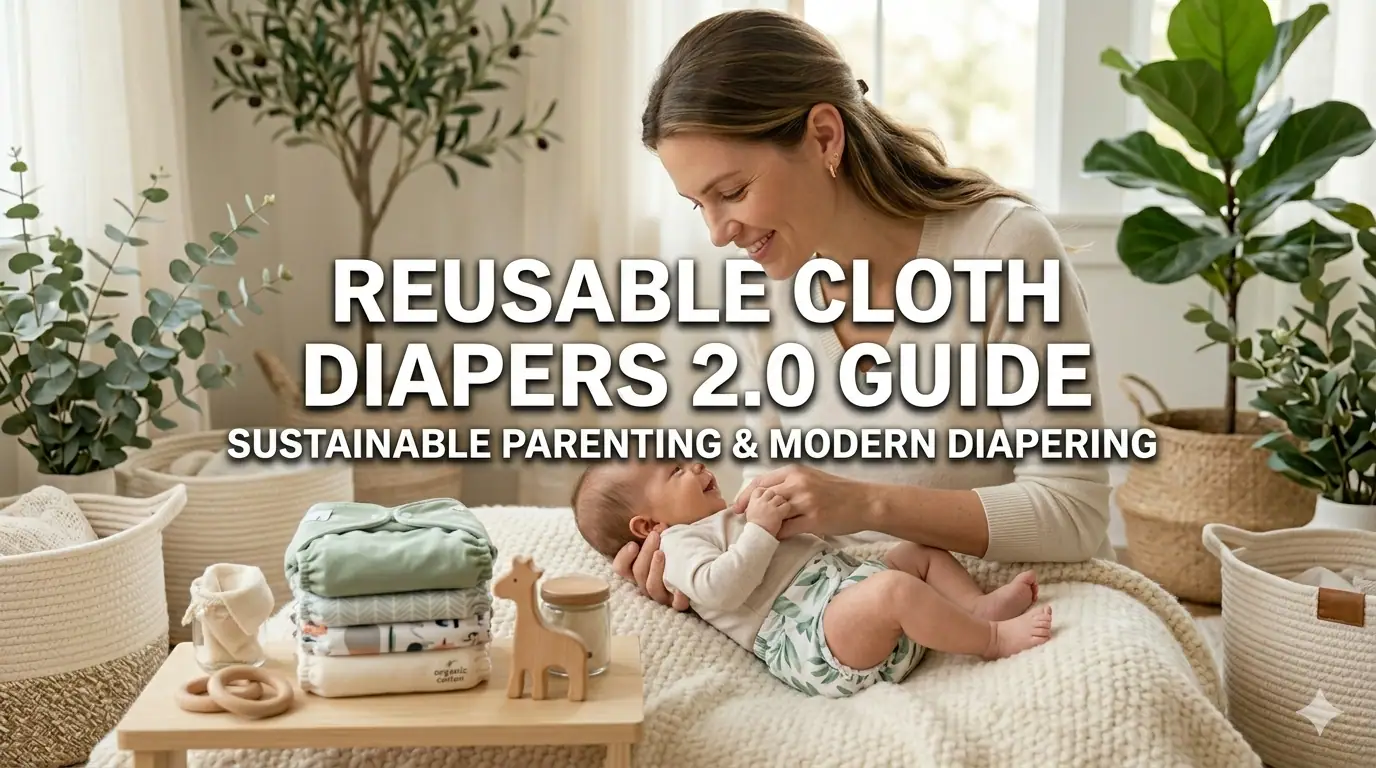
Introduction to Reusable Cloth Diapers 2.0
For decades, disposable diapers dominated the parenting landscape, promising convenience and reliability for busy families. Yet a quiet revolution has been unfolding in nurseries worldwide: the rise of Reusable Cloth Diapers 2.0. These are not the cloth diapers of previous generations, with cumbersome pins, plastic pants, and endless laundry piles. Today's modern cloth diaper systems combine cutting-edge materials, intuitive designs, and smart features that make sustainable diapering more accessible, effective, and appealing than ever before.
The shift toward reusable cloth diapers 2.0 reflects broader cultural changes: growing environmental awareness, increased access to information through social media and parenting communities, and a desire among modern parents to make conscious choices that align with their values. As climate concerns intensify and waste reduction becomes a priority for many households, families are reevaluating everyday products, including those for their babies. Cloth diapers, once viewed as a niche or sacrificial choice, are now being embraced by mainstream parents who appreciate their environmental benefits, cost savings, and surprising convenience.
This comprehensive guide explores why reusable cloth diapers 2.0 are gaining mainstream popularity. We examine the innovations that distinguish modern cloth diapers from their predecessors, analyze the environmental and economic advantages, address common concerns and misconceptions, and provide practical guidance for families considering the transition. Whether you are an eco-conscious parent, a budget-minded caregiver, or simply curious about sustainable baby products, understanding this growing movement can help you make informed decisions that benefit your family and the planet.
What Makes Cloth Diapers 2.0 Different from Traditional Versions
Advanced Materials and Smart Design Features
Modern cloth diapers represent a significant technological leap from the flat cotton squares and rubber pants of the past. Today's systems incorporate advanced materials like microfiber, bamboo viscose, hemp blends, and stay-dry liners that wick moisture away from baby's skin while maintaining absorbency. These fabrics are engineered for performance: quick-drying, odor-resistant, and gentle on sensitive skin.
Design innovations have transformed the user experience. Snap or hook-and-loop closures replace pins, making diaper changes faster and safer. Adjustable rise settings allow one diaper to grow with your baby from newborn through toddlerhood, reducing the need for multiple sizes. Pocket diapers feature openings for inserting absorbent layers, enabling customization based on your baby's needs and your laundry schedule. All-in-one and all-in-two systems combine convenience with performance, offering disposable-like ease with reusable benefits.
Convenience Features That Address Parent Concerns
One reason cloth diapers 2.0 are gaining traction is that manufacturers have directly addressed historical pain points. Wet bags with waterproof linings and odor-locking zippers make transport and storage simple. Diaper sprayers attach to your toilet for easy solid waste removal, eliminating the need for dunking or scraping. Quick-change inserts and boosters allow for rapid absorbency adjustments without replacing the entire diaper.
Many modern systems are designed for busy lifestyles. Some brands offer subscription services for detergent or replacement parts. Apps help track washing schedules, diaper rotations, and even connect parents to local cloth diaper communities for support and swaps. These thoughtful additions reduce the perceived burden of cloth diapering and make sustainable choices feel manageable for modern families.
Environmental Drivers Behind the Cloth Diaper Revival
The Waste Crisis and Parental Awareness
The environmental case for reusable cloth diapers has never been stronger. A single baby uses approximately six thousand to eight thousand disposable diapers before potty training, contributing an estimated one ton of waste to landfills. Disposable diapers take hundreds of years to decompose, releasing methane and other greenhouse gases as they break down. Chemicals used in manufacturing, including dioxins and phthalates, raise concerns about soil and water contamination.
Modern parents are increasingly aware of these impacts. Social media, documentaries, and parenting blogs have amplified conversations about sustainability, making environmental considerations a factor in everyday purchasing decisions. Choosing cloth diapers becomes a tangible way for families to reduce their ecological footprint, aligning daily actions with broader values of conservation and responsibility.
Carbon Footprint and Lifecycle Analysis
While cloth diapers require water and energy for washing, lifecycle analyses consistently show that their overall environmental impact is lower than disposables when used responsibly. A study published in the Journal of Environmental Management found that cloth diapers, when washed in full loads with energy-efficient machines and line-dried when possible, generate significantly less carbon emissions and waste over their lifespan.
Furthermore, modern cloth diapers are designed for longevity and reuse across multiple children. A single set can serve a family for years, then be passed on, sold, or donated, extending their useful life and maximizing resource efficiency. This circular approach contrasts sharply with the single-use model of disposables, appealing to parents who prioritize sustainability beyond immediate convenience.
Economic Benefits Driving Mainstream Adoption
Long Term Cost Savings for Families
While the upfront investment in cloth diapers 2.0 can seem significant, the long-term savings are substantial. A quality starter set of modern cloth diapers typically costs between two hundred and five hundred dollars, depending on brand and quantity. In contrast, disposable diapers can cost parents one thousand to two thousand dollars per child over the diapering years.
For families with multiple children, the savings compound dramatically. Cloth diapers can be reused across siblings with minimal additional cost, while disposable expenses restart with each baby. Even accounting for laundry costs, water, and detergent, most families save hundreds to thousands of dollars by choosing reusable options. This economic argument resonates strongly with budget-conscious parents navigating the financial demands of raising children.
Resale Value and Community Marketplaces
The growing popularity of cloth diapers has created robust secondary markets where parents can buy and sell gently used diapers at significant discounts. Online platforms, social media groups, and local swap events make it easy to access quality cloth diapers at a fraction of retail cost. This accessibility lowers the barrier to entry for families curious about cloth diapering but hesitant about upfront investment.
Additionally, many modern cloth diaper brands retain value well, allowing parents to recoup a portion of their initial cost when their diapering days end. This resale potential transforms cloth diapers from a sunk cost into a flexible asset, further enhancing their appeal to practical, financially minded caregivers.
Health and Comfort Advantages for Babies
Breathable Materials and Reduced Chemical Exposure
Modern cloth diapers prioritize baby's comfort and health through thoughtful material selection. Natural fibers like organic cotton, bamboo, and hemp are breathable, reducing the risk of diaper rash by allowing air circulation and minimizing moisture buildup. Unlike many disposables that contain synthetic gels, fragrances, and chemical absorbents, cloth diapers offer a simpler, more transparent composition that parents can trust.
For babies with sensitive skin or allergies, cloth diapers provide a customizable alternative. Parents can control which detergents, liners, and fabrics contact their baby's skin, eliminating potential irritants found in some disposable brands. This level of control is particularly valuable for families managing eczema, contact dermatitis, or other skin conditions.
Fit and Mobility Benefits for Active Babies
Modern cloth diapers are designed with active babies in mind. Trim profiles, flexible waistbands, and contoured shapes allow for natural movement without bulk or restriction. Many parents report that their babies seem more comfortable and mobile in well-fitted cloth diapers compared to some disposable options that can feel stiff or cumbersome.
The adjustable nature of cloth diapers also means a more personalized fit. As babies grow and change shape, parents can modify rise settings, waist snaps, and leg elastic to maintain comfort and prevent leaks. This adaptability supports healthy hip development and allows babies to move freely during crucial developmental stages.
Addressing Common Concerns and Misconceptions
Laundry Management and Time Commitment
One of the most frequent concerns about cloth diapers is the perceived burden of additional laundry. Modern systems and strategies have significantly simplified this aspect. Most families find that washing cloth diapers every two to three days adds only one or two extra loads to their weekly routine, a manageable increase for many households.
Efficient washing routines minimize time and effort. A typical protocol involves a cold rinse to remove solids, followed by a hot wash with cloth-safe detergent, and an extra rinse if needed. Many parents wash diapers alongside other baby items or household linens to maximize load efficiency. Line drying, when possible, reduces energy costs and extends diaper lifespan, though machine drying on low heat is also acceptable for most modern fabrics.
Leak Prevention and Overnight Performance
Early cloth diapers had a reputation for leaks, but modern designs have largely resolved this issue. Advanced absorbent materials, waterproof outer layers with reinforced gussets, and customizable insert combinations provide reliable protection for most babies. For heavy wetters or overnight use, parents can add boosters or choose high-absorbency fabrics like hemp or bamboo blends.
Proper fit is crucial for leak prevention. Ensuring snug leg elastics without being too tight, positioning the diaper correctly on baby's body, and adjusting absorbency based on your baby's patterns all contribute to successful containment. Many brands offer fit guides, video tutorials, and customer support to help parents achieve optimal results.
The Role of Community and Social Influence
Online Communities and Peer Support
The rise of cloth diapers 2.0 has been fueled in part by vibrant online communities where parents share experiences, tips, and encouragement. Social media platforms, dedicated forums, and parenting apps connect cloth diapering families worldwide, creating a supportive network that demystifies the process and celebrates successes.
These communities provide practical value: troubleshooting advice for common challenges, recommendations for brands and washing routines, and opportunities to buy, sell, or swap diapers. They also foster a sense of shared purpose, reinforcing the idea that sustainable parenting choices are both achievable and worthwhile. For many parents, this peer support is instrumental in adopting and maintaining cloth diapering practices.
Influencer Marketing and Authentic Storytelling
Parenting influencers and content creators have played a significant role in normalizing cloth diapers for mainstream audiences. Authentic storytelling, realistic demonstrations, and transparent discussions about both benefits and challenges help demystify cloth diapering for curious families. When trusted voices share their positive experiences, it reduces perceived risk and encourages experimentation.
Brands have responded by partnering with creators who align with their values, producing content that educates while inspiring. This marketing approach, when done authentically, builds trust and drives adoption by showing cloth diapers as a practical, attractive choice for modern families rather than a sacrificial or extreme lifestyle.
Practical Guidance for Families Considering Cloth Diapers
Getting Started: Essential Supplies and Setup
Beginning your cloth diaper journey does not require a massive upfront investment. A basic starter set might include twelve to twenty-four diapers, depending on your washing frequency, along with wet bags for storage and transport, a diaper sprayer for solid waste removal, and cloth-safe detergent. Many brands offer trial packs or starter bundles designed to help new users find their preferred style without overwhelming choice.
Research is key before purchasing. Read reviews, watch demonstration videos, and consider your baby's needs, your laundry capacity, and your budget. Joining a local or online cloth diaper group can provide personalized recommendations and support. Remember that you can start small and expand your stash over time as you learn what works best for your family.
Building a Sustainable Washing Routine
Establishing an efficient washing routine is essential for long-term success. Store soiled diapers in a dry pail or wet bag until wash day, avoiding soaking which can damage fabrics and promote bacterial growth. Wash every two to three days to prevent stains and odors while maintaining manageable laundry volume.
Use a cloth-safe detergent free of optical brighteners, enzymes, or fabric softeners that can reduce absorbency. Follow manufacturer guidelines for water temperature and cycle settings, and consider an extra rinse to ensure all detergent residue is removed. Line drying when possible preserves elastic and waterproof layers, extending diaper lifespan and reducing energy costs.
Common Mistakes to Avoid When Transitioning to Cloth
Overcomplicating the System Initially
New cloth diaper users sometimes feel pressured to acquire every style, brand, or accessory available. This approach can lead to confusion, wasted money, and decision fatigue. Instead, start with a simple, versatile system that meets your basic needs. You can always expand or adjust as you gain experience and identify your preferences.
Focus on mastering one washing routine before experimenting with variations. Consistency builds confidence and helps you identify what truly works for your family. Remember that cloth diapering is a learning process, and perfection is not required for success.
Neglecting Proper Fit and Absorbency Balance
Leaks and discomfort often stem from improper fit or mismatched absorbency rather than flaws in the diapers themselves. Take time to learn how to adjust rise settings, position leg elastics, and layer inserts for optimal performance. Every baby is different, so be prepared to experiment within reason to find your ideal configuration.
Monitor your baby's wetness patterns and adjust absorbency accordingly. Heavy wetters may need more layers or different materials, while lighter wetters may prefer trimmer options. Regularly reassess fit as your baby grows to maintain comfort and containment.
Expert Tips for Long Term Success with Cloth Diapers
Embrace Flexibility and Hybrid Approaches
Many successful cloth diapering families use a hybrid approach, combining reusable diapers at home with disposables for travel, daycare, or particularly busy times. This flexibility reduces pressure and makes sustainable choices more sustainable for your lifestyle. The goal is progress, not perfection, and any reduction in disposable use benefits the environment.
Similarly, be open to adjusting your routine as your family's needs change. What works during newborn days may need modification as your baby becomes more active or starts solids. Regularly evaluate your system and make small tweaks to maintain effectiveness and enjoyment.
Connect with Local Resources and Support
Many communities offer cloth diaper lending libraries, workshops, or consultant services that can accelerate your learning curve and provide personalized guidance. These resources are often low-cost or free and can help you avoid common pitfalls while building confidence. Local connections also create opportunities for diaper swaps, bulk purchasing, and shared knowledge that enhance the overall experience.
If challenges arise, do not hesitate to seek support. Online communities, brand customer service, and experienced cloth diapering parents can offer solutions and encouragement. Remember that every family's journey is unique, and asking for help is a sign of wisdom, not weakness.
Frequently Asked Questions
Are modern cloth diapers really as convenient as disposables
While cloth diapers require some additional planning and laundry, many parents find modern systems surprisingly convenient once they establish a routine. Features like snap closures, adjustable sizing, and quick-change inserts streamline the changing process. The convenience trade-off is often outweighed by benefits like cost savings, environmental impact reduction, and customization for baby's comfort. For many families, the initial learning curve gives way to a sustainable system that feels natural and manageable.
How do cloth diapers perform for overnight use
Modern cloth diapers can perform well overnight with proper preparation. Using high-absorbency fabrics like hemp or bamboo, adding boosters or extra inserts, and ensuring a snug fit all contribute to reliable overnight protection. Some parents choose dedicated overnight diapers designed for extended wear. While trial and error may be needed to find your ideal combination, many families successfully use cloth diapers around the clock without leaks or discomfort.
Can I use cloth diapers if my baby attends daycare
Many daycares accept cloth diapers, though policies vary. Communicate with your provider about their requirements, which may include pre-stuffed diapers, specific wet bag protocols, or labeled supplies. Providing clear instructions and a generous supply of clean diapers can facilitate smooth cooperation. If your daycare does not accept cloth, you can still use them at home and during non-daycare hours, achieving partial waste reduction and cost savings.
What is the environmental impact of washing cloth diapers
While washing cloth diapers consumes water and energy, lifecycle analyses show that their overall environmental footprint is lower than disposables when washed efficiently. Using full loads, energy-efficient machines, cold water for pre-rinses, and line drying when possible minimizes resource use. The ability to reuse diapers across multiple children and the reduction in landfill waste further enhance their sustainability profile compared to single-use alternatives.
How long do modern cloth diapers last
Quality modern cloth diapers, when cared for properly, can last through multiple children and several years of use. Natural fibers like cotton and hemp tend to have longer lifespans than some synthetics, though all materials benefit from gentle washing and avoiding harsh chemicals or high-heat drying. Many parents report using the same diapers for two to three children with minimal replacement needs, maximizing both economic and environmental value.
Conclusion: Embracing Sustainable Choices for Modern Families
The growing mainstream popularity of reusable cloth diapers 2.0 reflects a broader shift toward conscious, values-driven parenting. Modern families are increasingly seeking products that align with their environmental concerns, financial priorities, and desire for transparency and quality. Cloth diapers, reimagined with innovative materials, intuitive designs, and community support, meet these needs in ways that earlier versions could not.
Choosing cloth diapers is not about returning to the past or making sacrifices. It is about embracing smarter, more sustainable solutions that honor both your family's wellbeing and the planet's future. The convenience, comfort, and cost-effectiveness of modern cloth diapers make them a practical choice for today's parents, while their environmental benefits contribute to a healthier world for the next generation.
If you are considering cloth diapers, start with curiosity and compassion for yourself. Learn at your own pace, connect with supportive communities, and celebrate small steps toward sustainability. Every diaper changed, every load washed, and every conversation shared moves us closer to a future where caring for our babies and caring for our planet go hand in hand. The cloth diaper revival is not just a trend; it is a testament to the power of informed, intentional choices that create lasting positive change.


0 Comments