

Screen-Free Entertainment for Infants: High-Tech World Guide
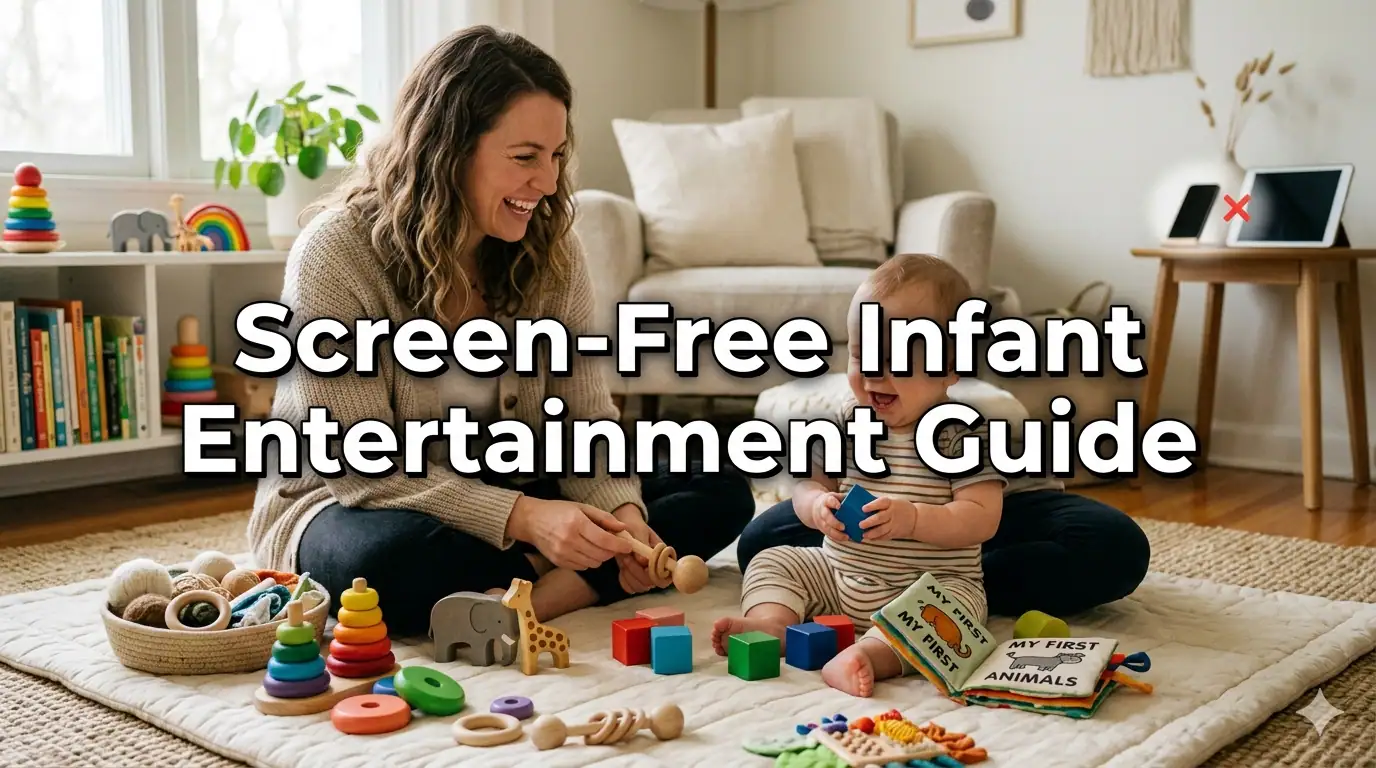
In an era where smartphones, tablets, and streaming services are ubiquitous, managing screen-free entertainment for infants has become both a challenge and a priority for modern parents. The American Academy of Pediatrics recommends no screen time for children under 18 months (except video chatting), yet we live in a world where screens are everywhere—from waiting rooms to grocery stores to family gatherings. For parents committed to supporting healthy infant development while navigating a high-tech reality, finding engaging, developmentally appropriate screen-free activities requires intention, creativity, and practical strategies.
Infant development in the first year of life is remarkably rapid and foundational. During this critical period, babies develop neural connections at an extraordinary rate, learning through sensory experiences, physical movement, face-to-face interaction, and hands-on exploration. Screen-based entertainment, while convenient, can interfere with these essential developmental processes by reducing opportunities for active engagement, limiting sensory variety, and displacing crucial human interaction.
This comprehensive guide provides parents with evidence-based strategies for managing screen-free entertainment for infants in our technology-saturated world. You'll discover why screen-free time matters for infant development, learn practical activities organized by developmental stage, find strategies for managing technology in your home and social environments, and gain confidence in creating rich, engaging experiences that support your baby's growth without relying on screens. Whether you're a new parent navigating these decisions for the first time or an experienced caregiver seeking fresh ideas, this guide offers actionable, realistic approaches for thriving in a high-tech world while prioritizing your infant's developmental needs.
Why Screen-Free Time Matters for Infant Development
Understanding the science behind screen-free recommendations helps parents make informed decisions and stay motivated when screen-free parenting feels challenging.
Brain Development in the First Year
The infant brain is extraordinarily plastic, forming approximately one million neural connections per second during the first year of life. These connections are shaped by experiences, with sensory-rich, interactive, and responsive interactions providing the optimal environment for healthy brain development.
Screen-based entertainment, particularly passive viewing, provides limited sensory input compared to real-world experiences. A baby watching a video receives two-dimensional visual and auditory stimulation, but misses the tactile feedback, three-dimensional spatial learning, cause-and-effect exploration, and social reciprocity that come from hands-on play and face-to-face interaction.
Key Developmental Domains Affected by Screen Time
Language Development: Infants learn language through responsive, back-and-forth interactions with caregivers. Screens cannot respond to a baby's coos, gestures, or attempts at communication. Research shows that infants who engage in more face-to-face interaction develop stronger language skills than those with higher screen exposure.
Social-Emotional Development: Reading facial expressions, responding to emotional cues, and developing attachment all require live human interaction. Screens cannot provide the contingent responsiveness that builds secure attachment and emotional regulation skills.
Motor Development: Infants develop gross and fine motor skills through active movement and manipulation of objects. Screen time is typically sedentary, reducing opportunities for tummy time, reaching, grasping, and other movement-based learning.
Attention and Executive Function: Rapidly changing screen content can condition infants to expect constant stimulation, potentially affecting their ability to sustain attention on slower-paced, real-world activities. Screen-free play supports the development of focus, patience, and self-regulation.
What the Research Says
Major health organizations provide clear guidance based on extensive research:
- American Academy of Pediatrics (AAP): No screen time for children under 18 months except video chatting; for 18-24 months, high-quality programming only with co-viewing
- World Health Organization (WHO): No screen time for infants under 1 year; less than 1 hour/day for children 1-2 years
- Canadian Paediatric Society: Discourage screen time for children under 2 years
Research links excessive screen time in infancy to: delayed language development, reduced attention spans, sleep disturbances, decreased parent-child interaction, and potential impacts on cognitive development. While occasional, limited exposure is unlikely to cause harm, the cumulative effect of displacing essential developmental experiences is the primary concern.
Screen-Free Entertainment by Developmental Stage
Infants develop rapidly, and appropriate screen-free activities evolve with their capabilities. These stage-specific suggestions provide engaging, developmentally supportive entertainment.
Newborn to 3 Months: Sensory Foundation
At this stage, infants are developing basic sensory processing, beginning to focus on faces, and learning to regulate their states (alert, drowsy, crying).
Recommended Activities:
- Face-to-Face Interaction: Hold baby 8-12 inches from your face, make eye contact, talk, sing, and mimic their expressions. This builds attachment and supports social development.
- Tummy Time: Start with 1-2 minute sessions several times daily, gradually increasing. Place colorful toys just out of reach to encourage reaching and strengthen neck and shoulder muscles.
- High-Contrast Visuals: Use black-and-white cards, books, or mobiles. Newborns see high-contrast patterns best, supporting visual development.
- Gentle Movement: Rock, sway, or walk with baby. The vestibular input supports balance development and can be soothing.
- Sound Exploration: Sing lullabies, play soft music, or use gentle rattles. Vary pitch, volume, and rhythm to support auditory development.
- Skin-to-Skin Contact: Promotes bonding, regulates baby's temperature and heart rate, and supports emotional development.
Practical Tips:
- Keep sessions short (5-10 minutes) and follow baby's cues
- Rotate activities to maintain interest without overstimulation
- Incorporate activities into daily routines (diaper changes, feeding)
- Don't worry about "entertaining" constantly—babies need downtime too
3 to 6 Months: Emerging Interaction
Infants become more socially engaged, develop better head control, begin reaching and grasping, and start exploring cause-and-effect.
Recommended Activities:
- Interactive Play: Play peek-a-boo, make funny faces, or play "this little piggy." These games support social development and anticipation skills.
- Reaching and Grasping: Offer easy-to-grasp toys (rattles, soft blocks, textured rings). Place toys at different positions to encourage reaching in various directions.
- Tummy Time Progression: Place toys in a semi-circle during tummy time to encourage reaching, rolling, and core strengthening.
- Sensory Baskets: Create a basket with safe items of different textures (soft fabric, smooth wood, crinkly paper). Supervise closely as baby explores.
- Music and Movement: Dance with baby, play simple instruments (maracas, bells), or sing action songs with gentle movements.
- Mirror Play: Use an unbreakable mirror during tummy time. Babies are fascinated by faces, including their own.
Practical Tips:
- Follow baby's lead—if they turn away, they may need a break
- Combine activities (sing while doing tummy time) to maximize engagement
- Rotate toys weekly to maintain novelty without overwhelming
- Include baby in household activities (folding laundry, cooking) for real-world learning
6 to 9 Months: Active Exploration
Infants become mobile (rolling, sitting, possibly crawling), develop object permanence, and engage in more intentional play.
Recommended Activities:
- Obstacle Courses: Create simple courses with pillows, tunnels, and soft toys to encourage crawling, climbing, and problem-solving.
- Object Permanence Games: Play "where did it go?" by hiding toys under cloths or in containers. This supports cognitive development.
- Water Play: Supervised splashing in a shallow basin with cups, spoons, and floating toys. Always stay within arm's reach.
- Stacking and Nesting: Offer cups, rings, or soft blocks to stack, knock down, and explore. Supports fine motor skills and cause-and-effect learning.
- Book Exploration: Use board books with textures, flaps, or bright pictures. Let baby turn pages, chew safely, and explore at their own pace.
- Outdoor Exploration: Take baby outside to feel grass, watch leaves move, listen to birds. Natural environments provide rich sensory input.
Practical Tips:
- Childproof exploration areas so baby can move freely and safely
- Narrate activities to support language development ("You're stacking the red cup!")
- Allow repetition—babies learn through doing the same activity multiple times
- Balance active play with quiet time for processing and rest
9 to 12 Months: Intentional Play
Infants develop pincer grasp, understand simple words, imitate actions, and engage in more purposeful play.
Recommended Activities:
- Simple Puzzles: Use chunky wooden puzzles with large knobs. Start with 2-3 pieces and gradually increase complexity.
- Imitative Play: Encourage imitation of simple actions (clapping, waving, banging blocks). This supports social learning and cognitive development.
- Cause-and-Effect Toys: Offer toys that respond to baby's actions (pop-up toys, simple musical instruments, shape sorters).
- Art Exploration: Provide large, washable crayons and large paper. Focus on the process, not the product. Always supervise closely.
- Interactive Songs: Sing songs with actions (Itsy Bitsy Spider, Wheels on the Bus). Encourage baby to join in with movements.
- Practical Life Activities: Let baby "help" with simple tasks (putting clothes in a basket, wiping with a cloth). Supports independence and motor skills.
Practical Tips:
- Follow baby's interests—if they love balls, incorporate balls into various activities
- Use everyday objects as toys (measuring cups, wooden spoons, fabric scraps)
- Allow safe risk-taking (climbing on soft surfaces) to build confidence and motor skills
- End activities before baby becomes frustrated to maintain positive associations
Creating a Screen-Free Home Environment
Managing screen-free entertainment isn't just about activities—it's about creating an environment that supports your goals.
Designating Tech-Free Zones and Times
Tech-Free Zones:
- Nursery: Keep screens out of baby's sleep and play space to support sleep hygiene and focused play
- Meal Areas: Make mealtimes screen-free to support mindful eating and family interaction
- Play Areas: Designate specific areas for screen-free play with engaging, accessible toys
Tech-Free Times:
- First Hour After Waking: Start the day with face-to-face interaction rather than screens
- Before Bedtime: Establish a screen-free wind-down routine to support sleep
- Family Meals: Use mealtime for connection and conversation
- Play Sessions: Dedicate specific times for focused, screen-free interaction
Managing Your Own Screen Use
Infants learn by observing caregivers. Your screen habits influence your baby's relationship with technology.
Strategies for Parents:
- Model Intentional Use: Narrate your screen use ("I'm checking the weather so we know what to wear") to demonstrate purposeful technology use
- Create Phone-Free Windows: Designate times when you put your phone away to focus on baby
- Use Screens Together: When you do use screens with baby (like video chatting with family), make it interactive and brief
- Set Boundaries: Use app limits, do-not-disturb modes, or physical boundaries (phone in another room) to reduce compulsive checking
Curating a Screen-Free Play Space
Essential Elements:
- Accessible Storage: Use low shelves or baskets so baby can see and reach toys independently
- Rotation System: Keep only 5-7 toys available at once, rotating weekly to maintain interest without overwhelming
- Variety of Textures: Include soft, hard, smooth, rough, crinkly items to support sensory development
- Safe Exploration: Childproof thoroughly so baby can move freely without constant "no"
- Comfortable Seating: Include a comfortable spot for you to sit and engage with baby
Toy Selection Principles:
- Open-Ended: Choose toys that can be used in multiple ways (blocks, scarves, containers)
- Simple: Avoid toys with excessive lights, sounds, or buttons that do the playing for baby
- Natural Materials: Include wood, fabric, metal, and other natural materials for varied sensory input
- Developmentally Appropriate: Match toys to baby's current abilities with slight challenge for growth
Managing Technology in Social and Public Settings
Even with a screen-free home, infants encounter screens in public spaces, family gatherings, and childcare settings. These strategies help you navigate these situations.
Preparing for Screen-Rich Environments
Before Outings:
- Pack a "Distraction Kit": Include small, novel toys, books, or sensory items to engage baby if screens are present
- Plan Timing: Schedule outings during baby's alert, content periods to maximize engagement
- Set Expectations: If visiting family, gently communicate your screen preferences in advance
During Outings:
- Stay Engaged: Keep baby engaged with you through talking, singing, or simple games
- Redirect Attention: If a screen captures baby's attention, gently redirect to an alternative activity
- Use Screens Strategically: In unavoidable situations (long flights, medical waits), brief, high-quality content with co-viewing may be reasonable
Navigating Family and Cultural Expectations
Well-meaning relatives may offer screens to entertain baby or disagree with your screen-free approach.
Communication Strategies:
- Lead with Positivity: "We're trying to focus on face-to-face play right now because it's so important for development"
- Offer Alternatives: "Instead of the tablet, would you like to show baby how you clap?"
- Share Information: Briefly share AAP guidelines if asked, without being preachy
- Pick Your Battles: Focus on consistent practices at home; occasional exceptions with family may be manageable
Childcare and Screen Policies
If using childcare, discuss screen policies upfront:
- Ask about their screen time policies for infants
- Share your preferences and the reasoning behind them
- Request alternatives if screens are used (books, music, outdoor time)
- Check in periodically to ensure alignment
Practical Strategies for Busy Parents
Screen-free parenting requires intention, but it doesn't have to be exhausting. These strategies make it manageable for busy families.
Integrating Screen-Free Play into Daily Routines
Diaper Changes: Turn diaper time into interaction time—sing songs, play footsie, or describe what you're doing.
Meal Preparation: Give baby safe kitchen items (wooden spoons, plastic containers) to explore while you cook.
Chores: Let baby "help" with folding laundry, sorting socks, or wiping surfaces. Narrate the activity to support language.
Errands: Use outings as learning opportunities—point out colors, count steps, or describe what you see.
Quick Screen-Free Activities for Busy Moments
When you need quick engagement without setup:
- Sing a Song: Any song works—nursery rhymes, made-up tunes, or songs from your childhood
- Play with Body Parts: "This little piggy," gentle tickles, or naming body parts
- Window Watching: Look outside together and describe what you see
- Texture Exploration: Offer a soft blanket, smooth spoon, or crinkly paper to feel
- Simple Games: Peek-a-boo, pat-a-cake, or gentle bouncing
Self-Care for Screen-Free Parenting
Screen-free parenting requires energy. Prioritize your wellbeing:
- Accept Imperfection: Some days will be harder than others—that's normal
- Ask for Help: Share screen-free strategies with partners, family, or caregivers
- Take Breaks: It's okay to put baby in a safe space for a few minutes while you reset
- Connect with Community: Join parent groups focused on intentional parenting for support and ideas
Addressing Common Challenges
Even with the best intentions, challenges arise. Here's how to navigate common screen-free parenting obstacles.
"But Screens Calm My Baby"
Screens can be effective at capturing attention and reducing fussiness, which is why they're tempting. However, this "calming" effect may come at the cost of developmental opportunities.
Alternatives for Soothing:
- White Noise: Use a white noise machine or app (played in background, not as primary focus)
- Rhythmic Movement: Rocking, swaying, or gentle bouncing
- Comfort Items: Soft lovey, pacifier, or familiar blanket
- Change of Scenery: Move to a different room or go outside
- Simple Distraction: Offer a novel toy or sing a familiar song
"I Need to Get Things Done"
Household tasks are necessary, and infants need supervision. Finding balance is key.
Strategies:
- Involve Baby: Give safe items to explore while you work nearby
- Use Contained Play: Playpen or gated area with engaging toys while you work in same room
- Batch Tasks: Do chores during baby's nap or independent play time
- Lower Standards Temporarily: It's okay if the house isn't perfect while baby is young
- Ask for Support: Partner, family, or friend can engage baby while you complete urgent tasks
"My Baby Seems Bored"
Babies don't need constant entertainment. Boredom can actually support creativity and self-regulation.
Reframing Boredom:
- Allow short periods of "boredom" to encourage self-directed exploration
- Observe what baby does when not directed—this reveals interests and capabilities
- Resist the urge to immediately "fix" boredom with new stimulation
- Remember that quiet observation is valuable learning time
"Everyone Else Uses Screens"
Social pressure can make screen-free parenting feel isolating.
Staying Confident:
- Focus on your "why"—the developmental benefits that motivate your choices
- Connect with like-minded parents for support and idea-sharing
- Remember that parenting choices are personal—what works for one family may not work for another
- Be prepared with simple, non-judgmental responses to questions about your approach
Measuring Success Beyond Screen Time
Screen-free parenting isn't about perfection—it's about progress and intentionality.
Signs Your Approach Is Working
Developmental Milestones: Baby is meeting age-appropriate milestones in motor skills, language, and social interaction.
Engagement: Baby shows interest in people, objects, and activities without needing screen stimulation.
Self-Regulation: Baby can tolerate short periods of waiting or mild frustration without immediate distress.
Connection: You feel more connected to your baby through face-to-face interaction and shared activities.
Flexibility: You can navigate screen-rich environments without stress or guilt.
Adjusting Your Approach
Parenting is iterative. Regularly assess what's working and what needs adjustment:
- Is baby engaged and developing appropriately?
- Do you feel sustainable in your approach, or burned out?
- Are there specific situations where screen-free strategies aren't working?
- What new activities or strategies could you try?
Be willing to adapt based on your baby's unique temperament, your family's needs, and new information.
Frequently Asked Questions
Is any screen time okay for infants?
The American Academy of Pediatrics recommends no screen time for children under 18 months except video chatting. Video chatting is considered different because it involves live, interactive social engagement. For 18-24 months, if you choose to introduce screens, select high-quality programming and watch together, discussing what you see. The key is that screens should not displace essential developmental experiences like face-to-face interaction, physical play, and hands-on exploration.
What about educational apps or videos for babies?
Despite marketing claims, research does not support the idea that infants learn effectively from screens. Infants learn best through three-dimensional, interactive experiences with responsive caregivers. "Educational" content designed for older children is often too complex for infants to understand, and the passive nature of screen viewing limits the active engagement that drives infant learning. Save educational media for when your child is older and can actively process and discuss content.
How do I handle screen use by other caregivers?
Communicate your preferences clearly and respectfully. Share the reasoning behind your screen-free approach and provide alternatives. For regular caregivers (grandparents, nannies), consider creating a simple guide with preferred activities. For occasional caregivers, focus on the most important boundaries (e.g., no screens during meals or before bed) while allowing some flexibility. Remember that consistency at home matters most.
What if my baby seems to prefer screens?
Screens are designed to capture attention with bright colors, rapid changes, and engaging sounds. It's normal for infants to be drawn to them. If your baby seems to prefer screens, gradually increase screen-free engagement by: starting with short, highly interactive activities; following your baby's interests to find engaging non-screen alternatives; being patient as baby adjusts to slower-paced, real-world stimulation; and celebrating small wins when baby engages with non-screen activities.
How do I balance screen-free goals with my own need for breaks?
Parental wellbeing matters. Strategies include: using screen time strategically for brief, necessary breaks (not as default entertainment); creating a safe, engaging space where baby can play independently while you rest nearby; asking for support from partners, family, or friends; and remembering that occasional, limited screen exposure is unlikely to cause harm if screen-free time is the norm. The goal is sustainable, intentional parenting—not perfection.
Will my baby be at a disadvantage without early tech exposure?
Research does not support the idea that early screen exposure provides developmental advantages. In fact, infants who engage in rich, screen-free interactions develop strong foundational skills—language, attention, problem-solving, and social-emotional regulation—that support later technology use. Digital literacy can be developed later in childhood when children have the cognitive capacity to understand and use technology intentionally. Focus on building strong foundations now; technology skills can be added later.
Conclusion
Managing screen-free entertainment for infants in a high-tech world requires intention, creativity, and self-compassion. While screens offer convenience and distraction, the first year of life is a critical period for development that benefits most from face-to-face interaction, hands-on exploration, and responsive caregiving.
The strategies outlined in this guide—from stage-appropriate activities and environment design to managing social expectations and addressing common challenges—provide a practical framework for prioritizing screen-free experiences while navigating our technology-saturated reality. Remember that screen-free parenting isn't about eliminating technology entirely; it's about making intentional choices that prioritize your infant's developmental needs during this foundational period.
Success looks different for every family. Some days you'll have beautiful, engaged screen-free interactions; other days you'll do what you need to do to get through. Both are part of the journey. What matters most is the overall pattern of rich, responsive, screen-free engagement that supports your baby's growth and your connection.
As your infant grows into a toddler and beyond, the skills and habits you build now—attention, curiosity, self-regulation, and secure attachment—will serve as a strong foundation for healthy technology use in the future. By investing in screen-free experiences now, you're not just managing entertainment; you're nurturing the developmental foundations that will support your child's lifelong learning, relationships, and wellbeing.
You've got this. One screen-free moment at a time, you're giving your baby the gift of your full attention and the rich, varied experiences that fuel healthy development. In a world full of screens, that's a powerful choice.


0 Comments