

Sensory Anchoring: Manage Daily Stress Naturally
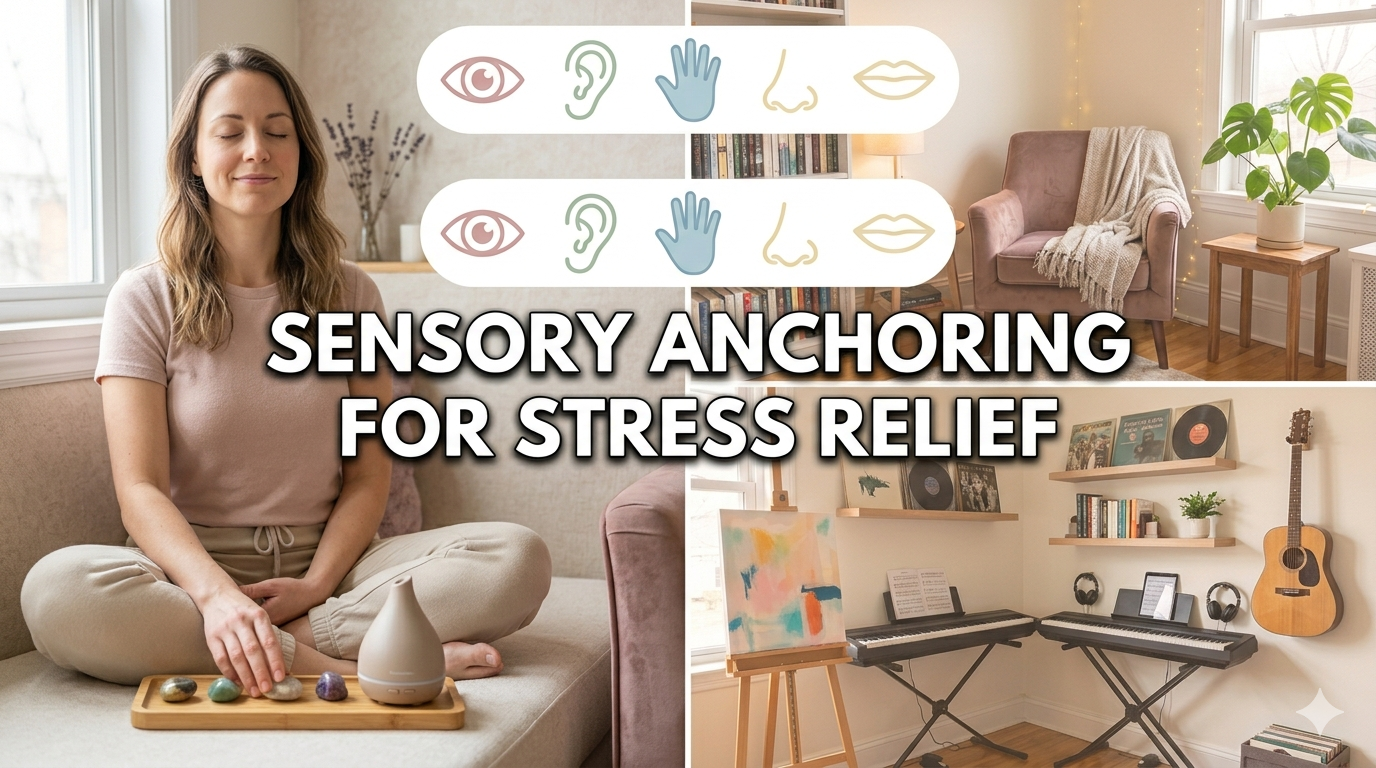
Understanding Sensory Anchoring and Its Power for Stress Relief
In our fast-paced, constantly connected world, stress and overwhelm have become unwelcome companions for many of us. The demands of work, relationships, finances, and daily responsibilities can leave us feeling scattered, anxious, and emotionally depleted. While we can't always control external circumstances, we can learn powerful internal tools to manage our response to stress. One of the most accessible and effective techniques is sensory anchoring.
Sensory anchoring is a mindfulness-based practice that uses your five senses—sight, sound, touch, smell, and taste—to create immediate points of calm and presence. By deliberately focusing your attention on specific sensory experiences, you can interrupt the stress response, regulate your nervous system, and return to a state of greater equilibrium. This technique is grounded in neuroscience and has been used in therapeutic settings for decades, yet it remains remarkably simple to learn and apply in everyday life.
The beauty of sensory anchoring lies in its accessibility. You don't need special equipment, extensive training, or extra time. You can practice it anywhere: at your desk, in traffic, during a difficult conversation, or in the quiet moments before sleep. By developing a personal toolkit of sensory anchors, you gain the ability to shift your internal state quickly and effectively, building resilience against the cumulative effects of daily stress.
In this comprehensive guide, we'll explore the science behind sensory anchoring, walk through practical techniques for each of your five senses, and provide step-by-step instructions for building a sustainable practice. Whether you're dealing with occasional overwhelm or chronic anxiety, these strategies can help you find calm, clarity, and control in the midst of life's challenges.
The Science Behind Sensory Anchoring
To understand why sensory anchoring works, it helps to know a bit about how your brain and nervous system respond to stress. When you encounter a perceived threat or challenge, your body activates the sympathetic nervous system, triggering the familiar "fight-or-flight" response. Your heart rate increases, breathing becomes shallow, muscles tense, and your mind races with worry or worst-case scenarios.
This response is adaptive in genuine emergencies, but when triggered repeatedly by everyday stressors, it can lead to chronic anxiety, burnout, and physical health problems. The good news is that your nervous system also has a built-in counterbalance: the parasympathetic nervous system, responsible for "rest-and-digest" functions that promote calm and recovery.
How Sensory Input Regulates the Nervous System
Sensory anchoring works by deliberately engaging your senses to activate the parasympathetic nervous system. When you focus your attention on a specific sensory experience—like the feeling of your feet on the floor, the sound of birdsong, or the scent of lavender—you send signals to your brain that help downregulate the stress response. This process is supported by several neurological mechanisms:
- Attention redirection: Focusing on sensory input interrupts rumination and worry cycles by shifting cognitive resources away from stressful thoughts.
- Vagus nerve stimulation: Certain sensory experiences, particularly slow breathing and gentle touch, stimulate the vagus nerve, which plays a key role in parasympathetic activation.
- Prefrontal cortex engagement: Mindful sensory awareness activates the prefrontal cortex, the brain region responsible for rational thinking and emotional regulation.
- Amygdala calming: Consistent sensory grounding can reduce reactivity in the amygdala, the brain's fear center.
Evidence-Based Support
Research in psychology and neuroscience supports the effectiveness of sensory-based grounding techniques. Studies on mindfulness meditation, which often incorporates sensory awareness, show measurable reductions in cortisol levels, improved emotional regulation, and enhanced resilience to stress. Dialectical Behavior Therapy (DBT), a widely used treatment for emotional dysregulation, includes "TIP skills" that use temperature, intense exercise, paced breathing, and paired muscle relaxation—all sensory-based interventions—to help clients manage overwhelming emotions quickly.
Similarly, trauma-informed therapies frequently employ sensory grounding to help individuals stay present and regulated when triggered. The 5-4-3-2-1 technique, a popular grounding exercise, asks practitioners to notice five things they can see, four they can touch, three they can hear, two they can smell, and one they can taste. This structured sensory scan helps anchor attention in the present moment and reduce dissociation or panic.
Understanding Your Five Sensory Pathways
Each of your five senses offers a unique pathway to calm and presence. By understanding the distinctive qualities of each sensory channel, you can choose anchors that resonate most powerfully with your personal preferences and current needs.
Visual Anchoring: What You See
Your sense of sight is often the most dominant, making visual anchors particularly accessible. Effective visual anchors might include a calming color (like soft blue or green), a meaningful photograph, a plant or natural scene, or even a simple object like a smooth stone. The key is to choose something that naturally draws your attention and evokes a sense of peace or stability.
When using visual anchoring, practice soft focus rather than intense staring. Allow your eyes to gently rest on your chosen anchor, noticing details without analysis. You might silently name colors, shapes, or textures to deepen your engagement. Visual anchoring works especially well in moments when you need to pause and reset your mental state.
Auditory Anchoring: What You Hear
Sound has a direct pathway to your emotional brain, making auditory anchors powerful tools for rapid regulation. Effective auditory anchors might include a specific song, the sound of rain or ocean waves, a calming mantra, or even the hum of your own breath. Some people find that certain frequencies or types of music (like classical, ambient, or binaural beats) have particularly soothing effects.
When using auditory anchoring, practice active listening. Rather than letting sound wash over you passively, direct your full attention to the qualities of the sound: its pitch, rhythm, volume, and texture. You might notice how the sound feels in your body or what emotions it evokes. Auditory anchoring is especially helpful when you need to mask distracting or stressful environmental noises.
Tactile Anchoring: What You Feel
Touch is a profoundly grounding sense, with receptors distributed throughout your skin that send direct signals to your brain about safety and connection. Effective tactile anchors might include the texture of a soft blanket, the weight of a worry stone, the warmth of a cup of tea, or the feeling of your feet pressing into the floor.
When using tactile anchoring, bring deliberate attention to the physical sensations. Notice temperature, pressure, texture, and movement. You might slowly rub your thumb and forefinger together, press your palms together firmly, or run your fingers over a textured surface. Tactile anchoring is particularly effective for managing physical tension and anxiety that manifests in the body.
Olfactory Anchoring: What You Smell
Smell has the most direct neural pathway to your limbic system, the brain region involved in emotion and memory. This makes olfactory anchors uniquely powerful for evoking calm and positive associations. Effective olfactory anchors might include essential oils like lavender or bergamot, the scent of fresh coffee, a favorite perfume, or the smell of rain on earth.
When using olfactory anchoring, take slow, intentional breaths to fully engage your sense of smell. Notice how the scent affects your mood, memories, or physical state. You might pair a specific scent with a calming intention to create a conditioned response over time. Olfactory anchoring works well for quick mood shifts and creating ritualistic moments of calm.
Gustatory Anchoring: What You Taste
Taste, like smell, connects directly to emotional and memory centers in the brain. Effective gustatory anchors might include a piece of dark chocolate, a sip of herbal tea, a mint, or even the simple act of noticing the taste of your own breath. The key is to choose something that provides a pleasant, focused sensory experience without triggering overeating or unhealthy habits.
When using gustatory anchoring, practice mindful eating or drinking. Take small bites or sips, allowing the flavor to fully register on your tongue. Notice the taste's evolution, its texture, and any sensations it creates in your mouth and throat. Gustatory anchoring is especially useful for interrupting stress-eating patterns and bringing mindful awareness to moments of overwhelm.
How to Create Your Personal Sensory Anchors
Building an effective sensory anchoring practice starts with identifying anchors that resonate with you personally. What calms one person might irritate another, so experimentation and self-observation are essential.
Step 1: Assess Your Sensory Preferences
Reflect on which senses you naturally find most soothing. Do you gravitate toward calming visuals, like sunsets or art? Do certain sounds instantly relax you? Do you seek comfort in soft textures or warm temperatures? Your existing preferences provide valuable clues about which sensory pathways will be most effective for you.
Step 2: Gather Your Anchor Toolkit
Once you've identified promising sensory channels, collect or create anchors for each. For visual anchors, this might mean saving calming images to your phone or placing a meaningful object on your desk. For auditory anchors, create a playlist of soothing sounds or record a personal mantra. For tactile anchors, keep a textured object in your pocket or bag. For smell and taste, identify scents or flavors you can access easily.
Step 3: Practice Pairing Anchors with Calm
To strengthen the association between your chosen anchors and a relaxed state, practice using them intentionally when you're already calm. Spend a few minutes each day focusing on your anchor while breathing slowly and allowing your body to soften. Over time, this creates a conditioned response: the anchor itself begins to trigger relaxation, even in stressful moments.
Step 4: Create Quick-Access Cues
For anchors to be useful during moments of overwhelm, they need to be immediately accessible. Keep tactile anchors in your pocket or purse. Save auditory anchors to your phone's home screen. Place visual anchors where you'll see them frequently. The easier it is to access your anchor, the more likely you are to use it when stress arises.
Visual Anchoring Techniques for Instant Calm
Visual anchors are among the easiest to implement because you can use them anywhere, anytime. Here are several evidence-based techniques to try:
Nature Gazing
Research consistently shows that viewing natural scenes reduces stress and improves mood. If you have access to outdoor space, spend a few minutes observing trees, sky, or water. If you're indoors, keep a plant nearby or display nature photography. When using this anchor, practice "soft eyes": allow your gaze to widen and take in the whole scene without focusing intensely on any one detail.
Color Therapy
Different colors evoke different emotional responses. Cool colors like blue and green tend to promote calm, while warm colors like orange and yellow can energize. Choose a color that you personally find soothing and incorporate it into your environment through clothing, decor, or digital backgrounds. When stressed, focus your attention on that color for 30-60 seconds, breathing slowly.
Meaningful Objects
An object with personal significance—a gift from a loved one, a souvenir from a happy trip, or a symbol of your values—can serve as a powerful visual anchor. Keep it visible in your daily environment. When you notice stress building, pause and look at the object, allowing it to remind you of connection, purpose, or peace.
What if I can't find a visual anchor that works?
If visual stimuli feel overwhelming or unhelpful, don't force it. Sensory anchoring is highly individual. Try shifting your focus to another sense, like sound or touch. Sometimes closing your eyes and focusing inward is more effective than seeking external visual input. Experiment patiently until you find what resonates.
Auditory Anchoring Strategies for Overwhelm
Sound can be a powerful tool for shifting your internal state quickly. These techniques help you harness auditory input for stress relief:
Curated Soundscapes
Create a short playlist of sounds that reliably calm you: ocean waves, rainfall, forest ambience, or instrumental music. Keep this playlist easily accessible on your phone. When stress arises, put on headphones and listen for 2-3 minutes, focusing entirely on the sound. Notice how your breath and body respond.
Mantra Repetition
A simple phrase repeated silently or aloud can anchor your attention and interrupt anxious thoughts. Choose a phrase that feels meaningful and soothing, like "I am safe," "This will pass," or "Breathe." Repeat it slowly, synchronizing with your breath. The rhythm and meaning together create a dual anchor for your nervous system.
Environmental Sound Awareness
Sometimes the most accessible auditory anchor is the sounds already around you. Practice noticing ambient sounds without judgment: the hum of a refrigerator, distant traffic, birdsong, or your own breath. Name each sound silently as you notice it. This practice of non-reactive awareness helps create mental space between you and stressful thoughts.
Can auditory anchoring help with anxiety attacks?
Yes, auditory anchors can be particularly helpful during anxiety attacks because sound processing remains relatively intact even when other cognitive functions are impaired. Simple, repetitive sounds or a calm voice (recorded or live) can help ground attention and regulate breathing. However, if anxiety attacks are frequent or severe, consult a mental health professional for comprehensive support.
Tactile Anchoring: Grounding Through Touch
Touch-based anchors are especially effective because they engage the body directly, helping to release physical tension and signal safety to the nervous system.
Temperature Shifts
Changing temperature on your skin can quickly shift your internal state. Keep a small cold pack or warm compress accessible. When stressed, apply it to your wrists, neck, or forehead for 30-60 seconds while breathing slowly. The temperature change provides a strong sensory signal that interrupts the stress cycle.
Textured Objects
Carry a small object with an interesting texture: a smooth stone, a piece of fabric, a stress ball, or even a keychain with tactile details. When overwhelmed, hold the object and focus your attention entirely on its texture. Notice its weight, temperature, and surface qualities. This simple act redirects attention and provides comforting sensory input.
Grounding Through Pressure
Firm, gentle pressure can be deeply calming. Try pressing your palms together firmly for 10 seconds, then releasing. Or place a weighted object (like a small sandbag) on your lap while sitting. Some people find that hugging themselves or crossing arms over the chest provides similar comfort. The key is to apply pressure that feels soothing, not constricting.
Olfactory Anchoring: The Power of Scent
Because smell connects directly to emotional memory centers, olfactory anchors can evoke calm almost instantly when paired with positive associations.
Essential Oil Anchors
Choose an essential oil that you personally find calming: lavender, bergamot, chamomile, or sandalwood are popular choices. Apply a drop to your wrist or use a personal inhaler. When stressed, bring your wrist to your nose and take three slow breaths, focusing entirely on the scent. Over time, this creates a conditioned response where the scent alone triggers relaxation.
Environmental Scents
You don't need special products to use olfactory anchoring. Notice calming scents in your environment: fresh coffee, baked goods, rain on pavement, or clean laundry. When you encounter these scents, pause and take a moment to fully experience them. This practice of mindful smelling can transform ordinary moments into opportunities for regulation.
Scent and Memory
If a particular scent is associated with a positive memory or person, use it intentionally as an anchor. Light a candle, wear a perfume, or bake something that evokes that connection. When you smell it, allow yourself to briefly recall the positive association, then return your attention to your breath. This combines sensory input with emotional resource-building.
Gustatory Anchoring: Mindful Taste for Regulation
Taste-based anchors are subtle but effective, especially for interrupting stress-eating patterns and bringing mindful awareness to moments of overwhelm.
Mindful Sipping
Keep a calming beverage accessible: herbal tea, warm water with lemon, or even room-temperature water. When stressed, take a small sip and hold it in your mouth for a moment before swallowing. Notice the temperature, flavor, and texture. This simple pause creates space between stress and reaction.
Flavor Focus
Choose a mild, pleasant flavor to use as an anchor: a mint, a piece of dark chocolate, or a slice of fruit. When overwhelmed, place the item in your mouth and focus entirely on the taste experience. Notice how the flavor evolves, where you feel it on your tongue, and any sensations it creates. This focused attention interrupts anxious thought cycles.
Temperature Awareness
The temperature of food or drink can be an anchor in itself. Notice the warmth of tea or the coolness of water. Focus on how the temperature feels as it enters your mouth and travels down your throat. This somatic awareness helps ground attention in the present moment.
Combining Sensory Anchors for Maximum Effect
While any single sensory anchor can be effective, combining multiple senses often creates a more powerful regulation response. This is sometimes called "sensory stacking."
The 5-4-3-2-1 Grounding Technique
This classic exercise engages all five senses systematically: Name five things you can see, four things you can touch, three things you can hear, two things you can smell, and one thing you can taste. This structured scan redirects attention outward and engages multiple sensory pathways simultaneously, making it particularly effective for acute anxiety or dissociation.
Personalized Sensory Sequences
Create a short sequence of anchors that work well together for you. For example: take three slow breaths while looking at a calming image (sight + breath), then press your palms together firmly (touch), then take a sip of herbal tea (taste). Practice this sequence when calm so it becomes automatic when stress arises.
Ritual Building
Turn your combined anchors into a brief ritual that signals transition or reset. This might be a morning practice to set a calm tone for the day, or an evening practice to unwind. Rituals create predictability and safety, which further supports nervous system regulation.
Building a Sustainable Daily Practice
Like any skill, sensory anchoring becomes more effective with consistent practice. These strategies help you integrate it into daily life:
Start Small
Begin with just one anchor and practice it for 1-2 minutes once or twice daily. Consistency matters more than duration. As the practice becomes familiar, gradually expand to include additional anchors or longer sessions.
Pair with Existing Habits
Attach your anchoring practice to an existing routine: after brushing your teeth, before checking email, or during your commute. Habit stacking makes new practices easier to maintain.
Track What Works
Keep a simple log of which anchors feel most effective in different situations. Notice patterns: Does tactile anchoring work better for physical tension? Does auditory anchoring help more with mental overwhelm? This self-knowledge helps you choose the right tool for each moment.
Practice Proactively
Don't wait for crisis to use your anchors. Practice them when you're already calm to strengthen the neural pathways. This makes them more accessible and effective when stress does arise.
How long does it take for sensory anchoring to work?
Many people notice immediate shifts in their internal state when using sensory anchors, especially for acute stress. However, building a reliable, conditioned response takes consistent practice over days or weeks. Think of it like building a muscle: regular, small efforts create lasting strength. Be patient and compassionate with yourself as you develop this skill.
Can sensory anchoring replace therapy or medication?
Sensory anchoring is a powerful self-regulation tool, but it's not a substitute for professional mental health care when needed. If you're experiencing chronic anxiety, depression, trauma, or other significant mental health concerns, consult a qualified provider. Sensory anchoring can complement professional treatment as part of a comprehensive wellness plan.
Common Mistakes to Avoid
Even simple practices can be undermined by common pitfalls. Watch for these:
Overcomplicating the Practice
The power of sensory anchoring lies in its simplicity. You don't need elaborate setups or perfect conditions. A 30-second focus on your breath or a textured object can be enough. Keep it simple and accessible.
Expecting Immediate Perfection
Some days your anchors will work beautifully; other days they might feel less effective. This is normal. Stress and overwhelm fluctuate, and so does our capacity to regulate. Practice self-compassion and persistence rather than judgment.
Neglecting the Body
Sensory anchoring works best when you also attend to basic physical needs: adequate sleep, nutrition, hydration, and movement. A depleted body has fewer resources for regulation. Use sensory anchors as one part of holistic self-care.
When to Seek Additional Support
While sensory anchoring is a valuable self-help tool, certain situations warrant professional guidance:
Persistent or Worsening Symptoms
If stress, anxiety, or overwhelm significantly interfere with your daily functioning, relationships, or physical health, consult a mental health professional. They can help identify underlying issues and develop a personalized treatment plan.
Trauma History
If you have a history of trauma, certain sensory experiences might be triggering rather than calming. Work with a trauma-informed therapist to develop grounding techniques that feel safe and supportive for your unique nervous system.
Co-occurring Conditions
If you're managing conditions like depression, ADHD, or chronic pain alongside stress, a healthcare provider can help integrate sensory anchoring into a comprehensive care approach that addresses all your needs.
Conclusion: Your Anchor in the Storm
Life will always bring stress and overwhelm. We can't control every external circumstance, but we can cultivate internal resources to meet challenges with greater calm and clarity. Sensory anchoring offers a practical, evidence-based pathway to regulate your nervous system, interrupt stress cycles, and return to presence.
By engaging your five senses intentionally, you create immediate access points to calm that travel with you everywhere. These anchors don't require extra time, special equipment, or perfect conditions. They simply require your willingness to pause, notice, and redirect your attention toward what soothes and grounds you.
Start where you are. Choose one sense, one anchor, one moment. Practice with kindness and curiosity. Over time, these small moments of intentional awareness accumulate into lasting resilience. You are not powerless in the face of stress. You have within you, right now, the capacity to find calm. Your senses are your anchors. Use them wisely.


0 Comments