

Slow Parenting: Balancing Baby Development with Calm
The Rise of Intentional, Unhurried Parenting in a Fast-Paced World
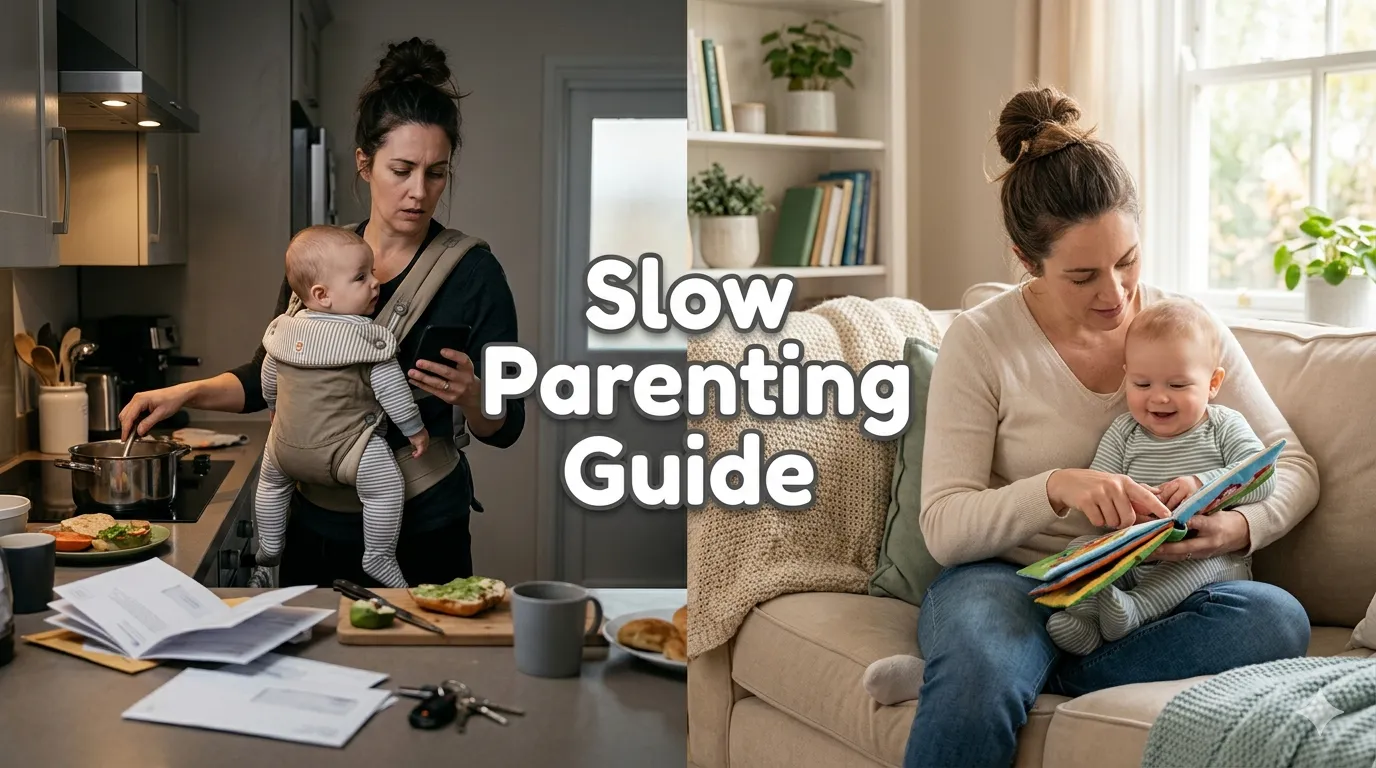
In an era defined by hustle culture, optimized schedules, and the pressure to give children every possible advantage, a counter-movement is quietly gaining momentum: slow parenting. This intentional approach to raising children emphasizes presence over productivity, connection over curriculum, and allowing development to unfold naturally rather than rushing to meet arbitrary milestones. For exhausted parents navigating the overwhelming demands of modern parenthood, slow parenting offers not just a philosophy but a lifeline—a way to reclaim calm while supporting healthy child development.
Slow parenting isn't about doing less; it's about doing what matters with greater intention. It's the conscious choice to resist the pressure to overschedule, overstimulate, and over-manage childhood in favor of creating space for curiosity, connection, and unhurried growth. Rooted in mindfulness principles and developmental science, this approach recognizes that babies and young children thrive not when their days are packed with enrichment activities, but when they experience the security of attentive presence and the freedom to explore at their own pace.
This comprehensive guide explores why slow parenting is trending, what the research says about its benefits for child development and parental well-being, and how to practically implement this approach in your own family. Whether you're feeling overwhelmed by parenting advice, worried about "missing" developmental windows, or simply longing for more peaceful days with your little one, you'll discover evidence-based strategies to embrace a calmer, more intentional parenting journey.
What Is Slow Parenting? Defining the Philosophy
Core Principles
Slow parenting draws inspiration from the broader "slow movement" that began with slow food and has expanded to slow living, slow travel, and now slow parenting. At its heart, it's about quality over quantity, presence over performance, and trust over control.
Key principles include:
1. Presence Over Productivity:
- Valuing attentive, undistracted time with your child over checking items off a parenting to-do list
- Putting down devices to truly engage with your baby's cues and interests
- Recognizing that "doing nothing" together—cuddling, observing, simply being—is deeply valuable
2. Child-Led Exploration:
- Following your child's interests and developmental pace rather than pushing predetermined milestones
- Allowing unstructured play and boredom as catalysts for creativity and problem-solving
- Trusting that children learn best through self-directed discovery
3. Simplification:
- Reducing the number of activities, toys, and commitments to reduce overwhelm for both parent and child
- Choosing quality experiences over quantity of enrichment
- Creating calm, clutter-free environments that support focus and connection
4. Mindful Response:
- Pausing before reacting to challenging behaviors
- Responding to your child's needs with intention rather than automatic patterns
- Modeling emotional regulation through your own calm presence
5. Trust in Natural Development:
- Understanding that development unfolds on individual timelines
- Resisting comparison to other children or rigid milestone charts
- Confidence that children will learn essential skills when they're developmentally ready
What Slow Parenting Is NOT
Important misconceptions to clarify:
- NOT permissive parenting: Slow parenting still involves clear, consistent boundaries—it's about how you enforce them, not whether you have them
- NOT lazy parenting: It requires intentionality and presence, which can be more demanding than autopilot parenting
- NOT anti-education: It values learning but believes children learn best through play, exploration, and relationship, not pressured instruction
- NOT isolationist: Slow parents can be socially connected; it's about choosing meaningful connections over obligatory busyness
- NOT one-size-fits-all: Slow parenting looks different for every family based on temperament, culture, and circumstances
Why Is Slow Parenting Trending Now?
Cultural Backlash to "Hustle Parenting"
For years, parenting culture has emphasized optimization: sleep training by X weeks, introducing solids at exactly 6 months, enrolling in enrichment classes by age 2, and preparing toddlers for preschool admissions. This "hustle parenting" approach, while well-intentioned, has contributed to:
- Parental burnout: The pressure to do everything "right" leaves parents exhausted and anxious
- Child stress: Overscheduled children show increased anxiety and decreased creativity
- Reduced connection: Rushed interactions replace quality time
- Loss of joy: Parenting becomes a performance rather than a relationship
Slow parenting emerges as a corrective—a permission slip to step off the treadmill and reconnect with what truly matters.
Research Supporting Unhurried Development
Growing evidence validates the slow parenting approach:
Brain Development Research:
- Young children's brains develop best through responsive relationships, not pressured instruction (Harvard Center on the Developing Child)
- Unstructured play builds executive function, creativity, and problem-solving skills more effectively than structured lessons in early years
- Chronic stress from overscheduling can impair brain development and emotional regulation
Attachment Science:
- Secure attachment—the foundation of lifelong emotional health—develops through consistent, attuned responsiveness, not perfect parenting
- Slow parenting's emphasis on presence supports the secure attachment that predicts better outcomes across the lifespan
Mental Health Data:
- Rising rates of childhood anxiety correlate with increased academic pressure and reduced free play
- Parental stress directly impacts child stress; calmer parents raise calmer children
The Digital Age Factor
Paradoxically, technology both fuels the need for slow parenting and offers tools to support it:
- The problem: Constant connectivity creates distraction, comparison, and the illusion that we should be doing more
- The opportunity: Mindful use of technology can support connection (video calls with family) and provide resources (evidence-based parenting information)
- The slow parenting response: Intentional tech boundaries that prioritize face-to-face connection
Benefits for Baby Development: What the Science Shows
Cognitive Development
Unstructured Play Builds Executive Function:
- When children direct their own play, they practice planning, problem-solving, and self-regulation
- Research shows that children with more free play time demonstrate stronger executive function skills by age 5
- Slow parenting's emphasis on child-led exploration supports these critical cognitive foundations
Language Development Through Connection:
- Babies learn language best through responsive, back-and-forth interactions ("serve and return")
- Slow parenting's focus on presence creates more opportunities for these crucial exchanges
- Research indicates that the quality of parent-child conversation matters more than the quantity of words heard
Creativity and Innovation:
- Boredom is a catalyst for creativity; children with unstructured time develop stronger imaginative capacities
- Slow parenting protects space for boredom, allowing children to invent games, stories, and solutions
Emotional and Social Development
Secure Attachment:
- Consistent, attuned responsiveness builds secure attachment, which predicts better emotional regulation, social skills, and mental health
- Slow parenting's emphasis on presence supports the consistent responsiveness that builds secure attachment
Emotional Regulation:
- Children learn to regulate emotions by co-regulating with calm, responsive caregivers
- Slow parenting's mindful response model gives children the external regulation they need to develop internal skills
Social Skills:
- Unstructured play with peers (facilitated but not directed by adults) builds negotiation, empathy, and conflict resolution
- Slow parenting creates space for these authentic social learning experiences
Physical Development
Motor Skills Through Exploration:
- Children develop gross and fine motor skills through self-directed movement and manipulation of objects
- Slow parenting's trust in child-led exploration allows babies to practice skills when they're developmentally ready
Body Awareness and Confidence:
- When children direct their physical exploration, they develop better body awareness and confidence
- Slow parenting avoids pushing physical milestones before children are ready, supporting healthy development
Benefits for Parental Well-Being
Reduced Stress and Burnout
Lowering the Pressure:
- Releasing the need to optimize every moment reduces parental anxiety
- Trusting natural development alleviates milestone-watching stress
- Simplifying schedules creates margin for rest and recovery
Research finding: Parents who practice mindful, unhurried parenting report lower stress levels and greater parenting satisfaction (Journal of Family Psychology, 2023).
Deeper Connection and Joy
Presence Enhances Relationship:
- Undistracted time fosters deeper attunement to your child's unique personality and needs
- Slowing down allows you to notice and savor small moments of connection
- Parents report greater joy and meaning when parenting from presence rather than performance
Modeling Healthy Relationships with Time
Long-Term Impact:
- Children learn about time management, priorities, and self-care by observing their parents
- Slow parenting models that rest, connection, and presence are valuable—not lazy
- This modeling shapes children's lifelong relationship with work, rest, and relationships
Practical Strategies: Implementing Slow Parenting in Daily Life
Start with Mindset Shifts
1. Redefine "Good Parenting":
- Challenge the belief that good parents maximize every learning opportunity
- Embrace that good parents provide safety, love, and space to grow
- Remember: "Good enough" parenting is actually optimal for child development
2. Trust Your Child's Timeline:
- Learn typical developmental ranges, not rigid milestones
- Observe your child's unique interests and readiness
- Resist comparing your child to others or to arbitrary timelines
3. Embrace "Good Enough":
- Perfectionism fuels hustle parenting; self-compassion enables slow parenting
- Accept that some days will be messy, rushed, or imperfect
- Focus on overall patterns, not individual moments
Practical Daily Practices
Morning Routine:
- Wake up 15 minutes earlier to avoid rushing
- Start with connection: cuddle, sing, or simply be present before the day begins
- Prepare the night before to reduce morning decisions
- Allow extra time for your child's natural pace (dressing, eating, transitioning)
Play Time:
- Schedule unstructured play blocks with no agenda
- Put away your phone and truly observe your child's play
- Follow your child's lead rather than directing the activity
- Resist the urge to "teach" during play; let exploration be the teacher
Meal Times:
- Eat together without screens when possible
- Allow children to explore food at their own pace
- Focus on connection over consumption
- Model mindful eating by slowing down yourself
Bedtime Routine:
- Create a calm, predictable wind-down sequence
- Allow extra time for stories, cuddles, and conversation
- Use this time for connection, not correction
- End the day with presence, not productivity
Simplifying Your Environment
Toy Rotation:
- Keep only a small selection of toys accessible at once
- Rotate toys every few weeks to maintain novelty without overwhelm
- Choose open-ended toys that support creative play over single-purpose electronic toys
Clutter Reduction:
- Declutter play spaces to reduce overstimulation
- Create calm, organized spaces that support focus
- Involve children in age-appropriate tidying as a mindful practice
Activity Selection:
- Limit structured activities to 1-2 per week for young children
- Choose activities that align with your child's genuine interests
- Protect ample time for unstructured play and family connection
Managing External Pressures
Handling Well-Meaning Advice:
- Prepare gentle responses for unsolicited milestone advice
- Trust your knowledge of your child over generalized advice
- Remember: most developmental concerns are normal variations
Navigating Social Comparison:
- Limit social media exposure that fuels comparison
- Connect with like-minded parents who support your approach
- Remember that social media shows highlights, not reality
Setting Boundaries:
- Learn to say no to activities that don't align with your family values
- Protect family time as non-negotiable
- Communicate your parenting philosophy clearly but kindly
Age-Specific Applications of Slow Parenting
Infancy (0-12 months)
Focus: Responsive Presence
Key practices:
- Respond promptly to cues without anxiety about "spoiling"
- Engage in face-to-face interaction, talking, singing, and observing
- Allow plenty of floor time for self-directed movement exploration
- Resist pushing milestones (rolling, sitting, walking) before baby is ready
- Protect uninterrupted bonding time, especially during feeding
What to avoid:
- Overstimulating with too many toys or activities
- Comparing your baby's development to others
- Rushing through care routines to "get things done"
Toddlerhood (1-3 years)
Focus: Supporting Autonomous Exploration
Key practices:
- Create safe spaces for independent exploration
- Allow ample time for child-directed play without interruption
- Respond to big emotions with calm co-regulation
- Follow your child's interests rather than imposing adult agendas
- Embrace mess and process over perfect products
What to avoid:
- Overscheduling with classes and activities
- Correcting or directing play unnecessarily
- Rushing through transitions; allow time for toddler pace
Preschool Years (3-5 years)
Focus: Nurturing Curiosity and Connection
Key practices:
- Protect large blocks of unstructured play time
- Engage in child-led conversations without rushing to teach
- Support social development through unstructured peer play
- Model mindful responses to frustration and disappointment
- Choose quality experiences over quantity of enrichment
What to avoid:
- Academic pressure before developmental readiness
- Overscheduling that eliminates free play time
- Comparing your child's progress to peers or expectations
Balancing Slow Parenting with Modern Realities
Working Parents: Making Slow Parenting Sustainable
Quality Over Quantity:
- Focus on being fully present during the time you have, rather than guilt about time you don't
- Create small rituals of connection (morning cuddles, bedtime stories) that anchor your relationship
- Communicate with caregivers about your slow parenting values
Practical Strategies:
- Prepare simple, healthy meals in advance to reduce dinner stress
- Establish predictable routines that create rhythm without rigidity
- Protect one "slow" block of time each day, even if just 20 minutes
- Let go of perfection in housekeeping to preserve energy for connection
Managing Technology Mindfully
Intentional Use:
- Designate tech-free zones and times (meals, bedtime, play time)
- Use technology to support connection (video calls with family) rather than replace it
- Model healthy tech habits by putting your own devices away during connection time
Curating Content:
- Choose high-quality, age-appropriate content when screens are used
- Co-view when possible to turn screen time into connection time
- Balance screen time with ample offline, hands-on experiences
Navigating Educational Pressures
Early Education Choices:
- Seek programs that value play-based learning over academic drilling
- Ask about teacher-child ratios and approaches to child-led exploration
- Trust that strong foundational skills (executive function, emotional regulation) matter more than early academics
Advocating for Your Child:
- Communicate your parenting philosophy to teachers and caregivers
- Focus conversations on your child's unique strengths and interests
- Remember: you are the expert on your child
Common Challenges and How to Navigate Them
Challenge: Fear of "Missing" Developmental Windows
The concern: "If I don't enroll my toddler in music class now, will they fall behind?"
The reality:
- Research shows that early academic pressure does not produce long-term advantages
- Foundational skills (executive function, emotional regulation, curiosity) developed through play predict later academic success better than early academics
- Children learn best when they're developmentally ready, not when we decide they should be
Practical response:
- Learn about typical developmental ranges to ease milestone anxiety
- Focus on nurturing curiosity and love of learning rather than specific skills
- Trust that your responsive presence is the most powerful "enrichment" you can offer
Challenge: Social Pressure and Judgment
The concern: "Other parents think I'm not doing enough for my child."
The reality:
- Parenting trends come and go; your child needs your authentic presence, not perfect adherence to any philosophy
- Most parents are doing their best with the information they have
- Comparison is the thief of joy—focus on your family's unique needs
Practical response:
- Prepare gentle, confident responses to unsolicited advice
- Connect with a community of like-minded parents for support
- Remember: you don't need to justify your parenting choices to everyone
Challenge: Balancing Structure and Freedom
The concern: "If I'm too slow, will my child lack necessary structure?"
The reality:
- Slow parenting isn't anti-structure; it's about intentional, flexible structure that serves connection
- Children thrive with predictable rhythms (meals, sleep, connection times) within which they have freedom to explore
- Structure and freedom aren't opposites—they work together when implemented thoughtfully
Practical response:
- Establish predictable daily rhythms (not rigid schedules) that provide security
- Within those rhythms, allow ample space for child-led exploration
- Adjust structure as your child grows and needs change
Research Spotlight: What Studies Tell Us
Key Findings Supporting Slow Parenting
Harvard Center on the Developing Child:
- "Serve and return" interactions—responsive back-and-forth exchanges between caregiver and child—are fundamental to healthy brain development
- Chronic stress from pressure and overscheduling can impair brain architecture
- Stable, responsive relationships are the most important factor in healthy development
American Academy of Pediatrics:
- Play is essential for building healthy brains and developing executive function
- Unstructured play time has declined significantly, with concerning implications for child development
- Parents should prioritize play and connection over academic enrichment in early years
Longitudinal Studies:
- Children with more unstructured play time demonstrate stronger creativity, problem-solving, and social skills by age 10
- Parental stress directly impacts child stress and development; reducing parental stress benefits children
- Secure attachment in early years predicts better mental health, relationships, and achievement across the lifespan
Getting Started: Your First Steps Toward Slow Parenting
Week 1: Observe and Reflect
- Notice your current parenting patterns without judgment
- Identify one area where you feel rushed or pressured
- Ask yourself: "What would feel more peaceful here?"
- Practice one mindful moment of presence with your child each day
Week 2: Simplify One Area
- Choose one area to simplify: toys, schedule, or expectations
- Remove or reduce one source of overwhelm
- Notice how the change affects both you and your child
- Celebrate small shifts toward calm
Week 3: Practice Presence
- Set a daily intention for one fully present interaction
- Put away devices during connection time
- Practice "just being" with your child without an agenda
- Notice what you observe when you slow down
Week 4: Build Your Support
- Share your slow parenting intentions with a supportive partner, friend, or family member
- Find one resource (book, podcast, community) that supports your approach
- Practice self-compassion when old patterns resurface
- Reflect on what's working and adjust as needed
Frequently Asked Questions
Is slow parenting realistic for working parents?
Absolutely. Slow parenting isn't about having more time; it's about using the time you have with greater intention. Even 15 minutes of fully present connection can be more valuable than hours of distracted time. Focus on quality micro-moments of connection throughout your day.
Won't my child fall behind if I don't push milestones?
Research consistently shows that children learn best when they're developmentally ready. Pushing skills before readiness can create frustration and reduce intrinsic motivation. Trust that your responsive presence and provision of rich, playful experiences support optimal development.
How do I handle pressure from family or preschools?
Communicate your parenting philosophy clearly but kindly. Share evidence-based resources if helpful. Remember: you are the expert on your child. Most importantly, stay confident in your choices—children thrive with consistent, loving care regardless of external opinions.
What if my child seems to want more structure or activities?
Follow your child's lead. Slow parenting is responsive, not rigid. If your child shows genuine interest in an activity, support it. The key is ensuring that activities serve your child's interests and well-being, not external pressures or parental anxiety.
Can slow parenting work with multiple children?
Yes, though it may look different. Focus on creating calm rhythms that work for your whole family. Protect one-on-one connection time with each child, even if brief. Remember: slow parenting is about intentionality, not perfection.
Conclusion: Embracing the Journey
Slow parenting isn't a destination or a perfect practice—it's a continuous return to what matters most. In a world that constantly pulls us toward more, faster, and better, choosing to slow down is a radical act of love. It's a commitment to see our children not as projects to optimize but as whole persons to know and cherish.
The beauty of slow parenting is that it benefits everyone. Children thrive with the security of unhurried presence. Parents rediscover joy in the journey rather than fixating on outcomes. Families create rhythms that honor both connection and individual needs.
You don't need to transform everything overnight. Start small: one mindful moment, one simplified space, one boundary that protects connection. Each small choice compounds into a parenting approach that nourishes both your child's development and your own well-being.
Remember: There is no perfect way to parent. There is only your way—imperfect, evolving, and deeply loving. Slow parenting invites you to trust that way, to release the pressure to do it all, and to find peace in the profound privilege of raising a human being.
Your calm presence is the greatest gift you can give. In slowing down, you create space for your child to grow, for your relationship to deepen, and for the joy of parenting to shine through the everyday moments. That is the true trend worth following.
Begin where you are. Trust the process. Embrace the slow.


0 Comments