

Slow Perfumery: Build a Meaningful Fragrance Wardrobe
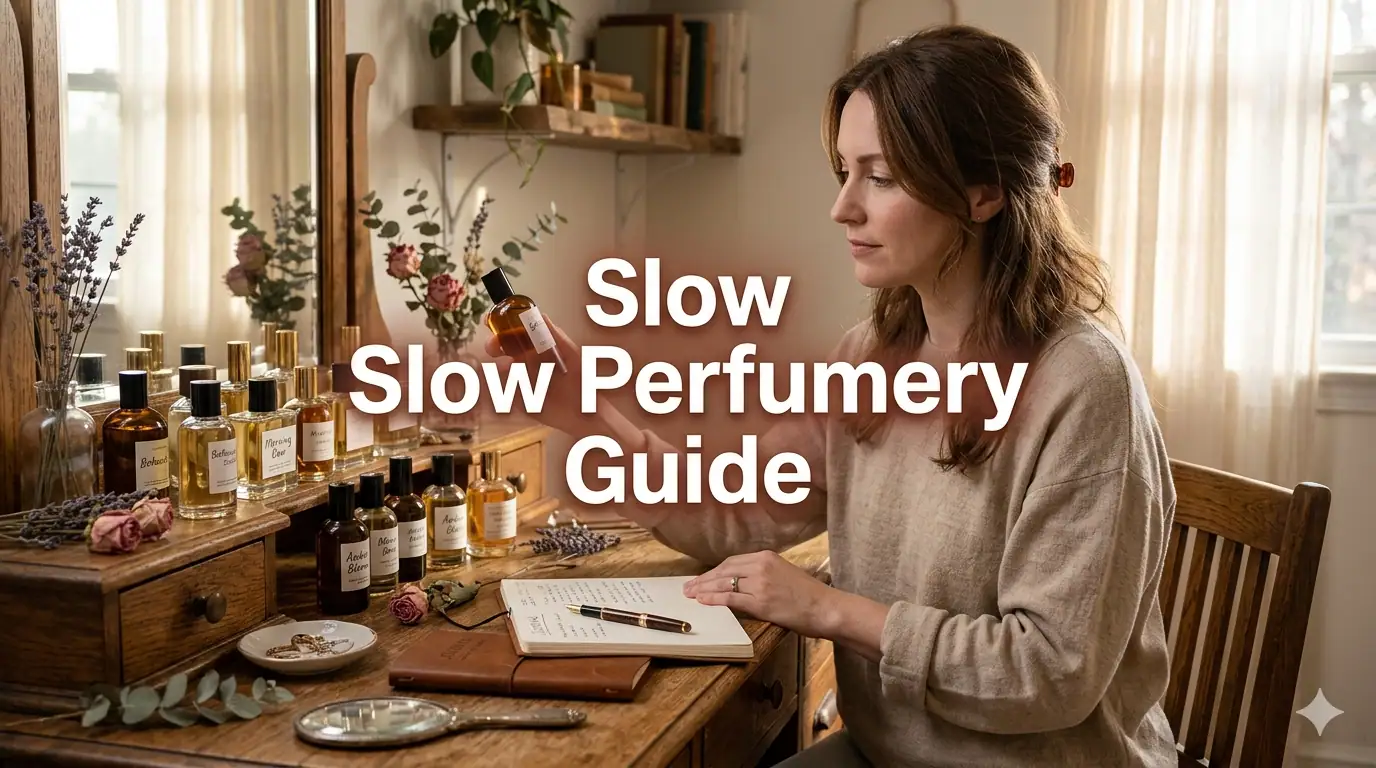
What Is Slow Perfumery—and Why Is It Reshaping How We Wear Scent?
In a world of fast fashion, instant gratification, and endless product launches, a quiet revolution is unfolding in the world of fragrance. It's called slow perfumery, and it's inviting us to rethink everything we thought we knew about perfume.
Slow perfumery isn't about buying more fragrances—it's about buying better. It's not about following trends—it's about discovering scents that truly resonate with your identity, memories, and values. It's a movement toward intentionality, quality, and meaning in how we select, wear, and cherish fragrance.
Just as the slow food movement encouraged us to savor meals made with care and quality ingredients, slow perfumery asks us to approach scent with the same mindfulness. Instead of collecting dozens of perfumes we barely wear, we curate a small, meaningful wardrobe of fragrances that tell our story, evoke our emotions, and enhance our well-being.
This comprehensive guide explores the philosophy of slow perfumery, how to build a fragrance wardrobe that reflects your authentic self, and practical strategies for selecting, wearing, and caring for scents that matter. Whether you're new to fragrance or a seasoned collector feeling overwhelmed by choice, you'll find a fresh, intentional approach to scent that prioritizes depth over breadth.
What you'll learn in this guide:
- The philosophy and principles of slow perfumery
- How to identify scents that truly resonate with you
- Building a curated fragrance wardrobe: quality over quantity
- Understanding fragrance families, notes, and composition
- Seasonal and mood-based scent selection strategies
- Proper storage and care for longevity
- Sustainable and ethical considerations in fragrance
- Budget-friendly approaches to mindful fragrance collecting
The Philosophy of Slow Perfumery: Mindfulness in Every Note
Slow perfumery is more than a trend—it's a mindset. Rooted in the broader slow living movement, it encourages us to slow down, pay attention, and make intentional choices about the scents we invite into our lives.
Core Principles of Slow Perfumery
1. Intentionality Over Impulse: Every fragrance in your wardrobe should be chosen deliberately, not bought on a whim or because of marketing hype. Ask: "Does this scent align with who I am or who I want to become?"
2. Quality Over Quantity: Instead of owning 20 perfumes you rarely wear, invest in 3-5 exceptional fragrances you love deeply. Quality ingredients, skilled craftsmanship, and thoughtful composition matter more than brand recognition.
3. Personal Connection: The best fragrances evoke memories, emotions, or sensations that feel uniquely yours. Slow perfumery prioritizes personal resonance over universal appeal.
4. Sustainability and Ethics: Conscious consumers consider the environmental and social impact of their fragrance choices: ingredient sourcing, production practices, packaging, and brand values.
5. Ritual and Presence: Applying perfume becomes a mindful ritual—a moment to pause, breathe, and set an intention for the day or evening.
Why Slow Perfumery Matters Now
Several cultural shifts have fueled the rise of slow perfumery:
- Information Overload: With thousands of new fragrances launched annually, consumers feel overwhelmed. Slow perfumery offers a filter: choose less, choose well.
- Sustainability Awareness: Growing concern about environmental impact has led people to seek ethically sourced, naturally derived, and responsibly packaged fragrances.
- Personalization Culture: In an age of algorithms and mass production, people crave authenticity. A curated fragrance wardrobe feels deeply personal.
- Mental Health Focus: Scent is powerfully linked to memory and emotion. Mindful fragrance selection can support emotional well-being and self-care practices.
- Artisanal Appreciation: Just as craft coffee and small-batch spirits have gained popularity, niche and artisanal perfumery appeals to those who value craftsmanship and story.
Discovering Your Scent Identity: The Foundation of a Meaningful Wardrobe
Before building a fragrance wardrobe, you need to understand your personal scent identity—the olfactory preferences, emotional associations, and lifestyle factors that shape what fragrances feel right for you.
Step 1: Reflect on Your Scent Memories
Scent is the sense most directly linked to memory. Start by exploring your olfactory history:
- What scents from your childhood do you remember fondly? (Grandmother's perfume, fresh laundry, rain on pavement)
- Which fragrances have you worn during meaningful life moments? (First date, graduation, travel)
- What scents make you feel calm, confident, or joyful?
- Are there any fragrances you actively dislike? Why?
Pro Tip: Keep a scent journal. Note fragrances you encounter, your emotional response, and any memories they evoke. Over time, patterns will emerge.
Step 2: Identify Your Preferred Fragrance Families
Fragrances are broadly categorized into families based on their dominant notes. Understanding these helps you navigate the vast world of perfume:
Floral: Rose, jasmine, lily, peony. Romantic, feminine, classic.
Fresh: Citrus, green, aquatic, herbal. Clean, energizing, versatile.
Woody: Sandalwood, cedar, vetiver, patchouli. Warm, grounding, sophisticated.
Oriental: Vanilla, amber, spices, resins. Sensual, rich, mysterious.
Gourmand: Vanilla, caramel, chocolate, coffee. Sweet, comforting, playful.
Chypre: Bergamot, oakmoss, labdanum. Complex, elegant, timeless.
Most people are drawn to 1-2 families, with occasional exploration outside their comfort zone. Start with what feels familiar, then expand intentionally.
Step 3: Consider Your Lifestyle and Context
Your fragrance wardrobe should serve your life, not complicate it. Ask:
- Work environment: Do you need subtle, professional scents for the office?
- Climate: Light, fresh scents often work better in heat; rich, warm scents shine in cold.
- Daily activities: Active lifestyles may prefer fresh, non-overpowering fragrances.
- Social settings: Do you want a signature scent or different fragrances for different occasions?
Key Insight: Your fragrance wardrobe should be functional. A beautiful scent that doesn't fit your life will sit unused.
Step 4: Test Mindfully
Slow perfumery rejects impulse buying. Instead, adopt a mindful testing approach:
- Test on skin, not paper: Fragrances evolve differently on your skin due to pH and body chemistry.
- Wear for a full day: Top notes fade quickly; heart and base notes reveal the true character. Wait 4-6 hours before deciding.
- Test one at a time: Avoid "nose fatigue" by testing only 1-2 fragrances per day.
- Keep notes: Record your impressions at different stages (top, heart, base) and in different contexts.
Pro Tip: Many niche brands offer discovery sets—small samples of multiple fragrances. This is a cost-effective way to explore before committing to a full bottle.
Building Your Curated Fragrance Wardrobe: Quality Over Quantity
A meaningful fragrance wardrobe isn't about having the most perfumes—it's about having the right perfumes. Here's how to curate a collection that serves you beautifully.
The Ideal Wardrobe Structure
For most people, a well-curated wardrobe includes 3-5 fragrances that cover different needs:
1. Signature Scent (Daily Wear): A versatile, comforting fragrance you reach for most often. Should feel like "you" and work in multiple contexts.
2. Seasonal Specialist: A fragrance that shines in a specific season—light and fresh for summer, warm and spicy for winter.
3. Occasional Elevator: A special-occasion scent for evenings out, celebrations, or moments when you want to feel extra confident.
4. Mood Booster (Optional): A fragrance that shifts your emotional state—calming for stress, energizing for low days.
5. Experimental Wildcard (Optional): A scent that challenges your preferences or explores a new fragrance family.
Remember: Start small. You can always add later. It's easier to curate a small collection than to edit a large one.
Investing in Quality: What to Look For
When choosing fragrances for a slow perfumery wardrobe, prioritize these quality indicators:
Ingredient Transparency: Brands that disclose key ingredients (even if full formulas are proprietary) demonstrate respect for the consumer.
Natural vs. Synthetic Balance: Both have value. Natural ingredients offer complexity and connection to nature; synthetics provide stability, sustainability, and creative possibilities. Look for brands that use both thoughtfully.
Longevity and Sillage: A quality fragrance should last 4-8 hours on skin with moderate projection. Test before buying to ensure performance meets your expectations.
Artisanal Craftsmanship: Niche and independent perfumers often pour more care into composition, sourcing, and small-batch production.
Packaging and Presentation: While secondary to the scent itself, thoughtful packaging reflects brand values and enhances the ritual of use.
Budget-Friendly Approaches to Slow Perfumery
Slow perfumery doesn't require luxury spending. Here's how to build a meaningful wardrobe on any budget:
- Start with samples: Discovery sets and decants let you explore without committing to full bottles.
- Focus on versatility: Choose fragrances that work across seasons and occasions to maximize wear.
- Buy pre-loved: Reputable resale platforms offer gently used or unused fragrances at reduced prices.
- Explore indie brands: Many independent perfumers offer exceptional quality at accessible price points.
- Layer strategically: Combine affordable single-note fragrances (like essential oil-based scents) to create custom blends.
- Wait for sales: Sign up for brand newsletters to catch seasonal promotions on full bottles.
Key Principle: It's better to own one $100 fragrance you wear weekly than ten $50 fragrances you rarely use.
Understanding Fragrance Composition: Notes, Families, and Evolution
To make intentional fragrance choices, it helps to understand how perfumes are constructed and how they evolve on your skin.
The Fragrance Pyramid: Top, Heart, and Base Notes
Every fragrance unfolds in three stages:
Top Notes (0-15 minutes): The first impression—light, volatile molecules like citrus, herbs, or fresh fruits. They grab attention but fade quickly.
Heart/Middle Notes (15 minutes - 4 hours): The core character—floral, spicy, or fruity notes that define the fragrance's personality.
Base Notes (4+ hours): The foundation—rich, long-lasting molecules like woods, musk, amber, or vanilla that provide depth and longevity.
Why it matters: A fragrance you love in the store (top notes) might evolve into something you dislike (base notes). Always test for the full dry-down before purchasing.
Fragrance Concentrations: What the Labels Mean
Not all "perfumes" are created equal. Concentration affects longevity, projection, and price:
- Parfum/Extrait (20-40% fragrance oil): Most concentrated, longest-lasting, most expensive. A little goes a long way.
- Eau de Parfum (15-20%): Balanced performance and price; ideal for daily wear.
- Eau de Toilette (5-15%): Lighter, fresher, more affordable; great for warm weather or office wear.
- Eau de Cologne (2-4%): Very light, refreshing; often used as a body splash.
- Aftershave/Body Splash (1-3%): Minimal fragrance oil; primarily for freshness.
Pro Tip: For slow perfumery, Eau de Parfum often offers the best balance of quality, longevity, and value.
Seasonal and Contextual Scent Selection
Your fragrance wardrobe should adapt to changing needs:
Spring: Fresh florals, green notes, light citrus. Think renewal and brightness.
Summer: Aquatic, citrus, herbal, light woody. Scents that feel cooling and non-overpowering in heat.
Autumn: Warm spices, amber, dried fruits, woody notes. Scents that complement cozy layers.
Winter: Rich orientals, deep woods, vanilla, incense. Fragrances that provide warmth and comfort.
Context Matters Too:
- Office: Subtle, clean, non-distracting scents
- Evening: Richer, more sensual fragrances
- Travel: Versatile scents that work in multiple settings
- Self-care days: Comforting, nostalgic, or mood-enhancing scents
The Art of Fragrance Layering: Creating Your Signature Scent
One of the most rewarding aspects of slow perfumery is the opportunity to personalize your scent experience through layering—combining fragrances to create something uniquely yours.
Layering Basics: Rules and Guidelines
Layering isn't random mixing. Follow these principles for harmonious results:
- Start simple: Layer 2 fragrances max when beginning. Add complexity as you gain experience.
- Consider concentration: Apply heavier concentrations (parfum) first, lighter ones (EDT) on top.
- Match intensity: Pair fragrances with similar projection levels to avoid one overpowering the other.
- Complement, don't clash: Layer scents from the same family or with shared notes (e.g., vanilla + sandalwood, citrus + herbal).
- Test on skin first: Always try combinations on your wrist before committing to a full application.
Popular Layering Combinations
Fresh + Woody: Citrus top notes with sandalwood base create a bright yet grounded scent.
Floral + Gourmand: Rose or jasmine layered with vanilla or caramel adds sweetness without being cloying.
Spicy + Fresh: Cardamom or pepper with bergamot creates an intriguing, energizing blend.
Woody + Oriental: Cedar or vetiver with amber or incense creates depth and warmth.
Single-Note Layering: Layer a simple vanilla or musk scent under any fragrance to add warmth and longevity.
Creating a Personal Signature Through Layering
Your signature scent doesn't have to be a single bottle. It can be a custom blend you create through layering:
- Choose a base fragrance that feels foundational to your identity
- Select a complementary scent that adds a personal touch (a favorite note, a memory-evoking element)
- Experiment with application order and ratio (more base, less accent, or vice versa)
- Document your successful combinations in your scent journal
- Refine over time as your preferences evolve
Pro Tip: Keep your layering combinations simple and consistent. A signature scent should feel effortless, not like a chemistry experiment.
Storage and Care: Preserving Your Fragrance Investment
Quality fragrances are an investment. Proper storage ensures they remain beautiful and perform as intended for years.
Optimal Storage Conditions
Fragrance is sensitive to light, heat, and air. Protect your collection with these practices:
- Avoid direct sunlight: UV rays break down fragrance molecules, altering scent and reducing longevity. Store bottles in a dark cabinet or drawer.
- Control temperature: Ideal storage is 55-65°F (13-18°C). Avoid bathrooms (humidity fluctuations) and windowsills (temperature swings).
- Minimize air exposure: Keep caps tightly sealed. Oxygen accelerates oxidation, which can turn fragrances sour or flat.
- Store upright: Prevents leakage and minimizes air contact with the liquid.
Pro Tip: If you live in a hot climate, consider storing fragrances in a dedicated mini-fridge (not the kitchen fridge, which has food odors).
Maximizing Longevity on Skin
How you apply fragrance affects how long it lasts:
- Moisturize first: Apply unscented lotion or oil to pulse points before fragrance. Hydrated skin holds scent longer.
- Target pulse points: Wrists, neck, behind ears, inner elbows. These warm areas help diffuse fragrance throughout the day.
- Don't rub: Rubbing wrists together breaks down top notes and alters the scent evolution.
- Layer with matching products: If available, use the fragrance's body lotion or shower gel to build a scent foundation.
- Spray on clothes (cautiously): Fabric holds scent longer than skin, but test first—some fragrances stain.
When to Retire a Fragrance
Even with perfect storage, fragrances have a lifespan. Signs it's time to let go:
- The scent has changed noticeably (sour, flat, or "off")
- The color has darkened significantly
- Longevity has decreased dramatically
- You no longer feel a connection to the scent
Note: Most fragrances last 3-5 years unopened, 1-3 years after opening. Natural ingredients may have shorter lifespans than synthetics.
Sustainability and Ethics in Slow Perfumery
Mindful fragrance selection extends beyond personal preference to consider environmental and social impact.
Key Sustainability Considerations
Ingredient Sourcing:
- Look for brands that use ethically sourced natural ingredients (fair trade, sustainable harvesting)
- Support brands that invest in regenerative agriculture for botanical ingredients
- Be aware of endangered botanicals (like certain sandalwoods) and choose alternatives
Production Practices:
- Small-batch production often means less waste and more attention to quality
- Carbon-neutral or low-impact manufacturing is a plus
- Transparency about supply chains builds trust
Packaging:
- Recyclable or refillable packaging reduces waste
- Minimalist design often means less environmental impact
- Avoid excessive plastic or non-recyclable materials
Animal Welfare:
- Choose cruelty-free brands (no animal testing)
- Be aware of animal-derived ingredients (musk, ambergris) and choose synthetic or plant-based alternatives
Brands Leading in Sustainable Perfumery
Several brands exemplify slow perfumery values:
- Le Labo: Freshly blended in-store, refillable bottles, transparent sourcing
- Byredo: Minimalist packaging, ethical ingredient partnerships
- Hermetica: Alcohol-free, sustainable ingredients, refillable system
- Skylar: Clean, hypoallergenic, sustainable packaging
- Indie artisans: Many small perfumers prioritize sustainability by default due to scale and values
Pro Tip: Research brands' sustainability claims. Look for specific commitments (e.g., "100% recyclable packaging by 2025") rather than vague "eco-friendly" language.
Common Mistakes in Fragrance Wardrobe Building
Even with the best intentions, it's easy to stumble. Avoid these common pitfalls:
Mistake 1: Buying Based on Marketing, Not Experience
The problem: Beautiful bottles, celebrity endorsements, or trending notes don't guarantee you'll love the scent.
The fix: Always test on your skin before buying. Let the fragrance evolve through all three notes.
Mistake 2: Over-Collecting Without Wearing
The problem: A large collection of rarely worn fragrances is wasteful and overwhelming.
The fix: Adopt a "one in, one out" rule. Before buying a new fragrance, commit to finishing or gifting one you no longer wear.
Mistake 3: Ignoring Skin Chemistry
The problem: A fragrance that smells amazing on a tester strip or friend might smell completely different on you.
The fix: Test exclusively on your skin. Wear it for a full day before deciding.
Mistake 4: Chasing Trends Over Personal Preference
The problem: Buying fragrances because they're popular, not because they resonate with you.
The fix: Trust your nose. Your fragrance wardrobe should reflect your identity, not Instagram trends.
Mistake 5: Neglecting Proper Storage
The problem: Storing fragrances in sunlight or heat degrades quality and wastes money.
The fix: Invest in proper storage from the start. Your fragrances will last longer and perform better.
Frequently Asked Questions
How many fragrances should I own for a meaningful wardrobe?
There's no magic number, but most people find 3-5 well-chosen fragrances sufficient to cover daily wear, seasonal needs, and special occasions. Start with 1-2 and expand intentionally as you discover what you truly love.
Is slow perfumery only for niche or expensive fragrances?
No. Slow perfumery is a mindset, not a price point. You can practice intentional fragrance selection at any budget by focusing on quality, personal resonance, and mindful consumption—whether you're buying $30 drugstore scents or $300 artisanal perfumes.
How do I know if a fragrance is "me"?
A fragrance that feels like "you" will: evoke positive emotions or memories, feel comfortable rather than overwhelming, receive compliments that feel authentic (not just polite), and make you feel more confident or aligned with your identity.
Can I wear the same fragrance year-round?
Absolutely. If you find a signature scent you love in all seasons, wear it proudly. However, many people enjoy having lighter options for summer and richer ones for winter to complement changing moods and environments.
How do I travel with my fragrance wardrobe?
Use travel-sized decants or refillable atomizers. Many brands sell mini versions of their fragrances. Pack only what you'll actually wear on the trip—no need to bring your entire collection.
What if my preferences change over time?
Your fragrance wardrobe should evolve with you. It's perfectly normal for your scent preferences to shift with life stages, seasons, or personal growth. Slow perfumery encourages this evolution—curate intentionally, but allow room for change.
Conclusion: Your Scent, Your Story
Slow perfumery isn't about perfection—it's about presence. It's an invitation to slow down, pay attention, and choose fragrances that truly matter to you. In a world of endless options and fleeting trends, this mindful approach offers clarity, joy, and a deeper connection to one of our most primal senses.
Building a meaningful fragrance wardrobe doesn't require expertise, wealth, or a vast collection. It requires curiosity, intention, and the willingness to listen to your own nose and heart. Start small. Test mindfully. Choose deliberately. Wear joyfully.
Your signature scent isn't just a fragrance—it's an extension of your identity, a memory trigger, a mood enhancer, a quiet confidence booster. When chosen with care, it becomes a cherished companion through life's chapters.
So take a breath. Trust your instincts. And let your fragrance journey unfold at its own beautiful, unhurried pace.
Your scent. Your story. Your slow, intentional journey.


0 Comments