

Smart Bassinets with Automated Motion-Sensing: Complete Guide
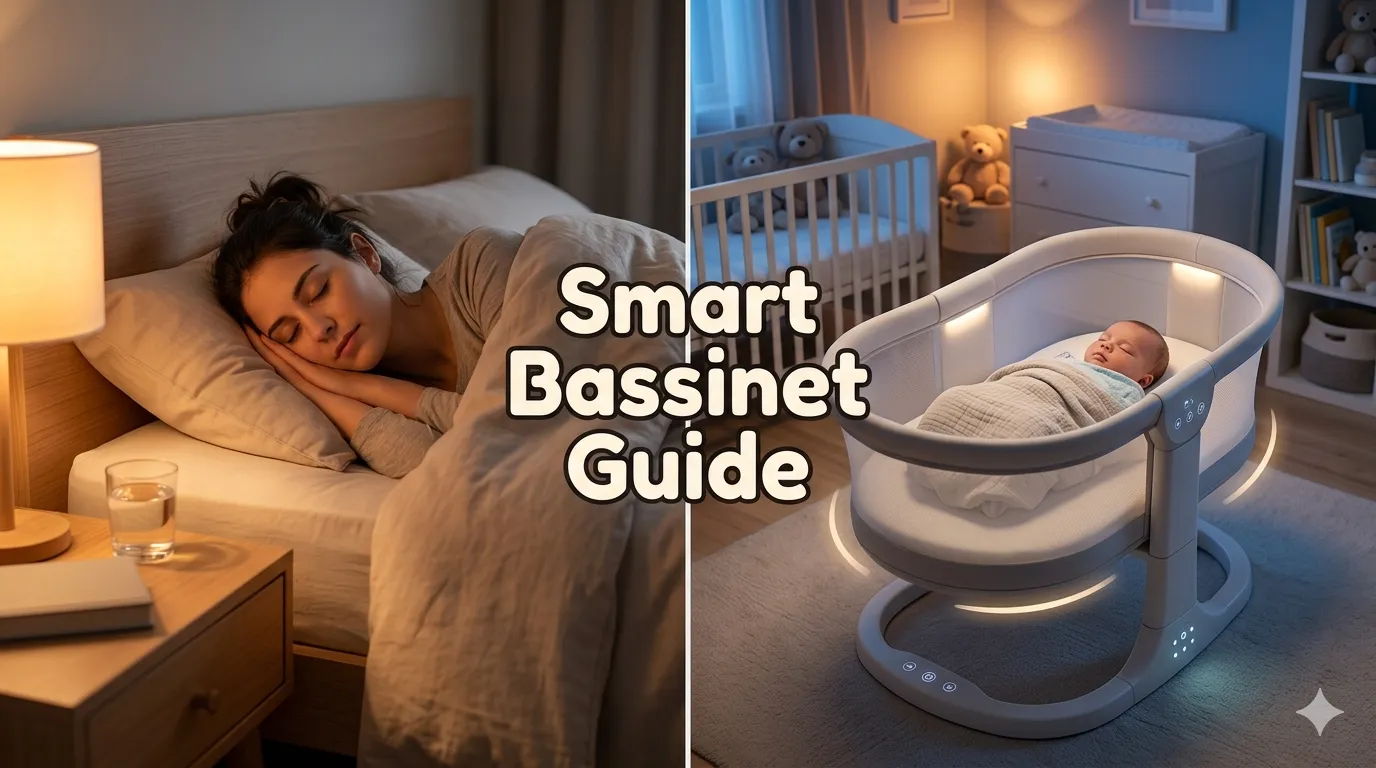
The Ultimate Guide to Automated Sleep Solutions for Your Baby
Every new parent knows the exhausting reality of infant sleep—or rather, the lack of it. Between frequent feedings, diaper changes, and the constant need for soothing, those first months can feel like a sleep-deprived blur. Enter smart bassinets with automated motion-sensing technology: innovative sleep solutions designed to detect your baby's movements and automatically respond with gentle rocking, soothing sounds, or white noise to help them (and you) get more rest.
These high-tech bassinets promise to revolutionize infant sleep by combining traditional soothing techniques with cutting-edge sensors, app connectivity, and automated responses. But with prices ranging from $300 to over $1,500, parents naturally wonder: Are smart bassinets worth the investment? Do they actually work? And most importantly, are they safe?
This comprehensive guide examines the best smart bassinets with automated motion-sensing technology available in 2026. You'll discover how these devices work, what features truly matter, safety considerations, real parent experiences, and whether a smart bassinet is the right choice for your family. Whether you're a tech-savvy parent seeking every advantage or simply desperate for more sleep, this evidence-based review will help you make an informed decision.
Understanding Smart Bassinets: Technology Meets Traditional Soothing
What Is a Smart Bassinet?
A smart bassinet is an elevated sleep space for infants (typically 0-6 months) that incorporates technology to monitor and respond to your baby's needs. Unlike traditional bassinets, smart versions feature:
Core Technologies:
- Motion sensors: Detect baby's movements, restlessness, or crying
- Automated rocking: Motorized side-to-side or up-and-down motion that activates automatically
- Sound technology: White noise, lullabies, or heartbeat sounds that play automatically or on schedule
- Smart connectivity: WiFi or Bluetooth connection to smartphone apps for monitoring and control
- Environmental sensors: Monitor room temperature, humidity, and sometimes air quality
How Motion-Sensing Technology Works
Sensor Types:
1. Accelerometers:
- Detect subtle movements and vibrations
- Trigger automatic rocking when baby stirs
- Can distinguish between normal sleep movements and distress
2. Sound Sensors:
- Pick up crying, fussing, or restlessness
- Activate soothing responses automatically
- Some adjust volume/speed based on cry intensity
3. Pressure Sensors:
- Detect baby's presence and movement patterns
- Can track sleep cycles and breathing patterns
- Some models alert parents to unusual patterns
4. Camera-Based Monitoring:
- HD cameras with night vision
- AI-powered movement detection
- Two-way audio for parent communication
The Science Behind Automated Soothing
Why Motion Helps Babies Sleep:
- Womb simulation: Rhythmic motion mimics the sensation babies experienced in utero
- Vestibular stimulation: Gentle rocking activates the vestibular system, promoting calmness
- Startle reflex reduction: Motion can prevent the Moro reflex from waking baby
- Self-soothing development: Automated soothing helps babies learn to fall back asleep independently
Research findings: Studies show that rhythmic motion can:
- Reduce crying time by 30-50%
- Help babies fall asleep 20-40% faster
- Increase total sleep time by 30-60 minutes per night
- Reduce parental stress and fatigue
Key Features to Evaluate in Smart Bassinets
Essential Safety Features
1. Breathable Mesh Sides:
- Prevents suffocation risk
- Allows visibility and airflow
- Must meet ASTM safety standards
2. Firm, Flat Sleep Surface:
- Reduces SIDS risk
- No incline greater than 10 degrees
- Firm mattress that doesn't conform to baby's head
3. Stable Base:
- Prevents tipping
- Wide, sturdy construction
- Locking mechanisms for rocking feature
4. Weight and Age Limits:
- Clear maximum weight (typically 15-20 lbs)
- Age recommendations (usually 0-5 or 6 months)
- Clear indicators for when to transition to crib
Automation and Smart Features
1. Motion Detection Sensitivity:
- Adjustable sensitivity levels
- Ability to distinguish between sleep movements and waking
- Delay timers to prevent over-response
2. Rocking Mechanisms:
- Side-to-side: Most common; mimics parent rocking
- Up-and-down: Gentle bounce motion
- Combination: Multiple motion patterns
- Speed control: Adjustable intensity levels
- Duration settings: Auto-shutoff after baby settles
3. Sound Features:
- White noise options (multiple sound types)
- Lullabies and nature sounds
- Volume control
- Auto-activation based on cry detection
- Timer functions
4. App Connectivity:
- Remote monitoring from smartphone
- Sleep tracking and analytics
- Customizable settings and schedules
- Notifications and alerts
- Integration with other smart home devices
Convenience Features
1. Height Adjustment:
- Multiple height settings
- Easy one-hand adjustment
- Compatibility with different bed heights
2. Portability:
- Lightweight design
- Folding mechanism
- Wheels or carrying handles
3. Storage:
- Built-in storage compartments
- Space for diapers, wipes, and essentials
4. Ease of Cleaning:
- Removable, machine-washable fabrics
- Wipeable surfaces
- Waterproof mattress cover
Top Smart Bassinets with Automated Motion-Sensing: Detailed Reviews
1. SNOO Smart Sleeper Bassinet
Price Range: $1,195 (purchase) or $159/month (rental)
Overview: The SNOO is arguably the most well-known smart bassinet, designed by Dr. Harvey Karp (creator of the "5 S's" soothing method). It's often called the "robot nanny" for its advanced automation capabilities.
Key Features:
- Automated rocking: Responds to fussing with increasing levels of white noise and motion
- Cry detection: Advanced sensors detect early signs of waking
- App connectivity: Tracks sleep patterns and provides insights
- Weaning mode: Gradually reduces motion to prepare for crib transition
- Sound library: Multiple white noise options at varying volumes
Pros:
- Highly effective at soothing (parents report 1-2 extra hours of sleep)
- Excellent build quality and safety features
- Comprehensive app with detailed sleep tracking
- Rental option makes it more accessible
- Weaning feature eases transition to crib
Cons:
- Very expensive (highest price point)
- Bulky and heavy (difficult to move between rooms)
- Requires swaddling (not suitable for babies who hate swaddles)
- Some babies don't respond to the motion
- Subscription required for full app features after trial
Best For: Parents who want the most advanced automation and are willing to invest in premium technology; families dealing with severe sleep challenges.
Safety Certifications: GREENGUARD Gold Certified, meets all ASTM and CPSC standards
2. 4moms mamaRoo Sleep Bassinet
Price Range: $349-$399
Overview: From the makers of the popular mamaRoo swing, this bassinet brings similar motion technology to the sleep space. It's known for its unique multi-directional movements.
Key Features:
- 5 unique motions: Car ride, kangaroo, tree swing, rock-a-bye, and wave
- 5 speed settings: Customizable intensity
- Built-in sounds: White noise and nature sounds
- App control: Bluetooth connectivity for remote operation
- Adjustable height: 4 height positions
Pros:
- More affordable than SNOO
- Multiple motion options to find what baby prefers
- Sleek, modern design
- Good app functionality
- Easier to move than SNOO
Cons:
- Not as automated as SNOO (requires manual activation or app control)
- No cry detection for automatic response
- Smaller sleep surface
- App requires Bluetooth (not WiFi)
- Limited to 15 lb weight limit
Best For: Parents who want motion features at a more moderate price point; those who prefer manual control over full automation.
Safety Certifications: JPMA Certified, meets ASTM standards
3. Baby Björn Smart Crib
Price Range: $699-$799
Overview: Baby Björn's entry into the smart bassinet market combines Scandinavian design with intelligent features. It's known for its minimalist aesthetic and responsive technology.
Key Features:
- Adaptive rocking: Learns baby's sleep patterns and adjusts accordingly
- Cry detection: Automatically responds to fussing
- App integration: Sleep tracking and remote control
- Height adjustment: 7 height positions
- Portable design: Easy to move between rooms
Pros:
- Beautiful, minimalist design
- Smart learning technology
- High-quality construction
- Good height range
- Responsive customer service
Cons:
- Premium pricing
- Limited availability in some regions
- App can be glitchy
- Smaller brand recognition than competitors
- Replacement parts can be expensive
Best For: Design-conscious parents who value aesthetics alongside functionality; those who appreciate Scandinavian design principles.
4. Halo BassiNest Swivel Sleeper Premiere
Price Range: $299-$349
Overview: While not fully "smart" in the automated sense, the Halo BassiNest offers excellent convenience features and is often considered alongside smart bassinets for its innovative design.
Key Features:
- 360-degree swivel: Easy access from any angle
- Lowering wall: One-hand operation for easy baby access
- Adjustable height: Fits most bed heights
- Vibration feature: Gentle soothing vibration
- Nightlight and music: Built-in soothing features
Pros:
- Most affordable option
- Excellent for breastfeeding mothers
- Easy to move and position
- Simple, reliable design
- Good storage space
Cons:
- No automated motion sensing
- No app connectivity
- Basic features compared to smart bassinets
- Vibration is manual, not automatic
- No sleep tracking
Best For: Budget-conscious parents who want convenience features without high-tech automation; breastfeeding mothers who need easy nighttime access.
5. Chicco LullaGo Anywhere LE Smart Bassinet
Price Range: $249-$299
Overview: Chicco's portable smart bassinet offers basic smart features in a travel-friendly package, making it ideal for families on the go.
Key Features:
- Portable design: Folds for travel
- Basic motion sensing: Responds to movement
- Built-in sounds: White noise and lullabies
- Lightweight: Easy to move between rooms
- Affordable: Entry-level smart features
Pros:
- Budget-friendly
- Highly portable
- Easy setup
- Good for travel
- Trusted brand name
Cons:
- Basic features compared to premium models
- Limited automation
- Smaller sleep surface
- Less sophisticated sensors
- Shorter battery life
Best For: Parents who want basic smart features on a budget; families who travel frequently; grandparents' house bassinet.
Comparison Chart: Quick Reference
| Model | Price | Auto Motion | Cry Detection | App Control | Weight Limit | Best Feature |
|---|---|---|---|---|---|---|
| SNOO Smart Sleeper | $1,195 | ✓ Advanced | ✓ Yes | ✓ WiFi | 25 lbs | Full automation |
| 4moms mamaRoo | $349 | ✓ 5 motions | ✗ No | ✓ Bluetooth | 15 lbs | Variety of motions |
| Baby Björn Smart Crib | $699 | ✓ Adaptive | ✓ Yes | ✓ WiFi | 20 lbs | Design + learning |
| Halo BassiNest | $299 | ✗ Manual | ✗ No | ✗ No | 20 lbs | Swivel + lowering wall |
| Chicco LullaGo | $249 | ✓ Basic | △ Limited | ✗ No | 15 lbs | Portability |
Safety Considerations: What Every Parent Must Know
Certification and Standards
Look for these certifications:
- JPMA (Juvenile Products Manufacturers Association): Indicates product meets safety standards
- ASTM F2194: Specific standard for bassinets and cradles
- CPSC (Consumer Product Safety Commission): Federal safety compliance
- GREENGUARD Gold: Low chemical emissions
SIDS Prevention Guidelines
The American Academy of Pediatrics (AAP) recommends:
- Firm, flat surface: No incline greater than 10 degrees
- Back sleeping only: Always place baby on back
- No soft bedding: No pillows, blankets, bumpers, or toys in sleep space
- Room-sharing: Keep bassinet in parents' room for first 6-12 months
- Avoid overheating: Dress baby appropriately; keep room 68-72°F
Important note: Some smart bassinets offer inclined positions or added features. Always follow AAP guidelines and consult your pediatrician about any concerns.
Electrical Safety
- Cord management: Keep all cords out of baby's reach
- Battery backup: Ensure bassinet has battery option in case of power outage
- Overheating prevention: Motors should have auto-shutoff features
- Regular inspection: Check cords, plugs, and moving parts regularly
Weight and Age Limits
Never exceed manufacturer limits:
- Most bassinets: 15-20 lbs maximum
- Age limit: Typically 5-6 months or when baby can roll/push up
- Transition to crib immediately when limits are reached
Real Parent Experiences: Pros and Cons from Actual Users
What Parents Love
Improved Sleep Quality:
"The SNOO gave us an extra 2 hours of sleep per night. Worth every penny for our sanity." - Sarah M., mother of 2
Peace of Mind:
"The app notifications let me know when baby is stirring before she fully wakes up. I can soothe her before it becomes a full meltdown." - Jennifer K., first-time mom
Ease of Use:
"The automatic rocking is a lifesaver. I can put baby down drowsy but awake, and the bassinet does the rest." - Michael T., father of twins
Common Complaints
Price Concerns:
"It's expensive, and baby outgrew it in 4 months. Hard to justify the cost for such short use." - Amanda R.
Technology Issues:
"The app crashes frequently, and sometimes the motion sensor is too sensitive, rocking baby when she's just shifting in sleep." - David L.
Transition Challenges:
"Baby became so dependent on the motion that transitioning to the crib was incredibly difficult." - Lisa H.
Cost-Benefit Analysis: Is It Worth the Investment?
Financial Considerations
Purchase vs. Rental:
Purchase:
- Higher upfront cost
- Can be resold (typically 40-60% of retail)
- Available for future children
- No monthly fees
Rental (SNOO offers this):
- Lower initial investment ($159/month)
- Typical rental period: 4-6 months = $636-$954
- No resale hassle
- Try before you buy
- Includes cleaning and maintenance
Value Proposition
Calculate potential value:
- Sleep gained: If bassinet provides 1-2 extra hours of sleep per night for 4 months = 120-240 hours
- Parental productivity: Better-rested parents are more productive and healthier
- Mental health: Reduced risk of postpartum depression and anxiety
- Relationship benefits: Less sleep deprivation strain on partnership
When it's worth it:
- You have a baby with significant sleep challenges
- You can afford the investment without financial stress
- You value convenience and technology
- You plan to have multiple children
When to skip it:
- Budget is tight (there are effective low-tech solutions)
- Your baby is already a good sleeper
- You prefer minimal technology in baby's sleep space
- You're uncomfortable with automated motion
Setup and Usage: Maximizing Your Smart Bassinet
Initial Setup Tips
- Read the manual thoroughly: Don't skip this step—safety depends on proper setup
- Test all features: Before baby arrives, test motion, sound, and app connectivity
- Position strategically: Place within arm's reach of your bed but away from cords and hazards
- Update firmware: Ensure app and bassinet have latest software updates
- Calibrate sensors: Follow manufacturer instructions for sensor calibration
Optimizing Motion Settings
Start gentle:
- Begin with lowest motion setting
- Gradually increase only if needed
- Avoid over-reliance on high-speed motion
Timing matters:
- Activate motion when baby is drowsy, not fully asleep
- Use timer function to prevent all-night rocking
- Gradually reduce motion as baby gets older
App Management
- Set notifications: Customize alerts to avoid notification fatigue
- Review sleep data: Check weekly trends, not daily fluctuations
- Privacy settings: Review data sharing policies
- Battery backup: Ensure app works offline if WiFi drops
Transitioning from Smart Bassinet to Crib
When to Transition
Signs it's time:
- Baby reaches weight limit (usually 15-20 lbs)
- Baby can roll over independently
- Baby can push up on hands and knees
- Baby is 5-6 months old (AAP recommendation)
- Baby seems cramped or uncomfortable
Making the Transition Easier
Gradual weaning (for motion-dependent babies):
- Reduce motion speed gradually over 1-2 weeks
- Shorten duration of automatic motion
- Move bassinet next to crib for familiarity
- Use same white noise in crib
- Maintain consistent bedtime routine
Crib setup tips:
- Use same sheets/bedding if possible
- Place crib in same room initially
- Consider a crib with slight vibration feature
- Be patient—transition can take 2-4 weeks
Frequently Asked Questions
Are smart bassinets safe for overnight sleep?
Yes, when used according to manufacturer instructions and safety guidelines. Look for JPMA certification and ASTM compliance. Always follow safe sleep practices: back sleeping, firm flat surface, no loose bedding, and room-sharing.
Do babies become dependent on the motion?
Some babies may develop a preference for motion, which can make crib transition challenging. To prevent dependency: use motion sparingly, gradually reduce intensity over time, and start weaning motion by 3-4 months. Most babies transition successfully with gradual weaning.
Can I use a smart bassinet for twins?
No. Bassinets are designed for single babies only. Twins need separate sleep spaces for safety. Consider purchasing two bassinets or using a larger crib from the start (with proper dividers if needed).
How long can I use a smart bassinet?
Typically 0-5 or 6 months, or until baby reaches the weight limit (usually 15-20 lbs) or can roll/push up. Always follow your specific model's guidelines and transition to a crib when baby outgrows the bassinet.
Do I need special sheets or accessories?
Use only manufacturer-approved sheets and accessories. Generic sheets may not fit properly and can create safety hazards. Most smart bassinets come with sheets, and replacements are available from the manufacturer.
What if the power goes out?
Most smart bassinets have battery backup for essential features. However, automated motion and app connectivity may not work. The bassinet remains safe for sleep—just without smart features. Keep batteries charged and have a backup plan.
Conclusion: Making the Right Choice for Your Family
Smart bassinets with automated motion-sensing technology represent an exciting intersection of parenting tradition and modern innovation. For many families, they deliver on the promise of better sleep, reduced stress, and peace of mind. However, they're not a magic solution, and they're not necessary for every family.
Consider a smart bassinet if:
- You have the budget for it without financial stress
- You value convenience and technology
- Your baby has significant sleep challenges
- You want detailed sleep tracking and insights
- You're comfortable with automated soothing
Stick with traditional options if:
- Budget is a primary concern
- You prefer minimal technology in baby's sleep space
- Your baby is already a good sleeper
- You're uncomfortable with automated motion
- You want to encourage self-soothing from the start
Remember: No bassinet—smart or traditional—can replace responsive parenting, safe sleep practices, or the importance of establishing healthy sleep habits. The best bassinet is the one that fits your family's needs, budget, and values while keeping your baby safe.
Whether you choose a high-tech smart bassinet or a simple traditional model, the most important factors remain constant: a safe sleep environment, consistent routines, and lots of love. Smart technology can support your parenting journey, but it's your intuition and care that truly matter most.
Sweet dreams to you and your little one!


0 Comments