

Start Exotic Pet Insurance Brokerage for 2026 Success
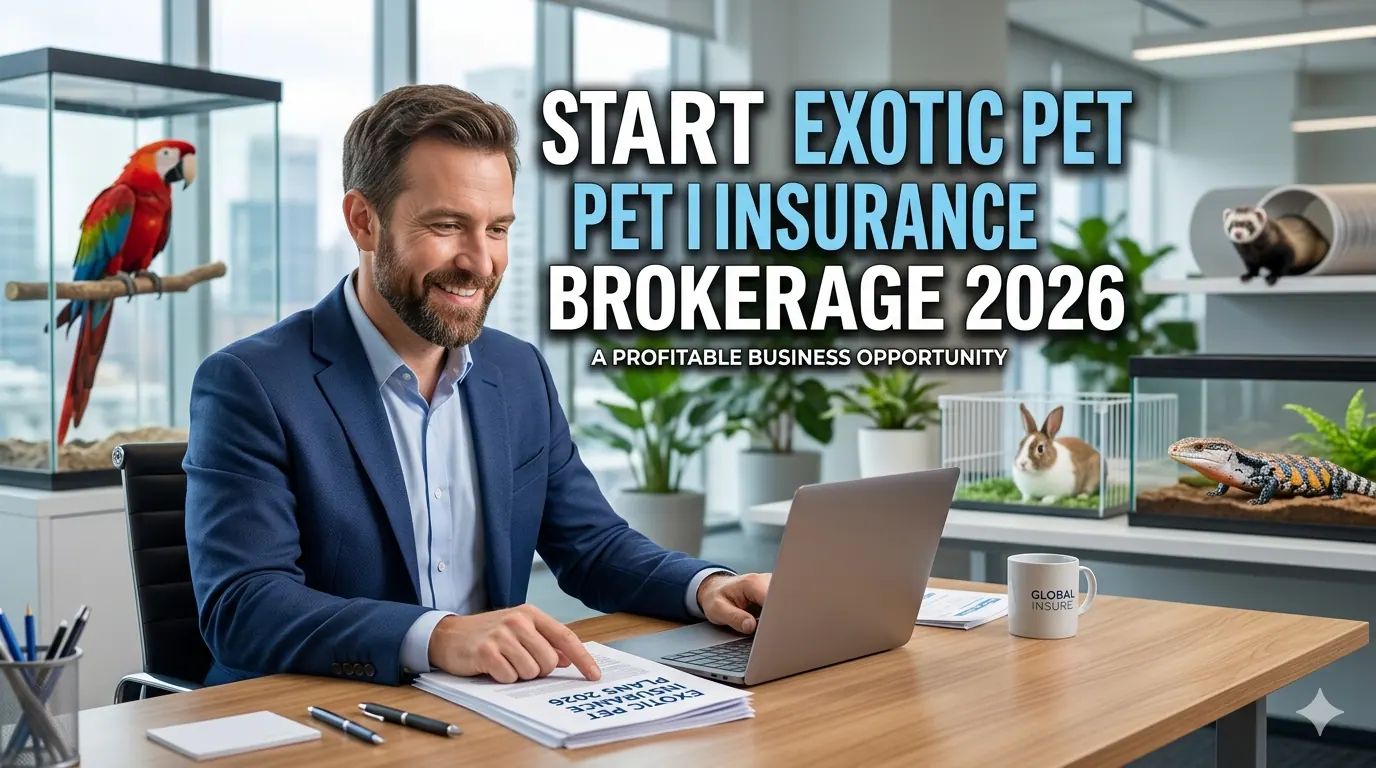
Introduction to Exotic Pet Insurance Brokerage Opportunities
The pet insurance industry is experiencing remarkable growth, yet a significant gap remains in the market for exotic animal coverage. While traditional dog and cat insurance has become increasingly mainstream, owners of exotic pets including birds, reptiles, small mammals, and unusual companions struggle to find adequate insurance options. This market inefficiency presents a lucrative opportunity for entrepreneurs ready to establish a specialized exotic pet insurance brokerage in 2026.
The global pet insurance market was valued at approximately $4.1 billion in 2023 and is projected to reach $10.5 billion by 2030, growing at a compound annual growth rate of 14.3 percent. Within this expanding market, exotic pet ownership has surged dramatically, with an estimated 20 million American households now owning exotic pets. Despite this substantial ownership base, less than 5 percent of exotic pets carry insurance coverage compared to approximately 3 percent of dogs and cats, indicating tremendous untapped potential.
Starting a niche insurance brokerage focused on exotic animals offers several distinct advantages over general pet insurance ventures. The specialized nature of the business creates higher barriers to entry for competitors, allows for premium pricing due to limited alternatives, and enables you to build deep expertise that generalist brokers cannot match. Additionally, exotic pet owners tend to be highly educated, affluent, and deeply committed to their animals, making them ideal insurance customers who value specialized service and comprehensive coverage.
Understanding the Exotic Pet Insurance Market
Current Market Landscape and Opportunities
The exotic pet insurance market remains significantly underserved compared to traditional companion animal coverage. Major pet insurance providers like Nationwide, Petplan, and Trupanion offer limited exotic animal policies, typically covering only birds, rabbits, and ferrets while excluding reptiles, amphibians, and more unusual species. This creates a substantial coverage gap for owners of bearded dragons, ball pythons, sugar gliders, hedgehogs, pot-bellied pigs, and countless other exotic companions.
Exotic pet veterinary care presents unique challenges that make insurance particularly valuable. Specialized exotic veterinarians charge premium rates due to their specialized training and limited availability. Emergency care for exotic animals often requires after-hours services at significantly higher costs. Diagnostic procedures, surgeries, and treatments for exotic species can easily exceed several thousand dollars, creating financial hardship for pet owners without insurance coverage.
The average cost of exotic pet veterinary care ranges from $100 to $300 for routine examinations, while emergency visits can cost $500 to $2,000 or more. Complex surgeries or chronic condition management may exceed $5,000 to $15,000. These substantial costs, combined with the growing ownership of exotic pets, create compelling demand for specialized insurance products.
Target Customer Demographics
Understanding your ideal customer profile is essential for effective marketing and product development. Exotic pet owners who purchase insurance typically share specific characteristics:
- Affluent Professionals: Household incomes exceeding $75,000 annually with disposable income for pet care
- Educated Consumers: College-educated individuals who research pet care extensively and value preventive medicine
- Millennial and Gen Z Owners: Younger demographics who view exotic pets as family members and prioritize comprehensive care
- Breeders and Exhibitors: Professional breeders, show competitors, and zoo consultants requiring coverage for multiple animals
- Rescue Organizations: Exotic animal rescues and sanctuaries needing group coverage options
- First-Time Exotic Owners: New owners seeking guidance and financial protection as they learn about exotic pet care
Competitive Analysis
The competitive landscape for exotic pet insurance remains relatively sparse, providing significant opportunity for specialized brokerages. Current competitors include:
- Nationwide Pet Insurance: Offers coverage for birds, rabbits, ferrets, guinea pigs, rats, and chinchillas but excludes reptiles and amphibians
- ExoticDirect (UK-based): Specialized exotic pet insurer with limited US presence
- Avian and Exotic Animal Insurance: Niche provider with limited marketing and distribution
- General Pet Insurers: Most exclude exotic animals entirely or offer very limited coverage
This limited competition creates opportunities for differentiation through broader species coverage, superior customer service, specialized knowledge, and comprehensive policy options tailored specifically to exotic animal needs.
Licensing and Regulatory Requirements
Insurance Producer Licensing
Operating an insurance brokerage requires compliance with state-specific licensing requirements. Each state maintains its own insurance department with distinct regulations governing insurance producers and brokers. Understanding and fulfilling these requirements is essential before conducting business.
Key licensing requirements typically include:
- Pre-Licensing Education: Completion of state-approved insurance courses covering insurance fundamentals, ethics, state laws, and product knowledge. Requirements range from 20 to 40 hours depending on the state.
- Licensing Examination: Passing the state insurance producer exam administered by Pearson VUE or Prometric. Exams test knowledge of insurance concepts, regulations, and ethical practices.
- Background Check: Fingerprinting and criminal background check through the National Insurance Producer Registry (NIPR) or state-specific systems.
- License Application: Submission of application through NIPR with associated fees typically ranging from $50 to $200 per state.
- Continuing Education: Ongoing education requirements of 24 to 30 hours every two years to maintain licensure.
Business Entity Formation
Establishing the proper business structure protects personal assets and provides operational flexibility. Common options include:
- Limited Liability Company (LLC): Provides liability protection with pass-through taxation and operational flexibility. Most popular choice for insurance brokerages.
- S Corporation: Offers tax advantages for profitable businesses with ability to distribute profits as dividends.
- C Corporation: Suitable for brokerages planning to raise capital or go public, though subject to double taxation.
- Sole Proprietorship: Simplest structure but offers no liability protection, generally not recommended for insurance businesses.
Register your business entity with the state, obtain an Employer Identification Number (EIN) from the IRS, and register for state and local taxes. Consider registering a Doing Business As (DBA) name if operating under a name different from your legal entity.
Errors and Omissions Insurance
Professional liability insurance, also known as errors and omissions (E and O) insurance, is essential for insurance brokers. This coverage protects against claims of negligence, mistakes, or failure to provide adequate coverage recommendations. Most states require E and O insurance for insurance producers, and carrier partnerships typically mandate minimum coverage levels.
Typical E and O coverage for insurance brokerages ranges from $500,000 to $2 million in limits, with annual premiums of $500 to $3,000 depending on coverage amount, business size, and risk profile.
Carrier Appointments
To sell insurance products, you must establish contractual relationships with insurance carriers through appointment agreements. The appointment process involves:
- Application Submission: Completing carrier-specific applications detailing business experience, licensing, and financial stability
- Background Investigation: Carriers conduct thorough background checks including credit history and regulatory record
- Business Plan Review: Demonstrating market knowledge, target demographics, and sales projections
- Contract Negotiation: Establishing commission structures, underwriting guidelines, and service expectations
- Appointment Filing: Formal appointment with state insurance departments, typically requiring additional fees
For exotic pet insurance, you may need to work with specialty carriers or surplus lines insurers who underwrite non-standard risks. Building relationships with these carriers requires demonstrating expertise in the exotic animal market and commitment to ethical sales practices.
Building Carrier Relationships and Product Selection
Identifying Suitable Insurance Carriers
Success as an exotic pet insurance brokerage depends on partnerships with carriers offering comprehensive exotic animal coverage. Research and evaluate potential carriers based on:
- Species Coverage: Breadth of exotic species covered including birds, reptiles, amphibians, small mammals, and unusual pets
- Policy Options: Variety of coverage levels, deductibles, and reimbursement percentages
- Underwriting Flexibility: Willingness to cover pre-existing conditions or older animals
- Claims Processing: Efficiency and customer satisfaction with claims handling
- Commission Structure: Competitive compensation ranging from 10 to 20 percent of premiums
- Marketing Support: Provision of marketing materials, training, and lead generation assistance
- Financial Stability: Strong ratings from A.M. Best, Standard and Poor's, or Moody's
Potential carriers for exotic pet insurance include Nationwide, Petplan, ExoticDirect, Avian and Exotic Animal Insurance, and specialty surplus lines carriers. Attend industry conferences, join professional associations, and network with other brokers to identify carrier opportunities.
Negotiating Carrier Contracts
When negotiating with carriers, focus on terms that support your business model and customer service standards:
- Commission Rates: Negotiate competitive initial commissions of 15 to 20 percent and renewal commissions of 10 to 15 percent
- Vesting Schedules: Ensure renewals vest after reasonable periods, typically 2 to 3 years
- Underwriting Authority: Seek binding authority for standard risks to streamline enrollment
- Marketing Funds: Request co-op advertising dollars or marketing allowances
- Technology Access: Ensure access to quoting systems, policy administration platforms, and reporting tools
- Termination Clauses: Understand conditions under which contracts can be terminated and renewal ownership rights
Product Portfolio Development
Develop a comprehensive product portfolio addressing diverse exotic pet owner needs:
- Accident and Illness Coverage: Comprehensive policies covering injuries, illnesses, surgeries, and medications
- Wellness and Preventive Care: Optional riders covering routine exams, vaccinations, and preventive treatments
- Emergency Care Coverage: Specialized policies for after-hours and emergency veterinary services
- Breeder and Business Coverage: Policies for professional breeders, exhibitors, and businesses with multiple animals
- Lifetime Coverage: Policies that renew regardless of age or developing conditions
- Multi-Pet Discounts: Reduced premiums for households with multiple exotic pets
Ensure policies cover species-specific conditions such as respiratory infections in reptiles, egg-binding in birds, dental disease in rabbits, and metabolic disorders in sugar gliders. Work with carriers to develop comprehensive coverage that addresses the unique health challenges of exotic animals.
Business Setup and Operations
Technology Infrastructure
Establishing robust technology systems is essential for efficient operations and exceptional customer service:
- Customer Relationship Management (CRM): Implement CRM software like Salesforce, HubSpot, or AgencyBloc to manage leads, policies, and customer communications
- Policy Administration System: Utilize carrier-provided platforms or independent systems for quoting, enrollment, and policy management
- Website and Online Quoting: Develop professional website with online quote capabilities, educational content, and secure client portal
- Document Management: Implement secure cloud storage for policies, applications, and client documents with compliance features
- Communication Tools: Establish professional phone system, email platform, and video conferencing for client consultations
- Accounting Software: Use QuickBooks or similar platforms for financial management, commission tracking, and tax preparation
Office Setup and Staffing
Determine optimal operational structure based on business scale and growth plans:
- Home Office: Start from home office to minimize overhead, ensuring professional environment for client calls and secure data storage
- Virtual Office: Utilize virtual office services for professional business address and meeting space as needed
- Physical Office: Establish brick-and-mortar location once volume justifies expense, ideally near exotic veterinarians or pet stores
Initial staffing may consist solely of yourself, but plan for strategic hires as business grows:
- Licensed Producers: Additional licensed agents to handle sales and client service
- Customer Service Representatives: Staff to manage inquiries, policy changes, and claims assistance
- Marketing Specialist: Professional to develop and execute marketing strategies
- Operations Manager: Overseer of administrative functions and compliance
Standard Operating Procedures
Develop comprehensive procedures ensuring consistency and compliance:
- Client Onboarding: Standardized process for needs assessment, policy recommendation, application completion, and policy delivery
- Underwriting Guidelines: Clear criteria for acceptable risks and when to seek carrier approval
- Claims Assistance: Procedures for helping clients file claims and resolve issues
- Renewal Management: Systematic approach to policy renewals, rate changes, and coverage reviews
- Compliance Protocols: Processes ensuring adherence to state regulations and carrier requirements
- Data Security: Measures protecting sensitive client information and maintaining HIPAA compliance where applicable
Marketing and Customer Acquisition Strategies
Digital Marketing Tactics
Implement comprehensive digital marketing strategy to reach exotic pet owners:
- Search Engine Optimization (SEO): Optimize website for keywords like "exotic pet insurance," "reptile insurance," "bird insurance," and location-specific terms. Create educational content addressing exotic pet health concerns and insurance needs.
- Content Marketing: Develop blog posts, videos, and guides covering exotic pet care, insurance education, species-specific health issues, and financial planning for veterinary expenses.
- Social Media Marketing: Maintain active presence on platforms where exotic pet owners congregate including Facebook groups, Instagram, Reddit communities, and specialized forums. Share educational content, client testimonials, and engaging pet photos.
- Pay-Per-Click Advertising: Run targeted Google Ads and social media advertising campaigns focusing on high-intent keywords and exotic pet owner demographics.
- Email Marketing: Build email list through website opt-ins and develop nurturing sequences educating prospects about insurance benefits and promoting special offers.
Strategic Partnerships
Establish relationships with key influencers and referral sources in the exotic pet community:
- Exotic Veterinarians: Build relationships with avian and exotic veterinarians who can recommend insurance to clients. Provide educational materials for their offices and offer to conduct staff training on insurance options.
- Pet Stores and Breeders: Partner with exotic pet retailers and reputable breeders to offer insurance at point of sale. Provide co-branded materials and commission structures for referrals.
- Rescue Organizations: Support exotic animal rescues through sponsorships or donations while offering group insurance options for adopted animals.
- Exotic Pet Clubs and Associations: Join and actively participate in organizations like American Federation of Aviculture, reptile societies, and small mammal clubs. Offer member discounts and educational presentations.
- Pet Sitters and Boarders: Connect with exotic pet care providers who can recommend insurance to clients.
Educational Marketing
Position yourself as the trusted expert in exotic pet insurance through educational initiatives:
- Webinars and Workshops: Host free educational sessions covering exotic pet health, veterinary costs, and insurance fundamentals
- E-books and Guides: Create comprehensive resources like "Complete Guide to Exotic Pet Insurance" or "Financial Planning for Exotic Pet Care"
- Species-Specific Resources: Develop detailed guides for different exotic pet types addressing unique insurance needs
- Calculator Tools: Offer online veterinary cost calculators demonstrating potential savings with insurance
- Case Studies: Share real examples of insurance claims showing value provided to clients
Customer Retention Strategies
Focus on retaining clients through exceptional service and ongoing value:
- Personalized Service: Provide dedicated account management and responsive communication
- Annual Policy Reviews: Conduct yearly coverage assessments ensuring policies meet evolving needs
- Claims Advocacy: Assist clients throughout claims process ensuring fair and prompt resolution
- Loyalty Programs: Offer discounts or rewards for long-term clients and referrals
- Educational Newsletters: Send regular communications with exotic pet care tips and industry updates
- Community Building: Create client community through social media groups or events fostering peer connections
Common Mistakes to Avoid
Inadequate Product Knowledge
Failing to develop deep expertise in exotic animal health, veterinary care, and insurance products undermines credibility and client trust. Exotic pet owners expect brokers who understand species-specific health issues, typical veterinary costs, and appropriate coverage options. Invest significant time in education including veterinary conferences, exotic pet care courses, and continuous learning about different species. Build relationships with exotic veterinarians who can provide insights into common conditions and treatment costs.
Limited Carrier Options
Relying on a single carrier or limited product portfolio restricts your ability to meet diverse client needs and creates business vulnerability. If your primary carrier exits the exotic market or changes underwriting guidelines, you could lose significant business. Establish relationships with multiple carriers offering complementary products, maintain at least three to five carrier partnerships, and continuously evaluate new market opportunities.
Poor Compliance Management
Neglecting regulatory requirements and compliance obligations can result in fines, license suspension, or business closure. Insurance is highly regulated with complex state-specific requirements. Implement compliance management systems, maintain accurate records, complete continuing education timely, stay informed about regulatory changes, and consider hiring compliance consultant or legal counsel.
Inadequate Marketing Investment
Underestimating marketing efforts and budget limits growth potential in niche markets. Exotic pet owners are dispersed and require targeted outreach to reach effectively. Develop comprehensive marketing plan allocating 10 to 20 percent of revenue to marketing activities, track marketing metrics to identify effective channels, and maintain consistent marketing efforts recognizing that brand building requires time.
Weak Technology Infrastructure
Operating with outdated or inadequate technology creates inefficiencies, increases errors, and frustrates clients. Modern insurance consumers expect digital convenience and seamless experiences. Invest in appropriate CRM, policy administration, and communication tools from the start, ensure mobile-friendly website and online quoting capabilities, and prioritize cybersecurity and data protection.
Expert Tips for Success
Specialize Further Within Exotics
While exotic pets broadly represent a niche, consider specializing further in specific categories like avian insurance, reptile and amphibian coverage, or small mammal policies. Deep specialization enhances expertise, simplifies marketing, and strengthens relationships with species-specific veterinarians and organizations. You can expand to additional categories as business grows.
Develop Proprietary Resources
Create unique tools and resources differentiating your brokerage from competitors. Develop exotic pet veterinary cost databases by region, build species-specific health risk assessments, create comprehensive exotic pet care guides, or design mobile apps for policy management and claims filing. Proprietary resources add value and create competitive moats.
Focus on Customer Experience
Exceptional customer experience drives referrals and retention in niche markets where word-of-mouth is powerful. Respond to inquiries within hours not days, provide clear explanations without jargon, advocate fiercely for clients during claims, send personalized communications acknowledging pet birthdays or adoption anniversaries, and go above and beyond to solve problems.
Leverage Data and Analytics
Use data to optimize business performance and identify opportunities. Track key metrics including conversion rates, customer acquisition costs, lifetime value, retention rates, and claims ratios. Analyze which species, breeds, or demographics are most profitable. Use insights to refine marketing, adjust product mix, and improve underwriting.
Build Industry Authority
Establish yourself as the recognized expert in exotic pet insurance through thought leadership. Speak at veterinary conferences and exotic pet events, write articles for industry publications, participate in podcasts and media interviews, obtain advanced certifications, and actively contribute to professional associations. Authority builds trust and attracts clients and carrier partnerships.
Frequently Asked Questions
How much capital is needed to start an exotic pet insurance brokerage?
Startup costs typically range from $5,000 to $25,000 depending on approach. Key expenses include licensing and education ($500 to $2,000), errors and omissions insurance ($500 to $2,000 annually), technology and software ($1,000 to $5,000), marketing and branding ($2,000 to $10,000), business formation and legal ($500 to $3,000), and working capital for 3 to 6 months of operating expenses. Starting from home office minimizes overhead while establishing client base before expanding.
How long does it take to become licensed and operational?
The licensing process typically takes 2 to 4 months from start to finish. Pre-licensing education requires 2 to 6 weeks depending on state requirements and your schedule. Exam scheduling and completion takes 1 to 2 weeks. Background check and license processing requires 2 to 6 weeks. Carrier appointments add another 1 to 3 months. Plan for 3 to 6 months total before actively selling policies.
What commission can I expect selling exotic pet insurance?
Commission structures vary by carrier and product. Typical initial commissions range from 15 to 20 percent of annual premium. Renewal commissions typically range from 10 to 15 percent annually. Average exotic pet insurance premiums range from $200 to $600 annually depending on species, coverage, and deductibles. This means initial commissions of $30 to $120 per policy and renewal commissions of $20 to $90 annually. Building a book of 500 policies could generate $10,000 to $60,000 in annual recurring revenue.
Do I need exotic animal veterinary experience?
Veterinary experience is not required but significantly enhances credibility and effectiveness. Deep knowledge of exotic animal health, common conditions, and veterinary costs helps you recommend appropriate coverage and build trust with clients. If you lack veterinary background, invest heavily in education through courses, conferences, veterinary relationships, and self-study. Consider partnering with or hiring someone with veterinary expertise.
Can I operate the brokerage part-time initially?
Yes, many successful brokerages start part-time while maintaining other income sources. Part-time operation allows testing the business concept and building client base with reduced financial risk. However, ensure you can provide adequate client service including timely responses during business hours. As business grows, plan transition to full-time operation to maximize growth potential and provide optimal client service.
What states offer the best opportunities for exotic pet insurance?
States with high exotic pet ownership, affluent demographics, and strong veterinary infrastructure offer best opportunities. Top states include California, Florida, Texas, New York, Illinois, Pennsylvania, Ohio, and Washington. Research state-specific exotic pet ownership statistics, veterinary clinic density, and regulatory environment. Consider starting in your home state where you have local knowledge and networks before expanding to additional states.
Conclusion: Your Path to Exotic Pet Insurance Brokerage Success
Starting a niche pet insurance brokerage specializing in exotic animals in 2026 presents exceptional opportunity at the intersection of growing pet insurance adoption and increasing exotic pet ownership. The underserved market, limited competition, and passionate customer base create ideal conditions for entrepreneurial success.
Success requires obtaining proper licensing, establishing carrier relationships, developing deep expertise in exotic animal health and insurance, implementing robust technology systems, and executing strategic marketing to reach your target audience. Focus on exceptional customer service, continuous education, and building trust within the exotic pet community.
The path to profitability typically requires 12 to 24 months of consistent effort, but the recurring revenue model, high customer retention rates, and growing market demand create strong long-term potential. By specializing in exotic pet insurance, you position yourself as a trusted advisor to devoted pet owners while building a sustainable, rewarding business.
Take action today by researching your state's licensing requirements, connecting with potential carriers, and beginning your education in exotic animal care and insurance. The exotic pet insurance market is ready for dedicated specialists, and 2026 is the perfect time to establish your brokerage and make a meaningful difference in the lives of exotic pets and their owners.


0 Comments