

Wellness Nook in Small Studio: Complete Design Guide
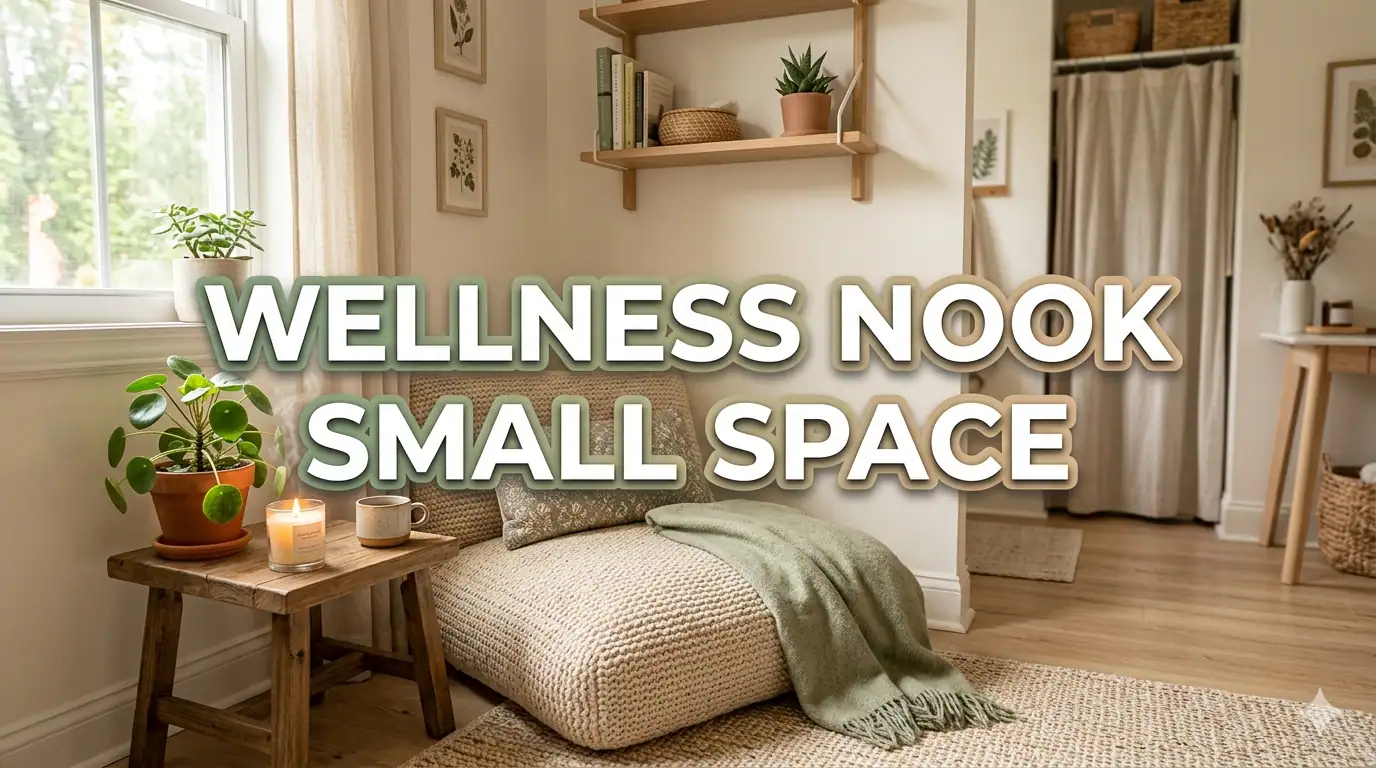
Why Every Small Space Needs a Wellness Nook
Living in a studio apartment doesn't mean sacrificing your well-being. In fact, creating a dedicated wellness nook—a small, intentional space for self-care, meditation, movement, or quiet reflection—can transform even the tiniest studio into a sanctuary that nourishes your mind, body, and spirit.
A wellness nook isn't about having square footage to spare. It's about carving out a corner—sometimes as small as 2x3 feet—that signals to your brain: "This is where I come to reset, recharge, and reconnect." In our fast-paced, always-on world, having a physical anchor for wellness practices is more important than ever, especially when your home is also your office, gym, restaurant, and entertainment hub.
The beauty of a wellness nook is its flexibility. It can be a meditation corner, a yoga spot, a reading retreat, a journaling station, or simply a place to breathe deeply and be still. It doesn't require a spare room or a big budget—just intention, creativity, and a few strategic choices.
In this comprehensive guide, you'll discover how to create a wellness nook that fits your space, lifestyle, and wellness goals. From space-saving design hacks to multi-functional furniture, from lighting strategies to sensory elements, you'll learn how to transform even the smallest corner into a powerful sanctuary for self-care.
What you'll learn in this guide:
- What defines a wellness nook and why it matters for mental health
- How to identify the best spot in your studio apartment
- Space-saving design strategies and multi-functional solutions
- Essential elements: seating, lighting, textiles, and storage
- Budget-friendly ideas and DIY options
- How to create distinct zones in a studio without walls
- Maintaining your wellness nook for long-term use
Understanding the Wellness Nook: More Than Just a Corner
Before diving into logistics, it's important to understand what a wellness nook truly is—and what it isn't.
What Is a Wellness Nook?
A wellness nook is a deliberately designed micro-space within your home dedicated to activities that support your physical, mental, and emotional well-being. Unlike a multi-purpose area where you might occasionally stretch or meditate, a wellness nook is:
- Intentional: Every element serves a purpose related to your well-being
- Consistent: It remains set up and ready to use, eliminating setup barriers
- Sensory: It engages sight, touch, smell, and sometimes sound to create a calming atmosphere
- Personal: It reflects your unique wellness practices and aesthetic preferences
- Accessible: It's easy to use without moving furniture or clearing space
What a Wellness Nook Is NOT
- A cluttered corner with your yoga mat thrown in
- A space you have to clear off before using
- A generic area that serves no specific purpose
- An afterthought or decoration without function
The Psychology Behind Dedicated Wellness Spaces
Research in environmental psychology shows that our surroundings significantly impact our behavior and mental state. When you create a dedicated wellness nook, you're leveraging "context-dependent memory"—your brain begins to associate that specific space with relaxation, mindfulness, or movement. Over time, simply entering that corner can trigger a relaxation response, making it easier to transition from stress to calm.
A 2025 study in Journal of Environmental Psychology found that people with dedicated self-care spaces in their homes reported:
- 32% higher consistency in wellness practices
- Lower perceived stress levels
- Greater sense of control over their environment
- Improved sleep quality
In a studio apartment where every square foot serves multiple functions, a wellness nook creates a crucial psychological boundary: "When I'm here, I'm caring for myself."
Finding Your Perfect Spot: Space Assessment Strategies
The first step in creating your wellness nook is identifying where it will live. In a studio apartment, this requires creative thinking and honest assessment.
Conduct a Space Audit
Walk through your studio with fresh eyes and ask:
- Where are the underutilized corners? Look for awkward spaces that don't serve a clear purpose—beside the fridge, next to the bed, in an alcove.
- Which areas get natural light? Natural light boosts mood and energy. A sunny corner is ideal for morning meditation or reading.
- Where is the quietest spot? Away from street noise, appliances, or high-traffic areas.
- What vertical space is available? Walls, doors, and even ceiling space can be utilized for storage and ambiance.
- Which areas feel "yours"? Even in a studio, some spots feel more personal or peaceful. Trust that instinct.
Common Wellness Nook Locations in Studios
1. Beside the Bed: Often the easiest option. Replace a bulky nightstand with a wellness-focused setup: a small cushion, a basket for props, and a wall-mounted light.
2. Window Corner: Natural light and a view create an instant mood boost. Perfect for morning routines or evening wind-down.
3. Closet Alcove: If your studio has a recessed closet or built-in shelving, the floor space in front can become your nook.
4. Behind a Room Divider: A folding screen, curtain, or bookshelf can create visual separation and psychological privacy.
5. Under a Loft Bed: If you have elevated sleeping space, the area underneath is prime real estate for a wellness corner.
6. Entryway Transition: The space just inside your door can serve as a "decompression zone" for transitioning from outside stress to home calm.
7. Kitchen Corner: If your kitchen has an unused corner, a small wellness nook there can encourage mindful breaks during meal prep.
Minimum Space Requirements
You don't need much:
- Meditation nook: 2x3 feet (just enough for a cushion)
- Yoga/stretching corner: 3x5 feet (enough to unroll a mat)
- Reading/journaling nook: 3x4 feet (seating plus small table)
- Movement/multi-use: 4x6 feet (versatile space for various practices)
If you truly don't have floor space, consider a "vertical wellness nook"—a wall-mounted shelf with wellness items and a fold-down seat or floor cushion you store nearby.
Design Principles for Small-Space Wellness
Creating a wellness nook in a studio requires strategic design thinking. These principles will help you maximize impact while minimizing footprint.
Principle 1: Multi-Functionality
Every element should serve at least two purposes:
- Ottoman with storage: Seating plus space for yoga blocks, blankets, or journals
- Floor cushion: Meditation seat that doubles as extra seating for guests
- Wall shelf: Display for plants and crystals plus storage for wellness items
- Folding screen: Visual divider plus surface for hanging items
- Nesting tables: Surface for tea/journal that tucks away when not in use
Principle 2: Vertical Thinking
When floor space is limited, go up:
- Wall-mounted shelves: Floating shelves keep floor clear while providing storage
- Hanging planters: Add greenery without using surface space
- Pegboard wall: Customizable storage for yoga straps, resistance bands, journals
- Over-door organizers: Utilize door space for baskets and pockets
- Wall hooks: For hanging meditation shawls, yoga mats, or robes
Principle 3: Visual Separation Without Walls
Create psychological boundaries in an open space:
- Folding screens: Japanese-style shoji screens or fabric dividers
- Curtains: Ceiling-mounted track curtains you can draw closed
- Bookshelf divider: Open shelving that defines space without blocking light
- Plants: Tall plants (fiddle leaf fig, snake plant) create natural barriers
- Rug definition: A distinct rug signals "this is the wellness zone"
- Lighting zones: Different lighting in your nook vs. the rest of the studio
Principle 4: Sensory Layering
Engage multiple senses to create a cohesive atmosphere:
- Sight: Calming colors, soft lighting, natural elements
- Touch: Textured textiles, comfortable seating, smooth stones
- Smell: Essential oil diffuser, incense, dried herbs
- Sound: Small speaker for meditation music, wind chimes near window
- Taste: Keep tea and a mug nearby for mindful breaks
Principle 5: Minimalism with Meaning
In a small space, every item should earn its place:
- Choose quality over quantity
- Select items that spark joy or serve your practice
- Rotate seasonal items rather than keeping everything out
- Use hidden storage for items that don't need to be displayed
Essential Elements of a Wellness Nook
While your wellness nook should reflect your personal practices, certain elements form the foundation of any effective space.
1. Comfortable Seating
Your seating choice depends on your primary wellness activities:
For Meditation:
- Meditation cushion (zafu): Traditional, supportive, promotes good posture
- Floor cushion: Versatile, can be used for sitting or lying down
- Meditation bench: Good for those with knee or ankle issues
- Yoga bolster: Supportive for restorative practices
For Reading/Journaling:
- Floor chair with back support: Comfortable for longer sessions
- Compact armchair: If space allows, provides structure
- Pouf with tray: Casual, movable, multi-functional
For Movement:
- Yoga mat: Essential; can be rolled and stored vertically
- Foldable exercise mat: Thinner option that tucks away easily
Space-Saving Tip: Choose seating that can be easily moved or stored. A floor cushion can be tucked in a closet; a foldable chair hangs on a wall hook.
2. Lighting That Sets the Mood
Lighting dramatically impacts the atmosphere of your wellness nook:
Natural Light: Position near a window if possible. Use sheer curtains to diffuse harsh sunlight.
Ambient Lighting:
- Himalayan salt lamp: Warm glow, air-purifying claims, aesthetic appeal
- Dimmable table lamp: Adjustable brightness for different times of day
- String lights: Soft, whimsical, can be draped on walls or ceiling
- Candles: Real or flameless LED for safety; add ritual and warmth
Task Lighting:
- Wall-mounted reading light: Saves surface space
- Clip-on lamp: Attaches to shelf or headboard
Smart Lighting: Consider smart bulbs you can control with your phone or voice, adjusting color temperature throughout the day (bright white for morning, warm amber for evening).
3. Textiles for Comfort and Acoustics
Soft furnishings make your nook inviting and help absorb sound in a studio:
- Rug: Defines the space, provides cushioning, adds warmth. Choose washable options for easy maintenance.
- Throw blanket: For coziness during meditation or reading. Keep folded on seating or a hook.
- Pillows: Decorative and functional. Use for back support or meditation props.
- Curtains or tapestry: If using a room divider, fabric adds softness and sound dampening.
4. Storage Solutions
Clutter is the enemy of calm. Smart storage keeps your nook serene:
Hidden Storage:
- Basket with lid: Stores yoga props, journals, candles
- Ottoman with storage: Seating plus hidden compartment
- Decorative box: On a shelf for small items
Open Storage:
- Floating shelf: Display plants, crystals, books
- Wall cubby: Small compartments for organized storage
- Ladder shelf: Leaning design takes minimal floor space
Vertical Storage:
- Over-door rack: For mats, bands, or towels
- Wall hooks: Hang bags, robes, or straps
- Pegboard: Customizable organization system
5. Natural Elements
Biophilic design—incorporating nature into your space—reduces stress and enhances well-being:
- Plants: Choose low-maintenance options: snake plant, pothos, ZZ plant, succulents. Hanging planters save surface space.
- Natural materials: Wood, stone, cotton, linen, jute
- Natural light: Maximize window access
- Water element: Small tabletop fountain or even a bowl of water with floating flowers
- Stones/crystals: Decorative and meaningful
6. Sensory Enhancers
These elements engage your senses and deepen the wellness experience:
- Essential oil diffuser: Ultrasonic diffusers double as humidifiers
- Incense holder: For ritual and scent
- Sound machine or speaker: For meditation music, nature sounds, or white noise
- Wind chimes: Near a window for gentle sound
- Textured objects: Smooth stones, woven baskets, soft fabrics
Budget-Friendly Wellness Nook Ideas
Creating a wellness nook doesn't require a big budget. Here's how to build a beautiful, functional space affordably.
Under $50 Wellness Nook
What you can get:
- Floor cushion or meditation pillow: $20-30
- Small rug (2x3): $15-25
- Tea light candles: $5
- DIY shelf from reclaimed wood: $10-15
- Plant cutting from a friend: Free
Tips:
- Use what you have: repurpose a throw pillow as a meditation cushion
- Shop secondhand: thrift stores often have rugs, baskets, and small furniture
- DIY decor: make your own wall art, macramé plant hangers, or candle holders
- Use natural elements: collect stones, branches, or pinecones for free decor
$50-$150 Wellness Nook
What you can add:
- Quality meditation cushion: $40-60
- Small side table or stool: $30-50
- Himalayan salt lamp: $20-30
- Essential oil diffuser: $25-35
- Low-maintenance plant: $15-25
- Storage basket: $15-25
Where to shop:
- IKEA: Affordable, space-saving furniture
- Target: Budget-friendly decor and wellness items
- Facebook Marketplace: Secondhand furniture deals
- Local plant nurseries: Often cheaper than big box stores
DIY Wellness Nook Projects
1. Pallet Meditation Bench: Free or cheap pallets can be transformed into a simple meditation bench with basic tools.
2. Macramé Plant Hanger: YouTube tutorials make this accessible. Adds bohemian vibe and saves surface space.
3. Fabric Room Divider: Hang curtains from ceiling-mounted rod or tension rod for instant separation.
4. Painted Storage Crates: Wooden crates from grocery stores can be painted and stacked for shelving.
5. Gratitude Jar: Repurpose a mason jar. Decorate and use for daily gratitude practice.
Wellness Nook Ideas for Different Practices
Tailor your nook to support your specific wellness activities.
Meditation & Mindfulness Nook
Essentials:
- Meditation cushion or bench
- Soft, warm lighting (salt lamp or dimmable lamp)
- Minimal decor to reduce visual distraction
- Timer or meditation bell
- Essential oil diffuser with calming scents (lavender, frankincense)
Space needed: 2x3 feet minimum
Design tips: Face a blank wall or window to minimize visual stimulation. Keep the space clutter-free.
Yoga & Movement Corner
Essentials:
- Yoga mat (can be rolled and stored vertically)
- Wall-mounted mirror (optional but helpful for form)
- Storage for blocks, straps, bolsters (basket or shelf)
- Speaker for music or guided classes
- Good ventilation or fan
Space needed: 3x6 feet for basic practice
Design tips: Choose a spot near a wall for balance poses. Use a rug that won't slip. Keep the area clear of furniture you'd need to move.
Reading & Journaling Retreat
Essentials:
- Comfortable seating with back support
- Small side table for tea, journal, books
- Good reading light (adjustable arm lamp ideal)
- Book storage (floating shelf or small bookcase)
- Cozy throw blanket
Space needed: 3x4 feet
Design tips: Position near natural light for daytime reading. Add a small plant for a touch of nature. Keep supplies (pens, journal, bookmarks) in a basket on the table.
Sleep & Rest Sanctuary
Essentials:
- Comfortable floor cushion or daybed
- Blackout curtains or eye mask
- White noise machine or fan
- Calming scents (lavender pillow spray)
- Dim, warm lighting
Space needed: 3x5 feet
Design tips: If possible, position away from street noise. Use soft, breathable textiles. Keep the space cool and dark.
Creative Expression Corner
Essentials:
- Small table or lap desk
- Storage for art supplies (jars, caddy, or drawer)
- Good task lighting
- Inspiration board or wall space for displaying work
- Comfortable seating
Space needed: 3x4 feet
Design tips: Use pegboard or magnetic board for organizing supplies. Choose easy-to-clean surfaces. Add inspirational quotes or artwork.
Multi-Functional Wellness Nook Strategies
In a studio, your wellness nook might need to serve multiple purposes. Here's how to make it work.
The Transformative Nook
Design a space that can shift between functions:
Morning: Meditation and journaling
Afternoon: Yoga or movement
Evening: Reading and wind-down
How to make it work:
- Use a large yoga mat as your foundation (works for meditation, yoga, and stretching)
- Keep a basket with props (blocks, bolster, blanket) that can be pulled out as needed
- Choose seating that's comfortable for both meditation and reading
- Use adjustable lighting that can be bright for movement and dim for relaxation
- Store items in labeled baskets for quick access and easy cleanup
The Fold-Away Nook
For studios where every inch counts, create a wellness space that disappears when not in use:
- Wall-mounted fold-down desk: Use as a journaling station or for gentle stretching
- Folding meditation bench: Stores flat in a closet
- Roll-up yoga mat: Hangs on wall hook when not in use
- Collapsible storage: Fabric bins that fold flat
- Portable diffuser: Small USB-powered option you can move around
Setup routine: Spend 2 minutes each morning setting up your nook. This ritual itself becomes part of your wellness practice.
The Integrated Nook
Rather than creating a separate wellness zone, weave wellness elements throughout your studio:
- Place a meditation cushion beside your bed
- Keep a yoga mat visible near a wall
- Add plants throughout your space for biophilic benefits
- Use calming colors and textures in your main living area
- Create a "tea station" that encourages mindful breaks
This approach acknowledges that wellness isn't confined to one corner—it's integrated into your entire living environment.
Lighting Strategies for Small-Space Wellness
Lighting can make or break your wellness nook. In a studio, you need to be strategic.
Layered Lighting Approach
Use three types of lighting for a complete wellness atmosphere:
1. Ambient (General) Lighting:
- Overhead fixtures or floor lamps
- Use warm bulbs (2700-3000K) for calming effect
- Install dimmer switches if possible
2. Task Lighting:
- Reading lamps, desk lamps
- Adjustable brightness and direction
- Position to avoid glare
3. Accent Lighting:
- Candles, string lights, salt lamps
- Creates mood and visual interest
- Use for evening wind-down
Maximizing Natural Light
Natural light is the best light for well-being:
- Position your nook near a window if possible
- Use mirrors to reflect and amplify natural light
- Choose sheer curtains that diffuse light without blocking it
- Keep windows clean for maximum light penetration
- Add plants that thrive in your available light
Circadian Rhythm Lighting
Support your body's natural sleep-wake cycle with strategic lighting:
- Morning: Bright, cool light (5000-6500K) to energize
- Afternoon: Neutral light (3500-4500K) for focus
- Evening: Warm, dim light (2700K or lower) to wind down
Smart solution: Use smart bulbs that automatically adjust color temperature throughout the day.
Creating Visual and Psychological Boundaries
In a studio apartment, creating separation without walls is an art. Here's how to define your wellness nook.
Physical Dividers
Folding Screens:
- Choose lightweight, easy-to-move options
- Look for screens with storage pockets or shelves
- Position to block view of work area or clutter
Curtains:
- Ceiling-mounted track system for full coverage
- Tension rods for temporary, damage-free installation
- Choose fabric that complements your aesthetic
- Blackout curtains for sleep nook; sheer for meditation
Bookshelf Dividers:
- Open shelving maintains light flow
- Use for storage and display
- Anchor to wall for safety
Visual Cues
Even without physical barriers, you can signal "this is different":
- Rug: A distinct rug defines the space
- Color palette: Use different colors in your nook vs. the rest of the studio
- Lighting: Warmer, softer light in wellness area
- Texture: Softer, cozier textiles in your nook
- Plants: Create a "green zone" that feels separate
Psychological Boundaries
Sometimes the boundary is behavioral, not physical:
- Ritual: Create a simple ritual to "enter" your wellness space (light a candle, take three breaths)
- Rules: No work, no phone, no eating in your wellness nook
- Time boundaries: Designate specific times for using the space
- Communication: If you live with others, establish that when you're in your nook, you're not to be disturbed (except emergencies)
Maintaining Your Wellness Nook
A wellness nook only works if it remains inviting and functional. Here's how to maintain it.
Daily Maintenance (2-3 minutes)
- Straighten cushions and blankets
- Put away any items used
- Quick surface wipe if needed
- Light a candle or turn on lamp to refresh the energy
Weekly Maintenance (10-15 minutes)
- Change or wash cushion covers
- Dust shelves and decor
- Water plants
- Declutter any accumulated items
- Refresh essential oils or candles
Monthly Refresh (30 minutes)
- Deep clean rug or floor area
- Rotate decor seasonally
- Assess what's working and what's not
- Replace worn items
- Reorganize storage if needed
Seasonal Reset (1-2 hours)
- Deep clean everything
- Swap textiles for season (lighter fabrics for summer, cozy for winter)
- Update plants (some may need more/less light seasonally)
- Reassess your wellness practices and adjust the nook accordingly
- Declutter items you're no longer using
Preventing Clutter Creep
The biggest threat to a wellness nook is it becoming a dumping ground:
- One in, one out rule: When you add something new, remove something old
- Designated storage: Everything has a home
- Regular audits: Every month, ask "Does this serve my wellness?"
- Visual limits: If your shelf is full, don't add more until you remove something
Common Challenges and Solutions
Creating a wellness nook in a small space comes with obstacles. Here's how to overcome them.
Challenge 1: "I Don't Have Enough Space"
Solution:
- Think vertical: use walls for storage and decor
- Use multi-functional furniture
- Create a "pop-up" nook that sets up and breaks down
- Claim just 2x3 feet—smaller than you think
- Use under-bed storage for wellness items
Challenge 2: "My Roommate/Partner Doesn't Like It"
Solution:
- Communicate the benefits: your well-being helps the relationship
- Make it aesthetically pleasing so it enhances the space
- Keep it tidy and organized
- Compromise on location or size
- Invite them to use it too
Challenge 3: "It Feels Self-Indulgent"
Solution:
- Reframe it: self-care enables you to show up better for others
- Start small so it doesn't feel overwhelming
- Remember: a dedicated space increases consistency in wellness practices
- Think of it as an investment in your health and productivity
Challenge 4: "I Can't Afford It"
Solution:
- Start with what you have: a corner, a cushion, a candle
- DIY decor and storage
- Shop secondhand
- Add items gradually over time
- Remember: intention matters more than expensive decor
Challenge 5: "I Set It Up But Don't Use It"
Solution:
- Make it visible and accessible (not hidden away)
- Pair it with an existing habit (morning coffee, bedtime routine)
- Start with just 5 minutes a day
- Make it inviting: comfortable, beautiful, sensory
- Track your usage to build accountability
Real-Life Wellness Nook Examples
Inspiration from people who've made it work in tiny spaces.
Example 1: The Closet Conversion
Space: 3x4 feet in front of a recessed closet
Solution: Removed closet doors, added curtain for privacy. Inside closet: hanging organizer for yoga props, shelves for books. Floor: meditation cushion and small rug. Wall: macramé plant hanger and string lights.
Budget: $75
Best for: Meditation and reading
Example 2: The Window Seat Wellness Zone
Space: Under a large window, 4x5 feet
Solution: Built a simple platform with storage underneath using IKEA KALLAX cubes. Added cushion on top. Wall-mounted shelf above for plants and candles. Folding screen on one side for privacy.
Budget: $150
Best for: Multi-use: yoga, meditation, reading
Example 3: The Bedside Retreat
Space: 2x3 feet beside bed
Solution: Replaced nightstand with small stool. Floor: foldable meditation bench that stores under bed. Wall: floating shelf for journal, pen, and small plant. Clip-on reading lamp.
Budget: $50
Best for: Morning meditation and evening journaling
Example 4: The Corner Transformation
Space: Awkward corner, 3x3 feet
Solution: Corner shelf unit for storage. Floor cushion and small rug. Floor lamp with warm bulb. Hanging plant from ceiling. Essential oil diffuser on shelf.
Budget: $100
Best for: Meditation and mindfulness practice
Frequently Asked Questions
Can I create a wellness nook if I have pets?
Absolutely! In fact, pets can enhance your wellness practice. Considerations:
- Choose washable, pet-friendly fabrics
- Keep essential oils and candles out of reach (some are toxic to pets)
- Include your pet in your practice if they're calm (petting a dog during meditation can be grounding)
- Have a designated pet bed nearby if they like to be close
What if I have kids in a small space?
Wellness is still possible with children:
- Create a "family wellness corner" with kid-friendly elements
- Use naptime or bedtime for your personal practice
- Teach kids to respect the space (it's not a toy area)
- Make it flexible: fold-away options work well
- Include kids in age-appropriate wellness activities
How do I deal with noise in a studio?
Sound can be challenging in small spaces:
- Use white noise machine or fan to mask outside noise
- Invest in noise-canceling headphones for meditation
- Add soft textiles (rug, curtains, cushions) to absorb sound
- Practice during quieter times of day
- Use earplugs if needed
Should my wellness nook match my overall decor?
It should complement your space, but it doesn't need to match exactly. In fact, making it slightly different helps create psychological separation. However, it shouldn't clash so much that it feels jarring. Aim for harmony with a touch of distinction.
Can I have multiple wellness zones?
If space allows, yes! Some people have:
- A meditation corner
- A movement area
- A reading nook
However, in a studio, it's often better to have one multi-functional space than several tiny, underutilized ones. Quality over quantity.
How do I convince my landlord it's okay?
Most wellness nook setups are renter-friendly:
- Use damage-free hanging solutions (command strips, tension rods)
- Avoid painting or permanent modifications
- Use freestanding furniture and decor
- Explain that you're creating a peaceful, well-maintained space
- Offer to restore the space when you move out
Conclusion: Your Wellness Journey Starts in Your Corner
Creating a wellness nook in a small studio apartment isn't just about design—it's about declaring that your well-being matters, regardless of your living situation. It's a tangible commitment to yourself, a physical manifestation of the intention to prioritize peace, health, and presence in your daily life.
You don't need a mansion, a spare room, or a big budget. You need a corner, some intention, and the willingness to show up for yourself consistently. Whether your wellness nook is 2x3 feet or 4x6 feet, whether it cost $30 or $300, what matters is that it serves you. That it invites you to pause, breathe, move, reflect, and restore.
Start small. Start simple. Start today. Choose one corner. Add one cushion. Light one candle. Sit for one minute. Build from there. Your wellness nook will evolve as you do, always reflecting your current needs and practices.
In a world that glorifies busyness and maximizes every square foot for productivity, creating a wellness nook is a quiet rebellion. It's saying: "This space is for being, not doing. For restoration, not production. For me."
Your studio apartment can be your sanctuary. Your corner can be your refuge. Your wellness nook can be the anchor that grounds you through life's storms.
All it takes is one small space, one deep breath, and one commitment to yourself.
Your wellness matters. Your space can support it. Start today.


0 Comments