
Why Body Tightness Depends on Muscle Tone and Not Weight
Introduction to Body Tightness and Muscle Tone
Many people embark on fitness journeys with the goal of achieving a tighter, more defined physique, often believing that reaching a specific number on the scale will automatically deliver the results they desire. However, countless individuals find themselves at their target weight yet still feeling soft, lacking the firmness and definition they envisioned. This common frustration stems from a fundamental misunderstanding about what truly creates body tightness: muscle tone, not body weight alone.
Body tightness refers to the firm, sculpted appearance of muscles beneath the skin, characterized by visible definition, reduced jiggle, and an overall sense of structural support. This aesthetic quality depends primarily on muscle tone, which encompasses both the resting tension in your muscles and their ability to contract with strength and control. Weight, by contrast, is simply a measure of gravitational force acting on your total body mass, including muscle, fat, bone, water, and organs.
Understanding this distinction is transformative for your fitness approach. When you shift your focus from chasing a number on the scale to building and maintaining muscle tone, you unlock sustainable results that look and feel better at any weight. This comprehensive guide explores the science behind muscle tone, explains why weight alone is a poor predictor of tightness, and provides practical strategies for developing the firm, strong physique you desire through evidence-based methods that honor your body's natural physiology.
Understanding Muscle Tone Versus Body Weight
What Is Muscle Tone and How Does It Work?
Muscle tone, also known as tonus, refers to the continuous and passive partial contraction of your muscles, even when you are at rest. This low-level tension is maintained by your nervous system and helps stabilize your joints, maintain posture, and prepare your muscles for movement. Good muscle tone creates that coveted firm, lifted appearance because toned muscles hold their shape and provide structural support beneath the skin.
There are two key components to muscle tone that affect how your body looks and feels. First is resting muscle tension, which gives your physique a baseline level of firmness even when you are not actively flexing. Second is the ability of your muscles to contract forcefully and efficiently when needed, which contributes to definition and the appearance of tightness during movement. Both aspects are influenced by your training habits, nutrition, recovery practices, and neurological factors.
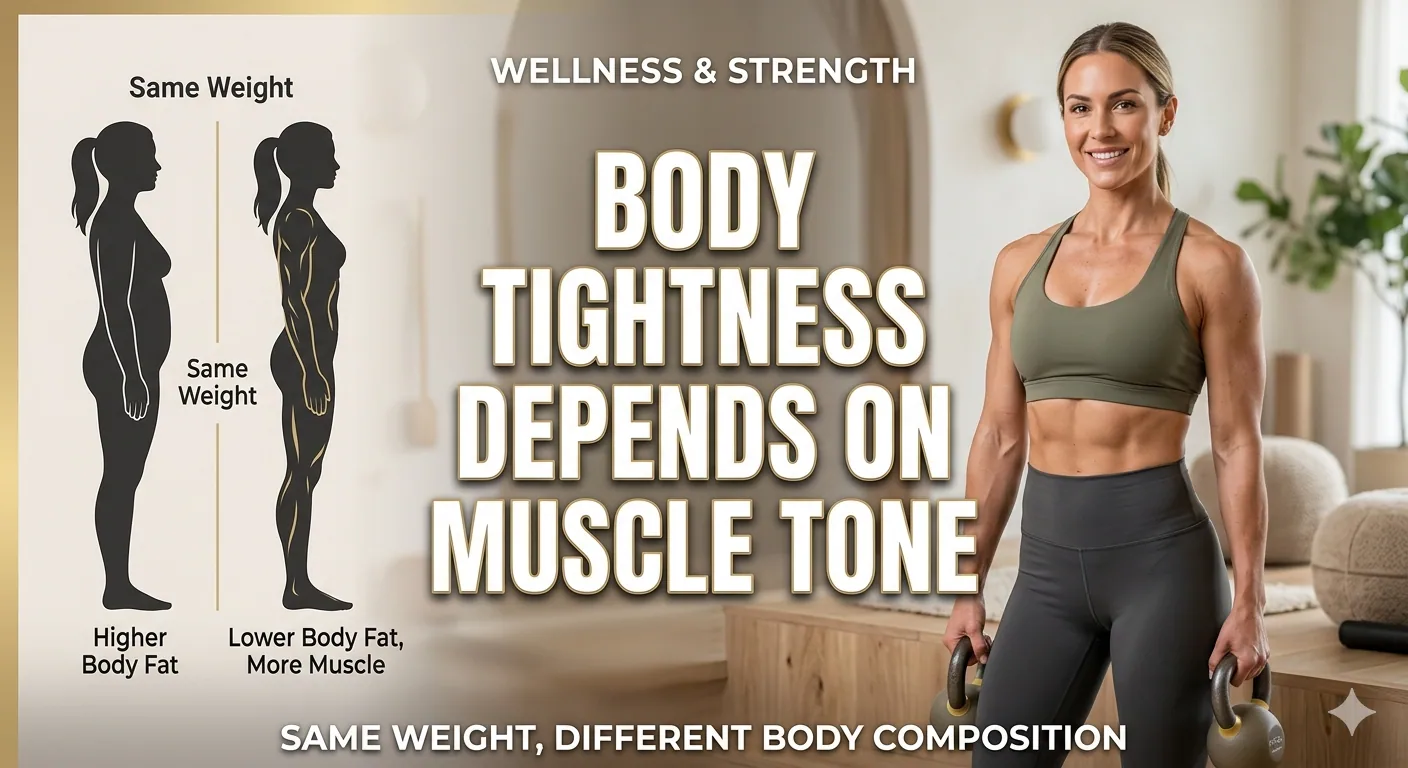
Importantly, muscle tone is not the same as muscle size. You can have well-toned muscles that are relatively small but still create a firm, athletic appearance. Conversely, larger muscles without adequate tone may appear soft or undefined. This is why two people at the same weight can look dramatically different: one may have higher muscle tone and lower body fat, while the other has less muscle engagement and higher fat percentage, despite identical scale numbers.
Why Weight Is an Incomplete Measure of Fitness
Body weight is a single number that fails to capture the complex composition of your physique. A pound of muscle and a pound of fat weigh exactly the same, but they occupy vastly different amounts of space and create entirely different visual and tactile experiences. Muscle tissue is dense and compact, while fat tissue is less dense and takes up more volume. This means you can weigh the same or even more while looking leaner and feeling tighter if you have increased your muscle mass and reduced body fat.
Additionally, weight fluctuates daily due to factors unrelated to fat or muscle changes. Water retention, food volume in your digestive system, hormonal shifts, sleep quality, and even the time of day can cause your weight to vary by several pounds. Relying on the scale as your primary metric for progress can be misleading and demotivating, especially when you are making positive changes to your muscle tone that the scale cannot detect.
Body composition, which measures the ratio of muscle to fat to other tissues, provides a far more meaningful picture of your fitness than weight alone. Two people who both weigh 150 pounds could have dramatically different body compositions: one might be 25 percent body fat with well-developed muscle tone, while the other might be 35 percent body fat with minimal muscle engagement. The first person will appear tighter, more defined, and more athletic despite identical weight.
The Science of Muscle Fiber Types and Body Firmness
How Different Muscle Fibers Contribute to Tone
Your muscles contain different types of fibers that contribute uniquely to tone and appearance. Type I fibers, also called slow-twitch fibers, are endurance-oriented and resist fatigue. They support posture and sustained activities, contributing to baseline muscle tone throughout the day. Type II fibers, or fast-twitch fibers, generate more force and power but fatigue more quickly. These fibers are responsible for the definition and firmness you see when muscles contract.
Building balanced muscle tone requires engaging both fiber types through varied training. Low-intensity, sustained activities like walking, yoga, or light resistance work primarily recruit Type I fibers, supporting postural tone and endurance. Higher-intensity efforts like strength training, sprinting, or plyometrics activate Type II fibers, promoting the strength and definition associated with visible tightness. A well-rounded approach that includes both ensures comprehensive muscle development.
Genetics influence your natural distribution of muscle fiber types, but training can shift their characteristics over time. Consistent strength training can encourage Type I fibers to develop more force-generating capacity, while endurance work can improve the fatigue resistance of Type II fibers. This adaptability means you can improve your muscle tone and body tightness regardless of your starting point through intelligent, consistent training.
The Role of Neuromuscular Connection
Muscle tone is not just about the physical properties of muscle tissue; it also depends on your nervous system's ability to recruit and activate muscle fibers efficiently. This neuromuscular connection determines how effectively your brain can signal your muscles to contract with appropriate force and coordination. Poor neuromuscular activation can leave muscles underutilized and soft-feeling, even if they have adequate size.
Strengthening your mind-muscle connection through focused training enhances muscle tone and tightness. When you consciously engage specific muscles during exercises, you improve neural pathways that support better recruitment during both workouts and daily activities. This heightened activation translates to improved resting tone and a firmer appearance overall. Techniques like slow, controlled movements, intentional muscle squeezing, and mindful exercise execution all support neuromuscular development.
Why Losing Weight Does Not Automatically Create Tightness
The Pitfalls of Weight-Focused Approaches
Many people assume that losing weight will naturally lead to a tighter, more toned physique. While reducing excess body fat can reveal underlying muscle structure, weight loss alone often fails to deliver the desired tightness for several important reasons. First, rapid or extreme weight loss frequently results in muscle loss alongside fat loss, leaving you with less muscle mass to create that firm, defined appearance.
Second, skin elasticity plays a significant role in how tight your body appears after weight loss. If weight is lost quickly or if skin has been stretched for extended periods, it may not fully retract, leading to loose or sagging areas despite lower body weight. Building and maintaining muscle tone helps fill out the space beneath the skin, supporting a smoother, tighter contour regardless of skin elasticity.
Third, weight loss achieved primarily through calorie restriction without strength training often reduces metabolic rate and muscle mass, making it harder to maintain results long-term. This approach can leave you feeling softer at a lower weight than you did at a higher weight with more muscle. The key is preserving and building muscle while managing body fat through balanced nutrition and intelligent training.
Body Recomposition Versus Simple Weight Loss
Rather than focusing solely on losing weight, consider pursuing body recomposition: the process of simultaneously losing fat and gaining or maintaining muscle. This approach shifts your focus from the scale to measurable improvements in strength, endurance, and how your clothes fit. Body recomposition creates the tight, toned appearance many people seek because it increases the proportion of firm muscle tissue relative to softer fat tissue.
Achieving body recomposition requires adequate protein intake to support muscle maintenance and growth, progressive strength training to stimulate muscle development, and a modest calorie deficit or maintenance level to encourage fat loss without sacrificing muscle. This balanced strategy takes patience but delivers sustainable, visually satisfying results that weight loss alone cannot match.
Practical Strategies to Improve Muscle Tone and Body Tightness
Strength Training Fundamentals for Tone
Strength training is the most effective way to build and maintain muscle tone. You do not need to lift extremely heavy weights or spend hours in the gym to see results. Consistent, progressive resistance training two to four times per week can significantly improve muscle tone and body tightness. Focus on compound movements like squats, lunges, push-ups, rows, and overhead presses that engage multiple muscle groups simultaneously for efficient, functional development.
Progressive overload is essential for continued improvement. This principle means gradually increasing the challenge to your muscles over time by adding weight, performing more repetitions, slowing your tempo, or reducing rest periods. Even small increases in difficulty signal your muscles to adapt and grow stronger, enhancing tone and firmness. Track your workouts to ensure you are consistently challenging yourself without overtraining.
Include both higher-repetition sets with lighter weights and lower-repetition sets with heavier loads to engage different muscle fiber types. Aim for eight to fifteen repetitions per set for general tone, with two to four sets per exercise. Rest 30 to 60 seconds between sets to maintain intensity while allowing partial recovery. This approach builds both endurance and strength, supporting comprehensive muscle development.
Cardiovascular Exercise and Its Role in Tightness
While strength training is primary for building muscle tone, cardiovascular exercise supports overall body composition and tightness in complementary ways. Moderate cardio helps create the calorie deficit needed for fat loss while preserving muscle when combined with adequate protein and strength training. High-intensity interval training (HIIT) can be particularly effective, as it stimulates muscle engagement while burning calories efficiently.
However, excessive cardio without adequate strength training and nutrition can lead to muscle loss, potentially reducing tone and tightness. Balance is key: aim for two to three cardio sessions per week alongside your strength training, adjusting intensity and duration based on your goals and recovery capacity. Listen to your body and prioritize quality over quantity in all your training.
Nutrition Support for Muscle Tone
Nutrition plays a crucial role in developing and maintaining muscle tone. Adequate protein intake is essential for muscle repair and growth. Aim for 0.7 to 1 gram of protein per pound of body weight daily, distributed across meals to optimize muscle protein synthesis. Quality protein sources include lean meats, fish, eggs, dairy, legumes, and plant-based protein powders.
Beyond protein, ensure you are consuming sufficient calories to support your activity level. Severely restricting calories can trigger muscle breakdown as your body seeks energy, undermining your tone-building efforts. Focus on nutrient-dense whole foods that provide the vitamins and minerals necessary for muscle function, including magnesium, potassium, and B vitamins found in leafy greens, nuts, seeds, and whole grains.
Hydration also affects muscle appearance and function. Well-hydrated muscles look fuller and perform better, while dehydration can make muscles appear flat and feel weak. Drink water consistently throughout the day, adjusting for activity level and climate. Limit excessive alcohol and sugary beverages, which can contribute to inflammation and water retention that mask muscle definition.
Common Mistakes That Undermine Muscle Tone
Overemphasizing Cardio and Neglecting Strength
One of the most common errors people make when seeking a tighter physique is prioritizing cardiovascular exercise while minimizing or avoiding strength training. While cardio supports heart health and calorie burning, it does not significantly build or maintain muscle tone. Without adequate resistance training, you may lose weight but also lose muscle, resulting in a softer appearance despite lower scale numbers.
To avoid this pitfall, make strength training a non-negotiable component of your fitness routine. Even twenty to thirty minutes of focused resistance work two to three times per week can preserve and build muscle tone. Combine this with moderate cardio for comprehensive fitness without sacrificing the firmness you desire.
Inconsistent Training and Unrealistic Expectations
Muscle tone develops through consistent stimulus over time. Sporadic workouts or frequently changing routines without progressive challenge will not produce significant improvements. Additionally, expecting dramatic changes in weeks rather than months sets you up for disappointment and may lead to abandoning effective strategies prematurely.
Commit to a sustainable training schedule you can maintain long-term. Focus on gradual progress rather than perfection, celebrating small improvements in strength, endurance, or how your clothes fit. Remember that building muscle tone is a marathon, not a sprint, and consistency compounds into remarkable results over time.
Poor Recovery and Sleep Habits
Muscles grow and repair during rest, not during workouts. Inadequate sleep, chronic stress, and insufficient recovery time between sessions can impair muscle development and reduce tone. Prioritize seven to nine hours of quality sleep per night, manage stress through mindfulness or relaxation practices, and allow at least 48 hours before training the same muscle groups intensely again.
Active recovery techniques like gentle stretching, foam rolling, or light walking on rest days can support circulation and reduce soreness without interfering with muscle repair. Listen to your body and adjust your training intensity based on your energy levels and recovery status.
Expert Tips for Maximizing Muscle Tone Results
Focus on Form Over Weight
Proper exercise form ensures you are effectively targeting the intended muscles and reducing injury risk. Lifting heavier weights with poor form may feel impressive but often recruits compensatory muscles and fails to adequately challenge your target areas. Prioritize controlled, full-range movements with appropriate weight before progressing to heavier loads.
Consider working with a qualified trainer initially to learn proper technique, or use reputable online resources and video tutorials to guide your form. Record yourself performing exercises to self-assess your technique, or ask a knowledgeable gym partner for feedback. Quality repetitions build better tone than quantity with compromised form.
Track Progress Beyond the Scale
Since weight alone does not reflect changes in muscle tone, use multiple metrics to monitor your progress. Take progress photos monthly in consistent lighting and clothing to visually assess changes in definition and firmness. Measure key areas like waist, hips, arms, and thighs to track inch loss even when weight remains stable.
Also monitor performance improvements: Can you lift more weight, perform more repetitions, or complete workouts with better form? Do your clothes fit differently? Do you feel stronger and more confident in your movements? These non-scale victories often provide more meaningful motivation than the number on a scale.
Embrace Patience and Self-Compassion
Building muscle tone is a gradual process that requires consistency over months and years. Celebrate small wins along the way and practice self-compassion when progress feels slow. Your body is unique, and comparing your journey to others can undermine motivation. Focus on becoming the strongest, healthiest version of yourself rather than chasing someone else's ideal.
Remember that muscle tone supports not just appearance but also functional strength, joint health, metabolic health, and long-term mobility. These benefits extend far beyond aesthetics, making your efforts worthwhile regardless of how quickly visible changes appear.
Frequently Asked Questions
Can I build muscle tone without getting bulky?
Yes, absolutely. Building significant muscle size requires specific training protocols, substantial calorie surpluses, and often genetic predisposition. Most people, especially women due to lower testosterone levels, will develop firmer, more defined muscles without substantial size increases through moderate strength training. Focus on higher repetitions with moderate weights, full-range movements, and balanced nutrition to enhance tone without excessive bulk.
How long does it take to see improvements in muscle tone?
Initial neurological adaptations that improve muscle activation can occur within two to four weeks of consistent training, potentially making muscles feel firmer. Visible changes in muscle definition typically become noticeable after eight to twelve weeks of regular strength training combined with appropriate nutrition. Significant transformations generally require three to six months of dedicated effort, with continued improvements over longer periods.
Does age affect my ability to improve muscle tone?
While muscle-building capacity may gradually decline with age due to hormonal changes and other factors, people of all ages can significantly improve muscle tone through appropriate training. Older adults may need to prioritize recovery, ensure adequate protein intake, and potentially consult healthcare providers before starting new exercise programs. The key is consistency and progressive challenge adapted to your current fitness level.
Should I do ab exercises every day for a tighter core?
Muscles need recovery time to repair and grow stronger, including abdominal muscles. Training abs two to four times per week with focused exercises is typically more effective than daily workouts. Additionally, core tightness depends on overall body composition and full-body strength training, not just isolated ab work. Combine targeted core exercises with compound movements, adequate protein, and healthy body fat levels for optimal results.
Can I improve muscle tone without going to a gym?
Yes, you can effectively build muscle tone at home using bodyweight exercises, resistance bands, dumbbells, or household items as weights. Exercises like push-ups, squats, lunges, planks, and glute bridges require no equipment and can be progressively challenging by modifying leverage, tempo, or volume. Consistency and progressive overload matter more than your training location.
Conclusion: Embracing Muscle Tone for Sustainable Tightness
Understanding that body tightness depends on muscle tone rather than weight alone is liberating and empowering. This knowledge frees you from the frustrating cycle of chasing scale numbers that do not reflect how you look or feel. Instead, you can focus on building strength, improving muscle activation, and nurturing your body through balanced training and nutrition.
By prioritizing muscle tone through consistent strength training, adequate protein intake, quality recovery, and patient persistence, you create a physique that feels firm, functions well, and looks defined at any weight. This approach supports not just aesthetic goals but also long-term health, mobility, and confidence.
Remember that your journey is unique. Compare yourself only to your past self, celebrate progress in all its forms, and trust the process. With time, consistency, and self-compassion, you can develop the tight, strong, vibrant body you deserve—one that reflects not just how you look, but how powerfully you live.


0 Comments