

Why Hair Feels Stiff After Frequent Washing: Science-Backed Solutions to Restore Softness
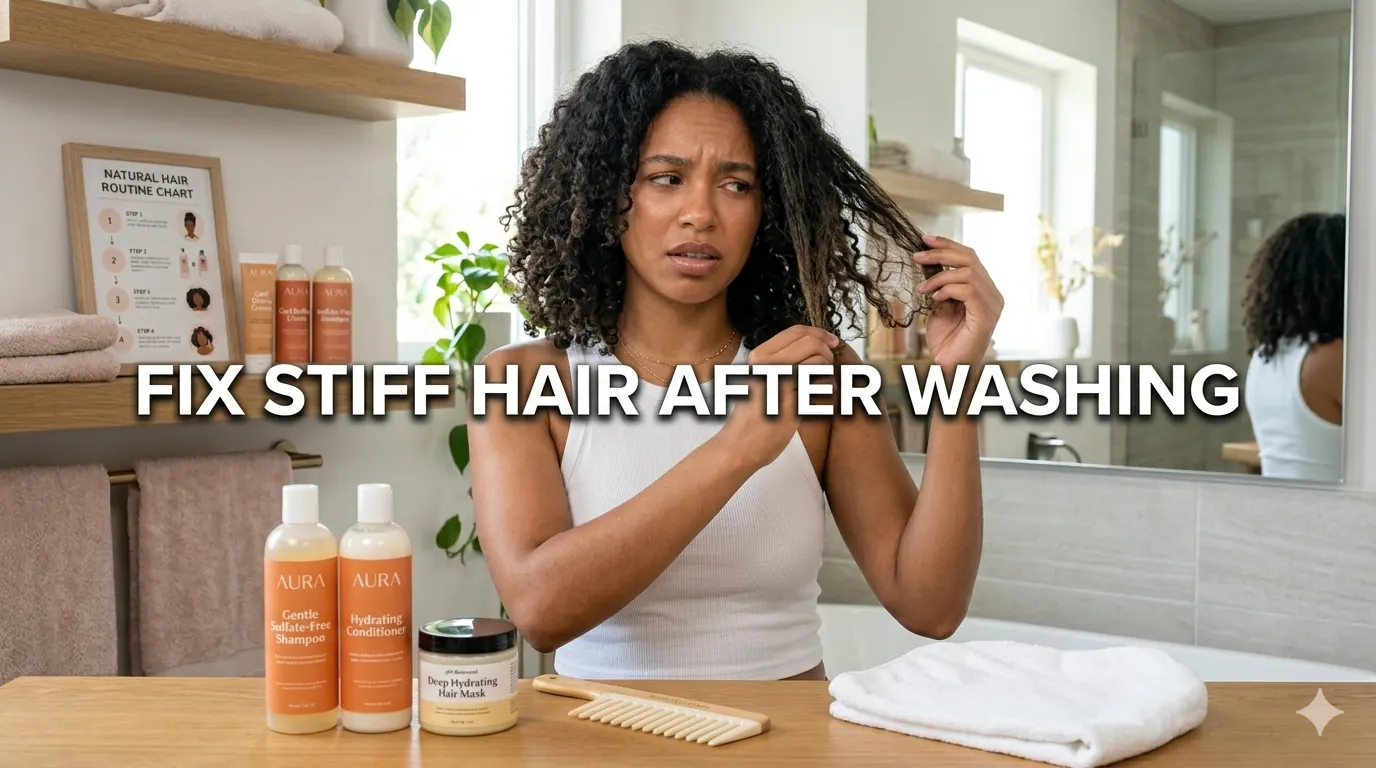
That rough, straw-like feeling in your hair after washing isn't just in your head—it's a real, measurable change in your hair's structure. Stiff hair after frequent washing is one of the most common yet misunderstood hair concerns, affecting people who believe that "cleaner is better" when it comes to hair care. The truth is, over-washing strips away the natural oils and moisture that keep hair flexible and soft, leaving behind a stiff, brittle texture that's difficult to style and prone to breakage.
Hair stiffness after washing occurs when the hair's protective lipid layer is removed, the cuticle becomes roughened, and moisture balance is disrupted. This isn't just a cosmetic issue—it's a sign that your hair's structural integrity is compromised. Understanding why this happens and how to reverse it is essential for maintaining healthy, manageable hair that feels as good as it looks.
In this comprehensive, expert-informed guide, we'll decode the science behind post-wash hair stiffness, reveal the hidden factors that contribute to this frustrating texture change, share the exact routine dermatologists and trichologists recommend for restoring softness, and provide practical strategies for maintaining flexible, healthy hair long-term. Whether you wash your hair daily, have hard water, or use strong clarifying products, you'll learn how to build a personalized routine that cleanses effectively without sacrificing softness.
Understanding Hair Structure: Why Stiffness Happens After Washing
Short answer: Hair feels stiff after frequent washing because cleansing removes the natural lipid layer (18-MEA) that keeps cuticles smooth, disrupts the protein-moisture balance in the cortex, and can leave mineral or product residue that roughens the hair surface.
Before learning how to fix stiff hair, understanding what causes it is essential:
The Protective Lipid Layer (18-MEA)
What It Is:
- A thin, waxy layer of fatty acids (primarily 18-methyleicosanoic acid) that coats the hair cuticle
- Acts as a natural conditioner, keeping cuticles smooth and aligned
- Provides hydrophobic protection, repelling excess water while retaining internal moisture
- Is not replenished by the body—once removed, it's gone until new hair grows
How Washing Removes It:
- Sulfates and strong surfactants dissolve 18-MEA along with dirt and oil
- Each wash removes a small amount; frequent washing accelerates loss
- Without this layer, cuticles lift and roughen, creating friction and stiffness
- Result: Hair feels coarse, tangles easily, and lacks natural slip
Cuticle Damage and Roughness
Healthy Cuticles:
- Lie flat and overlap like shingles on a roof
- Reflect light evenly, creating shine
- Allow hair strands to slide past each other smoothly
- Protect the inner cortex from environmental damage
Washing-Induced Cuticle Damage:
- Aggressive surfactants and hot water lift cuticle scales
- Rough, lifted cuticles create friction between strands
- Friction causes tangling, breakage, and that "straw-like" feel
- Lifted cuticles also allow moisture to escape, worsening dryness
Protein-Moisture Imbalance
The Balance:
- Protein (keratin): Provides structure and strength
- Moisture (water, humectants): Provides flexibility and softness
- Ideal state: Hair stretches 20-30% and returns to original shape
How Washing Disrupts Balance:
- Frequent washing strips natural oils that help retain moisture
- Hard water minerals bind to hair, blocking moisture absorption
- Overuse of clarifying shampoos removes both dirt and beneficial lipids
- Result: Hair becomes protein-dominant—strong but stiff and brittle
Mineral and Product Buildup
Hard Water Effects:
- Calcium and magnesium ions bind to hair proteins
- Create a rough, gritty film that feels stiff and looks dull
- Block conditioners and treatments from penetrating
- Common in areas with well water or untreated municipal supply
Product Residue:
- Some shampoos leave behind cationic polymers or silicones
- Buildup accumulates with frequent washing, weighing hair down
- Paradoxically, buildup can feel stiff or crunchy, not soft
- Especially problematic with "volumizing" or "texturizing" formulas
What Makes Hair Stiff After Washing: The Key Triggers
Short answer: The primary triggers for post-wash stiffness include sulfate-based shampoos, hard water minerals, hot water temperatures, over-washing frequency, harsh rubbing techniques, and using the wrong conditioner or skipping it entirely.
Identifying your specific trigger is the first step to fixing stiff hair:
Shampoo Formulation Issues
Sulfates (SLS/SLES):
- Powerful surfactants that create rich lather but strip lipids aggressively
- Remove 18-MEA and natural sebum that keep hair flexible
- Can raise hair's pH, causing cuticles to lift and roughen
- Signs your shampoo is too harsh: hair feels "squeaky clean" but stiff afterward
High-pH Shampoos:
- Healthy hair pH is 4.5-5.5; many shampoos are pH 7-9
- Alkaline formulas cause cuticles to swell and lift
- Lifted cuticles increase friction and stiffness
- Look for "pH-balanced" or "acidic pH" on labels
Clarifying Shampoos Used Too Frequently:
- Designed for occasional deep cleansing, not daily use
- Remove buildup but also strip beneficial lipids and moisture
- Using more than once weekly can cause chronic stiffness
- Reserve for monthly use or after heavy product application
Water Quality Factors
Hard Water Minerals:
- Calcium and magnesium form insoluble salts with shampoo
- These salts deposit on hair as a stiff, gritty film
- Minerals also bind to keratin, making hair feel rough
- Signs of hard water: soap scum in shower, stiff hair, dull color
Chlorine and Chemicals:
- Chlorine in pool or municipal water oxidizes hair proteins
- Causes cuticle damage and protein loss
- Result: hair feels dry, stiff, and brittle after swimming or washing
- Especially problematic for color-treated or chemically processed hair
Washing Technique Errors
Water Temperature:
- Hot water (above 105°F/40°C) strips lipids and swells cuticles
- Increases transepidermal water loss from hair shaft
- Signs: hair feels tighter and stiffer after hot showers
- Solution: use lukewarm water for washing, cool for final rinse
Rough Manipulation:
- Scrubbing hair with nails or rough towels lifts cuticles
- Creates micro-tears and increases surface friction
- Signs: hair tangles easily and feels rough after washing
- Solution: massage scalp with fingertips, squeeze water gently
Inadequate Rinsing:
- Shampoo or conditioner residue left in hair creates stiffness
- Product buildup blocks moisture and weighs hair down
- Signs: hair feels coated but still stiff, lacks movement
- Solution: rinse thoroughly, especially at the nape and hairline
Conditioning Mistakes
Skipping Conditioner:
- Shampoo cleans; conditioner restores moisture and smooths cuticles
- Skipping conditioner leaves hair vulnerable to stiffness
- Even oily-haired individuals need lightweight conditioner on ends
Using the Wrong Conditioner:
- Heavy, protein-rich conditioners on fine hair can cause buildup
- Lightweight conditioners on thick, dry hair may not provide enough moisture
- Signs: hair feels stiff despite conditioning—product may be mismatched
- Solution: choose conditioner based on hair texture and needs
Incorrect Application:
- Applying conditioner to roots can weigh hair down and cause buildup
- Not leaving conditioner on long enough reduces effectiveness
- Signs: hair feels stiff at ends but greasy at roots
- Solution: apply conditioner from mid-lengths to ends; leave 2-3 minutes
The Science of Restoring Hair Softness After Washing
Short answer: Restore softness by replacing lost lipids with lightweight oils, smoothing cuticles with acidic rinses, rebalancing protein-moisture levels, and protecting hair from mineral buildup—using targeted products and gentle techniques.
This evidence-based protocol addresses the root causes of post-wash stiffness:
Step 1: Choose the Right Cleanser
Sulfate-Free, pH-Balanced Shampoos:
- Key ingredients: Cocamidopropyl betaine, decyl glucoside, sodium cocoyl isethionate
- pH range: 4.5-5.5 to match hair's natural acidity
- Benefits: Cleanse effectively without stripping 18-MEA or raising cuticles
- Recommended: Living Proof Perfect Hair Day, Briogeo Be Gentle Be Kind, Olaplex No.4
Chelating Shampoos for Hard Water:
- Key ingredients: EDTA, citric acid, phytic acid (bind and remove minerals)
- Usage: Once weekly or bi-weekly, followed by deep conditioning
- Benefits: Remove mineral buildup that causes stiffness and dullness
- Recommended: Malibu C Hard Water Wellness, Ion Hard Water Shampoo
Clarifying Shampoo Guidelines:
- Use only once monthly or after heavy product application
- Always follow with a rich conditioner or mask
- Not for daily or even weekly use on most hair types
- Signs you need clarifying: product buildup, dullness, stiffness despite washing
Step 2: Optimize Washing Technique
Water Temperature:
- Wet hair with lukewarm water (95-100°F / 35-38°C)
- Shampoo and condition at this temperature
- Final rinse with cool water to seal cuticles and add shine
- Avoid hot water, which strips lipids and swells cuticles
Gentle Cleansing Motion:
- Apply shampoo to scalp, not lengths; let suds rinse through
- Massage scalp with fingertips in circular motions—no nails
- Rinse thoroughly, ensuring no residue remains
- For lengths, gently squeeze suds through—no rubbing or scrubbing
Conditioner Application:
- Apply conditioner from mid-lengths to ends only
- Use a wide-tooth comb to distribute evenly
- Leave on 2-3 minutes for cuticle smoothing and moisture absorption
- Rinse with cool water to seal cuticles and lock in moisture
Step 3: Restore Lipids and Moisture
Lightweight Oil Treatments:
- Best oils for stiffness: Argan oil, jojoba oil, squalane (lightweight, non-greasy)
- Application: 2-3 drops on damp ends after washing
- Benefits: Replace lost 18-MEA, smooth cuticles, reduce friction
- Avoid: Heavy oils like coconut or castor on fine hair—they can weigh down
Acidic Rinses for Cuticle Smoothing:
- Apple cider vinegar rinse: 1 part ACV to 4 parts water
- Citric acid rinse: 1/4 tsp citric acid in 1 cup water
- Benefits: Lower hair pH to 4.5-5.5, smooth cuticles, remove mineral residue
- Usage: After conditioning, pour through hair, leave 1-2 minutes, rinse
- Frequency: Once weekly for hard water areas; bi-weekly otherwise
Protein-Moisture Balance Treatments:
- If hair feels stiff and brittle: Add moisture with glycerin, panthenol, or hyaluronic acid
- If hair feels mushy and weak: Add protein with hydrolyzed keratin or wheat protein
- Balanced masks: Alternate between protein and moisture treatments weekly
- Recommended: Olaplex No.8 (moisture), ApHogee Two-Step (protein), K18 (bond repair)
Step 4: Protect and Maintain
Hard Water Protection:
- Install a shower filter to reduce calcium and magnesium
- Use a chelating shampoo monthly to remove mineral buildup
- Follow with an acidic rinse to restore pH and smooth cuticles
- Consider a leave-in conditioner with chelating agents for daily protection
Heat and Environmental Protection:
- Always use a heat protectant before styling
- Limit heat styling to 2-3x/week to prevent further cuticle damage
- Use UV-protective products if spending time outdoors
- Sleep on a silk pillowcase to reduce friction and moisture loss
Regular Maintenance:
- Get regular trims (every 8-12 weeks) to remove stiff, damaged ends
- Clarify monthly to prevent buildup that causes stiffness
- Adjust routine seasonally—more moisture in winter, lighter products in summer
- Listen to your hair: if stiffness returns, reassess products and technique
Best Products for Fixing Stiff Hair After Washing
Short answer: Top products for restoring softness include sulfate-free pH-balanced shampoos, chelating treatments for hard water, lightweight oil serums, acidic rinses, and protein-moisture balanced masks—each targeting specific causes of post-wash stiffness.
Shampoos for Stiff Hair
- Living Proof Perfect Hair Day Shampoo: Sulfate-free, pH-balanced, with OFPMA technology to repel dirt without stripping; $29
- Briogeo Be Gentle Be Kind Matching Shampoo: Coconut and avocado oils replenish lipids; sulfate-free; $24
- Olaplex No.4 Bond Maintenance Shampoo: Repairs disulfide bonds while cleansing; ideal for chemically treated hair; $30
- Malibu C Hard Water Wellness Shampoo: Chelating formula removes mineral buildup; use weekly; $18
Conditioners and Treatments
- Kérastase Resistance Extentioniste Conditioner: Strengthens while smoothing; ideal for stiff, damaged hair; $35
- Olaplex No.5 Bond Maintenance Conditioner: Complements No.4; repairs bonds and adds moisture; $30
- Living Proof Restore Mask: Intensive moisture and lipid replenishment; use weekly; $45
- ApHogee Two-Step Protein Treatment: For protein-deficient stiff hair; use monthly; $15
Lightweight Oils and Serums
- Ouai Hair Oil: Lightweight blend of argan, coconut, and sunflower oils; adds shine without weight; $28
- The Ordinary 100% Plant-Derived Squalane: Mimics natural sebum; non-greasy; $9
- Verb Ghost Oil: Ultra-lightweight moringa and marula oils; perfect for fine hair; $18
- Christophe Robin Regenerating Oil: Prickly pear oil repairs and softens; $42
Acidic Rinses and Hard Water Solutions
- Malibu C Hard Water Crystal Gel Treatment: Chelating treatment removes minerals; $12
- Apple cider vinegar (raw, unfiltered): DIY acidic rinse; $5-10
- Jafra Royal Jelly Acidifying Rinse: Professional acidic rinse for cuticle smoothing; $25
- Shower filters: Jolie Filter Head or AquaBliss; $40-80 one-time
What to Avoid for Stiff Hair
- Sulfate shampoos: SLS, SLES strip lipids and raise cuticles
- High-pH products: Alkaline formulas swell cuticles and increase stiffness
- Heavy silicones: Dimethicone in high concentrations can build up and feel stiff
- Hot water: Strips lipids and damages cuticles
- Over-clarifying: Using clarifying shampoo more than once monthly causes chronic dryness
Lifestyle and Habit Adjustments to Prevent Stiff Hair
Short answer: Prevent post-wash stiffness by washing less frequently, using lukewarm water, protecting hair from hard water and chlorine, eating a nutrient-rich diet, and avoiding harsh styling techniques that compound washing damage.
Optimize Washing Frequency
Find Your Ideal Schedule:
- Most hair types: wash 2-3x/week maximum
- Fine, oily hair: may need 3-4x/week with gentle formulas
- Thick, dry, or curly hair: 1-2x/week often sufficient
- Signs you're over-washing: stiffness, dryness, increased breakage
Dry Shampoo Strategy:
- Use dry shampoo at roots on non-wash days to absorb oil
- Choose lightweight, non-aerosol formulas to avoid buildup
- Brush through thoroughly to distribute and avoid white residue
- Clarify monthly to remove dry shampoo accumulation
Water Quality Management
Hard Water Solutions:
- Test your water: home test kits available for $10-20
- Install a shower filter to reduce calcium and magnesium
- Use a final rinse with bottled or filtered water if stiffness persists
- Consider a whole-house water softener for severe hard water
Pool and Chlorine Protection:
- Wet hair with clean water before swimming to reduce chlorine absorption
- Apply a leave-in conditioner or oil as a barrier before swimming
- Rinse immediately after swimming with a chelating shampoo
- Use a swim cap for maximum protection during frequent swimming
Nutrition for Hair Flexibility
Key Nutrients:
- Omega-3 fatty acids: Support scalp health and hair shine; sources: fatty fish, flaxseed, walnuts
- Protein: Hair is 90% keratin; adequate intake supports structure; sources: eggs, lean meats, beans
- Biotin and B-vitamins: Support keratin production; sources: eggs, almonds, whole grains
- Vitamin E: Antioxidant that protects hair from oxidative damage; sources: sunflower seeds, spinach
Hydration:
- Dehydrated body = dehydrated hair
- Goal: 8-10 glasses water daily
- Signs of dehydration: dry scalp, brittle ends, dull appearance
Gentle Styling Practices
Drying Techniques:
- Gently squeeze excess water with a microfiber towel or cotton t-shirt
- Never rub hair with a towel—this lifts cuticles and causes frizz
- Air-dry when possible; if using a blow dryer, use low heat and a diffuser
- Apply a heat protectant before any heat styling
Brushing and Detangling:
- Use a wide-tooth comb on wet hair; start at ends and work up
- Avoid brushing wet hair vigorously—hair is most fragile when wet
- Detangle gently with a leave-in conditioner or detangling spray
- Brush dry hair with a natural bristle brush to distribute oils
Common Mistakes That Worsen Post-Wash Stiffness
Avoid these errors that can sabotage your efforts to restore softness:
Mistake #1: Using the Wrong Shampoo for Your Hair Type
Why it hurts: A shampoo formulated for oily hair may be too stripping for dry or damaged hair, worsening stiffness. Conversely, a rich moisturizing shampoo may build up on fine hair, causing a different kind of stiffness.
Fix: Choose shampoo based on your hair's current needs, not just your scalp type. If hair feels stiff after washing, switch to a sulfate-free, pH-balanced formula designed for dry or damaged hair.
Mistake #2: Skipping Conditioner or Using It Incorrectly
Why it hurts: Conditioner smooths cuticles and replenishes moisture lost during washing. Skipping it leaves hair vulnerable to stiffness. Applying it to roots can cause buildup and weigh hair down.
Fix: Always use conditioner after shampooing. Apply from mid-lengths to ends only. Leave on 2-3 minutes before rinsing with cool water.
Mistake #3: Using Hot Water for Washing and Rinsing
Why it hurts: Hot water strips natural lipids, swells cuticles, and increases moisture loss—all contributing to stiffness. It also can fade color and damage chemically treated hair.
Fix: Use lukewarm water for washing and conditioning. Finish with a cool water rinse to seal cuticles and add shine.
Mistake #4: Over-Clarifying or Using Harsh Products Too Frequently
Why it hurts: Clarifying shampoos and strong surfactants are designed for occasional use. Using them too often strips beneficial lipids and moisture, leading to chronic stiffness and damage.
Fix: Reserve clarifying shampoos for once monthly or after heavy product use. Use gentle, sulfate-free formulas for regular washing.
Mistake #5: Ignoring Water Quality
Why it hurts: Hard water minerals bind to hair, creating a stiff, gritty film that conditioners can't fully remove. Chlorine oxidizes hair proteins, causing dryness and brittleness.
Fix: Test your water. If hard, use a chelating shampoo monthly and consider a shower filter. Rinse after swimming and use a leave-in conditioner for protection.
Mistake #6: Rough Drying and Styling Techniques
Why it hurts: Rubbing hair with a towel, brushing wet hair aggressively, or using high heat without protection damages cuticles and increases friction—making stiffness worse.
Fix: Gently squeeze water with a microfiber towel. Detangle with a wide-tooth comb on damp hair. Use heat protectant and low heat settings when styling.
Expert Tips for Instant and Long-Term Softness
Tip #1: The Cool Rinse Finish
End every wash with a 30-second cool water rinse. This seals cuticles, locks in moisture, and adds instant shine and softness. It's the simplest, most effective step for reducing post-wash stiffness.
Tip #2: Layer Products by Weight
Apply products in order of weight: leave-in conditioner → lightweight serum → oil (if needed). This ensures even distribution without buildup that can cause stiffness.
Tip #3: Pre-Wash Oil Treatment (For Very Dry Hair)
Apply a lightweight oil (argan, jojoba) to dry ends 30 minutes before washing. This protects hair from stripping during cleansing and adds extra softness.
Tip #4: DIY Acidic Rinse for Hard Water
Mix 1 tablespoon apple cider vinegar with 1 cup water. After conditioning, pour through hair, leave 1 minute, then rinse. Removes mineral buildup and smooths cuticles.
Tip #5: Sleep on Silk
Silk pillowcases reduce friction and moisture loss overnight. Hair wakes up softer and less tangled, reducing the need for aggressive morning detangling that can cause stiffness.
Tip #6: Listen to Your Hair
If stiffness returns, reassess: Is your shampoo too harsh? Is water quality the issue? Are you over-washing? Your hair will tell you what it needs—pay attention to texture and adjust accordingly.
Frequently Asked Questions About Stiff Hair After Washing
Why does my hair feel stiff immediately after washing but softens later?
Short answer: This is often due to product residue or mineral buildup that feels stiff when hair is wet but disperses as hair dries. It can also indicate that your shampoo is too stripping, and natural oils rebalance as hair dries.
If stiffness persists after drying, the issue is likely cuticle damage or moisture loss—not just temporary residue.
Can hard water really make hair feel stiff?
Short answer: Yes. Hard water minerals (calcium, magnesium) bind to hair proteins and shampoo residues, creating a stiff, gritty film. This is especially noticeable after washing and can make hair feel straw-like.
Solution: Use a chelating shampoo monthly, install a shower filter, and finish with an acidic rinse to remove minerals and restore pH.
How often should I wash my hair to avoid stiffness?
Short answer: For most hair types, 2-3 times per week is ideal. Fine, oily hair may tolerate 3-4x/week with gentle formulas; thick, dry, or curly hair often does best with 1-2x/week.
Signs you're washing too often: stiffness, dryness, increased breakage, scalp irritation. Adjust frequency based on how your hair feels, not a fixed schedule.
Will cutting my hair fix stiffness?
Short answer: Trimming removes damaged, stiff ends, which can improve overall texture and movement. However, if stiffness is caused by washing technique or product choice, cutting alone won't solve the root cause.
Combine regular trims (every 8-12 weeks) with gentle washing and conditioning for best results.
Can I reverse stiffness from frequent washing?
Short answer: Yes, in most cases. By switching to gentle products, optimizing technique, and restoring moisture and lipids, you can reverse stiffness within 2-4 weeks. Severely damaged hair may take longer and require professional treatments.
Focus on consistency: one gentle wash won't fix chronic stiffness, but a consistent routine will.
When should I see a trichologist for stiff hair?
Short answer: Consult a specialist if: stiffness persists after 4-6 weeks of consistent gentle care, hair is breaking excessively, scalp is itchy or painful, or you suspect an underlying condition like seborrheic dermatitis or hormonal imbalance.
A trichologist can: diagnose underlying causes, recommend medical treatments if needed, provide personalized product recommendations, and rule out scalp disorders.
The Bottom Line: Soft Hair Starts with Gentle Care
Stiff hair after washing isn't inevitable—it's a sign that your cleansing routine needs adjustment. By understanding what causes stiffness and implementing gentle, targeted solutions, you can restore your hair's natural softness and flexibility without sacrificing cleanliness.
Remember:
- Choose wisely: Sulfate-free, pH-balanced shampoos cleanse without stripping
- Technique matters: Lukewarm water, gentle motion, and cool rinses protect hair
- Condition always: Conditioner smooths cuticles and replenishes moisture lost in washing
- Address water quality: Hard water minerals cause stiffness—chelate and acidify to remove them
- Balance is key: Protein and moisture must work together for flexible, soft hair
- Consistency wins: One gentle wash won't fix chronic stiffness; a consistent routine will
Your hair has an incredible capacity to recover when given the right support. Start today: assess your current routine, identify one change to make, and commit to gentle, softness-preserving care. With knowledge, patience, and the right approach, soft, flexible hair is absolutely within reach.
You deserve hair that feels as good as it looks. With science-backed care and self-compassion, you can restore your hair's natural softness—one gentle, intentional wash at a time.


0 Comments