

Why Hair Looks Flat Despite Styling: Causes and Fixes
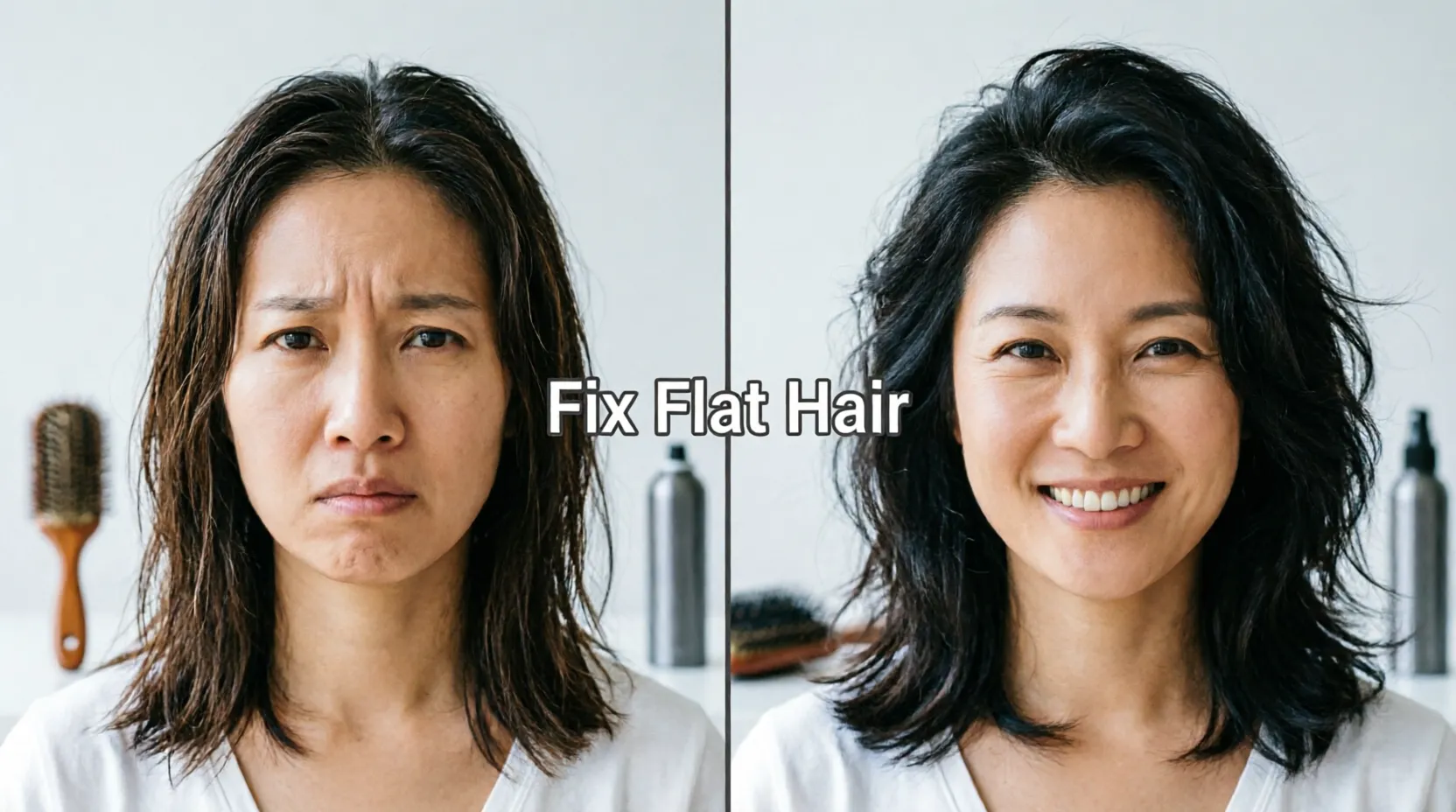
The Frustrating Reality of Flat Hair
You've spent time washing, conditioning, blow-drying, and styling your hair. You've used volumizing products, teased the roots, and sprayed it into place. Yet somehow, within hours—or even minutes—your hair falls flat, limp, and lifeless. If this scenario sounds all too familiar, you're not alone. Flat hair is one of the most common and frustrating hair concerns women face, regardless of hair type, length, or texture.
Flat hair isn't just a cosmetic issue—it can affect your confidence and how you feel about your overall appearance. Hair that lacks volume and bounce can make you look tired, older, or less polished than you'd like. The frustration is compounded when you've tried everything: volumizing shampoos, root-lifting sprays, hot rollers, and countless YouTube tutorials, yet your hair still refuses to hold volume.
The good news? Flat hair is rarely a permanent condition. In most cases, it's a symptom of underlying issues that can be identified and corrected. Whether the culprit is product buildup, the wrong haircut, damaged hair, hormonal changes, or styling mistakes, there are solutions. This comprehensive guide will help you understand exactly why your hair looks flat despite your best styling efforts and provide actionable, science-backed strategies to restore volume, body, and bounce to your locks.
Understanding What Causes Flat Hair
Before you can fix flat hair, you need to understand what's causing it. Multiple factors can contribute to limp, lifeless locks, and often it's a combination of issues rather than a single problem.
Hair Structure and Volume Basics
To understand why hair goes flat, it helps to know how volume works. Hair volume is determined by several factors:
Hair shaft diameter: Individual strand thickness varies from person to person. Fine hair has a smaller diameter and naturally has less volume than thick or coarse hair.
Hair density: This refers to how many hairs you have per square inch on your scalp. High density means more hairs, which typically creates more volume.
Root lift: The angle at which hair grows from the scalp and how well it maintains that lift determines overall volume. When roots lie flat against the scalp, hair appears limp.
Body and texture: Hair with natural wave or curl has more inherent volume than pin-straight hair because the bends and curves create space between strands.
When any of these factors are compromised, whether by genetics, damage, or external factors, hair loses volume and appears flat.
The Weight Factor
One of the primary reasons hair looks flat is simply weight. Hair can be weighed down by:
- Product buildup: Styling products, dry shampoo, conditioners, and oils accumulate on hair shafts
- Natural oils: Sebum from the scalp travels down the hair shaft
- Environmental pollutants: Dust, smoke, and airborne particles coat hair
- Hard water minerals: Calcium and magnesium deposits add weight
- Heavy hair products: Some formulas are simply too rich for your hair type
When hair is weighed down, gravity pulls it flat against the scalp, eliminating any natural lift or bounce. This is especially problematic for people with fine or thin hair, which has less structural integrity to resist the pull of gravity.
Common Reasons Your Hair Looks Flat
Let's explore the specific factors that can cause your carefully styled hair to fall flat.
1. Product Buildup and Residue
This is one of the most common culprits behind flat hair. When you regularly use styling products—mousse, gel, hairspray, dry shampoo, serums, leave-in conditioners—residues accumulate on your hair shaft and scalp. Over time, this buildup:
- Weighs hair down, eliminating volume
- Creates a coating that prevents moisture from penetrating
- Makes hair look dull and lifeless
- Prevents styling products from working effectively
- Causes hair to feel greasy even when clean
Silicone buildup is particularly problematic. While silicones create temporary smoothness and shine, they accumulate over time and are difficult to remove with regular shampoo. This creates a heavy coating that flattens hair.
Dry shampoo overuse is another common issue. While convenient, dry shampoo absorbs oil but leaves behind starch and powder residues that build up and weigh hair down.
2. Using the Wrong Products for Your Hair Type
Not all hair products are created equal, and using products formulated for the wrong hair type can sabotage your volume goals:
Heavy, moisturizing products on fine hair: If you have fine or thin hair but use products designed for thick, coarse, or curly hair, you'll overwhelm your strands. Rich creams, heavy oils, and intensive conditioners are too much for fine hair and will weigh it down.
Conditioner on the wrong areas: Applying conditioner to your roots and scalp instead of just mid-lengths and ends adds unnecessary weight where you need volume most.
Wrong shampoo formula: Moisturizing or smoothing shampoos often contain heavy ingredients that flatten hair. Fine hair typically needs clarifying or volumizing formulas.
Too many products: Layering multiple styling products—mousse, then spray, then serum, then hairspray—creates buildup and weight. Sometimes less is more.
3. Over-Conditioning and Moisture Overload
While moisture is essential for healthy hair, too much can be counterproductive. Over-conditioning leads to what's called "moisture overload" or "hygral fatigue," where hair becomes:
- Overly soft and limp
- Lacking in structure and body
- Unable to hold style
- Prone to frizz despite being weighed down
- Flat and lifeless
This happens when:
- You condition every time you shampoo (fine hair may only need conditioner 2-3 times weekly)
- You use deep conditioning treatments too frequently
- You leave conditioner on for too long
- You use heavy, rich conditioners not suited to your hair type
- You don't rinse conditioner out thoroughly
Fine or low-porosity hair is particularly susceptible to moisture overload because it doesn't absorb moisture well and gets weighed down easily.
4. Damaged or Over-Processed Hair
Paradoxically, damaged hair can appear both frizzy and flat. When hair is damaged from coloring, bleaching, heat styling, or chemical treatments:
- The cuticle is compromised: The outer layer becomes rough and uneven, preventing hair from reflecting light and appearing full
- Loss of elasticity: Damaged hair can't bounce back, so it lies flat
- Split ends and breakage: These make hair look thin and lifeless
- Porous hair: Over-processed hair becomes overly porous, absorbing too much moisture and becoming limp
- Weak structure: Damaged hair lacks the strength to maintain volume
Heat damage is particularly common. Regular use of flat irons, curling wands, and blow dryers at high temperatures breaks down the hair's protein structure, leaving it weak, flat, and unable to hold style.
5. Incorrect Haircut or Length
Your haircut plays a crucial role in how much volume your hair has:
Hair that's too long: Long hair is heavier, and the weight pulls down on the roots, eliminating volume. This is especially true for fine hair.
Lack of layers: One-length cuts, especially on thick hair, can create a heavy, triangular shape that lies flat at the roots.
Wrong layer placement: Layers that start too low won't add volume at the roots where you need it most.
Blunt cuts on fine hair: While blunt cuts can work for some, they can make fine hair look thinner and flatter.
Outgrown style: As your haircut grows out, it loses its shape and volume-creating structure.
6. Scalp Health and Oil Production
Your scalp's condition directly affects hair volume:
Oily scalp: Excess sebum production weighs hair down at the roots. This can be genetic, hormonal, or caused by overwashing (which strips natural oils, causing the scalp to overcompensate).
Product buildup on scalp: Clogged hair follicles can affect hair growth and volume.
Dandruff or seborrheic dermatitis: These conditions create flakes and inflammation that can weigh hair down and affect scalp health.
Poor circulation: Reduced blood flow to the scalp means less oxygen and nutrients to hair follicles, potentially affecting hair thickness and volume.
7. Hormonal Changes and Health Factors
Internal factors significantly impact hair volume:
Hormonal fluctuations: Pregnancy, postpartum, perimenopause, and menopause all affect hair texture and volume. Decreasing estrogen levels often lead to thinner, flatter hair.
Thyroid issues: Both hypothyroidism and hyperthyroidism can cause hair to become thin, brittle, and flat.
Nutritional deficiencies: Lack of protein, iron, biotin, or other essential nutrients affects hair health and volume.
Stress: Chronic stress elevates cortisol, which can disrupt the hair growth cycle and lead to thinner, flatter hair.
Medications: Some medications affect hair texture and density as a side effect.
8. Styling Mistakes
Even with the right products and healthy hair, styling errors can create flatness:
Blow-drying incorrectly: Drying hair while it hangs down pulls roots flat. Not using a round brush or not directing airflow properly eliminates volume.
Applying products to wrong areas: Putting heavy products at the roots instead of mid-lengths and ends weighs hair down.
Over-brushing: Excessive brushing distributes oils from scalp to ends but also flattens hair and can cause breakage.
Using dirty tools: Brushes and combs covered in old product and oil transfer buildup back to clean hair.
Not letting products set: Not allowing mousse or root lifter to dry before styling reduces effectiveness.
Sleeping on wet hair: This can cause hair to dry in a flattened position and create awkward kinks.
9. Environmental Factors
External conditions affect hair volume:
Humidity: High humidity causes hair to absorb moisture from the air, which can make it limp and flat, especially if hair is already damaged or porous.
Hard water: Mineral deposits from calcium and magnesium coat hair, adding weight and preventing products from working effectively.
Pollution: Airborne particles and toxins accumulate on hair, weighing it down.
Sun damage: UV rays break down hair proteins, weakening structure and reducing volume.
10. Hair Type and Genetics
Sometimes flat hair is simply your natural texture:
Fine hair: Individual strands have a smaller diameter, making them naturally less voluminous.
Straight hair: Pin-straight hair lacks the natural bends and waves that create volume.
Low density: Fewer hairs per square inch means less natural volume.
Asian hair: Typically straighter and heavier, making it more prone to lying flat.
While you can't change your genetics, understanding your hair type helps you work with it rather than against it, using appropriate products and techniques to maximize your natural volume potential.
How to Fix Flat Hair: Proven Solutions
Now that you understand what causes flat hair, let's explore comprehensive solutions to restore volume and body.
Solution 1: Clarify and Reset
If product buildup is weighing down your hair, start with a clarifying treatment:
Use a clarifying shampoo: Once weekly or bi-weekly, use a clarifying shampoo to remove buildup. Look for formulas with:
- Apple cider vinegar
- Charcoal
- Clay (bentonite or rhassoul)
- Gentle sulfates (occasional use is okay for clarifying)
DIY clarifying rinse:
- Mix 1 tablespoon baking soda with your regular shampoo
- Or use 1-2 tablespoons apple cider vinegar diluted in 1 cup water as a final rinse
- Use monthly, not weekly, to avoid over-stripping
Important: Always follow clarifying with a lightweight conditioner on ends only, as clarifying can be drying.
Solution 2: Choose the Right Products
Product selection is crucial for adding volume:
Shampoo:
- Use volumizing or strengthening formulas
- Look for "fine hair" or "volume" on the label
- Avoid moisturizing, smoothing, or hydrating shampoos
- Consider sulfate-free volumizing options for daily use
Conditioner:
- Use lightweight, volumizing conditioners
- Apply only from mid-length to ends
- Avoid the root area completely
- Consider skipping conditioner on days you don't shampoo
- Try conditioner alternatives like apple cider vinegar rinse
Styling products:
- Root lifter: Apply to damp roots before blow-drying
- Volumizing mousse: Lightweight formula adds body without weight
- Dry shampoo: Use preventively on clean hair, not just when oily
- Texturizing spray: Adds grit and grip for volume
- Lightweight hairspray: Flexible hold without stiffness
Avoid:
- Heavy oils and serums (or use sparingly on ends only)
- Thick creams and butters
- Products with silicones (dimethicone, cyclomethicone)
- Over-moisturizing treatments
Solution 3: Optimize Your Washing Routine
How you wash your hair affects volume:
Washing frequency:
- Fine, oily hair: Every other day or every 2 days
- Normal hair: 2-3 times weekly
- Don't overwash, which can cause rebound oil production
- Don't underwash, which allows buildup
Washing technique:
- Water temperature: Use lukewarm water to wash, cool water to rinse (hot water strips oils and flattens hair)
- Shampoo application: Focus on scalp, massage gently, let suds clean lengths as you rinse
- Conditioner application: Mid-lengths to ends only, never roots
- Rinsing: Rinse thoroughly with cool water to seal cuticles and add shine
- Drying: Gently squeeze with microfiber towel, don't rub
Solution 4: Master Volumizing Styling Techniques
Proper styling technique is essential for lasting volume:
Blow-drying for volume:
- Prep: Apply root lifter or volumizing mousse to damp hair
- Flip hair upside down: Dry roots while hair is inverted for maximum lift
- Use a round brush: Lift sections at the root, directing heat at the base
- Direct airflow downward: This smooths cuticles while maintaining volume
- Cool shot: Use the cool setting to set volume in place
- Don't over-dry: Stop when hair is 90% dry to prevent damage
Root-lifting techniques:
- Velcro rollers: Apply to damp or dry roots, leave while you get ready
- Hot rollers: Use large rollers at the crown for lift
- Clip method: While hair is damp, clip sections at the roots away from the scalp
- Teasing/backcombing: Gently tease at the crown for instant volume (be gentle to avoid damage)
Dry shampoo technique:
- Apply to clean, dry roots preventively
- Hold 6-8 inches from scalp
- Massage in thoroughly
- Brush through to distribute
- Adds instant texture and lift
Solution 5: Get the Right Haircut
The right cut can add inches of perceived volume:
For fine hair:
- Consider a blunt bob or lob (long bob)
- Avoid overly long hair that weighs down roots
- Subtle layers can add movement without thinning
- Face-framing layers create dimension
For thick hair that falls flat:
- Add layers throughout to remove weight
- Long layers maintain length while adding volume
- Texturizing techniques remove bulk without sacrificing length
General tips:
- Regular trims every 6-8 weeks maintain shape
- Discuss volume goals with your stylist
- Consider a shorter cut if length is weighing hair down
- Ask about texturizing techniques
Solution 6: Improve Scalp Health
A healthy scalp supports voluminous hair:
Scalp massage:
- Massage scalp for 5 minutes daily
- Increases blood circulation to follicles
- Stimulates natural oil production
- Can be done dry or with lightweight oil
Scalp treatments:
- Use scalp scrubs monthly to remove buildup
- Try tea tree oil for oily scalp (add to shampoo)
- Apple cider vinegar rinse balances pH
- Avoid heavy oils on scalp if prone to oiliness
Address underlying issues:
- Treat dandruff with medicated shampoo
- See a dermatologist for persistent scalp issues
- Manage stress, which affects oil production
Solution 7: Protect Hair from Damage
Preventing damage maintains hair's natural body:
Heat protection:
- Always use heat protectant before styling
- Keep tools below 350°F (180°C)
- Limit heat styling to 2-3 times weekly
- Embrace air-drying when possible
Gentle handling:
- Use wide-tooth comb on wet hair
- Start detangling from ends, work up
- Avoid tight hairstyles that cause tension
- Sleep on silk pillowcase to reduce friction
Regular trims:
- Remove split ends every 6-8 weeks
- Prevents breakage from traveling up shaft
- Maintains healthy appearance
Solution 8: Nutrition and Lifestyle
Internal health affects hair volume:
Protein intake:
- Hair is made of keratin protein
- Eat adequate protein (0.8-1g per pound of body weight)
- Include eggs, fish, lean meats, legumes
Key nutrients:
- Iron: Prevents thinning (leafy greens, red meat)
- Biotin: Supports hair strength (eggs, nuts)
- Vitamin D: Promotes follicle health (sunlight, fatty fish)
- Omega-3s: Supports scalp health (salmon, walnuts)
- Zinc: Aids hair tissue repair (pumpkin seeds, beef)
Lifestyle factors:
- Manage stress through meditation, yoga, exercise
- Get 7-9 hours of quality sleep nightly
- Stay hydrated (8-10 glasses water daily)
- Avoid smoking, which reduces scalp circulation
- Exercise regularly to improve circulation
Solution 9: Address Hormonal and Medical Issues
If lifestyle changes don't help, consider medical factors:
- Get thyroid levels tested
- Check for hormonal imbalances
- Test for nutritional deficiencies (iron, vitamin D, B12)
- Review medications with your doctor
- Consider hormone replacement therapy if appropriate
Consult a trichologist or dermatologist if flat hair is accompanied by excessive shedding, thinning, or other concerning symptoms.
Solution 10: Quick Fixes for Instant Volume
When you need immediate results:
Same-day solutions:
- Dry shampoo: Apply to roots for instant lift
- Texturizing spray: Adds grit and body
- Flip and shake: Flip hair upside down, shake vigorously
- Change your part: A new part creates instant volume
- Backcomb gently: Tease at crown for quick lift
- Use velcro rollers: 10-15 minutes while you get ready
- Ponytail trick: Put hair in high pony while damp, release when dry for waves
Creating Your Volume-Building Routine
Put it all together with this comprehensive routine:
Morning Routine
- Flip hair upside down, shake gently
- Apply dry shampoo to roots if needed
- Use texturizing spray for grip
- Touch up with round brush and blow dryer on cool setting
- Finish with lightweight hairspray
Wash Day Routine (2-3x weekly)
- Clarify or use volumizing shampoo
- Condition ends only with lightweight formula
- Apply root lifter to damp roots
- Blow dry upside down or with round brush
- Use cool shot to set volume
- Apply lightweight styling products
Weekly Maintenance
- One clarifying wash weekly or bi-weekly
- Scalp massage 5 minutes daily
- Deep condition ends only (not roots) weekly
- Clean brushes and tools weekly
- Trim ends every 6-8 weeks
Common Mistakes That Keep Hair Flat
Avoid these volume-killing errors:
Mistake #1: Over-Conditioning
Problem: Conditioning roots or using heavy conditioners.
Fix: Condition ends only, use lightweight formulas.
Mistake #2: Skipping Clarifying
Problem: Buildup accumulates, weighing hair down.
Fix: Clarify weekly or bi-weekly.
Mistake #3: Using Heavy Products
Problem: Oils, creams, and serums flatten fine hair.
Fix: Use lightweight, volumizing formulas only.
Mistake #4: Blow-Drying Incorrectly
Problem: Drying hair while it hangs down eliminates root lift.
Fix: Dry upside down or use round brush to lift roots.
Mistake #5: Not Getting Regular Trims
Problem: Split ends make hair look thin and flat.
Fix: Trim every 6-8 weeks.
The Bottom Line
Flat hair despite styling is frustrating, but it's almost always solvable. The key is identifying what's causing your specific volume issues—whether it's product buildup, the wrong products, damage, hormonal changes, or styling mistakes—and addressing those root causes systematically.
Remember: volume starts with healthy hair and a healthy scalp. No amount of styling product can compensate for underlying issues like damage, buildup, or poor scalp health. Focus on the fundamentals: regular clarifying, appropriate products for your hair type, proper styling techniques, and good overall health.
Be patient with the process. It may take several weeks to remove buildup, adjust to new products, and see results from lifestyle changes. But with consistent care and the right approach, you can achieve the volume, body, and bounce you've been seeking.
Your hair has the potential for volume—it just needs the right support to show it. Start implementing these strategies today, and watch your flat, lifeless locks transform into the voluminous, bouncy hair of your dreams.


0 Comments