
Why Hair Loses Movement Over Time
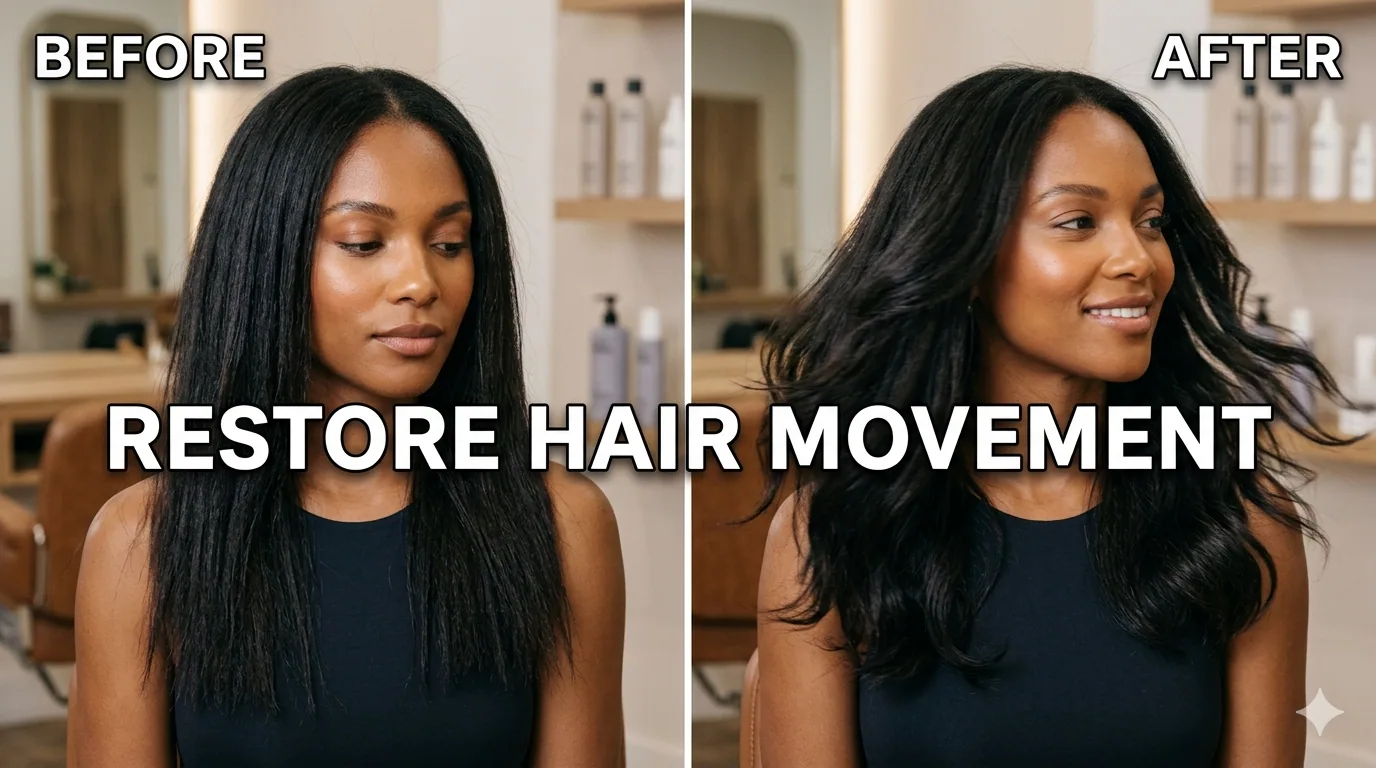
Introduction: When Your Hair Stops Dancing
There's a moment many women notice but rarely discuss: the day their hair stops moving the way it used to. You shake your head, and instead of a fluid cascade, your strands move as a single, heavy unit. You run your fingers through your hair, and instead of silky glide, you feel resistance. You style your hair with volume, and within hours, it falls flat—not from lack of product, but from lack of life.
This loss of movement isn't just about styling technique or product choice. It's a biological reality rooted in the cumulative effects of time, environment, and care habits on your hair's structure. Hair movement—that effortless bounce, flow, and responsiveness—is determined by a delicate interplay of elasticity, weight, surface smoothness, and internal integrity. When any of these factors shift, movement diminishes.
Understanding why hair loses movement over time is the first step toward restoring it. This comprehensive guide explores the science behind hair mobility, identifies the hidden culprits that weigh hair down or stiffen strands, and provides evidence-based strategies to bring back bounce, flow, and that coveted sense of hair that moves with you—not against you.
What Creates Hair Movement? The Science of Bounce and Flow
Before addressing why movement fades, it's essential to understand what creates it in the first place. Hair movement isn't a single property—it's the visible result of multiple structural and physical factors working together.
The Four Pillars of Hair Movement
- Elasticity: The ability of hair to stretch and return to its original shape without breaking. High elasticity allows hair to bounce back after movement; low elasticity creates stiffness.
- Weight-to-strength ratio: Hair that is strong relative to its weight moves freely; hair that is heavy relative to its strength hangs limp.
- Surface smoothness: A smooth cuticle surface reduces friction between strands, allowing them to slide past each other easily. Rough surfaces create drag that inhibits movement.
- Internal integrity: Intact protein structure (keratin) and balanced moisture content allow hair to flex naturally. Compromised structure creates brittleness or mushiness that disrupts flow.
How These Factors Interact
These pillars don't operate in isolation. For example:
- Damage to the cuticle (reducing surface smoothness) increases friction, which can cause breakage (reducing internal integrity), which shortens hair length (altering weight-to-strength ratio).
- Protein loss (reducing internal integrity) decreases elasticity, making hair less able to bounce back after movement.
- Product buildup (increasing weight) can overwhelm hair's natural strength, causing it to hang flat despite good elasticity.
Understanding these interactions helps explain why restoring movement often requires addressing multiple factors simultaneously.
Featured Snippet: Hair movement depends on four pillars: elasticity (stretch and return), weight-to-strength ratio (light but strong strands), surface smoothness (low friction between strands), and internal integrity (intact protein and moisture balance). These factors interact—damage to one affects others. Restoring movement often requires addressing multiple pillars together.
Culprit 1: Age-Related Changes in Hair Structure
Just as skin and bones change with age, so does hair. These structural shifts directly impact movement.
Declining Elasticity
What happens: Hair elasticity naturally decreases with age due to:
- Keratin degradation: The protein structure that gives hair strength and flexibility gradually weakens
- Disulfide bond loss: Chemical bonds that provide structural integrity break down over time
- Reduced moisture retention: Aging hair holds less water, making it less pliable
Impact on movement: Less elastic hair doesn't bounce back after movement. Instead of springing into place, it hangs or kinks, creating a stiff, lifeless appearance.
Changes in Hair Diameter and Density
What happens: With age, individual hair strands may become finer, and overall hair density may decrease.
Impact on movement:
- Finer strands have less structural strength, making them more prone to breaking under their own weight
- Reduced density means less collective volume to support movement
- Thinner hair may cling to the scalp rather than moving freely
Scalp and Follicle Changes
What happens: The scalp produces less sebum with age, and follicles may produce hair with altered texture.
Impact on movement:
- Less natural oil means less lubrication between strands, increasing friction
- Altered follicle output may produce hair with different curl patterns or texture that moves differently
- Reduced scalp circulation can affect hair health and resilience
Cumulative Damage Over Decades
What happens: Years of environmental exposure, styling, and chemical treatments accumulate.
Impact on movement: Even minor damage, repeated over decades, creates significant structural compromise that weighs hair down and reduces bounce.
Featured Snippet: Age-related hair changes reduce movement: declining elasticity (weaker keratin, bond loss, less moisture); finer strands and reduced density (less strength and volume); scalp changes (less oil, altered follicle output); cumulative damage over decades. These shifts create stiffer, less responsive hair. Prevention and targeted care can mitigate effects.
Culprit 2: Cuticle Damage and Surface Friction
The hair cuticle—the outermost layer of overlapping scales—is critical for smooth movement. When cuticles are damaged, friction increases and flow decreases.
How Cuticle Damage Inhibits Movement
- Lifted scales: Damaged cuticles don't lie flat, creating a rough surface that catches against neighboring strands
- Increased friction: Rough surfaces generate drag, preventing strands from sliding smoothly past each other
- Moisture loss: Gaps in the cuticle allow water to escape, making hair brittle and less flexible
- Product buildup: Damaged cuticles trap products unevenly, creating patchy weight that disrupts uniform movement
Common Causes of Cuticle Damage
- Heat styling: Temperatures above 300°F (150°C) can melt or crack cuticles
- Chemical treatments: Coloring, bleaching, perming, or relaxing lift and weaken cuticles
- Mechanical stress: Aggressive brushing, tight hairstyles, or rough towel-drying
- Environmental exposure: UV radiation, pollution, and hard water minerals degrade cuticle integrity
- Over-washing: Stripping natural oils leaves cuticles vulnerable to damage
Signs Cuticle Damage Is Affecting Movement
- Hair tangles easily, especially at mid-lengths and ends
- Strands feel rough or "grippy" when slid between fingers
- Hair moves as a stiff unit rather than individual flowing strands
- Shine appears patchy or disappears after washing
- Products don't distribute evenly; some areas feel coated while others feel dry
Restoring Cuticle Smoothness for Better Movement
- Lower heat exposure: Use heat protectants and keep styling tools below 300°F
- Acidic rinses: Apple cider vinegar or pH-balancing products help flatten cuticles
- Protein treatments: Hydrolyzed keratin or wheat protein can temporarily fill cuticle gaps
- Gentle handling: Use wide-tooth combs, microfiber towels, and loose hairstyles
- Seal with lightweight oils: Argan or squalane can smooth cuticles without weighing hair down
Featured Snippet: Cuticle damage inhibits hair movement by increasing surface friction, causing moisture loss, and trapping product buildup unevenly. Signs include tangling, rough texture, stiff movement, and patchy shine. Restore smoothness with lower heat, acidic rinses, protein treatments, gentle handling, and lightweight sealing oils. Prevention is key—cuticles cannot fully regenerate.
Culprit 3: Product Buildup and Weight Accumulation
Many hair products contain ingredients that enhance manageability but can accumulate over time, adding weight that suppresses natural movement.
Ingredients That Add Weight
- Heavy silicones: Dimethicone, cyclomethicone create smoothness but can build up without proper cleansing
- Thick butters: Shea butter, cocoa butter provide moisture but may weigh down fine or medium hair
- Waxes and polymers: Styling products often contain film-formers that add hold but reduce flow
- Mineral oil and petroleum derivatives: Create a glossy film that can feel heavy
How Buildup Suppresses Movement
- Added mass: Even lightweight products accumulate, increasing hair's overall weight
- Reduced elasticity: Coatings can make hair feel stiff rather than flexible
- Uneven distribution: Buildup may concentrate in certain areas, creating imbalanced weight that disrupts natural flow
- Blocked moisture exchange: Heavy films can prevent hair from absorbing or releasing moisture naturally, affecting flexibility
Signs Product Buildup Is Weighing Hair Down
- Hair feels heavy, greasy, or "coated" despite recent washing
- Volume disappears quickly after styling
- Products don't absorb; they sit on the surface
- Scalp feels itchy or congested
- Styling products don't work as well as they used to
Clarifying Without Stripping
Removing buildup requires strategic cleansing that eliminates residue without damaging hair:
- Use a clarifying shampoo monthly: Look for formulas with gentle surfactants (cocamidopropyl betaine) rather than harsh sulfates
- Apple cider vinegar rinse: Mix 1 part ACV with 3 parts water; rinse after shampooing to dissolve mineral and product buildup
- Chelating treatments: For hard water areas, use products with EDTA or citric acid to remove mineral deposits
- Pre-shampoo oil treatment: Apply light oil (jojoba, argan) before shampooing to help lift buildup
Balance tip: Clarify only as needed (typically every 2-4 weeks). Over-clarifying strips natural oils and can worsen stiffness.
Featured Snippet: Product buildup suppresses hair movement by adding weight, reducing elasticity, creating uneven distribution, and blocking moisture exchange. Signs include heavy/coated feel, quick volume loss, poor product absorption, and scalp congestion. Clarify monthly with gentle shampoos, ACV rinses, or chelating treatments. Balance cleansing to remove buildup without stripping natural oils.
Culprit 4: Moisture-Protein Imbalance
Healthy hair movement requires a delicate balance between moisture (hydration) and protein (structural strength). When this balance is disrupted, hair loses its ability to move naturally.
Too Much Moisture, Not Enough Protein
What happens: Over-hydrated hair becomes overly soft, weak, and prone to stretching without returning.
Impact on movement:
- Hair stretches excessively but doesn't bounce back, creating a limp, lifeless appearance
- Strands lack the structural integrity to support their own weight
- Hair may feel mushy when wet and frizzy when dry, disrupting smooth flow
Signs: Hair feels stretchy or gummy when wet; breaks easily despite appearing soft; loses style quickly; lacks hold or definition.
Solution: Incorporate protein treatments (hydrolyzed keratin, wheat protein, silk amino acids) every 2-4 weeks. Look for products labeled "strengthening" or "reconstructing."
Too Much Protein, Not Enough Moisture
What happens: Over-proteinized hair becomes stiff, brittle, and inflexible.
Impact on movement:
- Hair lacks the flexibility to move naturally; it moves as a rigid unit
- Strands break under tension rather than bending
- Hair may feel crunchy or straw-like, resisting styling and flow
Signs: Hair feels stiff or brittle; breaks with minimal tension; appears shiny but lacks movement; resists styling; feels "crunchy" after products.
Solution: Focus on hydration: use moisturizing masks with humectants (glycerin, hyaluronic acid), emollients (squalane, argan oil), and occlusives (shea butter) to restore flexibility.
Finding Your Balance
The strand test: Take a single strand of clean, wet hair and gently stretch it:
- Healthy: Stretches 20-30% and returns to original length
- Moisture-deficient: Breaks immediately with little stretch
- Protein-deficient: Stretches excessively without returning, or feels mushy
Adjust based on results: If protein-deficient, add protein treatments. If moisture-deficient, focus on hydration. Re-test monthly as needs change.
Featured Snippet: Moisture-protein imbalance disrupts hair movement: too much moisture makes hair mushy and limp; too much protein makes hair stiff and brittle. Test hair elasticity when wet: healthy hair stretches 20-30% and returns. Adjust treatments based on results—protein for mushiness, moisture for brittleness. Re-test monthly as needs change.
Culprit 5: Environmental and Lifestyle Factors
Beyond internal structure, external factors accumulate over time to affect hair movement.
UV Radiation and Oxidative Stress
Impact: UV rays degrade keratin proteins and oxidize lipids in the hair shaft.
Result: Weakened structure reduces elasticity; oxidized surface increases friction; both suppress natural movement.
Protection: Use hair products with UV filters; wear hats in strong sun; apply antioxidant serums to neutralize free radicals.
Hard Water and Mineral Buildup
Impact: Minerals like calcium and magnesium deposit on hair, creating a gritty texture and adding weight.
Result: Increased friction between strands; added mass that weighs hair down; blocked moisture absorption affecting flexibility.
Solutions: Install a shower filter; use chelating shampoos monthly; rinse with filtered or bottled water for final rinse; incorporate acidic rinses to dissolve minerals.
Humidity and Moisture Exchange
Impact: High humidity causes hair to absorb moisture from the air, swelling the shaft and disrupting hydrogen bonds.
Result: Frizz increases friction; swollen strands move less freely; style loses definition quickly.
Management: Use humidity-resistant products with film-forming polymers (PVP, VA/crotonates) that create a flexible barrier. Avoid heavy oils that attract more moisture.
Stress and Hormonal Shifts
Impact: Chronic stress elevates cortisol, which can affect hair growth cycles and quality. Hormonal changes (menstrual cycle, pregnancy, perimenopause) alter sebum production and hair texture.
Result: Changes in hair quality affect elasticity, weight, and surface smoothness—all pillars of movement.
Management: Prioritize stress reduction practices; support hormonal health through nutrition and sleep; adjust hair care routine to match current hormonal state.
Featured Snippet: Environmental factors suppress hair movement: UV radiation degrades structure; hard water adds weight and friction; humidity causes swelling and frizz; stress and hormones alter hair quality. Protect with UV filters, shower filters, humidity-resistant products, and stress management. Adjust routine to match current environmental and hormonal conditions.
Restoring Movement: Evidence-Based Strategies
Once you've identified the likely culprits, targeted strategies can help restore your hair's natural bounce and flow.
For Elasticity Restoration
- Protein treatments: Use hydrolyzed keratin or wheat protein monthly to reinforce structure
- Moisture balance: Follow protein with hydrating treatments to maintain flexibility
- Heat protection: Always apply a heat protectant before styling to prevent further elasticity loss
- Gentle drying: Pat hair with microfiber towel; avoid rough rubbing that stresses strands
For Cuticle Smoothing
- Acidic rinses: Apple cider vinegar (1:3 with water) or pH-balancing products help flatten cuticles
- Lightweight sealing oils: Argan, squalane, or jojoba oil smooth cuticles without weighing hair down
- Wide-tooth combing: Detangle gently from ends to roots to minimize cuticle damage
- Protective styles: Minimize mechanical stress with loose braids or buns
For Buildup Removal
- Strategic clarifying: Use a gentle clarifying shampoo every 2-4 weeks
- Product rotation: Alternate silicone-based and silicone-free products to prevent accumulation
- Pre-shampoo treatments: Apply light oil before shampooing to help lift residue
- Thorough rinsing: Ensure all product is washed out; residue contributes to weight
For Weight Management
- Layer products strategically: Apply lightweight products to roots, richer products to ends
- Choose formulas for your hair type: Fine hair needs lightweight, volumizing products; thick hair can tolerate richer formulas
- Focus application: Avoid applying heavy products to roots where weight most suppresses movement
- Regular trims: Remove damaged, heavy ends that weigh down overall movement
The Movement Restoration Routine Template
Weekly:
- Clarifying shampoo (if needed) or gentle cleanse
- Protein or moisture treatment (based on strand test)
- Deep conditioning mask with cuticle-smoothing ingredients
Bi-weekly:
- Acidic rinse (ACV or pH-balancing product) to flatten cuticles
- Scalp massage to boost circulation and product absorption
Monthly:
- Professional trim to remove damaged ends
- Reassess hair needs with strand tests
Daily:
- Heat protectant before styling
- Gentle detangling with wide-tooth comb
- Lightweight serum or oil to seal cuticles and enhance movement
Featured Snippet: Restore hair movement with targeted strategies: for elasticity—protein treatments, moisture balance, heat protection; for cuticles—acidic rinses, lightweight oils, gentle combing; for buildup—strategic clarifying, product rotation; for weight—layer products strategically, choose formulas for hair type, regular trims. Use a weekly restoration routine with monthly reassessment.
Preventing Movement Loss: Long-Term Hair Health
Prevention is more effective than repair. These habits help maintain hair movement over time.
Heat Styling Best Practices
- Temperature control: Keep tools below 300°F (150°C); fine or damaged hair needs lower heat
- Heat protectant: Always apply before heat exposure; look for ingredients like dimethicone, cyclomethicone, or natural alternatives
- Limit frequency: Aim for 2-3 heat-styling sessions weekly maximum
- Use ceramic or tourmaline tools: Distribute heat more evenly than metal plates
Chemical Treatment Wisdom
- Space treatments: Allow 8-12 weeks between coloring, bleaching, or relaxing
- Choose gentle formulas: Ammonia-free color, low-volume developers, bond-building additives
- Pre-treatment care: Strengthen hair with protein treatments 1-2 weeks before chemical services
- Post-treatment recovery: Focus on moisture and protein balance for 4-6 weeks after chemical services
Environmental Protection Habits
- UV defense: Wear hats or use hair products with UV filters in strong sun
- Hard water management: Install shower filters; rinse with filtered water for final rinse
- Pollution protection: Rinse hair after exposure to high-pollution environments
- Humidity management: Use anti-frizz products with film-forming polymers in humid climates
Nutritional Support for Hair Movement
True hair health starts from within:
- Protein: Adequate intake (0.8-1g per kg body weight) supports keratin production
- Biotin and B vitamins: Support hair strength and growth
- Omega-3 fatty acids: Reduce inflammation and support scalp health
- Iron and zinc: Essential for hair growth and repair
- Vitamin C and E: Antioxidants that protect hair from oxidative damage
Hydration: Drink adequate water daily; dehydrated body = dehydrated hair.
Stress Management for Hair Health
Chronic stress elevates cortisol, which can:
- Disrupt hair growth cycles
- Increase inflammation affecting scalp health
- Deplete nutrients needed for hair strength
Stress-reduction practices: Daily meditation, adequate sleep, regular exercise, and mindful breathing support overall hair health.
Featured Snippet: Prevent movement loss with long-term habits: heat styling below 300°F with protectant; space chemical treatments 8-12 weeks; protect from UV, hard water, pollution; support hair nutritionally with protein, B vitamins, omega-3s, iron, zinc, antioxidants; manage stress to support growth cycles. Prevention preserves elasticity, smoothness, and natural flow.
Product Selection: Ingredients That Enhance Movement
Choosing the right products helps restore and maintain hair movement. Look for these ingredients:
For Elasticity Support
- Hydrolyzed proteins: Keratin, wheat, silk amino acids reinforce structure without stiffness
- Panthenol (Pro-Vitamin B5): Penetrates hair shaft to strengthen and add flexibility
- Amino acids: Building blocks of keratin that support natural elasticity
For Cuticle Smoothing
- Amodimethicone: Silicone that targets damaged areas without heavy buildup
- Ceramides: Replenish lipids that hold cuticles flat
- Fatty alcohols: Cetyl, stearyl alcohol smooth without weighing hair down
For Lightweight Hydration
- Glycerin: Humectant that attracts moisture without heaviness
- Hyaluronic acid: Holds water without adding weight
- Aloe vera: Provides hydration with a light, non-greasy feel
For Buildup Prevention
- Gentle surfactants: Cocamidopropyl betaine, decyl glucoside cleanse without stripping
- Chelating agents: EDTA, citric acid remove mineral deposits
- Clarifying acids: Salicylic acid, glycolic acid dissolve product residue
Reading Labels Strategically
- Ingredient order: Ingredients are listed by concentration; actives should appear in first 5-10 ingredients
- Avoid harsh sulfates: SLS/SLES can strip natural oils and worsen stiffness
- Watch for drying alcohols: Alcohol denat, SD alcohol can dehydrate hair
- Look for pH balance: Products around pH 4.5-5.5 help maintain cuticle health
Featured Snippet: Choose products with movement-enhancing ingredients: elasticity support (hydrolyzed proteins, panthenol, amino acids); cuticle smoothing (amodimethicone, ceramides, fatty alcohols); lightweight hydration (glycerin, hyaluronic acid, aloe); buildup prevention (gentle surfactants, chelating agents, clarifying acids). Read labels strategically: actives in first 5-10 ingredients, avoid harsh sulfates and drying alcohols, prefer pH 4.5-5.5.
Frequently Asked Questions (FAQs)
Can lost hair movement be fully restored?
While you can't reverse all age-related changes, significant improvement in movement is often achievable. Restoring elasticity, smoothing cuticles, removing buildup, and balancing moisture-protein can bring back bounce and flow. Results vary based on the extent of damage and consistency of care, but most women see meaningful improvement within 8-12 weeks of targeted treatment.
How often should I clarify to maintain movement?
Most people benefit from clarifying every 2-4 weeks. If you use heavy silicones, live in a hard water area, or style frequently, you may need weekly clarification. If your hair is dry or color-treated, clarify less frequently (every 4-6 weeks) and follow with deep conditioning. Listen to your hair: if it feels heavy or limp, it may need clarifying.
Why does my hair feel stiff after protein treatments?
Over-proteinization can make hair stiff and brittle. If hair feels rigid after protein treatments, you may be using them too frequently or your hair may need more moisture. Balance protein with hydrating treatments and adjust frequency based on strand test results. Start with monthly treatments and increase only if needed.
Can hard water damage be reversed?
Mineral buildup from hard water can be removed with chelating shampoos, acidic rinses, or shower filters. However, if hard water has caused structural damage (cuticle erosion, protein degradation), focus on prevention and repair-focused care to restore movement. Consistent protection prevents further accumulation.
Is silicone bad for hair movement?
Silicones aren't inherently bad—they can smooth cuticles and reduce friction, enhancing movement. Problems arise when they accumulate without proper cleansing, adding weight that suppresses bounce. Use water-soluble silicones (like dimethicone copolyol) or clarify regularly to prevent buildup. Choose based on your hair's needs and cleansing routine.
How long does it take to restore hair movement?
Initial improvements in elasticity or smoothness may appear in 2-4 weeks with consistent care. Significant restoration of movement typically takes 8-12 weeks. Structural repair (cuticle health, protein balance) may require 3-6 months. Patience and consistency are essential—movement returns gradually as hair health improves.
Conclusion: Movement Is a Reflection of Health
Hair that moves freely isn't just aesthetically pleasing—it's a sign of underlying health. Elasticity, smoothness, balanced weight, and structural integrity work together to create that coveted sense of hair that flows with life. When movement fades, it's often your hair's way of signaling that one or more of these pillars needs support.
Restoring movement isn't about chasing trends or accumulating products. It's about understanding your hair's unique needs, protecting it from cumulative damage, and nourishing it with intention. It's about listening to what your hair tells you through texture, not just trusting what the mirror shows.
Start where you are. Identify the likely cause of your movement loss—elasticity decline, cuticle damage, buildup, imbalance, or environmental factors. Implement one targeted strategy this week. Observe how your hair responds. Adjust with curiosity, not criticism.
True movement isn't achieved overnight. It's cultivated through consistent, compassionate care. Your hair deserves that patience. Your confidence deserves that authenticity.
Feel the difference. Care with intention. Your healthiest, most vibrant hair awaits—not as an illusion, but as a reality you create, one gentle choice at a time.


0 Comments