

Why Hair Needs Moisture Balance and Not Just Oils
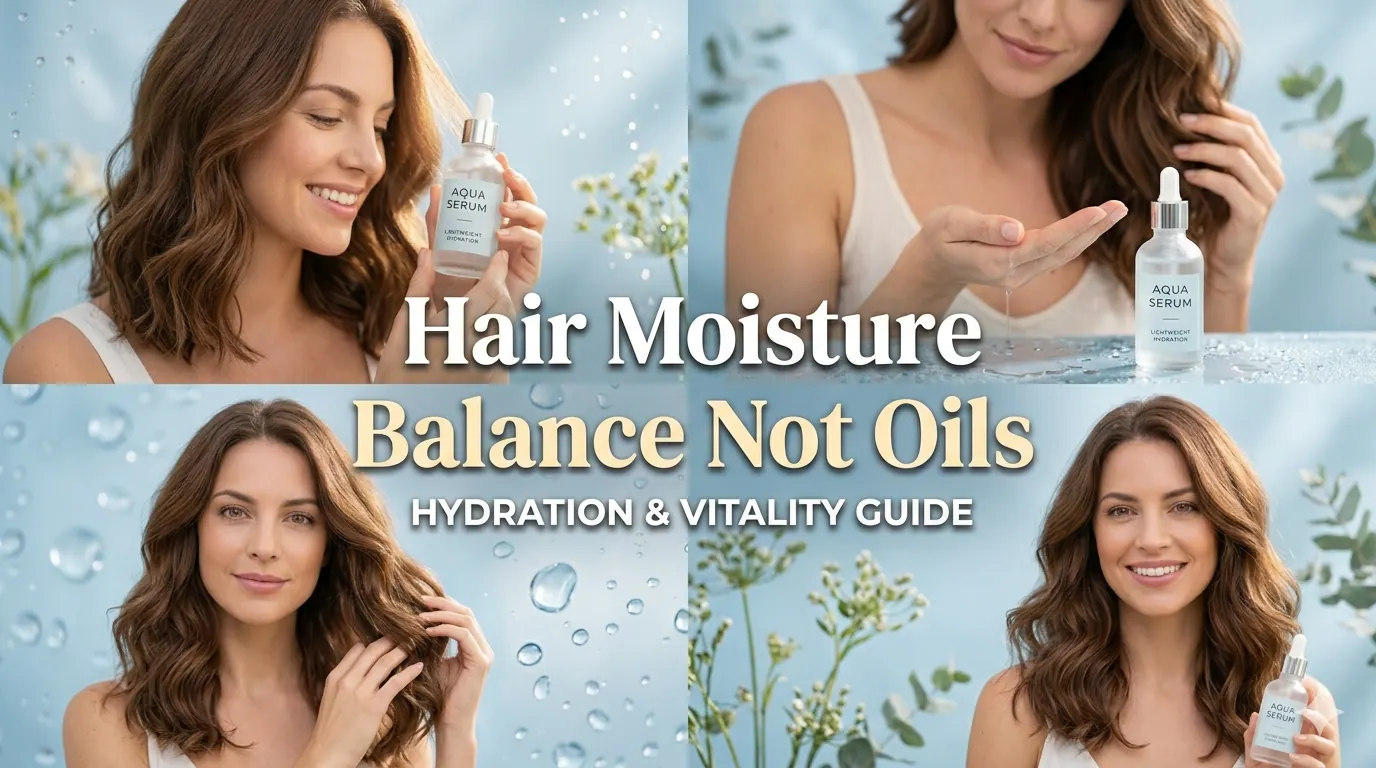
Introduction to Hair Moisture Balance
For decades, hair care advice has emphasized oils as the ultimate solution for dryness, frizz, and damage. From coconut oil masks to argan oil serums, the beauty industry has promoted oil-based treatments as essential for healthy hair. Yet many women find that despite regular oil applications, their hair still feels dry, brittle, or unmanageable. The reason is simple yet often overlooked: oils do not hydrate hair. Only water and water-based ingredients can deliver true moisture. Understanding the critical difference between moisture and oil, and learning how to achieve genuine moisture balance, is essential for transforming hair health and comfort.
Hair moisture balance refers to the optimal level of water content within the hair shaft that keeps strands flexible, strong, and resilient. When hair lacks adequate moisture, the cuticle lifts, protein structures weaken, and strands become prone to breakage, frizz, and dullness. Oils, while valuable for sealing moisture and adding shine, cannot replace water as the primary source of hydration. In fact, applying oils to dry hair without first adding moisture can trap dehydration and worsen texture issues over time.
This comprehensive guide explores the science behind hair moisture balance, explains why oils alone cannot hydrate hair, identifies the most effective water-based ingredients for different hair types, and provides practical strategies for building a routine that prioritizes genuine hydration. Whether you have straight, wavy, curly, or coily hair, understanding and implementing moisture balance principles will help you achieve softer, stronger, more manageable hair without relying on heavy oils that may weigh strands down or create buildup.
The Science of Hair Hydration and Why Oils Fall Short
How Hair Absorbs and Retains Moisture
Hair is primarily composed of keratin protein arranged in overlapping layers called cuticles. Beneath the cuticle lies the cortex, which contains the structural proteins and pigment that determine hair strength and color. For hair to feel soft and flexible, the cortex must maintain adequate water content. Water molecules penetrate the hair shaft through the cuticle when it is slightly raised, such as during washing with warm water or gentle cleansing.
Humectants, ingredients that attract and bind water molecules, play a crucial role in delivering moisture to hair. Glycerin, hyaluronic acid, panthenol, and propylene glycol are examples of humectants that draw water from the environment or from leave-in products into the hair shaft. Once inside, this water plasticizes keratin proteins, making strands more elastic and less prone to snapping under tension.
Oils, by contrast, are hydrophobic, meaning they repel water. When applied to hair, oils form a protective film on the cuticle surface that can seal in existing moisture but cannot add new hydration. If hair is already dry, applying oil simply coats the dehydration without addressing the underlying lack of water. Over time, this can lead to a cycle where hair feels temporarily smoother but remains fundamentally dehydrated, requiring increasingly heavy products to achieve the same effect.
The Difference Between Moisture and Sealing
Understanding the distinct roles of moisture and sealing is essential for effective hair care. Moisture refers to water content within the hair shaft that maintains flexibility and strength. Sealing refers to the application of oils or butters that create a barrier on the hair surface to reduce moisture loss. Both functions are important, but they must occur in the correct sequence: moisture first, sealing second.
When you apply oil to damp hair immediately after washing, the oil helps lock in the water that has penetrated the cuticle. This is the ideal use of oils in a hydration-focused routine. However, applying oil to dry hair, or using oil-heavy products without water-based hydration, skips the essential moisture step and leaves hair vulnerable to brittleness and breakage. Many women mistakenly believe that the smooth feeling after oil application equals hydration, when in reality it is simply reduced friction from the oil coating.
Common Signs Your Hair Needs Moisture Not Oil
Identifying Dehydration Versus Lack of Oil
Recognizing whether your hair needs moisture or oil helps you choose the right products and avoid worsening the issue. Signs of dehydration include hair that feels straw-like or rough to the touch, excessive frizz that does not improve with oil application, breakage during gentle detangling, and a lack of elasticity where strands snap rather than stretch. Dehydrated hair may also appear dull despite product use, as light cannot reflect smoothly off a rough, dry cuticle.
In contrast, hair that lacks adequate sealing may feel soft when wet but quickly becomes frizzy or tangled as moisture evaporates. This type of hair benefits from lightweight oils applied to damp strands to lock in hydration. If your hair feels greasy at the roots but dry at the ends, you may be over-applying oils without addressing underlying moisture needs, leading to scalp congestion and strand dehydration simultaneously.
How Over Reliance on Oils Can Worsen Dryness
Using oils as a primary solution for dry hair can create several problems. First, heavy oils can build up on the cuticle, blocking water-based products from penetrating and delivering needed hydration. This buildup may require clarifying shampoos to remove, which can further strip moisture if not followed by adequate hydration. Second, oils can attract dust and pollutants that adhere to the oily film, leading to scalp irritation and dull-looking hair.
Third, relying on oils for moisture can delay addressing the root causes of dehydration, such as harsh cleansing, heat damage, or environmental stress. By the time you recognize that oils are not solving the problem, hair may have sustained significant damage that requires more intensive repair. Shifting focus to moisture balance early prevents this cycle and supports long-term hair health.
Water Based Ingredients That Truly Hydrate Hair
Humectants for Attracting and Binding Moisture
Humectants are the cornerstone of effective hair hydration because they actively draw water into the hair shaft. Glycerin, a classic humectant, is highly effective at attracting moisture from the air and binding it to hair proteins. However, in very dry or very humid conditions, glycerin can sometimes draw moisture out of hair or attract excessive humidity, so it works best when balanced with other ingredients.
Hyaluronic acid, widely celebrated in skincare, also benefits hair by holding up to one thousand times its weight in water. When formulated in leave-in conditioners or serums, hyaluronic acid provides lightweight, non-greasy hydration that improves elasticity and reduces breakage. Panthenol, or provitamin B5, penetrates the hair shaft to deliver moisture while also strengthening the cuticle and adding shine.
Aloe vera juice is another excellent water-based hydrator that soothes the scalp while delivering moisture to strands. Its slightly acidic pH helps maintain the hair's natural balance, and its lightweight texture makes it suitable for all hair types. When selecting products, look for these humectants listed among the first five ingredients to ensure meaningful concentrations.
Hydrating Formulations and Product Layering
The effectiveness of water-based ingredients depends on product formulation and application technique. Leave-in conditioners, hydrating mists, and water-based serums should be applied to damp hair immediately after washing to maximize absorption. Spritzing hair with water or a hydrating toner before applying products can also enhance penetration, especially for thick or high-porosity hair that absorbs moisture quickly but loses it just as fast.
Layering products strategically supports lasting hydration. Start with a water-based leave-in to deliver moisture, follow with a light emulsion or cream containing both humectants and light emollients to seal, and finish with a tiny amount of oil only on ends if needed for extra protection. This sequence ensures moisture is added first, then locked in, rather than attempting to hydrate through an oil barrier.
Building a Moisture First Hair Care Routine
Step One: Gentle Cleansing That Preserves Hydration
The foundation of moisture balance begins with cleansing. Harsh sulfates and high-pH shampoos can strip natural oils and disrupt the hair's ability to retain water. Choose a gentle, sulfate-free cleanser with a pH between four and five to maintain the scalp and hair's natural acid mantle. If your hair feels dry after washing, consider co-washing with a cleansing conditioner or using a low-poo formula that cleans without over-stripping.
Limit shampooing to what your scalp actually needs rather than following arbitrary schedules. Over-washing removes beneficial lipids that support moisture retention, while under-washing allows buildup that blocks hydration. Observe how your scalp feels between washes and adjust frequency based on comfort rather than routine.
Step Two: Conditioning for Deep Hydration
Conditioners are where moisture balance truly happens. Look for formulas rich in humectants, hydrolyzed proteins, and lightweight emollients that penetrate the hair shaft. Apply conditioner generously from mid-lengths to ends, where hair is oldest and most prone to dryness. Use a wide-tooth comb to distribute product evenly and detangle gently while the hair is saturated with conditioner to minimize breakage.
For extra hydration, incorporate a weekly deep conditioning treatment. Choose a mask with a high concentration of water-based ingredients rather than heavy butters or oils. Apply to clean, damp hair, cover with a shower cap to trap heat and enhance penetration, and leave on for ten to twenty minutes before rinsing with cool water to help close the cuticle and seal in moisture.
Step Three: Leave In Hydration and Strategic Sealing
After washing, hair is most receptive to moisture. Apply a water-based leave-in conditioner or hydrating mist to damp hair, focusing on areas that feel driest. Use the prayer hands method or raking technique to ensure even distribution without disrupting curl patterns or causing frizz.
Once moisture is applied, you can optionally seal with a lightweight oil or serum. Choose oils with smaller molecular structures like argan, grapeseed, or squalane that absorb well without heavy buildup. Apply only a few drops to ends or areas prone to frizz, avoiding the roots to prevent greasiness. Remember that sealing is optional and should complement, not replace, hydration.
Adjusting Moisture Balance for Different Hair Types
Low Porosity Hair and Moisture Penetration
Low porosity hair has tightly bound cuticles that resist moisture absorption, making hydration challenging. For this hair type, warmth is key: apply products to damp hair and use a warm towel or hooded dryer to gently lift cuticles and allow humectants to penetrate. Lightweight, liquid-based products work better than thick creams that may sit on the surface.
Avoid heavy oils and butters that can create buildup on low porosity hair. Instead, focus on water-based leave-ins with humectants like glycerin or aloe, and seal with minimal oil only if needed. Clarify gently once monthly to remove any residue that could block hydration.
High Porosity Hair and Moisture Retention
High porosity hair has raised or damaged cuticles that absorb moisture quickly but lose it just as fast. This hair type benefits from layering hydration with sealing to lock in moisture. Start with a hydrating leave-in, follow with a cream containing light emollients, and finish with a small amount of oil to create a protective barrier.
Protein treatments can also help high porosity hair by temporarily filling gaps in the cuticle, improving moisture retention. Use hydrolyzed protein masks once every two to four weeks, balancing with moisture-focused treatments to avoid rigidity. Avoid over-manipulation and heat styling, which can further damage cuticles and worsen moisture loss.
Curly and Coily Hair and Hydration Needs
Curly and coily hair types often require more moisture due to their structure, which makes it harder for natural scalp oils to travel down the hair shaft. However, this does not mean heavy oils are the solution. Instead, focus on frequent, lightweight hydration through water-based leave-ins, hydrating mists, and regular deep conditioning.
The LOC or LCO method, which stands for Liquid, Oil, Cream or Liquid, Cream, Oil, can be effective when adapted to prioritize moisture. Start with a water-based liquid leave-in, add a light cream for emollience, and seal minimally with oil only if needed. Adjust the sequence based on how your hair responds, always ensuring moisture is the foundation.
Common Mistakes That Disrupt Moisture Balance
Applying Oils to Dry Hair Without Hydration
One of the most frequent errors is reaching for oil when hair feels dry, without first adding water-based moisture. This approach coats dehydration rather than correcting it, leading to temporary smoothness followed by increased brittleness. Always dampen hair or apply a hydrating product before using oils to seal.
Overusing Heavy Butters and Waxes
Thick butters like shea or cocoa, and waxes found in some styling products, can create a barrier that blocks moisture penetration. While these ingredients have their place for sealing or styling, using them as primary hydrators prevents water from reaching the hair shaft. Reserve heavy products for ends or protective styles, and prioritize lightweight hydration for overall hair health.
Neglecting Scalp Hydration
Scalp health directly impacts hair moisture balance. A dry, flaky scalp cannot support optimal hair hydration. Incorporate scalp care into your routine with gentle cleansing, occasional hydrating serums containing ingredients like niacinamide or aloe, and avoiding harsh actives that disrupt the scalp's microbiome. A balanced scalp creates the foundation for balanced hair.
Expert Tips for Sustainable Moisture Balance
Listen to Your Hair and Adjust Accordingly
Hair needs change with seasons, health status, and styling habits. Pay attention to how your hair feels after washing and styling. If it feels stiff or straw-like, it likely needs more moisture. If it feels limp or greasy quickly, you may be over-applying oils or heavy products. Adjust your routine based on these signals rather than sticking rigidly to a fixed regimen.
Use the Stretch Test to Assess Moisture Levels
A simple way to evaluate hair moisture is the stretch test. Take a single strand of clean, damp hair and gently stretch it. Healthy, well-hydrated hair will stretch about thirty percent of its length before returning to its original state. If it snaps immediately, it likely lacks moisture. If it stretches excessively without returning, it may need protein. Use this test periodically to guide your product choices.
Protect Moisture Overnight and Between Washes
Preserving hydration between washes extends the benefits of your routine. Sleep on a silk or satin pillowcase to reduce friction and moisture loss. Refresh hair in the morning with a light mist of water and a drop of leave-in conditioner rather than reapplying heavy products. These small habits maintain moisture balance without requiring daily washing or product buildup.
Frequently Asked Questions
Can oils ever hydrate hair
No, oils cannot hydrate hair because they are hydrophobic and repel water. Oils can seal existing moisture into hair, add shine, and reduce friction, but they do not add water content to the hair shaft. For true hydration, water-based ingredients like humectants are essential. Use oils strategically after applying moisture to lock it in, not as a substitute for hydration.
How often should I hydrate my hair
Hydration frequency depends on your hair type, porosity, and environmental factors. Most hair types benefit from water-based leave-in application after every wash, with deep conditioning once weekly. High porosity or curly hair may need mid-week refreshes with a hydrating mist. Listen to your hair's signals and adjust based on how it feels rather than following a rigid schedule.
What is the best way to add moisture to dry hair
The most effective method is to dampen dry hair with water or a hydrating mist, then apply a water-based leave-in conditioner containing humectants like glycerin or hyaluronic acid. Follow with a light emollient cream if needed, and seal minimally with oil only on ends. Avoid applying heavy products to dry hair without first adding moisture, as this traps dehydration.
Can too much moisture damage hair
Yes, over-hydration without adequate protein balance can lead to hygral fatigue, where hair becomes overly soft, weak, and prone to breakage. This is more common in high porosity hair that absorbs moisture rapidly. Balance moisture treatments with periodic protein applications, and avoid leaving heavy hydrating products on hair for extended periods without rinsing.
Do natural oils like coconut oil hydrate hair
Coconut oil and other natural oils do not hydrate hair because they cannot add water to the hair shaft. However, coconut oil has a unique ability to penetrate the hair cuticle due to its small molecular structure, which can help reduce protein loss during washing. Use coconut oil as a pre-wash treatment to protect hair, but always follow with water-based hydration for true moisture balance.
Conclusion: Embracing Moisture Balance for Healthy Hair
Understanding that hair needs moisture balance, not just oils, is a transformative insight for anyone seeking healthier, more comfortable hair. Oils have valuable roles in sealing, shine, and protection, but they cannot replace water as the source of true hydration. By prioritizing water-based ingredients, applying products in the correct sequence, and adjusting routines to your hair's unique needs, you can achieve lasting softness, strength, and manageability without heavy buildup or temporary fixes.
Start by evaluating your current routine: are you adding moisture before sealing, or relying on oils to solve dryness? Introduce one water-based product at a time, observe how your hair responds, and build a flexible regimen that honors your hair's natural rhythm. With patience and informed care, you can cultivate hair that feels as good as it looks, rooted in genuine hydration rather than surface-level smoothing.
Your hair deserves the foundation of true moisture. Embrace the science, trust the process, and enjoy the confidence that comes from hair that is genuinely healthy, balanced, and resilient. The journey to moisture balance is not about perfection but about progress, one hydrating step at a time.


0 Comments