
Why Hair Needs Recovery Days: The Science of Healthy Hair Maintenance
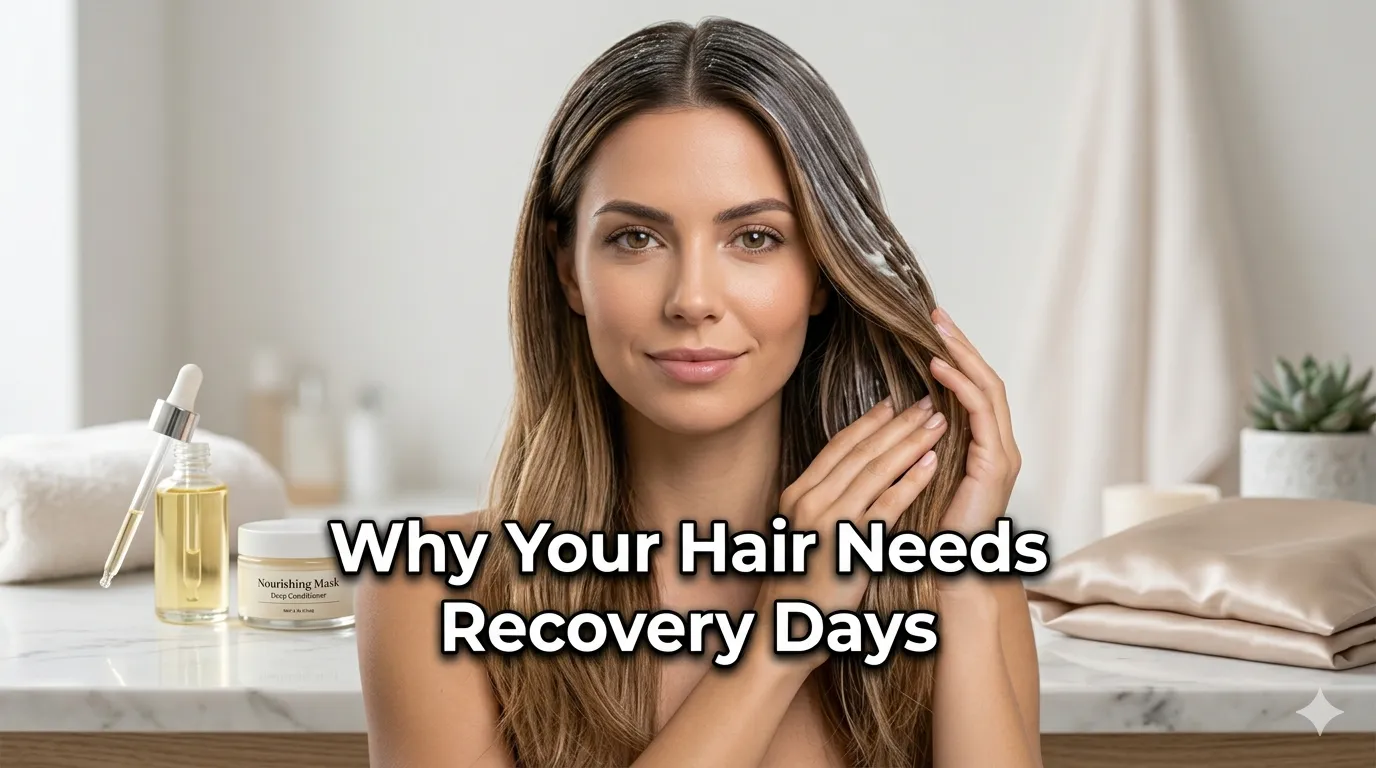
The Hidden Truth About Hair Stress and Recovery
Just like your body needs rest days after intense workouts, your hair needs recovery time after styling stress. Yet most people rarely consider this crucial aspect of hair care. We wash, style, heat, color, and manipulate our hair daily without giving it a moment to breathe—and wonder why it becomes dry, brittle, or refuses to grow past a certain length.
Here's the reality: Hair is not living tissue, but the follicles that produce it are. The scalp is living skin, and the hair shaft, while technically "dead," can accumulate damage that affects its appearance, strength, and manageability. Without recovery periods, this damage compounds, leading to breakage, dullness, and stalled growth.
This comprehensive guide explores why hair recovery days matter, the science behind hair stress and repair, how to recognize when your hair needs a break, and practical strategies to build recovery into your routine—without sacrificing your style.
Understanding Hair Stress: What Actually Happens
To appreciate why recovery matters, we first need to understand what "stress" means for your hair.
Types of Hair Stress
1. Thermal Stress (Heat Styling)
- Flat irons, curling wands, and blow dryers expose hair to temperatures of 300-450°F
- Heat causes water inside the hair shaft to boil, creating micro-bubbles that weaken structure
- Repeated exposure denatures keratin proteins and lifts cuticle scales
- Result: Dryness, brittleness, split ends, loss of elasticity
2. Chemical Stress (Coloring, Relaxing, Perming)
- Chemical treatments break and reform disulfide bonds to alter hair structure
- Ammonia and peroxide open the cuticle and strip natural pigment
- Each process removes moisture and weakens the cortex
- Result: Porosity, breakage, texture changes, color fade
3. Mechanical Stress (Brushing, Tight Styles, Friction)
- Aggressive brushing, especially on wet hair, stretches and snaps strands
- Tight ponytails, braids, and buns create tension at the follicle
- Cotton pillowcases and rough towels cause cuticle friction
- Result: Breakage, traction alopecia, frizz, split ends
4. Environmental Stress (Sun, Wind, Pollution, Hard Water)
- UV rays degrade keratin and fade color
- Wind and pollution deposit particles that roughen the cuticle
- Hard water minerals build up and block moisture absorption
- Result: Dullness, dryness, discoloration, reduced product effectiveness
The Cumulative Effect
Here's the critical point: hair damage is additive. A single heat-styling session might cause minimal visible change. But repeat that session daily for months, and the micro-damage accumulates into macro-problems:
- Cuticle scales that were slightly lifted become permanently raised
- Minor protein loss becomes severe structural weakness
- Small split ends travel up the shaft and multiply
- Temporary dryness becomes chronic moisture deficiency
Without recovery periods, your hair never gets a chance to stabilize—let alone improve.
Why Recovery Days Matter: The Science
While hair strands can't "heal" like living tissue, recovery days serve several vital functions for overall hair health.
1. Scalp Recovery and Follicle Support
The scalp is living skin with blood vessels, nerves, and hair follicles that actively produce new hair. Stressors affect it directly:
- Heat and chemicals can irritate the scalp, causing inflammation that disrupts the hair growth cycle
- Tight styles pull on follicles, potentially causing traction alopecia over time
- Product buildup from frequent styling can clog follicles and impair growth
Recovery benefit: Rest days allow the scalp to:
- Reduce inflammation and restore pH balance
- Clear product residue and environmental debris
- Support healthy follicle function for stronger new growth
2. Moisture Rebalancing
Healthy hair maintains a delicate moisture balance. Styling disrupts this equilibrium:
- Heat evaporates natural moisture
- Chemicals strip lipids that seal in hydration
- Friction roughens the cuticle, allowing moisture to escape
Recovery benefit: Rest days give hair time to:
- Absorb moisture from conditioners and treatments
- Redistribute natural scalp oils down the shaft
- Restore the cuticle's ability to retain hydration
3. Protein Structure Stabilization
Keratin proteins form the structural backbone of hair. Stress weakens these proteins:
- Heat denatures keratin, reducing strength and elasticity
- Chemical treatments break disulfide bonds that hold hair together
- Mechanical stress creates micro-fractures in the cortex
Recovery benefit: While damaged keratin can't regenerate, rest days allow:
- Protein treatments to penetrate and reinforce weakened areas
- Bond-building products (like Olaplex or K18) to repair broken connections
- The hair to stabilize before the next stressor
4. Cuticle Restoration
The cuticle is hair's protective outer layer. When it's smooth and intact, hair looks shiny and feels soft. When it's damaged, hair looks dull and feels rough.
Recovery benefit: Rest days support cuticle health by:
- Allowing conditioning ingredients to smooth raised scales
- Reducing friction that further roughens the surface
- Preventing new damage while existing damage is managed
Signs Your Hair Needs a Recovery Day
How do you know when your hair is asking for a break? Watch for these warning signs:
Physical Indicators
- Excessive dryness: Hair feels straw-like, won't hold moisture
- Increased breakage: More strands in your brush, shower drain, or on clothes
- Split ends traveling up: Splits appearing higher on the shaft than usual
- Loss of elasticity: Hair snaps when stretched instead of returning to shape
- Rough texture: Cuticles feel raised; hair tangles easily
- Dull appearance: Lack of shine despite using products
- Frizz that won't smooth: Even with anti-frizz products, hair remains unruly
Styling Challenges
- Styles don't hold: Curls drop quickly; straight styles revert
- Products don't work: Serums, creams, and sprays seem ineffective
- Longer styling time: Takes more effort to achieve usual results
- Heat tools seem less effective: Need higher temperatures for same result
Scalp Signals
- Itching or irritation: Scalp feels sensitive or uncomfortable
- Flaking or buildup: Visible residue or dandruff-like flakes
- Tenderness: Scalp feels sore, especially at hairline or part
- Increased shedding: More hair than usual coming out during washing or brushing
If you notice 3+ of these signs, your hair likely needs a recovery day—or several.
What a Hair Recovery Day Actually Looks Like
A recovery day isn't about doing nothing—it's about doing the right things to support hair health.
The Recovery Day Framework
1. Skip Heat Styling
What to avoid:
- Flat irons and straighteners
- Curling wands and hot rollers
- High-heat blow drying
What to do instead:
- Air-dry whenever possible
- Use a diffuser on cool/low setting if you must speed-dry
- Try heatless styling: robe-tie curls, flexi rods, braids for waves
- Embrace your natural texture
2. Minimize Manipulation
What to avoid:
- Excessive brushing or combing
- Tight ponytails, buns, or braids
- Frequent restyling throughout the day
What to do instead:
- Detangle gently once with a wide-tooth comb
- Style in a loose, low-tension protective style
- Leave hair alone once styled
- Use silk/satin accessories to reduce friction
3. Focus on Nourishment
Recovery-focused treatments:
- Deep conditioning: Apply a rich mask for 20-30 minutes; use a heat cap for better penetration
- Protein treatment (if needed): For damaged hair, use a hydrolyzed protein treatment every 4-6 weeks
- Scalp massage: 5 minutes with fingertips to boost circulation
- Leave-in hydration: Apply a lightweight leave-in conditioner to seal in moisture
4. Protect Overnight
Nighttime recovery routine:
- Sleep on a silk or satin pillowcase (reduces friction by ~90%)
- Or wear a satin bonnet/scarf
- Loosely braid or "pineapple" long hair to prevent tangles
- Apply a light oil to ends if they're particularly dry
5. Avoid New Stressors
Hold off on:
- Chemical treatments (color, relaxer, perm)
- Trying new harsh products
- Swimming without protection (chlorine/salt water)
- Extended sun exposure without UV protection
How Often Should You Take Hair Recovery Days?
The ideal frequency depends on your hair type, styling habits, and current condition.
General Guidelines
For minimal styling (air-dry, low manipulation):
- 1 recovery day per week
- Focus on deep conditioning and scalp care
For moderate styling (heat 2-3x/week, occasional color):
- 2 recovery days per week
- Include one deep treatment session
For heavy styling (daily heat, frequent chemical treatments):
- 3-4 recovery days per week
- Prioritize protein-moisture balance treatments
- Consider a longer "reset" period if damage is severe
Adjust Based on Your Hair's Response
Use these cues to personalize your recovery schedule:
- If hair feels better after one rest day: Maintain 1-2 days weekly
- If improvement takes multiple days: Increase to 3-4 recovery days
- If no improvement after a week: Assess for underlying issues (diet, health, product compatibility)
- If hair is severely damaged: Consider a 2-4 week "recovery phase" with minimal styling
Recovery Day Activities: A Practical Menu
Make recovery days enjoyable and effective with these options:
At-Home Spa Treatments
Deep Conditioning Mask
- Apply to clean, damp hair
- Focus on mid-lengths and ends
- Cover with shower cap; add warm towel for 20-30 minutes
- Rinse thoroughly
Hot Oil Treatment
- Warm coconut, argan, or jojoba oil (not hot—just warm)
- Massage into scalp and through lengths
- Leave 30 minutes to overnight
- Shampoo out (may require two washes)
Scalp Detox
- Use a clarifying shampoo or apple cider vinegar rinse
- Follow with a soothing scalp serum or oil
- Massage gently to boost circulation
Low-Effort Styling Options
Heatless Waves
- Dampen hair slightly
- Braid into 2-4 loose braids
- Sleep on it or let air-dry
- Unravel for natural waves
Sleek Low Bun
- Apply light gel or cream to smooth flyaways
- Gather hair at nape of neck
- Secure with silk scrunchie
- Minimal tension, maximum polish
Embrace Natural Texture
- Apply curl cream or defining gel to damp hair
- Scrunch gently; air-dry or diffuse on cool
- Once dry, break cast with light oil
Mindful Hair Care Practices
- Gentle detangling: Take your time; use a wide-tooth comb starting from ends
- Scalp massage: 5 minutes with fingertips to stimulate blood flow
- Protective nighttime routine: Silk pillowcase + loose braid = morning ease
- Hydration check: Drink water; healthy hair starts internally
Building Recovery Into Your Weekly Routine
Consistency matters more than perfection. Here's how to make recovery days sustainable.
Sample Weekly Schedule (Moderate Styling)
Monday: Wash and Treat
- Clarifying or gentle shampoo
- Deep conditioner (20-30 min)
- Leave-in + air dry or low-heat diffuser
Tuesday: Recovery Day
- No heat, minimal manipulation
- Refresh with water/leave-in spray if needed
- Loose style or natural texture
Wednesday: Light Styling
- Optional low-heat styling with protectant
- Or heatless style
Thursday: Recovery Day
- Scalp massage + light oil on ends
- Protective nighttime prep
Friday: Style Day
- Heat styling for weekend (with protectant)
- Or special occasion style
Saturday-Sunday: Maintain
- Minimal restyling
- Protective sleep routine
Tips for Success
- Schedule it: Mark recovery days on your calendar like any important appointment
- Prepare ahead: Have your recovery products ready so it's easy to follow through
- Start small: If daily heat is your norm, begin with one recovery day per week
- Track progress: Note how your hair feels after recovery days vs. styling days
- Be flexible: Adjust frequency based on season, stress, or hair changes
Common Recovery Day Mistakes to Avoid
Even well-intentioned recovery efforts can backfire if done incorrectly.
Mistake 1: Over-Treating
The error: Using multiple intensive treatments in one day (protein + deep condition + oil + mask)
The risk: Product overload can weigh hair down, cause buildup, or create protein-moisture imbalance
The fix: Choose 1-2 targeted treatments per recovery day; rotate focus weekly
Mistake 2: Skipping Cleansing
The error: Assuming recovery means "do nothing," including skipping washes
The risk: Buildup from products, sweat, and environment can irritate scalp and block treatments
The fix: Recovery days can include gentle cleansing; focus on what you don't do (heat, tight styles)
Mistake 3: Using Harsh "Natural" Remedies
The error: Applying undiluted essential oils, lemon juice, or baking soda directly to hair
The risk: These can cause irritation, dryness, or chemical damage
The fix: Stick to formulated products or properly diluted natural ingredients; patch test first
Mistake 4: Expecting Overnight Miracles
The error: Thinking one recovery day will reverse months of damage
The risk: Disappointment leads to abandoning the practice
The fix: View recovery as cumulative; consistent small efforts yield significant long-term results
Recovery for Different Hair Types
Tailor your recovery approach to your hair's unique needs.
Fine or Thin Hair
Challenges: Easily weighed down; prone to oiliness at roots
Recovery focus:
- Lightweight, volumizing conditioners
- Scalp-focused treatments (avoid heavy oils on roots)
- Minimal product layering
Curly or Coily Hair
Challenges: Naturally drier; prone to tangling and breakage
Recovery focus:
- Rich, emollient deep conditioners
- Detangling with slip (conditioner or detangler)
- Protective styling during recovery (loose braids, twists)
Color-Treated or Chemically Processed Hair
Challenges: Increased porosity; protein loss; color fade
Recovery focus:
- Color-safe, sulfate-free products
- Regular protein treatments (every 4-6 weeks)
- UV protection to prevent color oxidation
High-Porosity Hair
Challenges: Absorbs moisture quickly but loses it just as fast
Recovery focus:
- Sealing treatments (butters, oils) after hydration
- Avoiding harsh clarifying too frequently
- Protein-moisture balance monitoring
Internal Support: Nutrition for Hair Recovery
External care works best when supported from within.
Key Nutrients for Hair Health
- Protein: Hair is 91% keratin; aim for adequate daily intake (eggs, fish, legumes)
- Biotin: Supports keratin production (eggs, almonds, sweet potatoes)
- Omega-3s: Nourish hair shaft and scalp (salmon, walnuts, flaxseed)
- Vitamin D: Supports follicle function (sunlight, fortified foods, supplement if needed)
- Iron: Carries oxygen to follicles; deficiency causes shedding (red meat, spinach, lentils)
- Zinc: Supports tissue repair (oysters, beef, pumpkin seeds)
Lifestyle Factors
- Hydration: Drink 8-10 glasses of water daily; dehydrated body = dry hair
- Sleep: 7-9 hours nightly for cellular repair; use silk pillowcase
- Stress management: Chronic stress triggers hair loss; practice meditation, exercise, or hobbies
- Avoid smoking: Reduces blood flow to follicles; accelerates aging
When Recovery Isn't Enough: Seeking Professional Help
While recovery days help maintain healthy hair, some issues require expert intervention.
Consult a dermatologist or trichologist if you experience:
- Sudden, unexplained hair loss or thinning
- Patchy bald spots or receding hairline
- Scalp pain, burning, severe itching, or visible inflammation
- No improvement after 2-3 months of consistent recovery care
- Hair loss accompanied by fatigue, weight changes, or other systemic symptoms
Professional treatments may include:
- Scalp analysis and personalized treatment plans
- Prescription topicals (minoxidil, anti-inflammatories)
- Platelet-rich plasma (PRP) therapy for follicle stimulation
- Underlying health condition evaluation (thyroid, hormonal, nutritional)
Conclusion: Recovery Is an Investment, Not a Sacrifice
Taking recovery days for your hair isn't about giving up style—it's about investing in long-term hair health so you can enjoy styling without the consequences of cumulative damage.
Remember:
- Damage is cumulative: Small stresses add up; recovery interrupts that cycle
- Prevention beats repair: It's easier to protect healthy hair than fix damaged hair
- Consistency matters: One recovery day won't transform your hair; a habit will
- Listen to your hair: It will tell you when it needs a break—pay attention
- Balance is key: You can love styling and love healthy hair—just plan strategically
Start today:
- Assess your current styling frequency and hair condition
- Choose one recovery day this week to begin
- Select 1-2 recovery-focused activities (deep condition, no-heat, scalp massage)
- Notice how your hair feels and responds
- Gradually build recovery into your sustainable routine
Your hair carries you through every day. Give it the recovery it deserves—and watch it thrive.
Healthy hair isn't about perfection. It's about progress, patience, and purposeful care.


0 Comments