

Why Intentional Solitude and Creative Productivity Matter
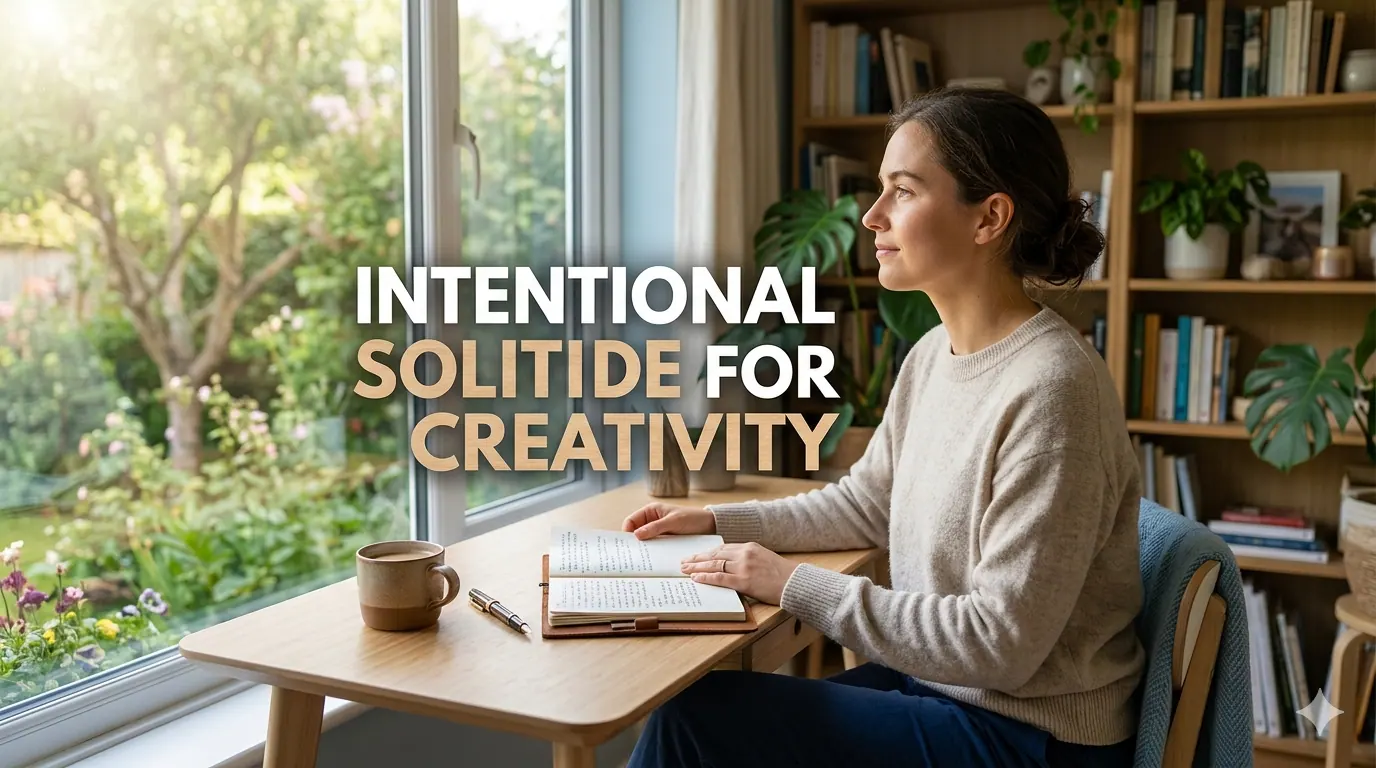
Introduction to Intentional Solitude and Creative Productivity
In an era defined by constant connectivity, rapid information exchange, and relentless digital notifications, the modern creator faces an unprecedented challenge: maintaining deep, uninterrupted focus. Creative professionals, writers, designers, entrepreneurs, and innovators frequently report feeling overwhelmed by fragmented attention, chronic mental fatigue, and diminishing creative output. The solution to this pervasive problem does not lie in more tools, faster software, or stricter productivity hacks. It lies in a practice that has been quietly championed by history's greatest thinkers: intentional solitude.
Intentional solitude is not isolation, loneliness, or withdrawal from society. It is a deliberate, structured choice to step away from external stimulation and create dedicated space for internal reflection, deep thinking, and creative incubation. When practiced with purpose, solitude becomes a powerful catalyst for original ideas, sustained focus, and meaningful productivity. It allows the brain to process complex information, make unexpected connections, and generate insights that simply cannot emerge in noisy, multitasking environments.
This comprehensive guide explores why intentional solitude and creative productivity are fundamentally intertwined. We examine the neuroscience behind quiet focus, differentiate solitude from harmful isolation, provide actionable frameworks for integrating alone time into busy schedules, address common psychological barriers, and share expert strategies for building sustainable creative routines. Whether you are a full-time creator, a part-time artist, or a knowledge worker seeking deeper engagement with your craft, understanding and practicing intentional solitude will transform how you think, create, and produce.
Understanding the Science Behind Solitude and the Brain
How the Default Mode Network Drives Original Thinking
Intentional solitude activates the default mode network, a interconnected brain system that becomes highly active when you stop focusing on external tasks and allow your mind to wander. This neural network is responsible for daydreaming, self-reflection, memory consolidation, and imaginative thinking. When you intentionally step away from screens and external demands, the default mode network synchronizes with the executive control network, creating the neurological conditions necessary for breakthrough ideas and creative problem solving.
The default mode network does not idle during quiet moments. It actively reorganizes information, links disparate concepts, and simulates future scenarios. This cognitive process is why many creators experience sudden clarity while walking alone, showering, or sitting quietly with a notebook. Without intentional solitude, the brain remains locked in task-positive mode, constantly reacting to stimuli rather than generating novel insights. Protecting quiet time is essentially protecting your brain's most powerful creative engine.
Cognitive Load Theory and the Case for Quiet Space
Human working memory has strict capacity limits. Cognitive load theory demonstrates that when your brain processes excessive information, switches between tasks, or manages continuous interruptions, your mental resources become depleted. This depletion directly impairs creative thinking, which requires sustained attention, deep pattern recognition, and the ability to hold multiple abstract concepts simultaneously.
Intentional solitude reduces extraneous cognitive load by eliminating competing stimuli. When you remove notifications, background noise, and social expectations, your brain can allocate maximum processing power to complex creative challenges. Research in educational psychology and workplace performance consistently shows that environments supporting low cognitive interference produce higher quality output, fewer errors, and more innovative solutions. Quiet is not a luxury for creators; it is a neurological necessity.
The Critical Difference Between Solitude and Loneliness
Why Intentional Solitude Fuels Innovation
Solitude and loneliness are fundamentally different psychological states, though they are often mistakenly conflated. Loneliness is an emotional experience characterized by a perceived lack of meaningful connection, often accompanied by anxiety, sadness, or restlessness. Intentional solitude, by contrast, is a chosen, purposeful state where you feel comfortable in your own company and use the quiet space for reflection, planning, or creative exploration. Understanding this distinction is essential for leveraging alone time as a productive force rather than a source of distress.
When solitude is approached with intention, it becomes a laboratory for experimentation. Without the pressure to perform, explain, or justify your ideas, you can explore unconventional directions, draft rough concepts, and fail privately before sharing polished work. Many celebrated innovators, from novelists to software developers, rely on scheduled solitude to iterate rapidly without external judgment. The freedom to think without an audience removes creative inhibition and accelerates the ideation process.
Emotional Regulation Through Structured Alone Time
Structured solitude also serves as a powerful tool for emotional regulation, which directly impacts creative stamina. Constant social engagement, especially digital interaction, triggers continuous dopamine spikes and cortisol fluctuations that leave the nervous system dysregulated. When your emotional baseline is unstable, creative motivation suffers, and projects feel burdensome rather than inspiring.
Spending intentional time alone allows your nervous system to return to homeostasis. You can process lingering frustrations, acknowledge creative doubts without catastrophizing, and reset your motivational baseline. Practices like journaling, mindful breathing, or simply sitting quietly help you differentiate between genuine creative resistance and temporary emotional fatigue. This self-awareness prevents burnout and sustains long-term productivity by aligning your work with your natural energy rhythms rather than forcing output through stress.
Practical Frameworks for Building Solitude Habits
Designing Your Daily Solitude Ritual
Building a sustainable solitude practice requires moving from abstract intention to structured routine. The most effective approach treats alone time as a non-negotiable appointment rather than an afterthought. Start by identifying a consistent window each day, ideally when your natural energy aligns with creative work. Many creators find early mornings or late evenings optimal because external demands are minimal and mental clarity is higher.
Begin with thirty minute blocks to avoid overwhelm. During this time, eliminate all digital devices, close unnecessary browser tabs, and create physical boundaries that signal to others that you are unavailable. Use this period for a single creative task: drafting, sketching, strategic planning, or reflective reading. Over time, gradually extend your solitude sessions as your focus stamina improves. Consistency matters far more than duration, and a reliable daily ritual will compound into significant creative output over weeks and months.
Environmental Optimization for Deep Creative Work
Your physical environment profoundly influences your ability to sustain intentional solitude. Even with the best intentions, a cluttered desk, poor lighting, or unpredictable interruptions can derail focus. Optimize your space by removing visual distractions, organizing essential materials within reach, and controlling ambient conditions that support concentration.
Consider these environmental adjustments: use warm, indirect lighting to reduce eye strain and promote calm alertness; keep your workspace clear of unrelated projects to minimize cognitive switching; maintain a comfortable temperature between sixty eight and seventy two degrees Fahrenheit, which research links to sustained attention; and establish clear boundaries with household members or colleagues using visual signals like closed doors or designated quiet hours. Your environment should silently reinforce your commitment to deep, uninterrupted work.
Overcoming Common Barriers to Alone Time
How to Silence the Fear of Missing Out
The fear of missing out frequently sabotages solitude practices, particularly for creators who worry about falling behind trends, missing collaboration opportunities, or losing audience engagement. This anxiety stems from the mistaken belief that constant presence equals productivity. In reality, fragmented attention reduces the quality of your output and ultimately diminishes your value to your audience or clients.
Reframe solitude as strategic presence rather than absence. When you step away intentionally, you return with sharper insights, higher quality work, and more meaningful contributions to your community. Schedule specific times for communication and trend monitoring rather than allowing them to bleed into your creative blocks. Trust that your work will speak for itself when it is crafted with depth rather than speed. Over time, the results of focused solitude will quiet the fear of missing out.
Managing Digital Distractions During Solitude Sessions
Digital interruptions are the most common enemy of intentional solitude. Even a single notification can derail focus for twenty minutes or more as your brain reorients to the new stimulus. Protecting your solitude requires proactive digital hygiene rather than willpower alone.
Implement these practical strategies: enable do not disturb mode across all devices during scheduled solitude blocks; use website blockers to restrict access to social media and news sites during creative sessions; place your phone in another room or a locked drawer to remove visual temptation; and communicate your availability windows to colleagues, family, and collaborators so they know when to expect responses. Treat digital boundaries as professional standards rather than personal restrictions, and you will notice immediate improvements in creative depth and output quality.
Expert Strategies for Sustained Creative Output
Combining Solitude with Strategic Collaboration
Intentional solitude does not replace collaboration; it enhances it. The most productive creative cycles alternate between deep solitary work and targeted group interaction. Solitude generates raw material, original concepts, and polished drafts, while collaboration provides feedback, refinement, and expanded perspectives. Understanding this rhythm prevents both isolation burnout and collaborative fatigue.
Schedule solitude first, then share. Use your alone time to develop your core ideas independently before inviting external input. This approach ensures you bring fully formed concepts to collaborative sessions rather than relying on group brainstorming to fill creative gaps. When you do collaborate, structure meetings around specific questions, clear objectives, and time limits to maintain efficiency. The synergy between focused solitude and purposeful collaboration produces work that is both deeply original and broadly resonant.
Tracking Progress and Measuring Creative Output
Measuring creative progress requires moving beyond vanity metrics and tracking meaningful indicators of depth and consistency. Intentional solitude often produces work that evolves slowly, making daily output counts misleading. Instead, focus on metrics that reflect sustainable creative health and long-term impact.
Track hours spent in uninterrupted deep work, number of ideas generated per solitude session, revision cycles completed before publishing, and personal satisfaction scores with your output. Keep a simple creative journal documenting insights gained during solitude, recurring themes in your work, and shifts in your creative confidence. These qualitative and quantitative measures provide a realistic picture of your progress and help you adjust your solitude practices for maximum long-term productivity.
Frequently Asked Questions
How much intentional solitude do I actually need each day?
Most creative professionals benefit from sixty to ninety minutes of uninterrupted solitude daily, divided into one or two focused blocks. This duration aligns with natural attention cycles and allows sufficient time for deep thinking without causing mental fatigue. Beginners should start with thirty minutes and gradually increase as focus stamina improves. Quality matters more than quantity, and consistent daily practice yields better results than occasional marathon sessions.
Can I practice intentional solitude if I work in a busy environment?
Yes, intentional solitude is entirely possible even in demanding workplaces. Create micro boundaries by using noise canceling headphones, scheduling focus blocks on your calendar, and communicating clear availability windows. You can also utilize early mornings, lunch breaks, or commute time for quiet reflection. The key is protecting uninterrupted mental space rather than requiring complete physical isolation, and strategic time management makes solitude achievable in any professional setting.
What should I actually do during intentional solitude time?
Use solitude for activities that require deep cognitive engagement and minimal external input. Ideal practices include drafting, writing, strategic planning, sketching, reading complex material, reflecting on project direction, or reviewing work without immediate editing pressure. Avoid passive consumption like scrolling or watching videos. Instead, prioritize active creation or structured reflection, and allow your mind to wander naturally when insights begin to emerge.
Does intentional solitude help overcome creative blocks?
Yes, intentional solitude is one of the most effective methods for navigating creative blocks. Blocks often stem from cognitive overload, external pressure, or fear of judgment, all of which dissolve when you step into quiet, judgment-free space. Solitude allows your brain to process underlying resistance, reconnect with your original creative motivation, and generate alternative approaches without distraction. Consistent alone time rebuilds creative confidence and restores natural idea flow.
How do I know if I am experiencing harmful isolation instead of healthy solitude?
Healthy solitude leaves you feeling refreshed, clear, and motivated to engage with your work and community. Harmful isolation creates persistent anxiety, emotional numbness, avoidance behaviors, or a sense of disconnection that does not improve with rest. If your alone time consistently triggers distress, increases procrastination, or replaces necessary social connection, reassess your routine. Adjust your solitude schedule, incorporate light social interaction, and consider speaking with a mental health professional to restore balance.
Conclusion: Reclaiming Your Creative Voice Through Quiet Focus
Intentional solitude is not an escape from the demands of creative work; it is the foundation of meaningful creative output. In a world that glorifies constant availability and rapid production, choosing quiet focus becomes a radical act of self-respect and professional integrity. The ideas that shape industries, the stories that move audiences, and the innovations that solve complex problems rarely emerge from fragmented attention. They are born in the stillness where deep thinking flourishes and original voices finally find space to speak.
Building a sustainable solitude practice requires patience, boundary setting, and a willingness to prioritize depth over speed. It means trusting your creative process, protecting your mental energy, and recognizing that stepping back is often the most productive step forward. When you schedule intentional solitude as seriously as meetings and deadlines, you signal to yourself and your work that creativity deserves undivided attention.
Start small. Protect one quiet block each day. Remove the distractions. Allow your mind to wander without judgment. Record the insights that emerge. Over time, you will notice sharper thinking, more authentic expression, and a sustainable rhythm of output that does not drain your energy but fuels it. The modern creator does not need more noise. The modern creator needs space. Choose solitude intentionally, and watch your creative productivity transform.


0 Comments