

Why Skin Texture Changes During Hormonal Transitions
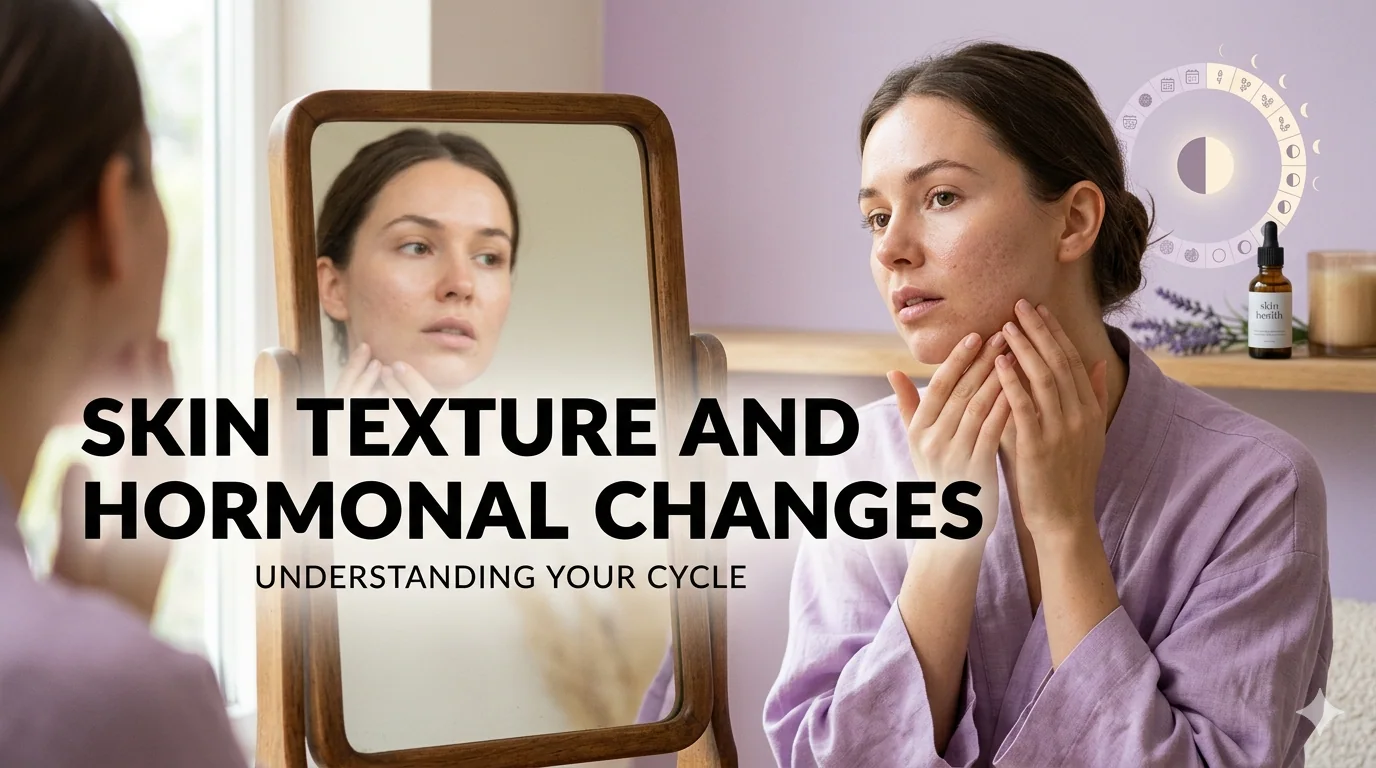
Introduction to Hormonal Transitions and Skin Texture
Skin texture is one of the most visible indicators of our internal health, and few factors influence it as profoundly as hormonal fluctuations. Throughout a woman's life, hormonal transitions including puberty, menstrual cycles, pregnancy, postpartum, perimenopause, and menopause bring predictable yet often frustrating changes to skin texture. You may notice increased roughness, enlarged pores, unexpected breakouts, dryness, or uneven tone during these times, leaving you wondering why your skincare routine that once worked suddenly feels ineffective.
Understanding why skin texture changes during hormonal transitions is the first step toward managing these shifts with compassion and strategy. Hormones act as messengers that influence nearly every aspect of skin biology including oil production, cell turnover, collagen synthesis, hydration levels, and inflammatory responses. When hormone levels fluctuate, these processes can become temporarily imbalanced, resulting in visible texture changes that reflect your body's internal adaptation.
This comprehensive guide explores the science behind hormonal impacts on skin texture, identifies the specific changes you might experience during different life stages, and provides practical, evidence-based strategies for supporting your skin through these transitions. Whether you are navigating monthly cycle-related shifts, pregnancy changes, or the more significant transformations of perimenopause and menopause, these insights can help you respond to your skin with knowledge, patience, and effective care.
How Hormones Directly Influence Skin Structure and Function
The Key Hormones That Affect Skin Texture
Several hormones play direct roles in determining skin texture, and their fluctuations create the changes you observe during hormonal transitions.
- Estrogen: Supports collagen production, skin thickness, hydration, and barrier function. Higher estrogen levels typically correlate with smoother, plumper, more resilient skin. Declining estrogen can lead to thinner skin, reduced elasticity, and increased dryness.
- Progesterone: Influences oil production and can increase skin sensitivity. Rising progesterone in the luteal phase of the menstrual cycle may contribute to premenstrual breakouts and texture changes.
- Androgens (Testosterone and DHEA): Stimulate sebum production and can enlarge pores. Elevated androgens during puberty, PCOS, or stress may lead to oilier skin, congestion, and rougher texture.
- Cortisol: The stress hormone that can break down collagen, impair barrier function, and increase inflammation when chronically elevated, contributing to dullness, sensitivity, and uneven texture.
- Thyroid Hormones: Regulate cell turnover and hydration. Imbalances can cause dryness, roughness, or puffiness that affects overall texture.
These hormones do not act in isolation. Their complex interactions create the unique skin texture patterns you experience during different hormonal phases. Understanding which hormones are shifting helps you anticipate and respond to texture changes more effectively.
Why Texture Changes Feel So Noticeable
Skin texture changes during hormonal transitions often feel particularly noticeable because they represent shifts in multiple skin functions simultaneously. Increased oil production may enlarge pores while slowed cell turnover leads to dullness. Reduced hydration can emphasize fine lines while inflammation triggers roughness. These compounded effects create a texture experience that feels distinctly different from your baseline.
Additionally, hormonal transitions often coincide with other life stressors including sleep disruption, dietary changes, or emotional shifts that can further impact skin. Recognizing that texture changes reflect a whole-body adaptation, not just a skincare failure, helps you respond with holistic support rather than frustration.
Menstrual Cycle Related Texture Shifts
Understanding the Monthly Hormonal Pattern
The menstrual cycle creates a predictable hormonal pattern that influences skin texture in distinct phases. During the follicular phase (days one to fourteen), rising estrogen supports collagen production and hydration, often resulting in smoother, clearer skin. Ovulation around day fourteen typically represents a peak in skin radiance for many women.
In the luteal phase (days fifteen to twenty-eight), progesterone rises while estrogen declines. This shift can increase oil production, slow cell turnover, and heighten inflammation, leading to premenstrual texture changes including congestion, enlarged pores, roughness, or breakouts. Understanding this pattern helps you anticipate and prepare for these temporary shifts.
Practical Strategies for Cycle-Supportive Skincare
Adapting your skincare routine to your cycle can help manage texture changes without overcomplicating your approach. During the follicular phase, focus on maintenance: gentle cleansing, consistent hydration, and sun protection. As you enter the luteal phase, consider adding lightweight exfoliation to support cell turnover, oil-absorbing ingredients like niacinamide to manage congestion, and anti-inflammatory ingredients like centella or green tea to calm potential irritation.
Track your cycle and skin texture patterns using a journal or app to identify your personal triggers and timing. This awareness allows you to adjust proactively rather than reactively, reducing frustration and supporting more consistent skin comfort.
Pregnancy and Postpartum Skin Texture Changes
How Pregnancy Hormones Transform Skin
Pregnancy triggers dramatic hormonal shifts that can significantly impact skin texture. Elevated estrogen and progesterone often increase blood flow and hydration, creating the coveted pregnancy glow for some women. However, these same hormones can also stimulate melanin production leading to hyperpigmentation, increase oil production causing congestion, or trigger sensitivity that results in roughness or irritation.
Additionally, pregnancy-related changes in immune function and circulation can affect how skin responds to products, environmental factors, and stress. Texture changes during pregnancy are highly individual: some women experience smoother skin while others navigate new concerns like melasma, acne, or dryness.
Supporting Skin Through Pregnancy and Beyond
During pregnancy, prioritize gentle, pregnancy-safe skincare that supports barrier health without potentially irritating actives. Focus on hydration with ingredients like hyaluronic acid and glycerin, sun protection to prevent pigment-related texture concerns, and minimal, well-tolerated products to reduce sensitivity risk.
Postpartum brings another hormonal transition as levels rapidly shift after delivery. This phase may trigger dryness, sensitivity, or breakouts as your body rebalances. Be patient with your skin during this time, prioritize rest and hydration, and reintroduce products gradually as your cycle regulates. Remember that postpartum texture changes are temporary and reflect your body's remarkable adaptation to a new chapter.
Perimenopause and Menopause: Significant Texture Shifts
Why Estrogen Decline Changes Skin Texture
Perimenopause and menopause represent the most significant hormonal transition for skin texture. As estrogen levels decline, multiple skin functions are affected simultaneously. Collagen production slows by approximately one percent per year after menopause, leading to thinner skin and reduced elasticity. Hydration capacity decreases as hyaluronic acid production drops, contributing to dryness and emphasizing fine lines. Cell turnover slows, resulting in dullness and rougher texture. Barrier function may weaken, increasing sensitivity and reactivity.
These changes often manifest as a combination of dryness with occasional oiliness, enlarged pores, uneven tone, and a loss of the smooth, plump texture many women experienced in earlier decades. Understanding that these shifts reflect natural hormonal changes, not skincare failure, helps you respond with appropriate support rather than frustration.
Adapting Skincare for Hormonal Maturity
Supporting skin texture during perimenopause and menopause requires adjusting expectations and routines. Prioritize barrier repair with ceramides, fatty acids, and cholesterol to strengthen compromised skin. Increase hydration through layered products including hydrating toners, serums, and richer moisturizers. Incorporate gentle exfoliation like lactic acid or enzyme masks to support slowed cell turnover without irritation.
Consider consulting a dermatologist about prescription options like low-dose topical estrogen or retinoids if appropriate for your health profile. Additionally, systemic approaches including hormone replacement therapy, when medically indicated, can support skin health alongside topical care. The goal is not to reverse aging but to support your skin's health and comfort through this natural transition.
Other Hormonal Transitions That Impact Texture
Puberty and Adolescent Skin Changes
Puberty triggers a surge in androgens that stimulate oil glands, often leading to increased sebum production, enlarged pores, and texture concerns like congestion or acne. While these changes can feel challenging, they reflect normal development. Gentle cleansing, non-comedogenic hydration, and sun protection support adolescent skin without over-drying or irritating developing skin barriers.
Thyroid Imbalances and Skin Texture
Thyroid hormones significantly influence skin cell turnover and hydration. Hypothyroidism can cause dry, rough, flaky texture while hyperthyroidism may lead to thin, sensitive skin. If you experience persistent texture changes alongside symptoms like fatigue, weight changes, or temperature sensitivity, consult a healthcare provider to evaluate thyroid function. Addressing underlying imbalances often improves skin texture more effectively than topical treatments alone.
Stress-Related Hormonal Shifts
Chronic stress elevates cortisol, which can break down collagen, impair barrier function, and increase inflammation. These effects may manifest as roughness, dullness, sensitivity, or breakouts that disrupt normal texture. Managing stress through sleep, mindfulness, movement, and connection supports not just mental health but skin texture resilience during challenging times.
Practical Strategies for Managing Hormonal Texture Changes
Build a Flexible Skincare Foundation
Rather than chasing every texture concern with new products, establish a flexible foundation that supports skin through hormonal shifts. This includes gentle cleansing that preserves barrier lipids, consistent hydration with humectants and emollients, daily sun protection to prevent cumulative texture damage, and barrier-supportive ingredients like ceramides and niacinamide.
With this foundation in place, you can temporarily adjust for specific concerns: adding lightweight exfoliation during congested phases, richer moisturizers during dry transitions, or calming ingredients during sensitive periods. This adaptable approach reduces product overload while providing targeted support when needed.
Support Skin From the Inside Out
Hormonal texture changes reflect whole-body shifts, so internal support matters as much as topical care. Prioritize consistent sleep to support overnight repair and hormone regulation. Stay well-hydrated to maintain skin plumpness and support detoxification pathways. Consume balanced nutrition including healthy fats for hormone production, antioxidants for inflammation management, and protein for collagen support.
Manage stress through practices that work for you: brief mindfulness, time in nature, gentle movement, or creative expression. These habits support hormonal balance and skin resilience without requiring additional products or complexity.
Practice Patience and Self-Compassion
Hormonal texture changes are temporary reflections of your body's adaptation, not permanent flaws or skincare failures. Practice self-compassion when texture shifts occur, recognizing that your skin is responding to powerful internal signals beyond your immediate control. Focus on supporting your skin's health rather than achieving perfection, and celebrate small improvements in comfort and resilience.
Track patterns over months rather than days to observe how your skin responds to consistent care through hormonal cycles. This longer perspective reduces frustration and helps you identify what truly supports your unique skin.
Common Mistakes That Worsen Hormonal Texture Concerns
Over-Treating Temporary Changes
When texture shifts occur during hormonal transitions, the impulse to aggressively treat every concern can backfire. Layering multiple actives, over-exfoliating, or frequently changing products can compromise barrier function and increase sensitivity, worsening texture rather than improving it.
Instead, respond to hormonal texture changes with gentle support. Allow temporary concerns time to resolve as hormones rebalance, and focus on maintaining barrier health rather than pursuing rapid correction. This patient approach often yields better long-term results with less irritation.
Ignoring the Whole-Picture Context
Focusing exclusively on skincare while neglecting sleep, stress, nutrition, or medical factors limits your ability to support skin through hormonal transitions. Texture changes often reflect multiple influences, and addressing only topical factors may provide incomplete relief.
Take a holistic view: evaluate your sleep quality, stress levels, dietary patterns, and overall health alongside your skincare routine. Small improvements in these areas can significantly enhance skin texture resilience during hormonal shifts.
Comparing Your Skin to Unrealistic Standards
Social media and advertising often present idealized skin that does not reflect the natural texture variations experienced during hormonal transitions. Comparing your skin to these standards can create unnecessary distress and drive counterproductive skincare behaviors.
Instead, focus on your skin's health, comfort, and resilience. Healthy skin has texture, pores, and natural variations. Embracing this reality reduces pressure and supports more sustainable, compassionate care.
Expert Tips for Navigating Hormonal Texture Shifts
Track Patterns to Anticipate Changes
Keep a simple journal noting your menstrual cycle phase, stress levels, sleep quality, and skin texture observations. Over time, patterns will emerge that help you anticipate texture shifts and adjust proactively. This awareness reduces surprise and frustration while supporting more effective care.
Consult Professionals for Persistent Concerns
While many hormonal texture changes are normal and temporary, persistent or severe concerns warrant professional evaluation. A dermatologist can help distinguish hormonal texture shifts from other conditions and recommend appropriate treatments. An endocrinologist or gynecologist can evaluate underlying hormonal imbalances that may benefit from medical support.
Embrace Evolution Over Perfection
Your skin will change throughout your life, and hormonal transitions are natural chapters in that evolution. Rather than fighting these changes, focus on supporting your skin's health and comfort at each stage. This perspective reduces stress and fosters a more sustainable, compassionate relationship with your skin.
Frequently Asked Questions
How long do hormonal texture changes last?
Duration varies by transition. Menstrual cycle-related shifts typically resolve within a few days to a week as hormones rebalance. Pregnancy-related changes may persist through gestation and postpartum. Perimenopause transitions can span several years as hormone levels gradually shift. Patience and consistent support help your skin adapt through each phase.
Can birth control affect skin texture?
Yes, hormonal contraceptives can influence skin texture by regulating androgen levels and stabilizing cycle-related fluctuations. Some women experience improved texture with reduced breakouts and oiliness, while others may notice new concerns. Discuss potential skin effects with your healthcare provider when considering contraceptive options.
Should I change my skincare routine during hormonal transitions?
Minor adjustments can help manage specific concerns, but avoid complete overhauls that may disrupt your skin's balance. Focus on flexible foundations with gentle, barrier-supportive products, and temporarily add targeted support for emerging concerns. Consistency with core habits matters more than frequent product changes.
When should I see a doctor about texture changes?
Consult a healthcare provider if texture changes are sudden, severe, persistent, or accompanied by other symptoms like pain, unusual hair growth, weight changes, or fatigue. These may indicate underlying conditions requiring medical evaluation beyond routine skincare support.
Can lifestyle changes improve hormonal texture concerns?
Yes, prioritizing sleep, managing stress, staying hydrated, and consuming balanced nutrition can significantly support skin resilience during hormonal transitions. These foundational habits complement topical care and address the whole-body context of texture changes.
Conclusion: Embracing Skin Changes with Knowledge and Care
Skin texture changes during hormonal transitions are natural, predictable, and manageable with the right understanding and support. By recognizing how estrogen, progesterone, androgens, cortisol, and thyroid hormones influence your skin, you can anticipate shifts and respond with compassion rather than frustration.
Focus on building flexible skincare foundations that support barrier health, hydration, and protection. Complement topical care with internal support through sleep, nutrition, stress management, and medical guidance when needed. Practice patience as your skin adapts to hormonal changes, and celebrate the resilience your skin demonstrates through every transition.
Your skin tells the story of your life, and hormonal transitions are meaningful chapters in that narrative. By honoring these changes with knowledge, gentle care, and self-compassion, you support not just smoother texture but a deeper connection to your body's wisdom. Embrace the journey, trust your skin's capacity to adapt, and care for yourself with the kindness you deserve.


0 Comments