

Why Women Gain Inches Without Gaining Weight
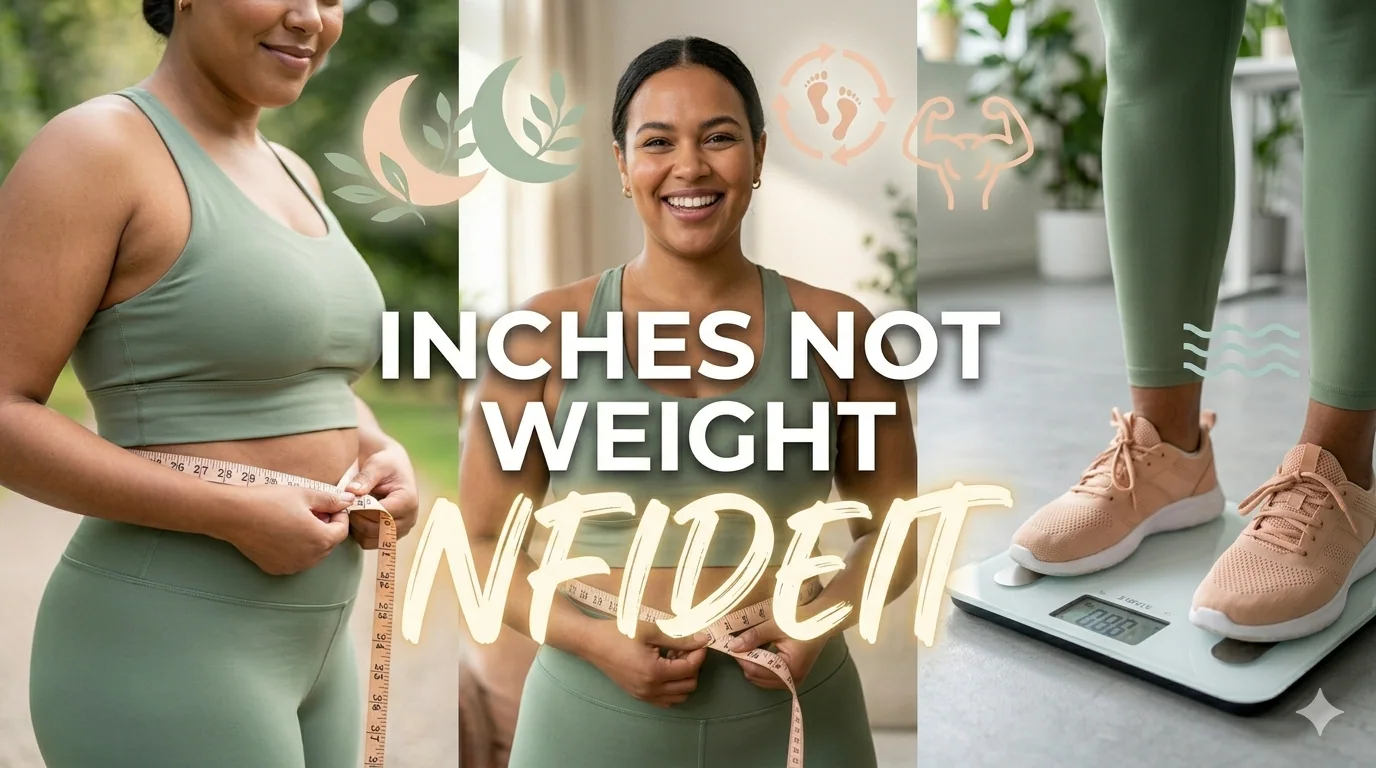
Understanding the Frustrating Reality of Body Changes
Have you ever stepped on the scale only to see the same number you've seen for months, yet your clothes feel tighter and your body looks different? You're not imagining things, and you're certainly not alone. Many women experience the confusing phenomenon of gaining inches without gaining weight, and it can be incredibly frustrating when the scale doesn't reflect what you're seeing in the mirror.
This seemingly paradoxical situation affects countless women across different age groups, and understanding why it happens is the first step toward managing it effectively. Your body is far more complex than a simple number on a scale, and multiple factors can cause your measurements to change even when your weight remains stable.
In this comprehensive guide, we'll explore the science behind why women gain inches without gaining weight, examine the role of body composition, hormonal fluctuations, lifestyle factors, and provide actionable strategies to help you understand and manage these changes. Whether you're in your twenties noticing subtle shifts or navigating perimenopause, this information will empower you with knowledge about your unique body.
Body Composition: The Key to Understanding Measurements
The most fundamental reason women gain inches without gaining weight lies in understanding body composition. Your body is made up of different tissues including muscle, fat, bone, water, and organs. Each of these components has different densities and takes up different amounts of space in your body.
Muscle versus Fat Density
Muscle tissue is significantly denser than fat tissue. In fact, muscle takes up about 15-20% less space than fat for the same weight. This means that if you lose fat and gain muscle simultaneously, the scale might not budge, but your body measurements can change dramatically. You could actually become smaller and more toned while maintaining the exact same weight.
Conversely, if you're losing muscle mass and gaining fat, you might maintain the same weight while your body becomes softer and your measurements increase. This is particularly common as women age and naturally lose muscle mass if they're not engaging in regular strength training.
Body Recomposition Explained
Body recomposition refers to the process of changing your ratio of fat to muscle without necessarily changing your overall weight. This is actually a healthier goal than simply focusing on weight loss, as it prioritizes building lean muscle while reducing body fat percentage.
When you engage in regular exercise, particularly strength training combined with cardiovascular activity, your body undergoes recomposition. You might notice your jeans fitting tighter around the hips while your waist measurement decreases, or your arms becoming more defined while your overall weight stays constant.
Hormonal Changes: The Hidden Culprit
Hormones play a massive role in how and where your body stores fat, retains water, and distributes weight. For women, hormonal fluctuations are a constant reality throughout different life stages, and these changes can significantly impact body measurements without affecting the scale.
Estrogen and Fat Distribution
Estrogen is the primary female sex hormone, and it has a profound effect on where women store fat. Typically, estrogen promotes fat storage in the hips, thighs, and buttocks, creating the classic pear-shaped body type. However, when estrogen levels fluctuate or decline, fat distribution patterns can change dramatically.
During perimenopause and menopause, declining estrogen levels cause fat to redistribute from the lower body to the abdominal area. This visceral fat around your organs can increase your waist measurement significantly without necessarily adding pounds to the scale, especially if you're simultaneously losing muscle mass elsewhere.
Cortisol and Stress-Related Weight Distribution
Cortisol, often called the stress hormone, can cause your body to store fat specifically in the abdominal area. When you're chronically stressed, your body produces elevated levels of cortisol, which can lead to what's commonly called a "stress belly" or "cortisol belly."
This type of fat storage is particularly insidious because it can occur even when you're eating well and exercising. The fat accumulates deep in the abdominal cavity around your organs, increasing your waist measurement while potentially not showing up as significant weight gain on the scale.
Thyroid Function and Metabolism
Your thyroid gland regulates your metabolism, and when it's not functioning optimally, it can cause changes in body composition. Hypothyroidism, or an underactive thyroid, can cause water retention, bloating, and changes in fat distribution that increase measurements without dramatic weight changes.
Many women have undiagnosed or subclinical thyroid issues that cause subtle but frustrating body changes. If you're experiencing unexplained inch gain along with fatigue, hair loss, or temperature sensitivity, it's worth discussing thyroid testing with your healthcare provider.
Water Retention and Bloating: Temporary but Troublesome
One of the most common reasons for sudden inch gain without weight gain is water retention and bloating. While these changes are often temporary, they can be uncomfortable and concerning when they affect your measurements.
Menstrual Cycle Effects
Throughout your menstrual cycle, hormone fluctuations cause your body to retain different amounts of water. In the days leading up to your period, many women experience significant bloating and water retention that can add inches to their waist measurement. This is completely normal and typically resolves once your period begins.
Progesterone and estrogen levels shift throughout your cycle, affecting how your kidneys process sodium and water. Some women are more sensitive to these hormonal changes and experience more dramatic bloating than others.
Dietary Factors and Bloating
What you eat can dramatically affect your measurements through bloating and water retention. High-sodium foods cause your body to hold onto water, while certain carbohydrates can cause temporary water weight gain as your body stores glycogen.
Food sensitivities and intolerances can also cause chronic bloating. Common culprits include dairy, gluten, beans, cruciferous vegetables, and artificial sweeteners. If you notice your measurements fluctuate significantly after eating certain foods, you may have developed a sensitivity.
Dehydration Paradox
Interestingly, not drinking enough water can actually cause your body to retain more water. When you're dehydrated, your body goes into conservation mode, holding onto every drop it can. This can lead to puffiness and increased measurements despite inadequate hydration.
Drinking adequate water throughout the day helps flush out excess sodium and reduces water retention, actually helping to decrease measurements rather than increase them.
Age-Related Changes: What Happens as We Get Older
As women age, their bodies naturally undergo changes that can lead to gaining inches without gaining weight. Understanding these changes can help you adjust your approach to health and fitness at different life stages.
Muscle Loss and Sarcopenia
Starting around age 30, women naturally lose about 3-5% of their muscle mass per decade if they're not actively working to maintain it. This process, called sarcopenia, accelerates after menopause. Since muscle is denser than fat, losing muscle while gaining fat can keep your weight stable while increasing your measurements.
This is why strength training becomes increasingly important as you age. Without resistance exercise, your body composition shifts toward higher body fat percentage even if your weight remains constant.
Metabolic Slowdown
Your metabolism naturally slows with age, burning fewer calories at rest. If you continue eating the same portions and maintaining the same activity level, you might gain fat while losing muscle, resulting in inch gain without dramatic weight changes.
This metabolic shift is gradual, which is why many women find themselves wondering why their body is changing when their habits haven't.
Postural Changes
As we age, posture can deteriorate due to weakened core muscles, prolonged sitting, and changes in bone density. Poor posture can make your stomach appear larger and increase waist measurements even without actual fat gain.
Forward head posture, rounded shoulders, and anterior pelvic tilt can all contribute to the appearance of a larger midsection and increased measurements.
Lifestyle Factors That Affect Body Measurements
Beyond hormones and aging, your daily habits and lifestyle choices significantly impact whether you gain inches without gaining weight.
Sedentary Behavior
Spending most of your day sitting can lead to what researchers call "sedentary obesity." Even if you exercise for an hour daily, sitting for the remaining 15 hours can negatively affect your body composition. Prolonged sitting weakens your core and glute muscles while promoting fat storage in the abdominal area.
Sleep Quality and Duration
Poor sleep affects multiple hormones that regulate appetite, metabolism, and fat storage. When you don't get adequate quality sleep, your body produces more ghrelin (the hunger hormone) and less leptin (the fullness hormone). Sleep deprivation also increases cortisol levels, promoting abdominal fat storage.
Studies show that people who consistently get less than 6-7 hours of sleep per night tend to have higher body fat percentages and larger waist measurements, even when their weight is normal.
Alcohol Consumption
Regular alcohol consumption can contribute to inch gain without significant weight gain through multiple mechanisms. Alcohol provides empty calories, impairs fat burning, increases appetite, and can cause bloating and inflammation. The phenomenon of "beer belly" isn't just about beer; any regular alcohol consumption can contribute to abdominal fat storage.
How to Accurately Track Body Changes
If you're experiencing inch gain without weight gain, it's important to track your body changes accurately to understand what's really happening.
Beyond the Scale
The scale only tells you one piece of information: your total body weight. It doesn't differentiate between muscle, fat, water, or bone. Relying solely on the scale can be misleading and frustrating. Instead, use multiple methods to track your progress.
Body Measurements
Regular body measurements provide valuable information about where your body is changing. Key measurements to track include:
- Waist circumference at the narrowest point
- Hip circumference at the widest point
- Waist-to-hip ratio
- Chest/bust circumference
- Thigh circumference
- Upper arm circumference
Measure yourself at the same time of day, ideally in the morning before eating, and use a flexible measuring tape. Keep a log to track changes over time.
Body Fat Percentage
Knowing your body fat percentage is more informative than knowing your weight. You can measure body fat through various methods including skinfold calipers, bioelectrical impedance scales, DEXA scans, or hydrostatic weighing. While home methods aren't perfectly accurate, they can show trends over time.
How Your Clothes Fit
Sometimes the best indicator of body changes is how your clothes fit. Keep a few key pieces of clothing as reference points. If your favorite jeans are getting tighter but the scale hasn't changed, you're likely experiencing body recomposition.
Strategies to Manage Inch Gain Without Weight Gain
Once you understand why you're gaining inches without gaining weight, you can implement strategies to address the underlying causes.
Prioritize Strength Training
Resistance training is essential for maintaining and building muscle mass, which helps prevent the muscle loss that leads to unfavorable body composition changes. Aim for strength training at least 2-3 times per week, targeting all major muscle groups.
Focus on compound movements like squats, deadlifts, push-ups, and rows that work multiple muscle groups simultaneously. These exercises are more efficient and effective for body recomposition than isolation exercises.
Optimize Your Nutrition
Eating adequate protein is crucial for maintaining muscle mass, especially as you age. Aim for 0.8-1 gram of protein per pound of body weight daily. Include protein-rich foods like lean meats, fish, eggs, dairy, legumes, and plant-based protein sources in every meal.
Reduce processed foods, added sugars, and refined carbohydrates that contribute to inflammation and fat storage. Focus on whole, nutrient-dense foods including vegetables, fruits, whole grains, and healthy fats.
Manage Stress Effectively
Since chronic stress and elevated cortisol contribute to abdominal fat storage, implementing stress management techniques is essential. Practice relaxation techniques like meditation, deep breathing, yoga, or tai chi. Ensure you're making time for activities you enjoy and maintaining social connections.
Improve Sleep Quality
Prioritize getting 7-9 hours of quality sleep per night. Establish a consistent sleep schedule, create a relaxing bedtime routine, keep your bedroom cool and dark, and avoid screens for at least an hour before bed. Good sleep hygiene supports healthy hormone balance and body composition.
Stay Hydrated
Drink adequate water throughout the day to reduce water retention and bloating. Aim for at least 8 glasses daily, more if you're active or live in a hot climate. Limit sodium intake and increase potassium-rich foods like bananas, spinach, and avocados to help balance fluid levels.
Address Hormonal Imbalances
If you suspect hormonal issues are contributing to your body changes, consult with a healthcare provider. They can test your hormone levels and recommend appropriate treatments or lifestyle modifications. For perimenopausal and menopausal women, hormone replacement therapy might be an option to discuss with your doctor.
Why am I getting bigger but not heavier?
You're likely experiencing body recomposition where you're losing muscle mass while gaining fat. Since fat takes up more space than muscle, your measurements increase even though your weight stays the same. This commonly happens with aging, decreased physical activity, or hormonal changes. The solution is to incorporate strength training and adequate protein intake to preserve muscle mass.
Can stress cause inch gain without weight gain?
Yes, chronic stress elevates cortisol levels which specifically promotes fat storage in the abdominal area. This visceral fat can increase your waist measurement significantly without dramatic weight changes on the scale. Stress also disrupts sleep and increases cravings, further affecting body composition. Managing stress through relaxation techniques, exercise, and adequate sleep is essential.
How do hormones affect body measurements?
Hormones like estrogen, progesterone, cortisol, and thyroid hormones directly influence where and how your body stores fat, retains water, and builds muscle. Estrogen decline during perimenopause shifts fat storage from hips to belly. Cortisol from stress promotes abdominal fat. Thyroid imbalances affect metabolism and can cause water retention. These hormonal changes alter measurements without necessarily changing weight.
Is it normal to gain inches during perimenopause?
Yes, it's very common and normal. During perimenopause, declining estrogen causes fat to redistribute from the lower body to the abdominal area. Simultaneously, you naturally lose muscle mass, which further changes body composition. While frustrating, this is a normal part of aging. Regular strength training, adequate protein, and stress management can help minimize these changes.
Can bloating cause permanent inch gain?
Temporary bloating from food, hormones, or water retention doesn't cause permanent inch gain. However, chronic bloating from food sensitivities, digestive issues, or persistent inflammation can become ongoing. If bloating is constant rather than cyclical, investigate potential food intolerances, gut health issues, or hormonal imbalances with a healthcare provider.
Should I be concerned if I'm gaining inches?
Gradual inch gain, especially around the waist, can indicate increased visceral fat which is associated with health risks like heart disease and diabetes. If you're gaining inches rapidly or your waist measurement exceeds 35 inches, consult a healthcare provider. However, some measurement fluctuations are normal due to hormones, bloating, or body recomposition from exercise.
When to Seek Medical Attention
While some inch gain without weight gain is normal, certain situations warrant medical evaluation:
Rapid or Unexplained Changes
If you experience sudden, unexplained inch gain accompanied by other symptoms like fatigue, hair loss, temperature sensitivity, or mood changes, see your doctor. These could indicate thyroid issues, hormonal imbalances, or other medical conditions.
Excessive Abdominal Fat
A waist circumference over 35 inches for women is associated with increased health risks. If your waist measurement exceeds this, discuss strategies with your healthcare provider to reduce visceral fat and associated health risks.
Persistent Bloating
Chronic bloating that doesn't resolve with dietary changes could indicate food intolerances, digestive disorders, or other medical issues requiring evaluation.
Conclusion: Embracing a Holistic Approach to Body Health
Gaining inches without gaining weight is a common experience for women, driven by complex interactions between body composition, hormones, lifestyle, and aging. While it can be frustrating, understanding the underlying causes empowers you to take appropriate action.
Remember that the scale is just one data point and doesn't tell the whole story about your health or body composition. Focus on building healthy habits including regular strength training, balanced nutrition, stress management, and quality sleep. These practices support favorable body composition regardless of what the scale says.
Be patient and compassionate with yourself as your body changes through different life stages. Some changes are natural and inevitable, but many can be minimized or managed with the right approach. If you're concerned about your body changes, don't hesitate to consult with healthcare professionals who can provide personalized guidance.
Your worth isn't determined by measurements or weight. Focus on how you feel, your energy levels, strength, and overall health. By prioritizing these factors, you'll naturally support a body composition that serves you well throughout your life.


0 Comments