

Why Women Lose Muscle Definition After 30 and How to Stop It
Understanding Muscle Loss in Women: The Hidden Reality
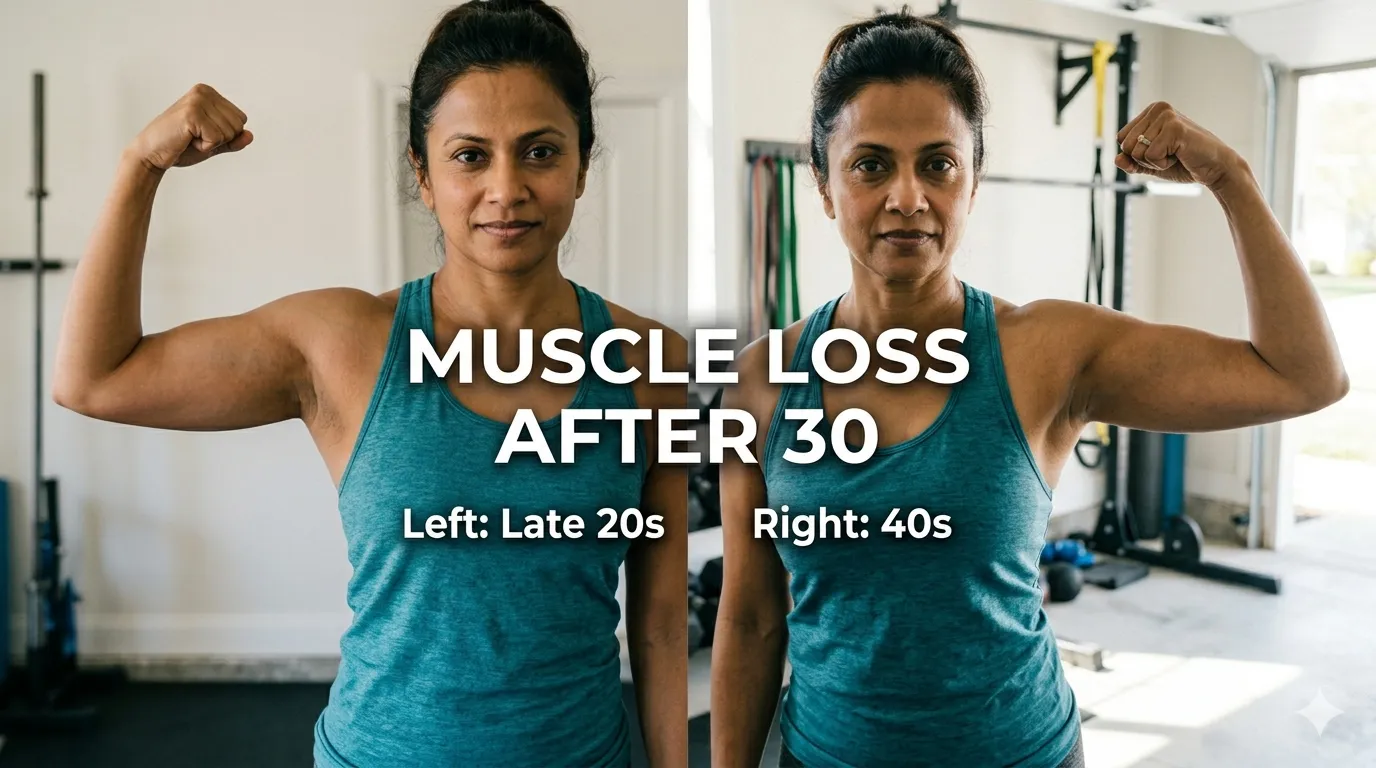
As women navigate through their 30s, 40s, and beyond, many notice a frustrating change in their bodies. Despite maintaining the same diet and exercise routines that kept them toned in their 20s, muscle definition begins to fade. Arms lose their firmness, legs appear softer, and that sculpted look becomes increasingly difficult to achieve. This isn't just in your head—it's a biological reality that affects millions of women worldwide.
Muscle definition loss is one of the most common yet underdiscussed aspects of aging in women. While society talks extensively about wrinkles, weight gain, and hair changes, the gradual decline in muscle tone and strength often goes unaddressed until women find themselves struggling with changes they don't understand and don't know how to reverse.
The good news? Understanding why this happens is the first step toward preventing and even reversing muscle loss. With the right knowledge about hormonal changes, nutrition, exercise, and lifestyle factors, you can maintain strong, defined muscles well into your 50s, 60s, and beyond.
The Science Behind Age-Related Muscle Loss
To effectively combat muscle loss, you need to understand what's happening inside your body. The process is complex, involving multiple biological systems that change as we age.
What Is Sarcopenia?
Sarcopenia is the medical term for age-related muscle loss. This condition typically begins around age 30 and accelerates after age 50. Research shows that women can lose 3-8% of muscle mass per decade after 30, with the rate increasing significantly after menopause.
Sarcopenia isn't just about appearance—it affects your metabolic rate, physical strength, bone density, and overall quality of life. Women with significant muscle loss face higher risks of falls, fractures, metabolic disorders, and loss of independence in later years.
The Hormonal Connection
Hormones play a crucial role in maintaining muscle mass, and several key hormonal shifts occur as women age:
- Estrogen Decline: Estrogen helps protect muscle tissue and supports protein synthesis. As estrogen levels drop during perimenopause and menopause, this protective effect diminishes, leading to accelerated muscle breakdown.
- Growth Hormone Reduction: Human growth hormone (HGH) naturally declines with age. This hormone is essential for muscle growth and repair. By age 40, HGH production has typically dropped by 50% compared to young adulthood.
- Testosterone Changes: While testosterone is often considered a male hormone, women need it too for muscle maintenance. Female testosterone levels gradually decline with age, contributing to reduced muscle-building capacity.
- Insulin Sensitivity: Aging often brings decreased insulin sensitivity, making it harder for muscles to absorb nutrients effectively and build new tissue.
Cellular and Molecular Changes
Beyond hormones, several cellular processes contribute to muscle loss:
Muscle protein synthesis slows down. Your body becomes less efficient at building new muscle tissue and repairing damaged fibers. What took hours to repair in your 20s might take days in your 40s.
Satellite cell function declines. These specialized cells are responsible for muscle repair and growth. As we age, we have fewer satellite cells, and those remaining are less responsive to exercise stimuli.
Inflammation increases. Chronic low-grade inflammation, often called "inflammaging," creates an environment that promotes muscle breakdown and inhibits muscle building.
Mitochondrial function decreases. The powerhouses of your cells become less efficient, reducing energy production and impairing muscle performance and recovery.
Why Women Face Unique Challenges
While men also experience age-related muscle loss, women face distinct challenges that can make maintaining muscle definition more difficult.
Pregnancy and Postpartum Changes
Pregnancy dramatically affects muscle tissue. The hormone relaxin, which loosens ligaments to prepare for childbirth, also affects muscle tone. Many women experience diastasis recti (separation of abdominal muscles) and pelvic floor weakness that can persist for years if not properly addressed.
Postpartum life often brings sleep deprivation, stress, and limited time for exercise—all factors that make muscle maintenance challenging. The focus typically shifts to baby care, and personal fitness takes a backseat during these crucial years when intervention could prevent long-term muscle loss.
Societal and Lifestyle Factors
Women often face unique societal pressures and lifestyle patterns that contribute to muscle loss:
- Cardio-focused fitness culture: Many women are encouraged to do primarily cardio exercise rather than strength training, missing crucial muscle-building opportunities.
- Calorie restriction: Diet culture promotes severe calorie cutting, which can lead to muscle loss alongside fat loss.
- Protein deficiency: Women often don't consume adequate protein, especially as they age and protein requirements increase.
- Time constraints: Women frequently juggle multiple roles—career, family, household management—leaving less time for consistent strength training.
The Menopause Transition
Menopause represents a critical period for muscle health. The dramatic drop in estrogen during this transition accelerates muscle loss significantly. Research indicates that women can lose up to 10% of muscle mass in the first five years after menopause if no preventive measures are taken.
This period requires proactive intervention—increased protein intake, consistent resistance training, and possibly hormone replacement therapy (HRT) discussion with healthcare providers.
Recognizing the Signs of Muscle Loss
Early detection allows for earlier intervention. Watch for these warning signs:
Physical Changes
- Decreased strength: Tasks that were once easy—carrying groceries, lifting children, climbing stairs—become more challenging.
- Softer appearance: Muscles lose definition even if weight remains stable. Arms, legs, and abdomen appear less toned.
- Weight redistribution: You might maintain the same weight but notice changes in body composition—more fat, less muscle.
- Slower metabolism: Unexplained weight gain despite unchanged eating habits suggests muscle loss, as muscle tissue burns more calories than fat.
- Reduced endurance: Getting winded more easily during activities you previously handled comfortably.
Functional Changes
- Balance issues: Difficulty standing on one leg or increased unsteadiness.
- Slower recovery: Taking longer to recover from workouts or physical activities.
- Joint pain: Weak muscles provide less support to joints, leading to increased aches and pains.
- Poor posture: Weakening core and back muscles contribute to slouching and postural problems.
Nutrition Strategies to Preserve Muscle
What you eat plays a fundamental role in maintaining muscle mass. As you age, your nutritional needs change, and what worked in your 20s may no longer be sufficient.
Protein: The Building Block
Protein is essential for muscle maintenance and growth. However, older adults experience "anabolic resistance," meaning they need more protein to stimulate the same muscle-building response as younger individuals.
Protein Requirements by Age:
- Women 19-50: 0.8g per kg of body weight (minimum)
- Women 50+: 1.0-1.2g per kg of body weight
- Active women/those strength training: 1.4-2.0g per kg of body weight
For a 150-pound (68 kg) woman over 40 who exercises regularly, this translates to 95-136 grams of protein daily—significantly more than the RDA suggests.
Optimal Protein Timing
Distribute protein throughout the day. Research shows that consuming 25-30 grams of protein per meal maximizes muscle protein synthesis. Don't save all your protein for dinner—spread it across breakfast, lunch, and dinner.
Post-workout nutrition matters. Consume protein within 2 hours after strength training to optimize muscle repair and growth. A combination of protein and carbohydrates works best.
High-Quality Protein Sources
Prioritize complete proteins that contain all essential amino acids:
- Animal sources: Lean beef, chicken, turkey, fish, eggs, Greek yogurt, cottage cheese
- Plant sources: Quinoa, soy products (tofu, tempeh), combinations of beans and rice, hemp seeds
- Supplements: Whey protein, casein protein, or plant-based protein powders can help meet increased requirements
Essential Nutrients for Muscle Health
Beyond protein, several nutrients support muscle maintenance:
Vitamin D: Critical for muscle function and strength. Many women are deficient, especially those over 40. Aim for 600-800 IU daily, or more if deficient (get tested).
Omega-3 Fatty Acids: Reduce inflammation and may enhance muscle protein synthesis. Include fatty fish (salmon, mackerel, sardines) 2-3 times weekly or consider supplementation.
Leucine: This branched-chain amino acid is particularly important for triggering muscle protein synthesis. Rich sources include whey protein, eggs, fish, chicken, and soybeans.
Magnesium: Supports muscle function and recovery. Found in leafy greens, nuts, seeds, and whole grains.
B Vitamins: Essential for energy metabolism and muscle function. B12 becomes harder to absorb with age, so supplementation may be necessary.
Calorie Considerations
Avoid severe calorie restriction. While creating a calorie deficit is necessary for fat loss, too aggressive restriction causes muscle loss alongside fat. Aim for a modest deficit of 300-500 calories daily if weight loss is your goal.
Don't fear carbohydrates. Carbs fuel your workouts and spare protein for muscle building. Focus on complex carbohydrates like whole grains, fruits, and vegetables.
Healthy fats are essential. They support hormone production, including hormones that protect muscle. Include avocados, nuts, seeds, and olive oil in your diet.
Exercise: The Most Powerful Tool
While nutrition provides the building blocks, exercise—specifically resistance training—is the stimulus that tells your body to maintain and build muscle. Without this stimulus, even perfect nutrition won't prevent muscle loss.
Resistance Training Fundamentals
Progressive overload is key. To maintain or build muscle, you must gradually increase the demands on your muscles. This can mean lifting heavier weights, doing more repetitions, or increasing training frequency over time.
Train all major muscle groups. Don't just focus on arms or abs. Compound movements that work multiple muscle groups simultaneously provide the best results:
- Squats and lunges (legs, glutes)
- Deadlifts (posterior chain, back, legs)
- Push-ups and chest presses (chest, shoulders, triceps)
- Rows and pull-downs (back, biceps)
- Overhead presses (shoulders, triceps)
- Core exercises (planks, rotational movements)
Training Frequency and Volume
Aim for 2-3 strength training sessions weekly as a minimum. Research shows this frequency is sufficient to maintain muscle mass in older adults. For muscle building or significant improvements, 3-4 sessions may be optimal.
Allow adequate recovery. Muscles grow during rest, not during workouts. Give each muscle group 48 hours to recover before training it again.
Volume matters. Work toward 10-20 sets per muscle group weekly, spread across your training sessions. Start lower if you're new to strength training and gradually increase.
Intensity Guidelines
Challenge yourself. To maintain muscle, you need to lift weights that feel challenging. The last 2-3 repetitions of each set should be difficult to complete with good form.
Rep ranges:
- 6-12 reps: Optimal for muscle growth (hypertrophy)
- 12-15 reps: Good for muscular endurance and some growth
- 15+ reps: Primarily endurance, less effective for maintaining muscle mass
Don't avoid heavy weights. Many women fear getting "bulky," but this is a myth. Women don't have enough testosterone to build large muscles without extreme dedication and specific training. Lifting heavier weights (with proper form) is actually more effective for creating a toned, defined appearance.
Cardio: Friend or Foe?
Cardiovascular exercise is important for heart health and overall fitness, but excessive cardio can interfere with muscle maintenance.
Balance is crucial. If your goal is to maintain or build muscle, limit steady-state cardio to 2-3 sessions of 30-45 minutes weekly. High-intensity interval training (HIIT) 1-2 times weekly can complement strength training without excessive muscle breakdown.
Timing matters. If doing both cardio and strength training in the same session, do strength training first when you're fresh and can lift with maximum effort.
Flexibility and Mobility
Don't neglect flexibility work. Yoga, stretching, and mobility exercises:
- Improve range of motion for better exercise performance
- Reduce injury risk
- Support recovery
- Maintain functional movement patterns
Aim for 10-15 minutes of stretching after workouts and consider adding a yoga or mobility session 1-2 times weekly.
Lifestyle Factors That Impact Muscle
Beyond diet and exercise, several lifestyle factors significantly influence your ability to maintain muscle definition.
Sleep: The Underrated Muscle Builder
Quality sleep is non-negotiable for muscle maintenance. During deep sleep, your body releases growth hormone and repairs muscle tissue. Chronic sleep deprivation elevates cortisol (a stress hormone that breaks down muscle) and impairs recovery.
Aim for 7-9 hours of quality sleep nightly. Create a sleep-friendly environment: cool, dark, quiet room; no screens 1 hour before bed; consistent sleep schedule.
Stress Management
Chronic stress keeps cortisol levels elevated, which promotes muscle breakdown and inhibits muscle building. Stress also disrupts sleep and can lead to emotional eating patterns that don't support muscle health.
Effective stress management strategies:
- Meditation or mindfulness practice (10-15 minutes daily)
- Deep breathing exercises
- Regular physical activity (but not excessive)
- Social connection and support
- Hobbies and activities you enjoy
- Professional counseling if needed
Alcohol and Smoking
Limit alcohol consumption. Alcohol interferes with protein synthesis, disrupts sleep, dehydrates muscles, and provides empty calories. If you drink, limit to 1-2 drinks occasionally, not daily.
Avoid smoking. Smoking reduces blood flow to muscles, impairs oxygen delivery, increases inflammation, and accelerates muscle loss. Quitting smoking at any age provides immediate and long-term benefits for muscle health.
Hydration
Muscles are approximately 75% water. Even mild dehydration impairs strength, endurance, and recovery.
Drink at least 8-10 glasses of water daily, more if you exercise or live in a hot climate. Monitor urine color—pale yellow indicates good hydration.
Special Considerations for Different Life Stages
Your 30s: Prevention is Key
This decade is crucial for establishing habits that prevent muscle loss. If you haven't been strength training, start now. Focus on:
- Building a consistent strength training routine (3x weekly)
- Learning proper form and technique
- Establishing adequate protein intake
- Addressing postpartum muscle changes if applicable
- Managing stress and sleep as life demands increase
Your 40s: Intensify Your Efforts
Perimenopause often begins in the 40s, bringing hormonal fluctuations that affect muscle. This is the time to:
- Increase protein intake to 1.2-1.6g per kg
- Ensure you're lifting challenging weights
- Prioritize recovery and sleep
- Consider discussing hormone levels with your doctor
- Address any injuries or chronic pain that limit exercise
Your 50s and Beyond: Adaptation and Consistency
Post-menopause requires strategic adjustments:
- Maintain or increase training frequency (don't reduce activity)
- Focus on bone health alongside muscle (weight-bearing exercise)
- Emphasize balance and fall prevention
- Consider HRT discussion with healthcare provider
- Be patient—progress may be slower but is still absolutely possible
- Celebrate functional improvements, not just appearance
Common Mistakes That Accelerate Muscle Loss
Avoid these pitfalls that sabotage muscle maintenance:
Mistake #1: Skipping Strength Training
Cardio alone won't preserve muscle. Many women focus exclusively on walking, running, or group fitness classes without incorporating resistance training. This is the fastest route to muscle loss.
Solution: Make strength training non-negotiable. Even 2 sessions weekly make a significant difference.
Mistake #2: Not Eating Enough Protein
Underestimating protein needs is extremely common. Many women over 40 still eat like they did in their 20s, not realizing their protein requirements have increased.
Solution: Track your protein intake for a week. Most women are shocked to discover they're getting only 40-60 grams daily when they need 90-120 grams.
Mistake #3: Fear of Lifting Heavy
Light weights with high reps won't maintain muscle mass effectively. While better than nothing, lifting very light weights doesn't provide enough stimulus to preserve muscle as you age.
Solution: Gradually increase weights. Challenge yourself. The last few reps should feel difficult.
Mistake #4: Overdoing Cardio
Excessive cardio, especially without adequate nutrition, breaks down muscle. Hours of daily cardio combined with calorie restriction is a recipe for muscle loss.
Solution: Balance cardio with strength training. If fat loss is your goal, prioritize strength training and moderate calorie deficit over excessive cardio.
Mistake #5: Inconsistency
Muscle maintenance requires consistency. Training intensely for 2 weeks then taking a month off won't work. Muscle responds to regular, consistent stimulus.
Solution: Find a sustainable routine you can maintain long-term. Consistency beats intensity every time.
Mistake #6: Neglecting Recovery
More is not always better. Training hard without adequate rest, sleep, and nutrition prevents muscles from repairing and growing.
Solution: Prioritize sleep, manage stress, eat enough, and include rest days in your program.
Creating Your Personalized Muscle Maintenance Plan
Now that you understand the why and how, it's time to create your action plan.
Step 1: Assess Your Current Status
- Are you currently strength training? How often?
- What's your typical daily protein intake?
- How is your sleep quality?
- What are your stress levels?
- Do you have any injuries or limitations?
Step 2: Set Realistic Goals
Examples of good goals:
- Strength train 3 times weekly for the next 3 months
- Increase protein intake to 100 grams daily
- Squat with 20-pound dumbbells by end of quarter
- Improve sleep to 7+ hours nightly
- Notice improved muscle definition in arms within 12 weeks
Step 3: Build Your Weekly Schedule
Sample week for muscle maintenance:
- Monday: Full-body strength training (45 min)
- Tuesday: Walking or light cardio (30 min) + stretching
- Wednesday: Full-body strength training (45 min)
- Thursday: Rest or gentle yoga
- Friday: Full-body strength training (45 min)
- Saturday: Active recovery (hiking, swimming, cycling)
- Sunday: Rest
Step 4: Plan Your Nutrition
- Calculate your protein target
- Plan meals to hit that target
- Prepare protein-rich snacks
- Stay hydrated throughout the day
- Consider protein supplementation if needed
Step 5: Track Progress
Don't rely solely on the scale. Track:
- Strength improvements (weights lifted, reps completed)
- How clothes fit
- Progress photos monthly
- Energy levels and daily function
- Body measurements (arms, legs, waist)
When to Seek Professional Help
While most women can successfully maintain muscle with proper nutrition and exercise, certain situations warrant professional guidance:
- Rapid or severe muscle loss: If you're losing muscle quickly despite proper nutrition and exercise, consult your doctor to rule out underlying conditions.
- Chronic pain or injuries: A physical therapist can help you exercise safely and effectively.
- Significant hormonal imbalances: An endocrinologist can assess whether hormone replacement therapy might benefit you.
- Difficulty creating an effective program: A certified personal trainer (especially one experienced with women over 40) can design a personalized program.
- Nutritional confusion: A registered dietitian can help optimize your nutrition for muscle maintenance.
The Bottom Line: It's Never Too Late
While muscle loss with age is natural, it's not inevitable to the degree many women experience. The human body remains remarkably responsive to exercise and proper nutrition throughout life.
Research consistently shows that women in their 60s, 70s, and even 80s can build muscle and improve strength with appropriate resistance training. Age is not an excuse—it's simply a signal to be more intentional about your approach.
The key is starting now. Whether you're 30 or 60, every day you wait is another day of preventable muscle loss. But every workout, every protein-rich meal, every good night's sleep is an investment in your future strength, independence, and quality of life.
Maintaining muscle definition isn't just about looking good—it's about feeling strong, capable, and confident in your body at every age. You deserve to feel powerful in your own skin, and with the right knowledge and consistent effort, you absolutely can.
Start today. Your future self will thank you.


0 Comments