

Why Women's Skin Feels Thinner With Age: Causes and Solutions
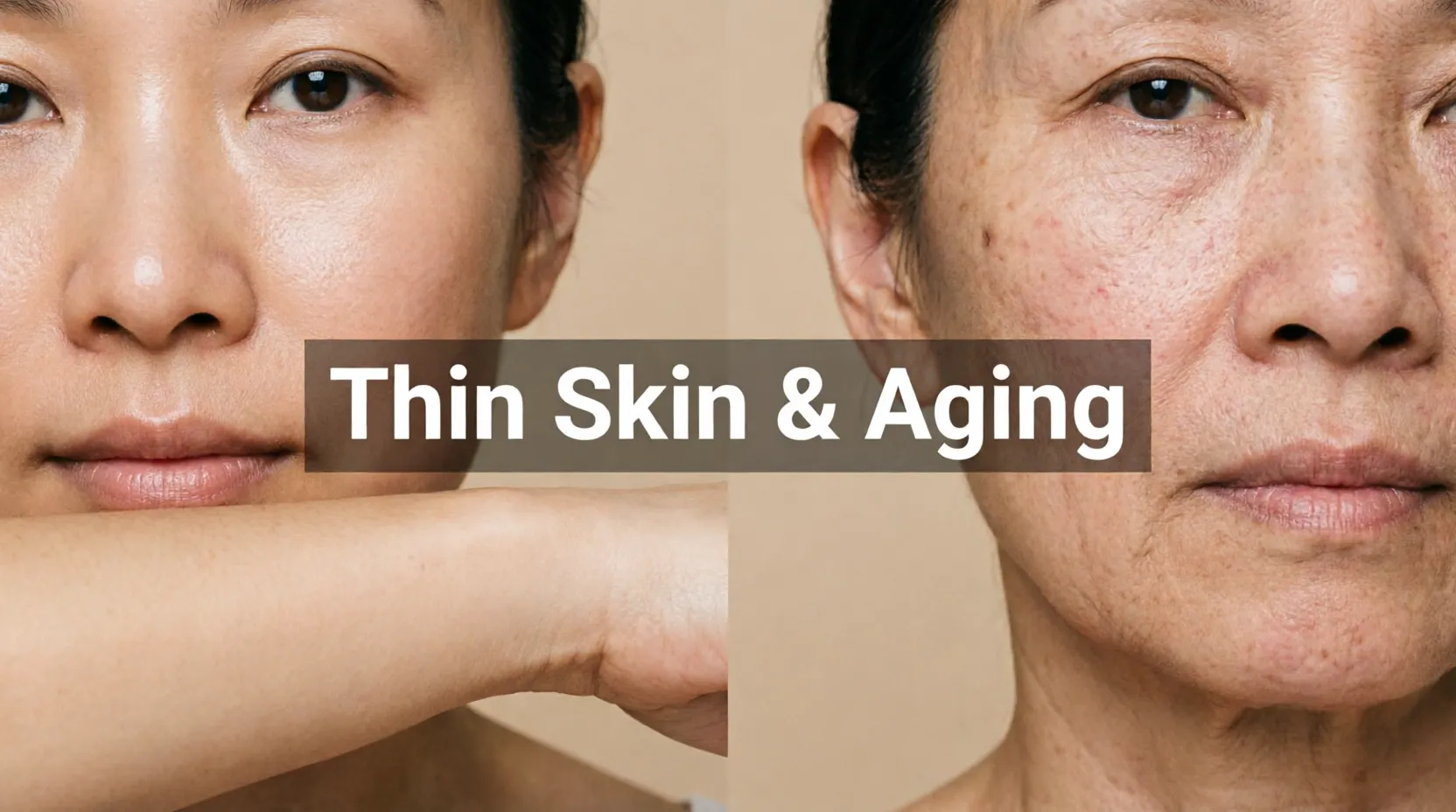
Understanding Skin Thinning: A Common Aging Concern
You notice it when you catch your reflection in harsh lighting, or when a minor bump leaves a bruise that seems to appear out of nowhere. Your skin feels different—more delicate, almost translucent in places, and definitely thinner than it used to be. If this sounds familiar, you're experiencing one of the most universal yet underdiscussed aspects of aging: skin thinning.
Skin thinning is a natural part of aging that affects virtually every woman, though the rate and severity vary based on genetics, lifestyle, and environmental factors. This condition, medically known as dermal atrophy or skin atrophy, occurs when the skin loses thickness, elasticity, and structural integrity over time. What was once plump, resilient skin gradually becomes more fragile, transparent, and prone to damage.
While skin thinning is inevitable to some degree, understanding why it happens and what you can do about it empowers you to slow the process, protect your skin, and maintain its health and appearance for as long as possible. This comprehensive guide will explore the science behind age-related skin thinning, explain why women are particularly susceptible, and provide evidence-based strategies to strengthen, protect, and rejuvenate thinning skin.
The Science of Skin Structure and Aging
To understand why skin becomes thinner with age, you need to understand skin structure and how it changes over time.
Layers of the Skin
Your skin consists of three primary layers:
Epidermis (outer layer): This is the protective barrier you see and touch. It contains keratinocytes (skin cells), melanocytes (pigment-producing cells), and Langerhans cells (immune cells). The epidermis itself has several sublayers, with cells constantly renewing and moving upward.
Dermis (middle layer): This is where skin thinning primarily occurs. The dermis contains:
- Collagen: The most abundant protein in skin, providing structure and strength
- Elastin: Gives skin its ability to snap back after stretching
- Hyaluronic acid: A moisture-binding molecule that keeps skin plump
- Blood vessels: Supply nutrients and oxygen to skin cells
- Nerve endings: Provide sensation
- Hair follicles and sweat glands
Subcutaneous tissue (fat layer): The deepest layer provides cushioning, insulation, and contributes to skin's plump appearance.
Skin thinning occurs primarily in the dermis when collagen, elastin, and hyaluronic acid decrease, and the epidermis becomes less robust.
How Skin Thickness Changes With Age
Research shows that skin thickness peaks in our 20s and begins declining gradually in our 30s, with acceleration after menopause:
Collagen loss: Women lose approximately 1% of collagen per year starting in their late 20s. After menopause, this accelerates to 2-3% per year for the first 5-7 years.
Epidermal thinning: The epidermis becomes 20-30% thinner by age 70 compared to young adulthood.
Dermal atrophy: The dermis can lose up to 20% of its thickness with age.
Subcutaneous fat loss: Fat pads diminish, particularly in the face, hands, and other areas, contributing to a thinner, more hollowed appearance.
These changes don't happen overnight. They accumulate gradually over decades, which is why you might not notice them day-to-day but can see dramatic differences when comparing photos years apart.
Why Women's Skin Thins More Than Men's
Women experience more pronounced skin thinning than men, and the reasons are both biological and hormonal.
The Estrogen Connection
Estrogen plays a crucial role in maintaining skin thickness, hydration, and collagen production. Here's how:
Estrogen stimulates collagen synthesis: Estrogen receptors on fibroblasts (the cells that produce collagen) signal increased collagen production. When estrogen levels are high, skin is thicker, more hydrated, and more resilient.
Estrogen increases hyaluronic acid: This hormone boosts production of hyaluronic acid, which binds water and keeps skin plump and voluminous.
Estrogen enhances wound healing: It promotes faster cell turnover and repair, maintaining skin integrity.
Estrogen improves skin barrier function: It helps maintain the lipid barrier that keeps moisture in and irritants out.
When estrogen levels drop, particularly during perimenopause and menopause, all these protective effects diminish, leading to accelerated skin thinning.
Menopause: The Critical Turning Point
Menopause represents a watershed moment for women's skin health. The dramatic decline in estrogen during this transition triggers rapid changes:
First 5 years post-menopause: Women can lose up to 30% of skin collagen in the first five years after menopause, with continued loss of 2% annually thereafter.
Skin thickness reduction: Studies show postmenopausal women have significantly thinner skin compared to premenopausal women of the same age.
Decreased skin hydration: Reduced estrogen leads to decreased hyaluronic acid and natural moisturizing factors, making skin drier and more fragile.
Impaired barrier function: The skin's protective barrier becomes compromised, leading to increased sensitivity and slower healing.
These changes explain why many women notice their skin suddenly seems thinner, drier, and more delicate in their late 40s and 50s, even if it was relatively stable before.
Other Gender-Specific Factors
Beyond hormones, several factors make women more susceptible to skin thinning:
Naturally thinner skin: Women's skin is naturally 20-25% thinner than men's skin, even in youth, due to lower collagen density.
Pregnancy effects: Hormonal fluctuations during pregnancy and postpartum can affect skin structure and collagen production.
Sun exposure patterns: Historically, women have had different sun exposure patterns and may have used tanning beds more frequently in past decades, contributing to photoaging.
Skincare product use: While generally beneficial, overuse of certain active ingredients (retinoids, acids) without proper support can potentially thin the stratum corneum if not used correctly.
Primary Causes of Age-Related Skin Thinning
Multiple factors contribute to skin thinning, working together to accelerate the aging process.
1. Collagen Depletion
Collagen is the primary structural protein in skin, accounting for about 75-80% of the dermis. Its decline is the main driver of skin thinning:
Why collagen decreases:
- Reduced production: Fibroblasts become less active with age, producing less collagen
- Increased breakdown: Enzymes called matrix metalloproteinases (MMPs) break down collagen faster than it can be replaced
- Oxidative stress: Free radicals damage collagen fibers and impair production
- Glycation: Sugar molecules bind to collagen, creating advanced glycation end products (AGEs) that make collagen stiff and brittle
- Hormonal changes: Declining estrogen reduces collagen synthesis signals
Types of collagen affected: Type I and Type III collagen, the main types in skin, both decrease with age, leading to loss of structure and elasticity.
2. Elastin Degradation
Elastin fibers give skin its ability to stretch and recoil. While less abundant than collagen, elastin is crucial for skin resilience:
What happens to elastin:
- Elastin production decreases significantly after puberty
- Existing elastin fibers become fragmented and disorganized
- Cross-linking makes elastin stiff and less functional
- Sun exposure accelerates elastin breakdown (elastosis)
When elastin degrades, skin loses its snap-back ability, contributing to sagging and a thinner, looser appearance.
3. Loss of Hyaluronic Acid and Moisture
Hyaluronic acid (HA) is a powerful humectant that can hold up to 1000 times its weight in water. It's essential for maintaining skin volume and plumpness:
HA decline with age:
- Hyaluronic acid levels decrease by about 1% per year after age 30
- By age 50, HA levels are roughly half of what they were in youth
- Reduced estrogen further decreases HA production
Consequences of HA loss:
- Skin becomes dehydrated and less plump
- Fine lines and wrinkles become more visible
- Skin appears thinner and more translucent
- Barrier function is compromised
4. Subcutaneous Fat Loss
The fat layer beneath the skin provides cushioning, insulation, and contributes to a youthful, full appearance:
Age-related fat loss:
- Subcutaneous fat decreases with age, particularly in the face, hands, and extremities
- Fat pads shift and diminish, creating hollows and making skin appear thinner
- Loss of this cushioning layer makes blood vessels more visible
This is why older skin often looks translucent, with visible veins and bones more prominent—the padding that once obscured them has diminished.
5. Slower Cell Turnover
The epidermis constantly renews itself, with new cells pushing old ones to the surface where they shed:
Cell turnover slows dramatically with age:
- In your 20s: skin renews every 28-30 days
- In your 40s: renewal takes 40-60 days
- In your 60s and beyond: can take 60-90 days or longer
Slower turnover means:
- Thinner, less robust epidermis
- Dull, lackluster complexion
- Poorer wound healing
- Decreased barrier function
- Reduced ability to repair damage
6. Photoaging (Sun Damage)
Chronic sun exposure is the single most significant external factor accelerating skin thinning:
How UV radiation damages skin:
- Breaks down collagen: UV rays activate MMP enzymes that degrade collagen
- Damages elastin: Causes elastosis—abnormal, tangled elastin fibers
- Generates free radicals: Oxidative stress damages cellular DNA and proteins
- Thins the epidermis: Chronic exposure can cause epidermal atrophy
- Impairs repair mechanisms: Reduces skin's ability to heal and regenerate
Photoaging accounts for up to 80-90% of visible skin aging, including thinning, and occurs even with incidental sun exposure over a lifetime.
7. Oxidative Stress and Inflammation
Chronic inflammation and oxidative stress accelerate skin aging through multiple pathways:
Sources of oxidative stress:
- UV radiation
- Pollution
- Smoking
- Poor diet
- Chronic stress
- Environmental toxins
How it damages skin:
- Free radicals damage cellular DNA, proteins, and lipids
- Activates inflammatory pathways that break down collagen
- Impairs fibroblast function
- Accelerates cellular aging (senescence)
Chronic low-grade inflammation, sometimes called "inflammaging," creates a destructive environment that accelerates skin thinning.
Signs and Symptoms of Thinning Skin
How do you know if your skin is thinning? Look for these telltale signs:
Visible Changes
- Translucency: Skin appears more see-through, particularly on hands, arms, and face
- Visible blood vessels: Veins, capillaries, and spider veins become more prominent
- Bruising easily: Minor bumps cause bruises that seem to appear out of nowhere
- Paper-thin texture: Skin feels delicate and fragile to the touch
- Increased wrinkles: Fine lines become more pronounced and numerous
- Sagging: Skin loses firmness and begins to droop
- Age spots and discoloration: Uneven pigmentation becomes more apparent
- Dryness: Skin feels chronically dry despite moisturizing
Functional Changes
- Slower wound healing: Cuts, scrapes, and bruises take longer to heal
- Increased sensitivity: Skin reacts more easily to products and environmental factors
- Easy tearing: Skin tears or develops wounds from minor friction or trauma
- Poorer temperature regulation: Difficulty maintaining body temperature
- Increased infection risk: Compromised barrier allows pathogens easier entry
Common Areas Affected
Skin thinning doesn't occur uniformly. Some areas are more susceptible:
- Hands and forearms: Often show thinning first due to sun exposure and fat loss
- Face: Particularly cheeks, temples, and around eyes
- Neck and décolletage: Thin skin that shows aging quickly
- Lower legs: Common site for skin tears in older adults
- Upper arms: Often becomes loose and thin ("bat wings")
Medical Conditions and Medications That Cause Skin Thinning
Beyond natural aging, certain conditions and medications can accelerate or cause skin thinning:
Topical and Oral Corticosteroids
Long-term use of corticosteroids (prednisone, cortisone creams) is one of the most common causes of pathological skin thinning:
- Steroids inhibit collagen synthesis
- They cause vasoconstriction, reducing nutrient delivery
- Prolonged use leads to striae (stretch marks) and easy bruising
- Skin becomes fragile and translucent
If you use steroid creams, always follow your doctor's instructions and avoid long-term use on thin-skinned areas like the face.
Other Medications
- Blood thinners (anticoagulants): Don't cause thinning but increase bruising and bleeding
- Retinoids (oral): Can thin the stratum corneum if overused
- Chemotherapy drugs: Affect rapidly dividing cells including skin cells
- Some diabetes medications: May affect skin integrity
Medical Conditions
- Ehlers-Danlos syndrome: Genetic disorder affecting collagen production
- Cushing's syndrome: Excess cortisol causes skin thinning
- Thyroid disorders: Both hyper and hypothyroidism affect skin
- Malnutrition: Deficiencies in protein, vitamins, and minerals impair skin health
- Autoimmune conditions: Some affect skin structure and healing
Prevention and Treatment Strategies
While you can't completely stop skin thinning, you can significantly slow it and improve skin thickness and resilience.
1. Sun Protection: Your First Line of Defense
Daily sun protection is the single most important step you can take to prevent skin thinning:
Use broad-spectrum sunscreen:
- SPF 30 or higher daily, even indoors and in winter
- Reapply every 2 hours when outdoors
- Use enough—about 1/4 teaspoon for face
- Choose mineral (zinc oxide, titanium dioxide) or modern chemical filters
Additional sun protection:
- Wear wide-brimmed hats
- Use UV-protective clothing
- Seek shade, especially 10 AM - 4 PM
- Wear sunglasses to protect delicate eye area
- Avoid tanning beds completely
2. Topical Retinoids: The Gold Standard
Retinoids (vitamin A derivatives) are the most proven topical treatment for increasing skin thickness and collagen production:
How retinoids work:
- Stimulate collagen production
- Increase cell turnover
- Thicken the epidermis
- Improve skin texture and tone
- Reduce fine lines and wrinkles
Options:
- Prescription tretinoin (Retin-A): Strongest, most effective
- Prescription tazarotene: Very potent
- Over-the-counter retinol: Milder, requires conversion in skin
- Retinaldehyde: Intermediate strength
Usage tips:
- Start slowly (2-3x weekly) to minimize irritation
- Apply to clean, dry skin at night
- Use pea-sized amount for entire face
- Always use sunscreen during the day
- Be patient—results take 3-6 months
3. Vitamin C: Collagen Booster and Antioxidant
Vitamin C (L-ascorbic acid) is essential for collagen synthesis and protects against oxidative damage:
Benefits:
- Stimulates collagen production
- Neutralizes free radicals
- Brightens skin tone
- Enhances sunscreen protection
- Reduces inflammation
How to use:
- Choose 10-20% L-ascorbic acid serum
- Apply in the morning before sunscreen
- Store in dark, cool place (vitamin C is unstable)
- Look for formulations with vitamin E and ferulic acid for stability
4. Peptides: Building Blocks for Skin
Peptides are short chains of amino acids that signal skin to produce more collagen:
Common peptides in skincare:
- Matrixyl (palmitoyl pentapeptide): Stimulates collagen
- Argireline: May reduce muscle contraction
- Copper peptides: Promote wound healing and collagen
- Signal peptides: Trigger various skin repair processes
Benefits:
- Gentle alternative to retinoids
- Support collagen and elastin production
- Improve skin firmness
- Suitable for sensitive skin
5. Hyaluronic Acid: Hydration and Plumping
Topical hyaluronic acid helps compensate for age-related loss:
How it helps:
- Binds water to plump skin
- Improves hydration
- Temporarily fills fine lines
- Supports barrier function
Usage:
- Apply to damp skin for best results
- Use serums with multiple molecular weights
- Follow with moisturizer to seal in hydration
- Can be used morning and night
6. Niacinamide (Vitamin B3)
Niacinamide is a versatile ingredient that strengthens skin barrier and improves thickness:
Benefits:
- Increases ceramide production
- Strengthens skin barrier
- Improves skin elasticity
- Reduces inflammation
- Minimizes redness and blotchiness
Use 5-10% concentration once or twice daily. Well-tolerated by most skin types.
7. Growth Factors and Stem Cells
Advanced ingredients that promote skin regeneration:
Growth factors:
- Proteins that stimulate cell growth and collagen production
- Can be derived from human fibroblasts, plants, or bioengineered
- Shown to improve skin thickness and texture
Plant stem cells:
- Protect and support human skin stem cells
- Provide antioxidant benefits
- May promote regeneration
8. Professional Treatments
In-office procedures can significantly improve skin thickness:
Microneedling:
- Creates micro-injuries that stimulate collagen production
- Increases skin thickness and density
- Requires multiple sessions (4-6)
- Minimal downtime
Laser treatments:
- Fractional lasers: Create controlled damage to stimulate collagen
- Non-ablative: Less downtime, gradual results
- Ablative (CO2, Erbium): More dramatic results, longer recovery
Radiofrequency (RF):
- Heats deep layers to stimulate collagen
- Tightens and thickens skin
- Minimal downtime
Ultrasound (Ultherapy):
- Uses focused ultrasound energy
- Stimulates deep collagen production
- Lifts and tightens
Platelet-Rich Plasma (PRP):
- Uses your own growth factors
- Stimulates healing and collagen
- Often combined with microneedling
Dermal fillers:
- Hyaluronic acid fillers restore volume
- Don't thicken skin but restore lost padding
- Immediate results
9. Nutrition for Skin Thickness
What you eat directly impacts skin health:
Protein:
- Essential for collagen production
- Aim for 0.8-1g per pound of body weight
- Include collagen-rich foods (bone broth) and complete proteins
Vitamin C:
- Required for collagen synthesis
- Citrus fruits, bell peppers, strawberries, broccoli
- Aim for 75-90mg daily
Omega-3 fatty acids:
- Reduce inflammation
- Support skin barrier
- Fatty fish, walnuts, flaxseeds, chia seeds
Vitamin E:
- Antioxidant protection
- Nuts, seeds, spinach, avocado
Zinc:
- Supports wound healing and collagen
- Oysters, beef, pumpkin seeds, lentils
Silica:
- Important for collagen formation
- Cucumbers, bell peppers, oats, brown rice
Collagen supplements:
- Hydrolyzed collagen peptides may boost production
- 10-15g daily shows promise in studies
- Take with vitamin C for absorption
10. Lifestyle Modifications
Daily habits significantly impact skin thickness:
Don't smoke:
- Smoking dramatically accelerates skin thinning
- Reduces blood flow to skin
- Destroys collagen and elastin
- Quitting at any age provides benefits
Limit alcohol:
- Dehydrates skin
- Depletes nutrients
- Increases inflammation
- Limit to 1 drink daily or less
Manage stress:
- Chronic stress elevates cortisol, which breaks down collagen
- Practice meditation, yoga, deep breathing
- Prioritize sleep and relaxation
Get adequate sleep:
- Skin repairs and regenerates during sleep
- Aim for 7-9 hours nightly
- Growth hormone released during deep sleep supports collagen
Exercise regularly:
- Improves circulation to skin
- Reduces inflammation
- Manages stress
- Aim for 150 minutes moderate exercise weekly
Stay hydrated:
- Drink 8-10 glasses water daily
- Supports skin hydration from within
- Helps flush toxins
11. Hormone Replacement Therapy (HRT)
For menopausal women, HRT may help maintain skin thickness:
Benefits for skin:
- Estrogen therapy can increase collagen production
- Improves skin thickness and hydration
- Reduces wrinkle formation
- Enhances wound healing
Important considerations:
- HRT has risks and benefits that vary by individual
- Discuss with your healthcare provider
- May not be appropriate for everyone
- Topical estrogen creams being studied for skin benefits
Creating Your Skin-Thickening Routine
Put it all together with this comprehensive approach:
Morning Routine
- Gentle cleanser
- Vitamin C serum
- Hyaluronic acid serum (on damp skin)
- Peptide or niacinamide serum
- Moisturizer
- Broad-spectrum SPF 30+ (non-negotiable)
Evening Routine
- Gentle cleanser (double cleanse if wearing makeup)
- Retinoid (start 2-3x weekly, build up tolerance)
- On non-retinoid nights: peptides or growth factors
- Hyaluronic acid serum
- Rich moisturizer with ceramides
- Facial oil if needed (on damp skin)
Weekly Treatments
- Gentle exfoliation 1-2x weekly (avoid on retinoid nights)
- Hydrating mask weekly
- Consider monthly professional treatments
Lifestyle Daily
- Take collagen supplement with vitamin C
- Eat protein-rich meals
- Drink adequate water
- Get 7-9 hours sleep
- Manage stress
- Avoid sun exposure
When to See a Doctor
Consult a dermatologist or healthcare provider if you experience:
- Sudden or severe skin thinning
- Easy bruising or bleeding without obvious cause
- Skin tears that won't heal
- Purple stretch marks (striae)
- Thinning accompanied by other symptoms (weight changes, fatigue)
- Suspected medication side effects
These could indicate underlying medical conditions requiring treatment beyond cosmetic skincare.
The Bottom Line
Skin thinning is an inevitable part of aging, particularly for women experiencing hormonal changes. However, while you can't stop it completely, you have significant power to slow the process, strengthen your skin, and maintain its health and resilience.
The key is starting early and being consistent. Prevention is far easier than reversal. Daily sun protection, a solid skincare routine with proven actives like retinoids and vitamin C, proper nutrition, and healthy lifestyle habits all work synergistically to maintain skin thickness.
Be patient and realistic. Skin turnover takes weeks to months, and rebuilding collagen is a gradual process. You won't see overnight changes, but with consistent care over 3-6 months, you should notice improvements in skin thickness, firmness, and overall health.
Remember: thinning skin is not a flaw—it's a natural part of aging. But if maintaining skin thickness and resilience is important to you, you have more tools and knowledge than ever before. Work with your dermatologist, be consistent with your routine, and embrace a holistic approach that supports your skin from the inside out.
Your skin has served you well throughout your life. With proper care, it can continue to protect, heal, and look its best at every age.


0 Comments